
In the rapidly evolving world of digital media, the way we consume video content has undergone a seismic shift. YouTube, the world’s largest video-sharing platform, has transitioned from a simple repository for user-generated clips into a multifaceted ecosystem that rivals traditional cable and premium streaming giants. At the center of this evolution is YouTube Premium, a subscription-based service designed to fundamentally alter the user interface and technological experience of the platform.
While many users equate YouTube Premium simply with the removal of advertisements, the service represents a comprehensive suite of software features and technical enhancements. It is a premium tier of service that bridges the gap between a casual social media experience and a high-end streaming utility. To understand what YouTube Premium is from a technological perspective, one must look beyond the surface level and examine the background processes, integration capabilities, and user experience optimizations it offers.

Beyond Ad-Free Viewing: The Architecture of YouTube Premium
The most immediate technical change a user notices upon upgrading to YouTube Premium is the removal of the advertising layer. However, from a software engineering standpoint, this is more than just a filter; it is a streamlined delivery of data that prioritizes the content stream over the ad-serving algorithms.
Ad-Free Experience and Seamless Playback
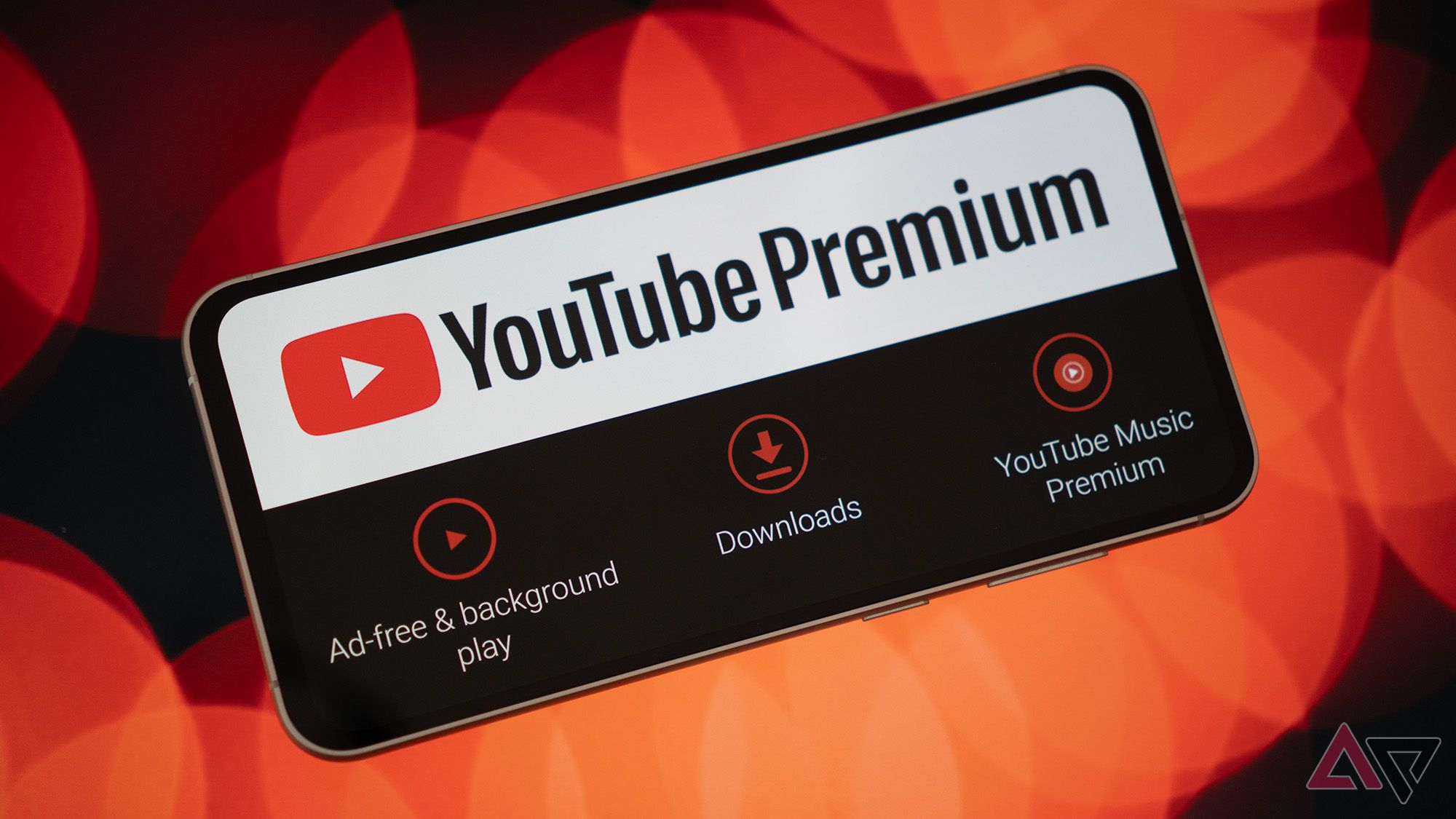
The core of the YouTube Premium experience is the complete removal of pre-roll, mid-roll, and overlay advertisements. For the user, this translates to a frictionless “click-to-play” experience. Technically, this removes the need for the player to negotiate with ad servers before and during content delivery, resulting in faster load times and less strain on device resources. It creates a cleaner data stream, where the bandwidth is dedicated entirely to the primary video file rather than secondary marketing scripts.
Background Play and Picture-in-Picture (PiP)
One of the most significant technical limitations of the standard YouTube mobile app is the cessation of playback when the app is minimized or the screen is locked. YouTube Premium unlocks the background play feature, allowing the audio track of a video to continue processing while the user navigates other applications.
Furthermore, the implementation of Picture-in-Picture (PiP) technology allows for multitasking. This feature creates a floating mini-player that remains visible over other apps. From a technical perspective, this utilizes the mobile operating system’s native overlay APIs, allowing for a seamless transition between the full-screen interface and a high-performance windowed mode without interrupting the video buffer.
Smart Downloads and Offline Access
YouTube Premium introduces a sophisticated offline viewing module. Unlike third-party ripping tools that often compromise file integrity, Premium’s native download feature allows users to cache videos directly within the app’s encrypted storage. Users can select resolutions ranging from 144p to 1080p, and even 4K in some instances, depending on the source file. The “Smart Downloads” feature uses machine learning to predict what content a user might want to watch based on their viewing history, automatically downloading videos when the device is connected to Wi-Fi to ensure content availability during network outages or travel.
The Audio Ecosystem: YouTube Music Premium Integration
A major component of the YouTube Premium subscription is the inclusion of YouTube Music Premium. This isn’t just an add-on; it is a standalone, high-performance music streaming service that competes directly with platforms like Spotify and Apple Music, integrated into the broader YouTube ecosystem.

A High-Fidelity Music Experience
YouTube Music Premium offers a dedicated interface for audio-only consumption. Technically, this provides users with the ability to toggle between a “video mode” and an “audio-only mode.” In audio-only mode, the app stops fetching video data entirely, focusing solely on high-bitrate audio streams (up to 256kbps AAC). This is a crucial feature for users looking to preserve data while maintaining acoustic clarity. The integration allows for a unified library where a user’s “liked” videos that are categorized as music automatically appear in their music streaming app.
Algorithmic Discovery and Radio Features
The tech powering YouTube Music relies heavily on Google’s advanced recommendation engines. By leveraging the vast data of the main YouTube platform, the music service can provide highly personalized “Discover” and “New Release” mixes. The “Radio” feature uses an algorithm to build a continuous stream of music based on a single seed track, artist, or genre. The backend architecture analyzes sonic characteristics—such as tempo, key, and mood—to provide a cohesive listening experience that adapts to the user’s real-time feedback.
Enhancing User Control and Advanced Tech Features
Beyond the basic utility of ad-blocking and background play, YouTube Premium serves as a testing ground for cutting-edge video technology and interface experiments. Google frequently uses the Premium tier to roll out features that demand higher server-side processing or more complex client-side rendering.
1080p Premium Bitrate and Visual Fidelity
In a recent technical upgrade, YouTube introduced the “1080p Premium” setting for its subscribers. While standard 1080p is available to all users, the “Premium” version offers an enhanced bitrate. Bitrate refers to the amount of data processed per second of video. By increasing the bitrate, YouTube reduces compression artifacts, resulting in a much crisper image, especially in scenes with high motion or complex textures. This feature is particularly beneficial for viewers on larger screens or high-resolution monitors where standard compression becomes more visible.
Cross-Device Continuity and Multi-Screen Sync
The technical infrastructure of YouTube Premium allows for sophisticated cross-device continuity. If a user begins watching a video on their smart TV, they can pause and instantly resume from the exact second on their mobile device or desktop. This is managed through real-time cloud synchronization of the user’s watch state. Additionally, Premium users have access to “Continue Watching” prompts that are more prominently integrated into the UI, ensuring that the transition between different hardware environments is nearly invisible.
Experimental “Try New Features” Access
YouTube Premium members often get early access to experimental features before they are rolled out to the general public or even scrapped. These “YouTube Labs” features might include AI-generated comment summaries, gesture-based controls for seeking through videos (such as “Jump Ahead”), or the ability to lock the screen to prevent accidental touches during playback. This creates a feedback loop between the most active users and the developers, allowing for technical refinements based on real-world usage data.
Compatibility and Technical Requirements
The utility of YouTube Premium is maximized when integrated across a diverse hardware ecosystem. Because the service is tied to a Google account rather than a specific device, its features propagate across various operating systems and form factors.
Ecosystem Integration (Smart TVs, Consoles, Wearables)
The Premium experience extends to the “Living Room” apps found on PlayStation, Xbox, Apple TV, and various Smart TV platforms (Android TV, Tizen, WebOS). In these environments, the lack of ads is particularly valuable, as the interface on a TV is often slower to navigate than on a smartphone. Furthermore, YouTube Premium integrates with wearable tech; for example, users can download music and playlists to their Wear OS or Apple Watch for phone-free workouts, utilizing the watch’s internal storage and Bluetooth connectivity for audio output.
Data Management and Bandwidth Considerations
From a technical management perspective, YouTube Premium offers users more granular control over their data consumption. Within the settings, users can specify different download qualities for Wi-Fi versus cellular data. They can also manage the “Smart Downloads” storage limit to ensure the app doesn’t overwhelm the device’s internal memory. This level of control is essential for power users who rely on their devices for both entertainment and productivity, as it prevents the background processes of the app from interfering with other system requirements.
Conclusion
YouTube Premium is far more than a simple “ad-blocker” for the world’s most popular video site. It is a sophisticated technological layer that enhances the streaming experience through high-bitrate video, seamless background processing, and intelligent data management. By integrating a full-scale music streaming service and offering early access to experimental UI features, it provides a specialized environment for users who demand more from their digital consumption. As YouTube continues to innovate with AI and high-fidelity streaming, the Premium tier will likely remain the primary vehicle for delivering these advanced technical capabilities to the end-user.
aViewFromTheCave is a participant in the Amazon Services LLC Associates Program, an affiliate advertising program designed to provide a means for sites to earn advertising fees by advertising and linking to Amazon.com. Amazon, the Amazon logo, AmazonSupply, and the AmazonSupply logo are trademarks of Amazon.com, Inc. or its affiliates. As an Amazon Associate we earn affiliate commissions from qualifying purchases.