
In the intricate landscape of modern travel, efficiency is not just a convenience; it’s a valuable commodity. For the discerning traveler, especially those for whom time equates directly to money, understanding and leveraging tools that streamline the journey is paramount. Among these tools, the Known Traveler Number (KTN) stands out as a deceptively simple identifier with profound financial implications. While often perceived merely as a shortcut through airport security, a KTN, acquired through programs like TSA PreCheck or Global Entry, is in essence a strategic investment in time, productivity, and ultimately, personal and business finance. This article delves into the financial ecosystem surrounding the KTN, revealing how this seemingly small detail can profoundly impact your travel budget, financial planning, and overall economic well-being.
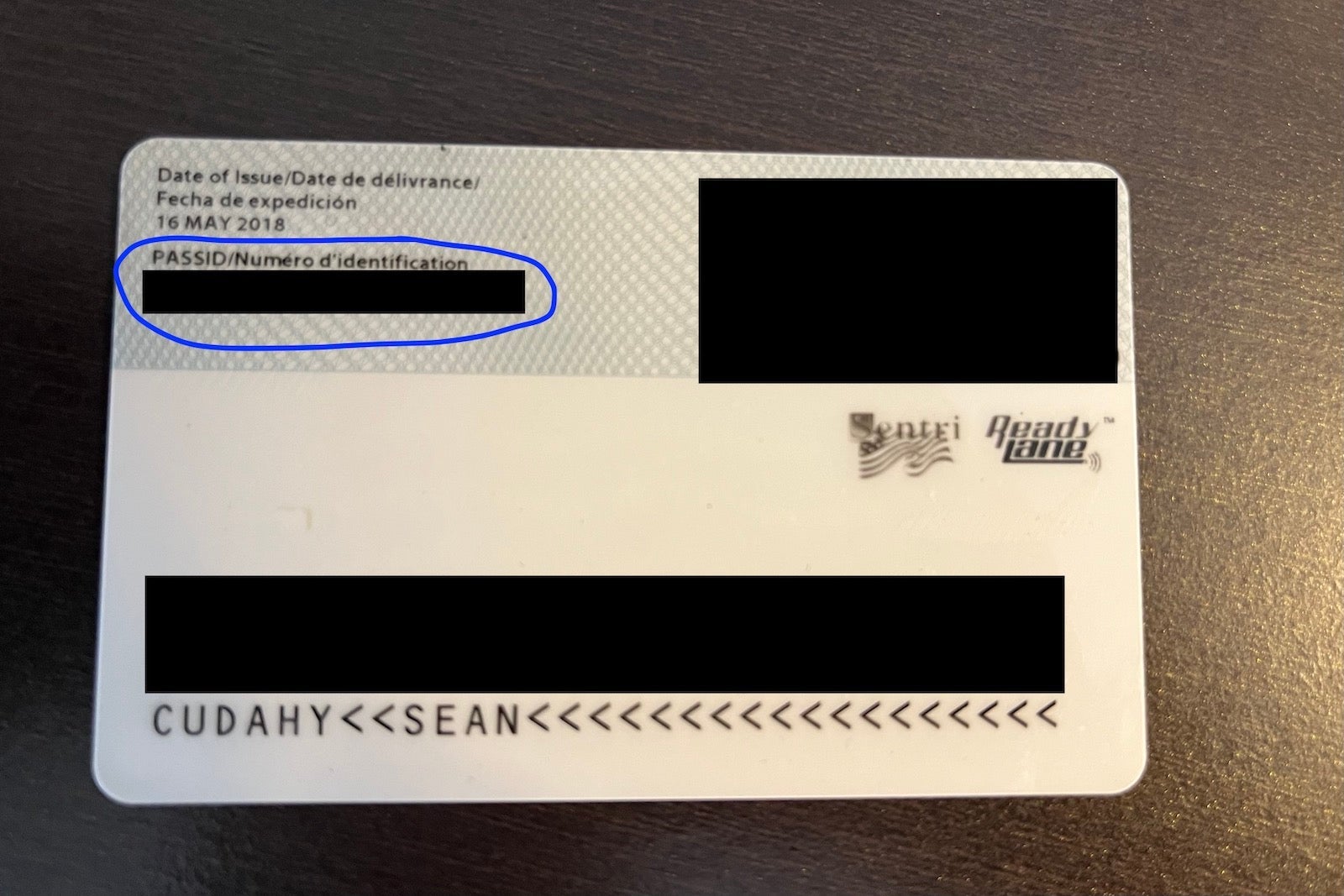
The KTN Demystified: An Investment in Travel Efficiency
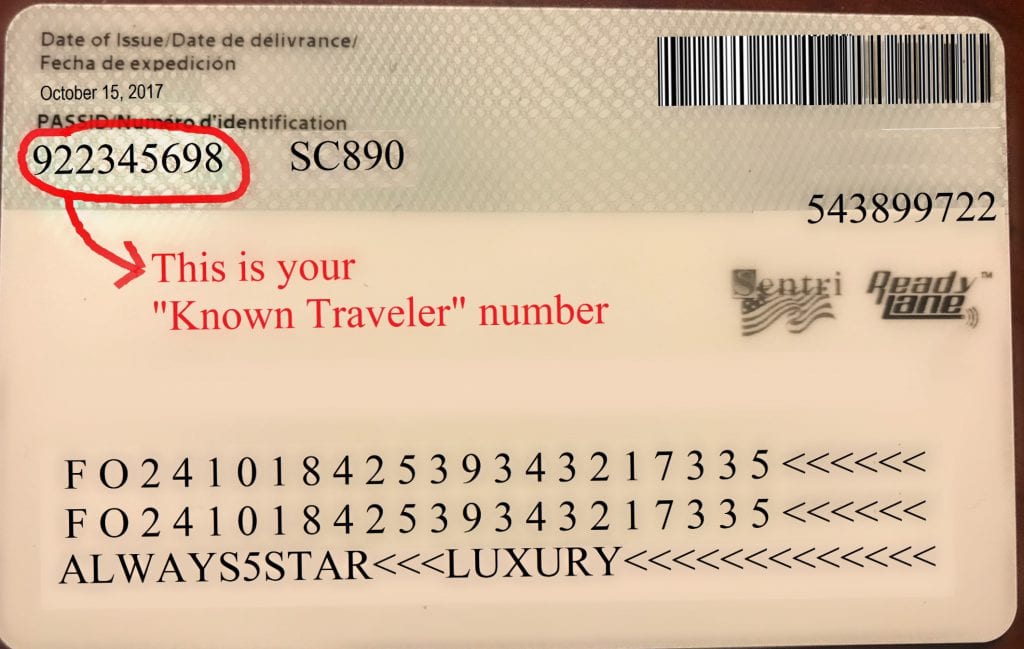
At its core, a Known Traveler Number is a unique nine-digit code assigned to individuals who have successfully enrolled in trusted traveler programs offered by the U.S. Department of Homeland Security, primarily TSA PreCheck and Global Entry. Its purpose is to pre-screen travelers, allowing them to benefit from expedited security screening processes at airports. But beyond the obvious benefit of shorter lines, lies a significant financial advantage that warrants closer examination.
What is a Known Traveler Number (KTN)? A Financial Perspective
A KTN isn’t merely a number; it’s a digital key to optimized travel. For a one-time application fee (currently $78 for TSA PreCheck for five years, or $100 for Global Entry for five years), travelers gain access to a system designed to save precious minutes, even hours, on each trip. From a personal finance standpoint, this fee should not be viewed as an expense but rather as a modest investment. Like any savvy financial decision, the question isn’t just about the initial outlay, but the return on investment (ROI) it generates over its validity period. This ROI materializes in various forms: direct time savings, reduced stress-related costs, and enhanced productivity, all of which have tangible financial equivalents.
KTN as a Time-Saving Asset: Quantifying the Value of Minutes
The most immediate and quantifiable financial benefit of a KTN is the time it saves. Waiting in long security lines is not just tedious; it’s an economic drain. For business travelers, every minute spent in a queue is a minute not spent working, preparing for a meeting, or connecting with clients. Consider the average hourly wage or the value of billable hours for a professional. If a KTN saves an average of 30 minutes per flight (a conservative estimate, especially during peak travel times), and you travel just ten times a year, that’s five hours annually. For someone earning $50/hour, that’s $250 in saved productivity or personal time value – significantly more than the cost of the KTN itself.
For personal travel, while not directly tied to income, the value of leisure time is equally important. An extra hour to enjoy a meal, relax before a flight, or reach a destination earlier and avoid premium last-minute transport costs, contributes to a more pleasant experience and a better use of vacation funds. The KTN effectively buys you back valuable time, which, in the realm of personal finance, is an invaluable asset.
Beyond Queues: Reducing Travel Stress and its Hidden Costs
Stress, while often overlooked in financial calculations, has real economic repercussions. The anxiety associated with navigating airport security—the rush, the uncertainty, the fear of missing a flight—can lead to poor decision-making, health impacts, and even direct financial losses. Missed flights or connections due to security delays can result in costly rebooking fees, forfeited non-refundable bookings, or missed business opportunities.
A KTN mitigates this stress by providing a smoother, more predictable security experience. This reduced mental burden allows travelers to be more focused, relaxed, and ultimately, more productive or more capable of enjoying their personal travel. The financial benefit here is harder to pinpoint numerically but is significant nonetheless. It translates into fewer impulse purchases born of stress, better decision-making for business, and a more positive mental state that avoids stress-related health costs down the line. It’s an investment in peace of mind, which often translates into better financial choices and outcomes.
Strategic Spending: The Financial Benefits of TSA PreCheck and Global Entry
Choosing between TSA PreCheck and Global Entry (both of which provide a KTN) also involves a financial calculus. While TSA PreCheck focuses solely on domestic airport security, Global Entry includes all the benefits of PreCheck plus expedited customs screening for international arrivals. The decision should align with your travel patterns and associated financial priorities.
Direct Costs vs. Long-Term Savings: A Cost-Benefit Analysis
The initial application fees are straightforward: $78 for TSA PreCheck (5 years) and $100 for Global Entry (5 years). When weighed against the potential savings over five years, these costs often appear negligible. If a KTN saves you just one costly rebooking due to a missed flight, it could pay for itself several times over. If it saves you an hour of time per round trip across dozens of journeys, the hourly value of your time quickly eclipses the initial investment.
Consider a traveler who flies internationally twice a year and domestically five times a year. Global Entry, at $100 for five years, averages $20 per year. For 14 expedited security and customs experiences annually, the per-use cost drops to approximately $1.43. When you factor in the value of time saved, the avoided stress, and the reduced risk of financial penalties, the ROI becomes remarkably compelling. It’s akin to paying a small annual premium for a highly efficient “travel insurance” policy that guarantees faster transit.
Maximizing Business Travel Productivity: Time is Money
For business travelers, the axiom “time is money” is particularly acute. Every moment saved at the airport can be redirected towards work. A KTN allows professionals to spend less time in lines and more time on high-value activities: responding to emails, preparing for meetings, making calls, or simply having a moment of clarity before a critical engagement. This isn’t just about personal efficiency; it can directly impact a company’s bottom line.
A business trip is an investment for a company, and maximizing the productivity of its employees during these trips is crucial. Equipping employees with KTNs can be seen as a strategic business finance decision. It enhances their ability to perform, reduces their travel-related fatigue, and ensures they arrive at their destination ready to deliver. For self-employed individuals or small business owners, this impact is even more direct, as every minute saved translates into more billable hours or more time for business development.
Personal Travel Perks: More Time for Experiences, Less for Waiting
While not directly tied to professional income, the financial value of personal time cannot be overstated. When on vacation, travelers spend significant amounts on flights, accommodation, and experiences. Spending a considerable portion of that precious time waiting in security lines detracts from the overall value of the trip. A KTN ensures that vacation time is spent doing what it’s meant for: relaxing, exploring, and creating memories.
Financially, this translates into maximizing the utility of every dollar spent on a vacation. If you pay for an expensive resort or a premium tour, getting there smoothly and without unnecessary delays enhances the perceived value and enjoyment of those investments. It reduces the likelihood of missed connections to tours or activities, which can lead to forfeiting pre-paid expenses. In essence, a KTN helps you get more “experience” for your travel dollar, making it a wise financial choice for leisure travelers too.
Leveraging Financial Tools: Getting Your KTN for Free or Discounted
The financial appeal of a KTN becomes even stronger when considering the numerous ways to acquire it at a reduced cost, or even for free, through various financial products and programs. Savvy personal finance management can turn this smart investment into an even smarter one.
Credit Card Reimbursements: A Smart Financial Hack
One of the most popular and financially astute methods for obtaining a KTN is through credit card travel benefits. Many premium travel credit cards offer a statement credit to reimburse the application fee for TSA PreCheck or Global Entry. This perk is typically available once every four or five years, aligning perfectly with the validity period of these programs. This effectively makes the KTN “free” for cardholders who would otherwise pay the annual fee for these cards anyway for other benefits.
For individuals already utilizing such credit cards, failing to take advantage of this reimbursement is akin to leaving money on the table. It’s a prime example of how understanding and maximizing the benefits of your financial tools can lead to direct savings. Before applying for a KTN, it’s always wise to check your existing credit card portfolio to see if you’re eligible for this valuable perk.
Travel Funds and Rewards Programs: Alternative Funding Avenues
Beyond direct credit card reimbursements, other financial avenues can help cover the cost of a KTN. Some airline loyalty programs or travel portals may offer points or credits that can be redeemed towards trusted traveler program fees. While less common than credit card reimbursements, it’s worth exploring if you have a significant accumulation of travel rewards. Redeeming points for a KTN, especially if they are points that might otherwise expire or not be utilized for higher-value redemptions, can be a financially sound choice. It diversifies the utility of your rewards and invests them in a benefit that saves time and reduces stress.
Tax Implications and Business Expenses: Is Your KTN Deductible?
For certain individuals, particularly business owners, consultants, or self-employed professionals who travel extensively for work, the cost of a KTN might even be considered a legitimate business expense. While it’s crucial to consult with a tax professional for personalized advice, expenses directly related to facilitating business operations are often deductible. If the KTN demonstrably enhances productivity, saves time, and reduces travel-related costs for your business activities, it could potentially qualify.
Treating the KTN fee as a business expense further reduces its effective cost, enhancing its financial attractiveness. This requires meticulous record-keeping and a clear justification for its business utility, but it highlights another dimension of its financial value within the broader context of business finance and tax planning.
Integrating Your KTN into a Prudent Travel Budget
A KTN is more than a standalone travel perk; it’s an integral component of a well-structured travel budget and long-term financial strategy, particularly for frequent flyers. Incorporating it into your financial planning ensures you maximize its benefits and align it with your overall fiscal goals.
Forecasting Travel Expenses with KTN in Mind
When creating a travel budget, beyond flights and accommodation, it’s essential to factor in “time costs” and “efficiency investments.” The initial KTN fee, especially if not reimbursed, should be budgeted as a small, recurring travel infrastructure cost. However, the subsequent savings in time and potential avoidance of costly delays should also be accounted for, even if as an intangible benefit that prevents future expenditures.
For business travelers, a KTN can be a line item in an expense report, justified by its contribution to productivity. For personal travelers, budgeting for a KTN ensures that the upfront cost is a conscious decision, fully understanding its role in enhancing the value of their leisure spending. It encourages a proactive approach to travel finance, rather than reactive spending on crisis management due to delays.
Long-Term Financial Planning for Frequent Travelers
For those who travel frequently, a KTN is not a one-off consideration. It’s a five-year investment that needs to be renewed. Incorporating this renewal into your long-term financial planning ensures continuous access to its benefits without last-minute scrambling or unexpected costs. Setting a reminder for renewal and checking credit card benefits in advance allows for seamless transitions and continued financial advantage.
Furthermore, consider the compounded savings over decades of travel. The cumulative time saved, the avoidance of stress, and the prevention of financially detrimental travel mishaps can amount to significant financial and emotional benefits over a lifetime of frequent travel. This perspective elevates the KTN from a mere convenience to a fundamental element of a financially optimized travel lifestyle.

The Intangible ROI: Peace of Mind and Reduced Financial Risk
Ultimately, the KTN offers an intangible yet powerful return on investment: peace of mind. Knowing that you have an expedited path through security reduces anxiety, especially when dealing with tight connections or unexpected delays. This peace of mind translates into better mental health, reduced stress-related illness, and an overall more positive travel experience.
From a financial risk management standpoint, a KTN acts as a buffer against unforeseen circumstances. The likelihood of missing a flight, and incurring the associated rebooking fees and logistical nightmares, is significantly reduced. This reduction in financial risk, while not easily calculable, is a real and valuable benefit, protecting your travel budget from unexpected drains. In the grand scheme of personal finance, mitigating risks is just as important as generating returns, and a KTN plays a crucial role in mitigating travel-related financial risks.
In conclusion, the Known Traveler Number, accessible through programs like TSA PreCheck and Global Entry, is far more than a simple travel amenity. It is a potent financial tool that offers a compelling return on investment through time savings, enhanced productivity, stress reduction, and access to valuable credit card benefits. By strategically incorporating a KTN into your personal and business finance planning, you can transform your travel experience into a more efficient, less stressful, and ultimately, more financially rewarding endeavor.
aViewFromTheCave is a participant in the Amazon Services LLC Associates Program, an affiliate advertising program designed to provide a means for sites to earn advertising fees by advertising and linking to Amazon.com. Amazon, the Amazon logo, AmazonSupply, and the AmazonSupply logo are trademarks of Amazon.com, Inc. or its affiliates. As an Amazon Associate we earn affiliate commissions from qualifying purchases.