
In the realm of global recognition, few entities possess the brand equity of Yosemite National Park. While most view it through the lens of geological wonder or environmental conservation, from a strategic perspective, Yosemite is one of the most successful “heritage brands” in history. It represents a masterclass in brand strategy, visual storytelling, and experiential marketing. For brand strategists, marketing executives, and creative directors, Yosemite offers profound lessons in how a physical location can transcend its geography to become a global symbol of aspiration, quality, and enduring values.

To understand what Yosemite is truly known for, one must look past the granite monoliths and toward the sophisticated branding mechanisms that have kept it at the forefront of the public consciousness for over 150 years.
The Architecture of a Global Landmark: Yosemite as a Heritage Brand
The most successful brands in the world—names like Leica, Hermès, or Porsche—rely on a sense of timelessness and heritage. Yosemite National Park operates on a similar level of “Institutional Brand Identity.” It is not merely a park; it is a repository of the American outdoor ethos. Its brand architecture is built upon three distinct pillars: visual grandeur, historical narrative, and the “premium” nature of its scarcity.
The Power of Visual Storytelling and Ansel Adams
The Yosemite brand was not built solely by the National Park Service; it was curated by visionary “content creators” long before the term existed. Ansel Adams, arguably the most important brand ambassador in the park’s history, defined Yosemite’s visual language. His black-and-white photography did more than document the landscape; it established a high-contrast, epic aesthetic that became the park’s official “style guide.”
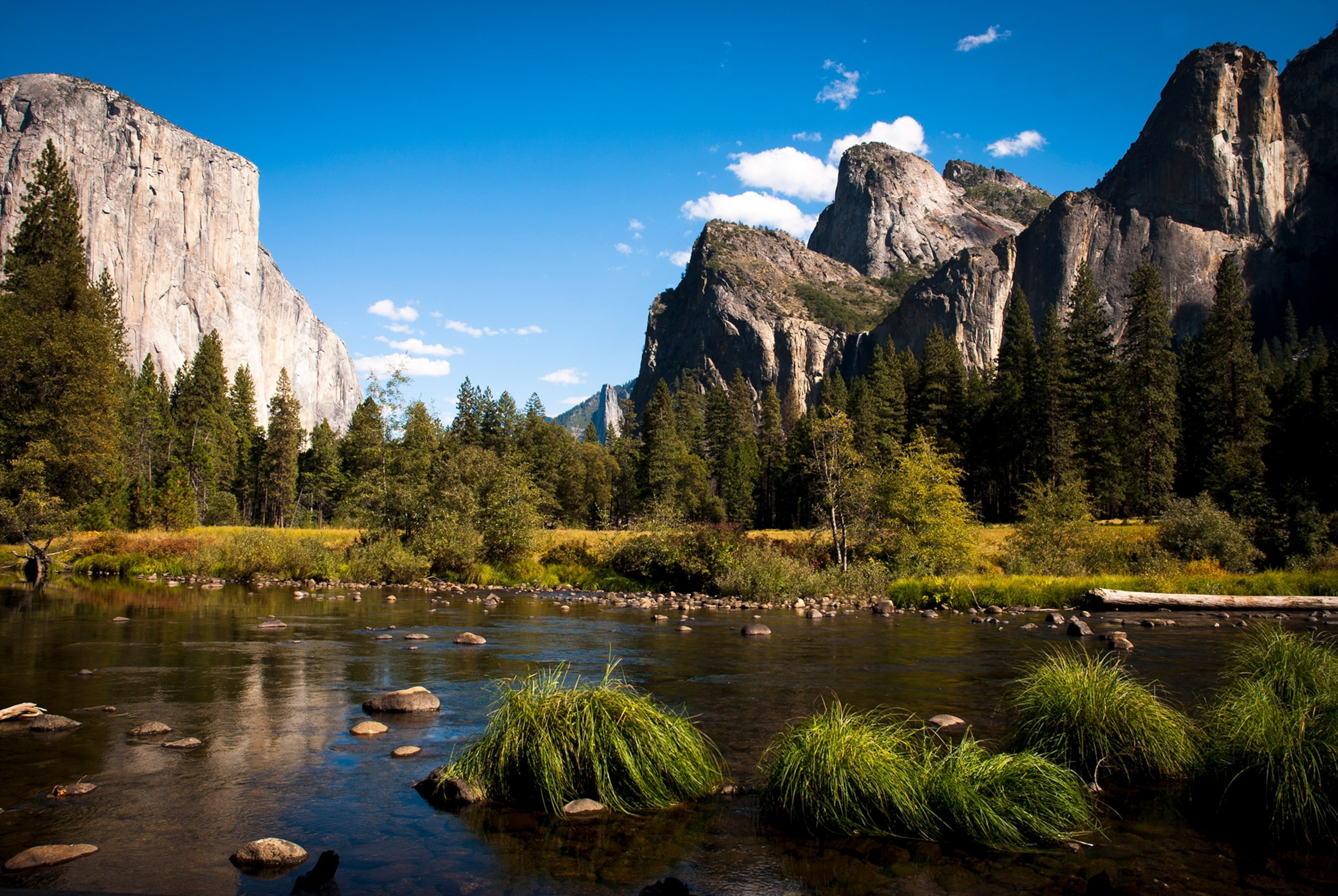
When people think of Yosemite, they are often thinking of an Ansel Adams photograph. This consistency in visual representation—focusing on the dramatic interplay of light on Half Dome and El Capitan—created a recognizable brand asset that is instantly identifiable across the globe. For modern brands, this underscores the importance of a singular, powerful visual identity that remains consistent over decades.
Consistency in Conservation and Stewardship
A brand is a promise kept. Yosemite’s brand promise is the preservation of “the wild.” The National Park Service (NPS) maintains this through rigorous brand standards, including the iconic arrowhead logo and the specific “National Park” typography that evokes a sense of authority and nostalgia. This consistency extends to the physical experience: the rustic architecture of the Ahwahnee Hotel, the specific shades of “Park Service Green” used on signage, and the uniform of the park rangers. This total immersion in a brand environment is something corporate entities strive for in their flagship retail locations.
Brand Association: Why Silicon Valley and Global Tech Mimic Yosemite’s Aesthetic
Perhaps the greatest testament to Yosemite’s brand power is how other multi-billion-dollar entities seek to borrow its “halo effect.” In the world of marketing, brand association is a tool used to transfer the positive attributes of one entity to another. Yosemite’s reputation for stability, grandeur, and “the ultimate peak” makes it a prime target for these associations.
The Apple Connection: macOS Yosemite
In 2014, Apple Inc. made a strategic shift in its software branding, moving away from big cats to California landmarks. The selection of “Yosemite” for macOS 10.10 was a calculated move. Apple sought to align its operating system with the attributes of the park: beauty, power, and a sense of “premium” natural engineering. By using high-resolution imagery of El Capitan as the default wallpaper for millions of users, Apple solidified Yosemite’s status as a digital status symbol.
This partnership (whether formal or informal) illustrates the concept of “geographic branding.” Apple realized that by associating their tech with Yosemite, they could communicate a message of “natural intuitive power” without saying a word.
Outdoor Retailers and the “Yosemite Effect”
Brands like The North Face, Patagonia, and Columbia have built their entire corporate identities around the “Yosemite lifestyle.” The North Face logo itself is a stylized representation of Half Dome. This is not merely a tribute; it is a strategic alignment with the “pioneer” and “expert” archetypes. By placing their products within the Yosemite narrative, these brands claim a share of the park’s credibility. If a jacket is designed for the conditions of Yosemite, it is perceived as high-performance. This is a classic case study in how a location becomes a benchmark for quality and durability in the consumer mind.
Marketing the Great Outdoors: How Yosemite Manages Global Perception
Marketing a destination that receives millions of visitors annually requires a delicate balance between “demand generation” and “capacity management.” Yosemite’s marketing strategy has shifted from attracting more people to managing the “exclusivity” of the experience.
Managing Scarcity as a Brand Strategy
In the luxury world, scarcity increases value. Yosemite has inadvertently (and sometimes intentionally) adopted this strategy. The implementation of reservation systems and the high demand for backcountry permits have turned a visit to Yosemite into a high-value, exclusive experience. From a brand management perspective, this “limited availability” creates a cycle of desire.
When a brand—whether it’s a national park or a limited-edition sneaker—is difficult to access, its perceived value skyrockets. Yosemite is known for being a “bucket list” destination, a term that essentially describes a high-equity brand that consumers are willing to wait years to experience.
Digital Presence and Social Media Influence
Yosemite’s digital marketing strategy leverages user-generated content (UGC) more effectively than almost any other natural brand. The “Firefall” phenomenon at Horsetail Fall is a perfect example of viral marketing. By allowing a natural event to become a social media sensation, the park benefits from millions of dollars in earned media. The park’s official social media channels maintain a “sophisticated educator” persona, balancing awe-inspiring imagery with technical information about geology and safety. This builds a community of “brand advocates” who feel a personal connection to the park, ensuring long-term loyalty.
The Economic Value of a Natural Brand: Beyond Tourism
The “Yosemite” name is a powerful economic engine. Its brand equity translates into real-world financial impact, not just for the park itself, but for the entire ecosystem of businesses that surround it.
Brand Equity in Conservation
The Yosemite brand is a primary driver for philanthropic investment. The Yosemite Conservancy, the park’s non-profit partner, utilizes the park’s prestige to raise tens of millions of dollars for restoration projects. Donors are not just giving to a park; they are “investing” in the Yosemite brand. This is a form of Corporate Social Responsibility (CSR) that appeals to high-net-worth individuals and corporations who want their names associated with one of the world’s most respected “natural assets.”
Strategic Partnerships and Corporate Social Responsibility
Yosemite engages in strategic corporate partnerships that are carefully vetted to ensure brand alignment. For instance, partnerships with automotive brands like Subaru for “Zero Landfill” initiatives or tech companies for trail mapping software allow these corporations to benefit from Yosemite’s “green” credentials. For Yosemite, these partnerships provide the capital and technology needed to maintain its infrastructure. It is a symbiotic relationship where the “Yosemite” brand acts as a certification of environmental excellence for the participating companies.

The Legacy of a Multi-Generational Brand
Ultimately, Yosemite National Park is known for its ability to maintain its brand relevance across generations. In an era where brands rise and fall in the span of a decade, Yosemite has remained a constant. It has successfully navigated the transition from the era of print and black-and-white film to the era of 4K drone footage and social media algorithms without losing its core identity.
Yosemite’s brand is built on the “Hero’s Journey.” Whether you are an elite climber tackling the Dawn Wall or a family taking their first trip to the Valley, the park positions itself as the stage for human achievement and reflection. It is an “Aspirational Brand” in its purest form—a place that represents the best of the natural world and the best of human efforts to protect it.
For those in the world of brand strategy and marketing, Yosemite serves as a reminder that the strongest brands are those built on a foundation of authentic values, consistent visual language, and a narrative that resonates on a deeply emotional level. Yosemite is not just a collection of trees and rocks; it is a global icon that has mastered the art of being timeless in a world of constant change.
aViewFromTheCave is a participant in the Amazon Services LLC Associates Program, an affiliate advertising program designed to provide a means for sites to earn advertising fees by advertising and linking to Amazon.com. Amazon, the Amazon logo, AmazonSupply, and the AmazonSupply logo are trademarks of Amazon.com, Inc. or its affiliates. As an Amazon Associate we earn affiliate commissions from qualifying purchases.