
The ancient Chinese philosophy of Yin and Yang, often depicted as a circular symbol with interlocking black and white halves, represents the concept of dualism. It suggests that seemingly opposite or contrary forces are interconnected, interdependent, and complementary in the natural world, and that they give rise to each other as they interrelate. More than just a mystical symbol, Yin and Yang offers a profound framework for understanding complex systems and achieving balance. In today’s dynamic world, this ancient wisdom holds remarkable relevance for navigating the intricate landscapes of technology, branding, and finance.

This article will explore how the principles of Yin and Yang can be applied to the modern realms of Tech, Brand, and Money, revealing how understanding and embracing these complementary forces can lead to greater innovation, stronger identities, and more sustainable financial success.
The Yin and Yang of Technology: Innovation and Stability
Technology, at its core, is a constant dance between the radical and the incremental, the disruptive and the evolutionary. Just as Yin and Yang are inseparable, so too are the forces that drive technological advancement.
The “Yang” of Technological Disruption: The Drive for the New
The “Yang” in technology represents the outward, active, and expansive forces. This is the realm of innovation, disruption, and the relentless pursuit of the “next big thing.” It’s characterized by:
- Cutting-Edge Trends: Think of the rapid evolution of artificial intelligence (AI), the metaverse, quantum computing, and advanced robotics. These are the bright, shining examples of technological yang, pushing boundaries and redefining what’s possible.
- Disruptive Software and AI Tools: The constant emergence of new software applications, AI tools, and platforms that promise to revolutionize industries. These are the catalysts for change, offering novel solutions and challenging established norms.
- The Latest Gadgets: The allure of new smartphones, smart home devices, wearables, and other gadgets that promise enhanced functionality and convenience. These are the tangible manifestations of technological yang, capturing our attention and driving consumer demand.
- Rapid Development Cycles: The agile methodologies, fast-paced prototyping, and iterative development that characterize modern software engineering. This is the energy of yang in action, constantly building and refining.
This yang energy is essential for progress. It fuels our curiosity, drives investment in research and development, and ultimately leads to solutions that can improve our lives and societies. Without the yang, technology would stagnate, becoming predictable and ultimately irrelevant.
The “Yin” of Technological Evolution: The Foundation of Reliability
While the yang of innovation grabs headlines, the “Yin” provides the essential grounding and stability that allows innovation to flourish and be adopted. Yin represents the inward, passive, receptive, and nurturing forces. In technology, this translates to:
- Robust Software Architectures and Infrastructure: The solid, often invisible, foundations upon which new technologies are built. This includes reliable cloud infrastructure, well-engineered operating systems, and secure network protocols. These are the stable underpinnings that allow the flashy yang to function.
- Digital Security and Privacy: The constant, diligent work of protecting systems and data from threats. This is a vital, often overlooked, yin aspect, ensuring trust and enabling the widespread adoption of digital services. Without security, the yang of new tech becomes vulnerable and potentially harmful.
- The Power of Established Platforms: While new platforms emerge, the enduring strength of existing operating systems, popular applications, and well-understood programming languages provides a stable ecosystem for development and use. These are the established currents that new yang elements flow into.
- User-Centric Design and Usability: The meticulous attention to detail in creating intuitive interfaces and seamless user experiences. This is the receptive aspect of technology, focusing on how users interact with and benefit from it. A brilliant piece of yang technology that is impossible to use will fail.
- Maintenance and Optimization: The ongoing work of updating software, patching vulnerabilities, and optimizing performance. This is the nurturing aspect, ensuring that technology remains functional, efficient, and relevant over time.
The Interdependence: The true brilliance of technological evolution lies in the symbiotic relationship between Yin and Yang. Disruptive AI tools (Yang) become truly impactful when integrated into reliable software architectures with robust security measures (Yin). The release of a groundbreaking new gadget (Yang) relies on the established infrastructure of wireless networks and app stores (Yin) for its success. Tutorials and reviews (which can be seen as both Yin – providing guidance – and Yang – introducing new possibilities) help bridge the gap, explaining the complex yang in an accessible, yin-like manner.
Achieving Balance: The challenge for tech companies and individuals alike is to foster both innovation and stability. This means investing in R&D while also prioritizing security and user experience. It means embracing new trends while ensuring the longevity and reliability of existing systems. A balanced approach allows for sustainable growth, where new ideas can be built upon a strong foundation, and users can trust and benefit from technological advancements.
The Yin and Yang of Branding: Identity and Connection
Branding, in its essence, is about creating a unique identity and forging connections with an audience. Like Yin and Yang, these two aspects are inseparable and mutually reinforcing.
The “Yang” of Brand Identity: Distinction and Expression
The “Yang” in branding is about standing out, making a statement, and actively projecting an image. It’s the outward-facing, energetic aspect that defines who a brand is and what it represents. This includes:

- Bold Brand Strategies: The deliberate and assertive planning of a brand’s positioning, target audience, and overall market approach. This is the active creation of a distinct presence.
- Striking Corporate Identity and Design: The visual elements that immediately convey a brand’s personality – logos, color palettes, typography, and imagery. These are the bold strokes that define a brand’s outward appearance.
- Impactful Marketing Campaigns: The active efforts to reach and engage consumers, using various channels to communicate a brand’s message and value proposition. This is the dynamic projection of the brand into the world.
- Narrative and Storytelling: Crafting compelling stories that define the brand’s purpose, history, and aspirations. This is the active sharing of a brand’s essence.
This yang energy is crucial for a brand to be noticed in a crowded marketplace. It’s what captures attention, creates initial interest, and differentiates a brand from its competitors. Without a strong, expressive yang, a brand risks fading into obscurity.
The “Yin” of Brand Connection: Resonance and Trust
While the yang makes a brand visible, the “Yin” is what makes it memorable and fosters genuine relationships. Yin in branding is about receptivity, understanding, and building deep-seated trust. This involves:
- Understanding the Audience: Deeply listening to and comprehending the needs, desires, and values of the target market. This is the receptive element, seeking to understand before being understood.
- Authentic Personal Branding: For individuals, this is about aligning one’s outward presentation with their true self, fostering genuine connections rather than manufactured personas. This receptivity allows for authentic engagement.
- Reputation Management and Building Trust: Consistently delivering on promises, handling criticism with grace, and fostering a sense of reliability and integrity. This is the nurturing and protective aspect of brand building.
- Customer Service and Community Engagement: Creating spaces for dialogue, actively responding to feedback, and fostering a sense of belonging among customers. This is about being present and responsive.
- Subtle Brand Nuances and Consistency: The underlying values, the consistent tone of voice, and the attention to detail that create a cohesive and trustworthy brand experience. These are the subtle undercurrents that build lasting impressions.
The Interdependence: A brand cannot succeed by relying solely on a bold yang or a passive yin. A visually striking logo (Yang) is meaningless without a trustworthy reputation and consistent customer experience (Yin). Similarly, a brand that is only focused on listening and being receptive without clearly articulating its value proposition (Yang) will struggle to attract attention. Case studies showcasing successful customer interactions or a strong brand strategy that emphasizes both distinctiveness and customer empathy highlight this crucial balance.
Achieving Balance: The most successful brands understand that identity and connection are two sides of the same coin. They actively project a clear and compelling identity (Yang) while simultaneously dedicating resources to understanding and serving their audience (Yin). This leads to not just customers, but loyal advocates who feel a genuine connection to the brand. It’s about finding the sweet spot where a brand is both distinctively itself and deeply resonant with the hearts and minds of its audience.
The Yin and Yang of Money: Growth and Security
The world of finance, whether personal or corporate, is a continuous interplay between the drive for growth and the fundamental need for security. Understanding this duality is key to navigating financial markets and achieving long-term prosperity.
The “Yang” of Financial Accumulation: The Drive for Growth
The “Yang” in finance is the active, outward-seeking force focused on increasing wealth and achieving financial goals. This is where ambition and strategic action lead to tangible gains. It encompasses:
- Investing for Growth: The proactive allocation of capital into assets with the potential for appreciation, such as stocks, real estate, or venture capital. This is the outward investment of resources in pursuit of greater returns.
- Online Income Streams and Side Hustles: Actively pursuing new avenues for earning money, whether through freelancing, e-commerce, or digital content creation. This is about generating new revenue streams.
- Business Expansion and Innovation: Investing in new products, markets, or technologies to drive revenue growth and increase market share. This is the outward-looking strategy for business development.
- Entrepreneurial Spirit: The drive to take risks, identify opportunities, and build ventures with the aim of significant financial reward. This is the energetic pursuit of financial success.
This yang energy is essential for wealth creation. It’s what propels individuals and businesses forward, enabling them to capitalize on opportunities and achieve their financial aspirations. Without this drive, financial stagnation is inevitable.
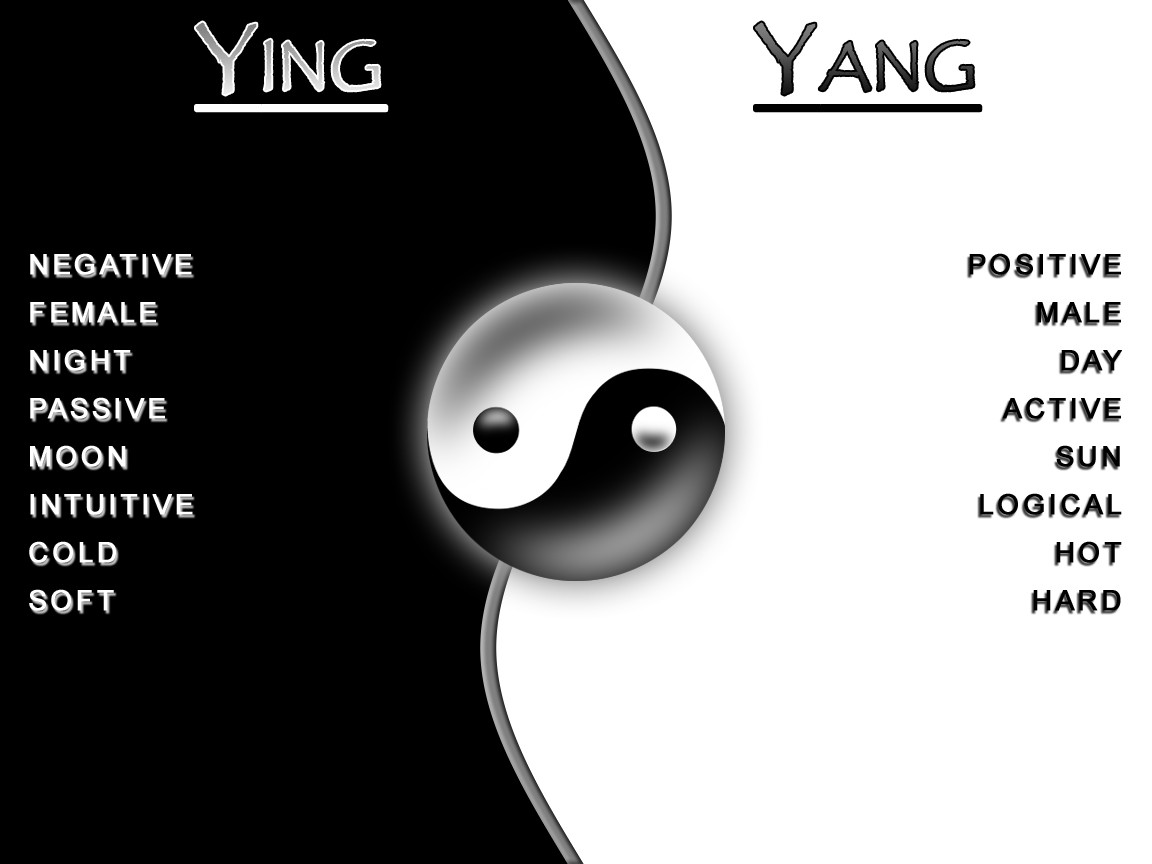
The “Yin” of Financial Security: The Foundation of Stability
While the yang of growth is exciting, the “Yin” of finance provides the essential stability and resilience that protects accumulated wealth and ensures long-term well-being. Yin in finance is about preservation, prudence, and mitigating risk. This includes:
- Personal Finance Management: The disciplined budgeting, saving, and careful spending habits that form the bedrock of financial health. This is the inward focus on managing resources effectively.
- Risk Management and Diversification: Spreading investments across different asset classes to reduce exposure to any single market downturn. This is the protective and stabilizing force.
- Emergency Funds and Savings: Building a financial cushion to weather unexpected expenses or economic downturns. This is the nurturing aspect, providing a safety net.
- Insurance and Financial Planning: Proactively protecting against unforeseen events and planning for future needs. This is the responsible and forward-thinking approach.
- Understanding Financial Tools and Literacy: Gaining a deep understanding of how financial instruments work and how to use them wisely. This is the receptive aspect, absorbing knowledge to make informed decisions.
The Interdependence: The most successful financial strategies recognize that growth and security are not mutually exclusive; they are interdependent. Aggressively chasing high returns without adequate risk management (Yin) can lead to devastating losses. Conversely, overly cautious saving without any investment (Yang) can result in wealth being eroded by inflation. Financial tools can be designed to support both growth and security – for example, diversified investment portfolios managed by intelligent financial software.
Achieving Balance: The ultimate goal in finance is to achieve a sustainable balance between pursuing opportunities for growth and maintaining a strong foundation of security. This involves making calculated risks, understanding your risk tolerance, and developing a comprehensive financial plan that accounts for both short-term needs and long-term goals. It’s about intelligently leveraging the yang to build wealth while diligently employing the yin to protect what you’ve built, ensuring peace of mind and enduring prosperity.
In conclusion, the ancient wisdom of Yin and Yang offers a timeless and invaluable lens through which to view the complexities of our modern world. By understanding and consciously applying the principles of balancing complementary opposites, we can navigate the ever-evolving landscapes of technology, build stronger and more resonant brands, and achieve greater financial success and security. The pursuit of balance is not a static destination, but a dynamic and ongoing process, essential for thriving in any domain.
aViewFromTheCave is a participant in the Amazon Services LLC Associates Program, an affiliate advertising program designed to provide a means for sites to earn advertising fees by advertising and linking to Amazon.com. Amazon, the Amazon logo, AmazonSupply, and the AmazonSupply logo are trademarks of Amazon.com, Inc. or its affiliates. As an Amazon Associate we earn affiliate commissions from qualifying purchases.