
Understanding XRP in the Digital Economy
XRP stands as a distinctive digital asset within the expansive cryptocurrency landscape, primarily engineered for utility in global payment and remittance systems. Unlike many cryptocurrencies that emerged with a focus on decentralized digital cash or smart contract platforms, XRP was designed with a specific financial challenge in mind: the inefficiency of traditional cross-border payments. Its development is spearheaded by Ripple, a company that provides blockchain-based payment solutions for financial institutions.
XRP as a Digital Asset
At its core, XRP is a cryptocurrency, a form of digital currency secured by cryptography and operating independently of a central bank. However, its design and intended application diverge significantly from general-purpose cryptocurrencies like Bitcoin or Ethereum. XRP is pre-mined, meaning all 100 billion tokens were created at its inception. A significant portion of these tokens is held in escrow by Ripple, released systematically to fund operations and manage market supply. This controlled distribution mechanism sets it apart from proof-of-work or proof-of-stake cryptocurrencies where new tokens are continually generated through mining or staking.
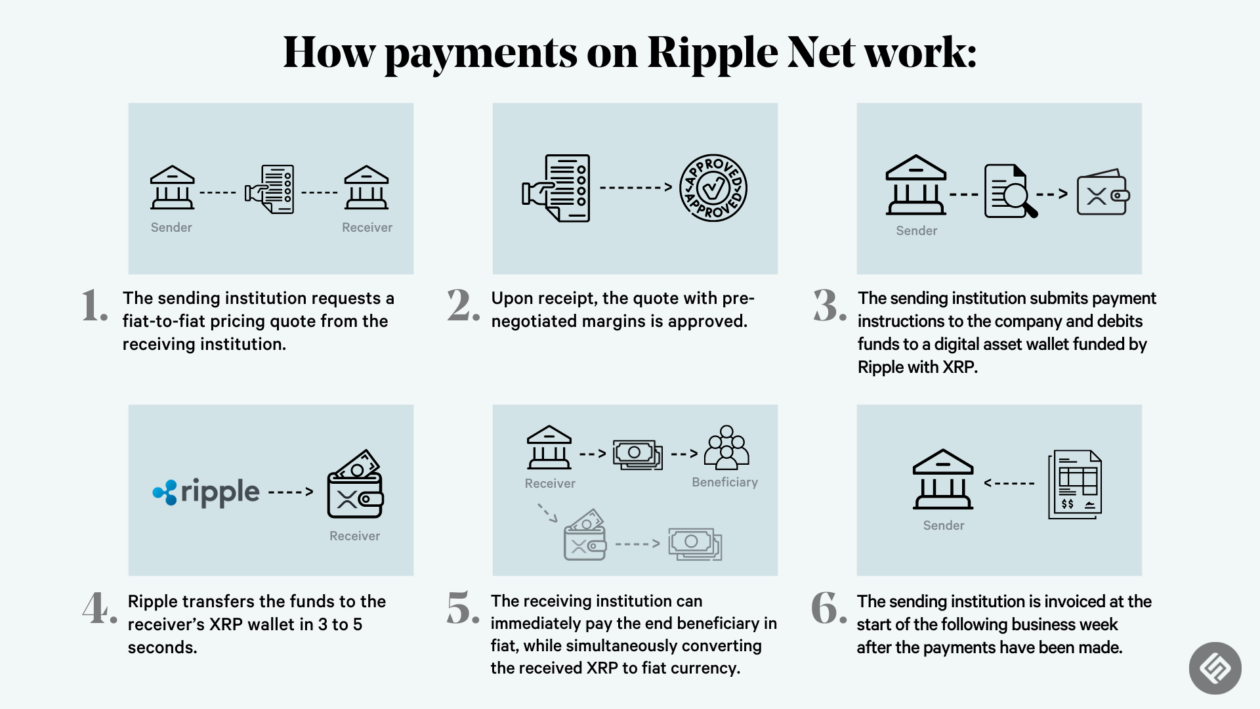
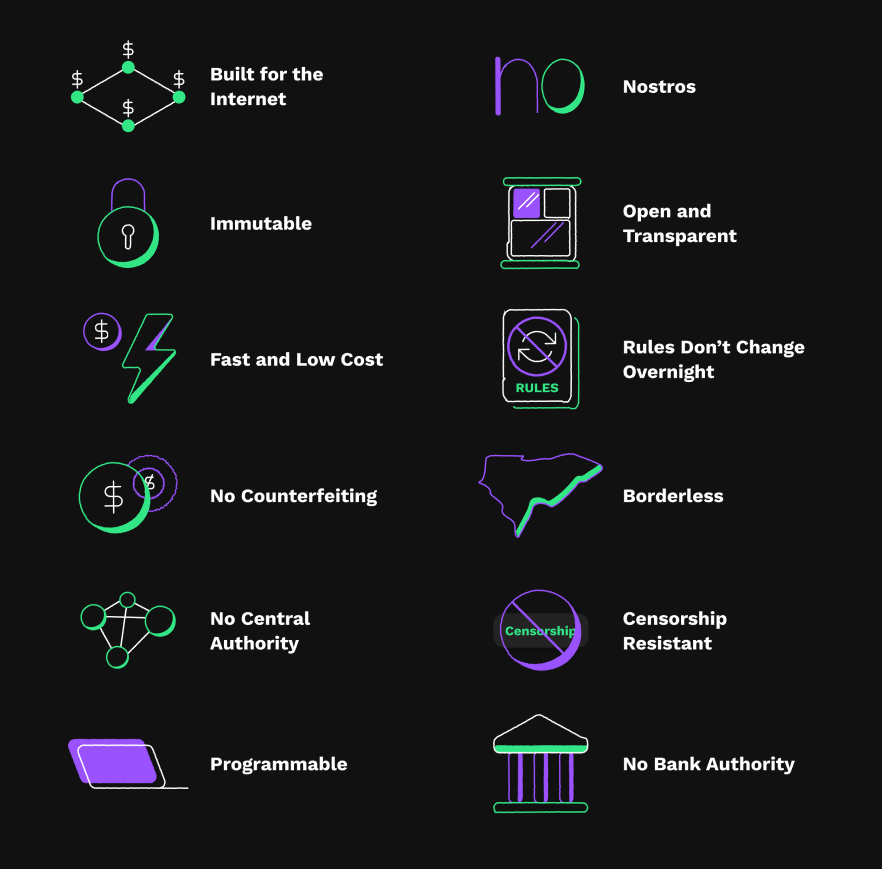
The value proposition of XRP is rooted in its ability to facilitate ultra-fast, low-cost international transactions. It functions as an intermediary exchange mechanism, allowing disparate fiat currencies or other digital assets to be swapped almost instantaneously without the need for pre-funded nostro/vostro accounts typically required in traditional banking. For investors, XRP represents a speculative asset whose value is tied to its adoption and utility within Ripple’s payment ecosystem, and broader market sentiment towards digital assets. Its price is subject to supply and demand dynamics, regulatory news, and overall cryptocurrency market trends, making it an investment with inherent volatility.
The Problem XRP Aims to Solve
Traditional international payment systems, often reliant on SWIFT and correspondent banking networks, are notoriously slow, expensive, and opaque. Transactions can take days to settle, incur multiple fees from various intermediary banks, and often lack real-time tracking capabilities. This inefficiency particularly impacts businesses engaged in global trade, financial institutions managing international liquidity, and individuals sending remittances abroad.
These systems require banks to hold significant amounts of pre-funded capital in foreign currencies (nostro accounts) to facilitate cross-border payments. This ties up capital, limits liquidity, and exposes institutions to foreign exchange risks. XRP and the underlying XRP Ledger (XRPL) aim to disintermediate this complex network by providing a direct, real-time settlement layer for value transfer. By acting as a universal bridge currency, XRP can eliminate the need for these pre-funded accounts, freeing up capital and drastically reducing the time and cost associated with international money movement.
The Mechanics of the XRP Ledger
The XRP Ledger (XRPL) is the open-source, decentralized blockchain technology that underpins XRP. It is a public ledger that records all transactions involving XRP and other assets issued on the ledger. While often associated with Ripple, the XRPL itself is distinct from the company, maintained by a global network of independent validators.
Consensus Mechanism Explained
Unlike Bitcoin’s energy-intensive Proof-of-Work (PoW) or Ethereum’s Proof-of-Stake (PoS), the XRPL utilizes a unique consensus mechanism known as the XRP Ledger Consensus Protocol. This protocol allows a network of designated validating servers (UNL – Unique Node List) to agree on the order and validity of transactions without relying on all network nodes to verify every transaction. Each validator maintains its own list of trusted validators. When a transaction is submitted, it is proposed to the network, and if a supermajority (typically 80%) of the trusted validators agree on the transaction’s validity and order within a few seconds, it is confirmed and added to the ledger.
This mechanism is designed for speed and efficiency. Because not all nodes need to participate in every consensus round, and the validation process is streamlined, the XRPL can process transactions much faster than many other blockchain networks. This quick finality is crucial for its intended application in real-time gross settlement systems for financial institutions.
Transaction Speed and Cost Efficiency
The primary operational advantage of the XRPL is its remarkable speed and low transaction costs. Transactions on the XRPL typically settle in 3-5 seconds, a stark contrast to the minutes or hours often required by other cryptocurrencies and the days common in traditional banking rails. This near-instantaneous settlement makes it highly suitable for high-volume financial applications.
Furthermore, transaction fees on the XRPL are exceptionally low, often fractions of a cent. These fees are burned (destroyed), effectively removing XRP from circulation, which acts as a minor deflationary mechanism. The low transaction cost ensures that even micro-payments and frequent transfers remain economically viable, further enhancing its utility for cross-border payments where cumulative fees can significantly erode transfer value. This combination of speed and low cost presents a compelling financial argument for its adoption by businesses and financial institutions looking to optimize their treasury and payment operations.
XRP’s Role as a Bridge Currency
XRP’s most pivotal function in the financial ecosystem is its role as a “bridge currency.” Imagine two parties in different countries wanting to exchange value using different fiat currencies—say, Japanese Yen (JPY) and Mexican Pesos (MXN). Traditionally, this would involve multiple currency conversions and corresponding banking relationships.
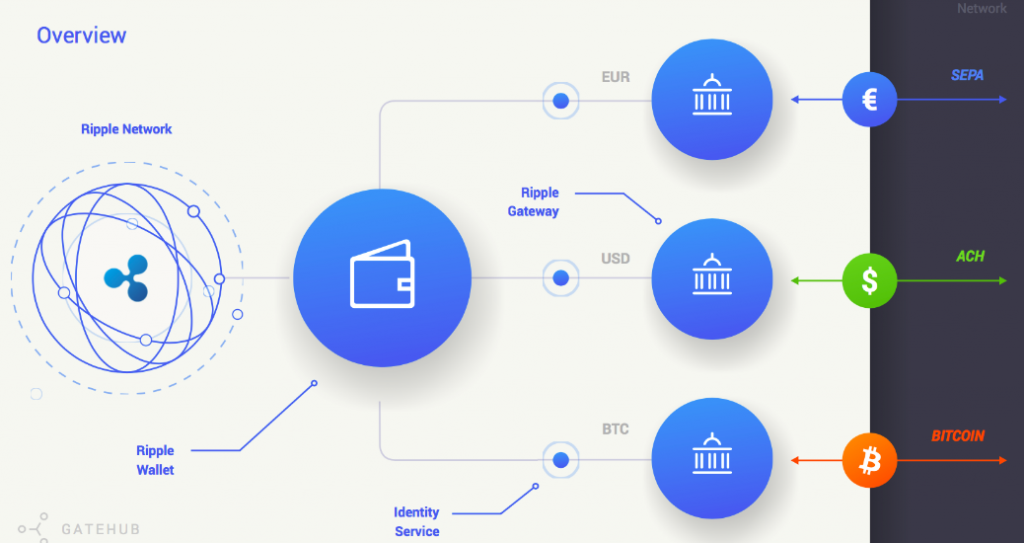
With XRP, the process can be streamlined. A financial institution needing to send MXN to Japan could convert JPY into XRP on a digital exchange, send the XRP across the XRPL in seconds, and then the recipient’s institution in Mexico could convert the XRP back into MXN. XRP acts as an intermediary asset that is highly liquid and universally accessible, eliminating the need for direct JPY-MXN liquidity pools or pre-funded MXN accounts in Japan. This effectively “bridges” the liquidity gap between disparate currencies and payment corridors, significantly reducing both cost and time while improving liquidity management for financial institutions.
XRP’s Applications in Financial Services
The practical applications of XRP are heavily concentrated within the financial services industry, where its inherent properties offer solutions to long-standing inefficiencies. Ripple, the company, develops specific products that leverage XRP and the XRPL to serve these use cases.
Cross-Border Payments and Remittances
The most direct and widely touted application of XRP is in facilitating cross-border payments and remittances. For individuals sending money to family abroad, or businesses paying international suppliers, the speed and low cost of XRP-powered transfers can be transformative. Traditional remittance services often charge high fees and offer unfavorable exchange rates, especially for smaller amounts. XRP can dramatically reduce these costs, ensuring more money reaches its intended recipient.
For financial institutions, integrating with Ripple’s solutions that utilize XRP allows them to offer more competitive international transfer services, attracting new customers and improving profitability. They can process payments 24/7, without banking hours restrictions, and provide real-time tracking, enhancing transparency for their clients.
On-Demand Liquidity (ODL)
On-Demand Liquidity (ODL), formerly known as xRapid, is Ripple’s product that specifically leverages XRP as a bridge currency for cross-border payments. ODL allows financial institutions to send money internationally without having to pre-fund accounts in destination currencies. Instead, they can use XRP to source liquidity on demand.
Here’s how it works: a financial institution with funds in one fiat currency (e.g., USD) sends a payment to a corridor where it needs to be received in another fiat currency (e.g., EUR). The USD is instantaneously converted into XRP on an exchange, the XRP is sent over the XRPL, and almost immediately converted into EUR at the receiving end. This process takes mere seconds, vastly accelerating settlement and reducing working capital requirements. By enabling real-time conversion and settlement, ODL drastically lowers the operational costs and foreign exchange risks associated with international payments, liberating capital that would otherwise be tied up in various nostro accounts.
Potential for Institutional Adoption
The value proposition of XRP and the XRPL extends beyond just speed and cost. For institutional players, the robust security, scalability, and transparency of a decentralized ledger system are attractive. Central banks and commercial banks are increasingly exploring digital assets and blockchain technology for various applications, including central bank digital currencies (CBDCs) and interbank settlements.
While XRP itself is not a CBDC, the underlying technology of the XRPL could serve as a foundational layer or a complementary system for future digital currency initiatives. Ripple continues to form partnerships with banks, payment providers, and other financial institutions globally, signaling a growing interest in integrating these advanced payment solutions into mainstream finance. The focus on compliance and enterprise-grade solutions positions XRP for broader institutional acceptance as the financial world continues its digital transformation.
Investing in XRP: Considerations and Risks
As a digital asset designed for financial utility, XRP also functions as an investable asset. However, like all investments, particularly in the nascent and volatile cryptocurrency market, it comes with specific considerations and risks that potential investors must understand.
Market Volatility and Price Dynamics
The cryptocurrency market is renowned for its extreme volatility, and XRP is no exception. Its price can experience significant fluctuations over short periods, driven by factors such as market sentiment, news events, regulatory developments, technological advancements, and overall crypto market trends. While high volatility can lead to substantial gains, it also carries an equally high risk of significant losses. Investors must be prepared for this inherent unpredictability and understand that past performance is not indicative of future results. The price of XRP is also influenced by its utility and adoption rates within payment corridors; however, speculative trading often plays a larger role in its short-term price movements.
Regulatory Landscape and Legal Challenges
One of the most significant factors influencing XRP’s investment profile has been the complex and evolving regulatory landscape, particularly in the United States. In December 2020, the U.S. Securities and Exchange Commission (SEC) filed a lawsuit against Ripple, alleging that XRP was an unregistered security. This legal challenge introduced substantial uncertainty for XRP holders and significantly impacted its market value and listing on U.S. exchanges.
While a federal court ruling in 2023 provided some clarity, stating that programmatic sales of XRP on exchanges were not securities, the institutional sales were deemed securities. The ongoing legal complexities highlight the critical importance of understanding the regulatory environment surrounding digital assets. Regulatory actions can profoundly affect market access, liquidity, and the overall perception of an asset, making it a key risk factor for investors. Investors should stay informed about regulatory developments in all relevant jurisdictions, as they can have a material impact on XRP’s future.
Diversification and Risk Management
Given the inherent risks associated with cryptocurrency investments, including XRP, sound financial practice dictates a strategic approach to portfolio management. Diversification is crucial; allocating only a portion of one’s investment capital to volatile assets like XRP can help mitigate overall portfolio risk. Investors should never invest more than they can afford to lose and should ensure their investment in XRP aligns with their personal risk tolerance and financial goals.
Furthermore, conducting thorough due diligence is paramount. Understanding the technology, market demand for its utility, competitive landscape, and the financial health and strategic direction of Ripple as the primary driver of XRP’s adoption are all critical. A balanced perspective that weighs the potential for high returns against the significant risks, including market volatility and regulatory uncertainty, is essential for anyone considering an investment in XRP.
aViewFromTheCave is a participant in the Amazon Services LLC Associates Program, an affiliate advertising program designed to provide a means for sites to earn advertising fees by advertising and linking to Amazon.com. Amazon, the Amazon logo, AmazonSupply, and the AmazonSupply logo are trademarks of Amazon.com, Inc. or its affiliates. As an Amazon Associate we earn affiliate commissions from qualifying purchases.