
In an era increasingly defined by on-demand streaming and personalized digital playlists, the concept of radio might seem antiquated to some. Yet, the evolution of radio broadcasting has seen remarkable technological leaps, none more significant in the early 21st century than the advent of satellite radio. At the forefront of this revolution was XM Radio, a service that promised to transcend the geographical and qualitative limitations of traditional terrestrial FM/AM broadcasts. XM Radio wasn’t just another station; it represented a paradigm shift in how audio content was delivered and consumed, leveraging cutting-edge satellite technology to offer an unparalleled diversity of programming across an entire continent. To understand “what is XM Radio” is to delve into a fascinating chapter of technological innovation, digital broadcasting, and consumer media that profoundly reshaped the audio entertainment landscape.
The Dawn of Digital Satellite Radio: An Introduction to XM
Before the ubiquitousness of high-speed internet and mobile data, the choices for in-car and portable audio entertainment were relatively constrained. Terrestrial radio suffered from signal degradation, limited channel availability dictated by local markets, and a often repetitive programming model. Cassettes and CDs offered personal choice but lacked the dynamic, evolving nature of live broadcasts. It was into this environment that XM Radio emerged, driven by a bold vision to deliver crystal-clear, coast-to-coast digital radio with an unprecedented array of content.
Origins and the Vision of a Nationwide Broadcast
XM Satellite Radio Holdings Inc. was founded in 1992, but its commercial launch in September 2001 marked a pivotal moment. The company’s ambition was grand: to establish a nationwide digital audio broadcasting service that offered hundreds of channels of music, talk, news, sports, and entertainment, all subscription-based and free from local commercials on many channels. This vision required massive investment not only in content acquisition and curation but, more fundamentally, in a complex technological infrastructure that could overcome the inherent limitations of traditional radio. The promise was simple yet revolutionary: consistent, high-quality audio, anywhere you could see the sky.
Core Technological Premise: Beyond Terrestrial Limitations
The fundamental premise behind XM Radio was to liberate radio from ground-based transmitters. Terrestrial radio signals are line-of-sight and attenuated by terrain, buildings, and distance, leading to static, fading, and the need to constantly re-tune. XM Radio sought to bypass these issues by broadcasting its signals from space. This allowed for a truly national, seamless listening experience, where the same channel could be enjoyed with consistent quality whether one was driving across a desert or through a major metropolitan area. This was a direct assault on the constraints of FM/AM, offering a digital alternative that promised superior fidelity and unwavering reception across vast geographical expanses.
How XM Radio Works: Unpacking the Technology
At the heart of XM Radio’s groundbreaking service lay a sophisticated blend of satellite and terrestrial repeater technologies, meticulously engineered to deliver reliable, high-fidelity audio. Understanding its operation reveals the complexity and ingenuity required to build such a robust broadcasting network.
The Satellite Network: Geosynchronous Orbit and Terrestrial Repeaters
XM Radio’s primary broadcast mechanism involved two geostationary satellites, “Rock” and “Roll,” positioned in geosynchronous orbit approximately 22,300 miles (35,888 kilometers) above the equator. These satellites were designed to remain in a fixed position relative to the Earth’s surface, ensuring a constant line of sight for ground receivers. Content, encoded as digital audio, was uplinked from terrestrial broadcast centers to these satellites. From their orbital vantage point, the satellites then re-transmitted the signals across the continental United States and parts of Canada, blanketing a vast geographical area.
However, satellite signals can be obstructed by tall buildings, tunnels, and dense foliage, especially in urban canyons. To mitigate this, XM developed a network of thousands of small, ground-based terrestrial repeaters. These repeaters received the satellite signal and re-broadcasted it locally, filling in gaps where direct satellite reception was challenging or impossible. This hybrid satellite-terrestrial network was a critical innovation, ensuring robust reception even in challenging environments and differentiating XM from less resilient purely satellite-based systems.
Signal Transmission and Reception: From Space to Your Receiver
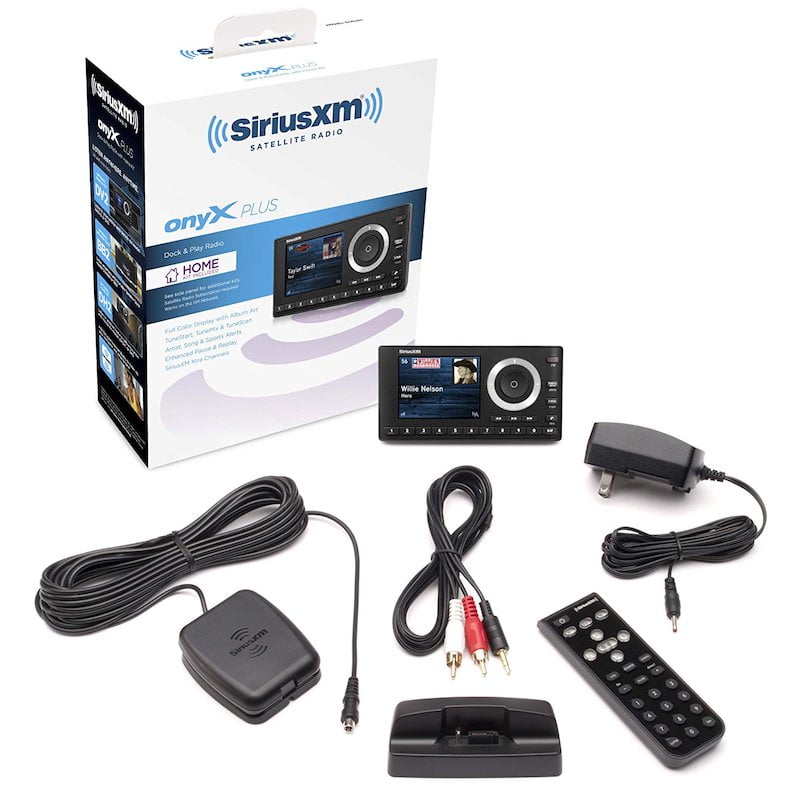
The digital audio signals transmitted by XM were highly compressed and encrypted. Upon reception by a user’s XM-enabled radio, the signal undergoes several stages. First, the receiver, equipped with a specialized antenna (often a small magnetic puck on a car roof or integrated into portable devices), captures the faint satellite or repeater signal. This raw signal is then processed by a dedicated chipset within the receiver, which demodulates, decodes, and decrypts the audio data.
The digital nature of the signal meant that, unlike analog FM/AM which degrades gracefully with distance into static, XM signals were either perfectly clear or non-existent. The receiver’s sophisticated algorithms could correct for minor signal errors, ensuring high fidelity. The processed digital audio is then converted back into an analog signal for playback through the radio’s speakers or headphones, delivering a clean, consistent sound that was a hallmark of the XM experience.
Digital Audio Compression and Quality: Balancing Bandwidth and Fidelity
To transmit hundreds of channels efficiently over satellite bandwidth, XM employed advanced digital audio compression techniques. Early on, XM utilized a proprietary codec, which was a significant improvement over the rudimentary compression used in early digital audio. This technology allowed for a higher density of channels within the available satellite spectrum while striving to maintain audio quality comparable to, or even superior to, that of FM radio. While not quite CD-quality (which typically uses uncompressed or minimally compressed formats), XM’s digital transmission offered a cleaner, more consistent sound profile than analog broadcasts, free from the static, hiss, and frequency response limitations inherent in FM/AM. The careful balance between compression efficiency and perceived audio quality was a constant engineering challenge and a key differentiator for the service.
Key Technological Features and User Experience
Beyond the core broadcasting mechanism, XM Radio distinguished itself through a suite of features and a user experience that leveraged its digital nature and vast programming capacity. These innovations offered a compelling alternative to traditional radio and set new expectations for in-car and portable audio entertainment.
Channel Diversity and Genre Specialization: A Paradigm Shift

One of XM’s most celebrated technological capabilities was its ability to offer an unprecedented number of channels. With over 100 channels at launch, and growing, XM offered a degree of genre specialization previously unheard of in broadcast radio. Instead of a single “rock” station, subscribers could choose from classic rock, alternative rock, hard rock, indie rock, and more, each curated by experts. This wasn’t just about quantity; it was about precision. The digital delivery allowed for niche programming that wouldn’t be viable on local terrestrial radio, catering to diverse tastes and fostering a sense of discovery for listeners. This vast content library was a direct result of the satellite’s broad bandwidth capacity, allowing multiple digital streams simultaneously.
Advanced Receiver Technology: Display, Features, and Portability
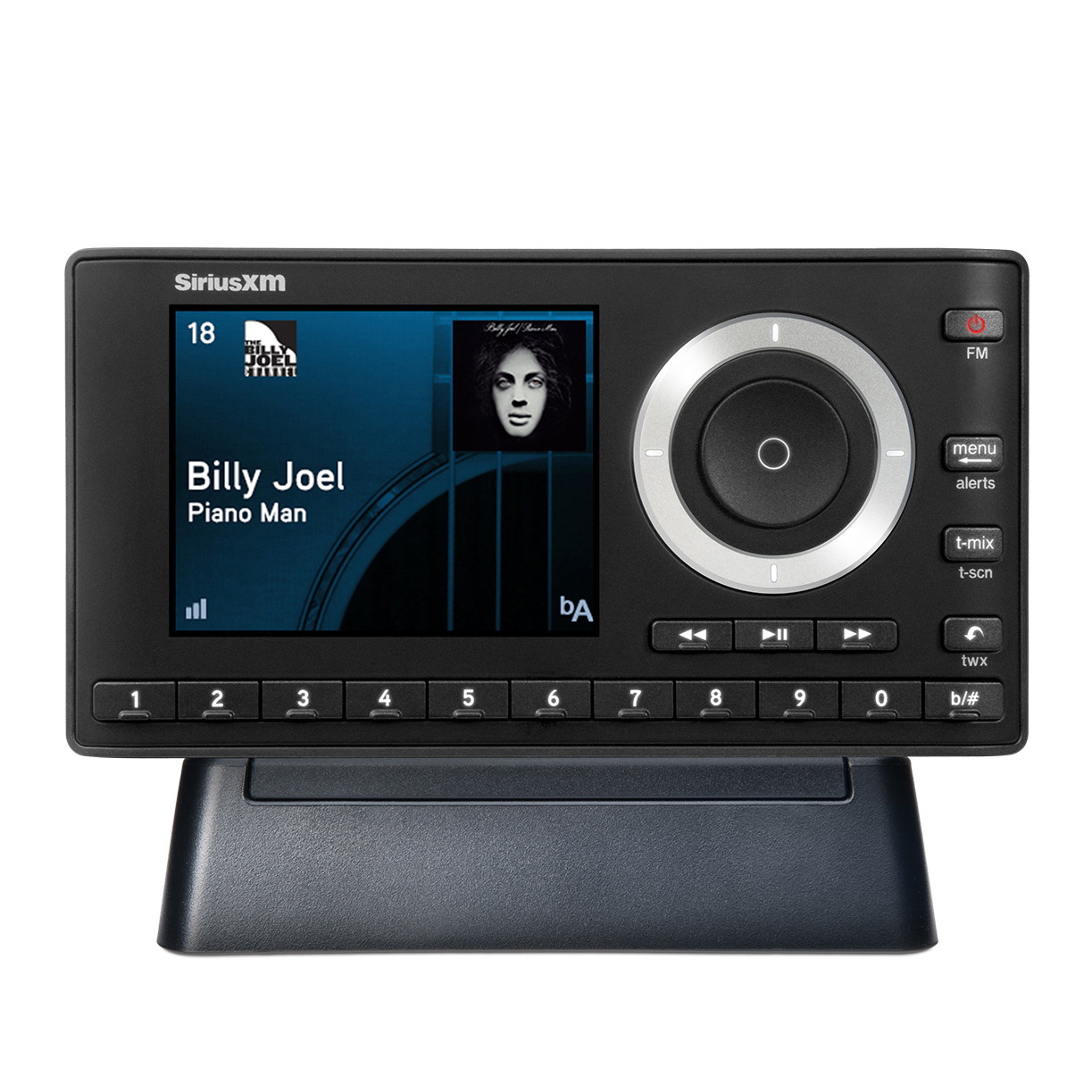
Early XM receivers were more than just tuners; they were sophisticated gadgets. Unlike simple FM radios, XM units featured digital displays that showed song titles, artists, channel information, and even stock tickers or sports scores in real-time – a feature enabled by the digital data stream accompanying the audio. Some receivers offered pause and replay functionalities, effectively turning live radio into a time-shifted experience.
Portability was another key focus. While initially popular in cars, XM quickly moved into portable devices like the XM MyFi and Delphi Roady XT, which allowed subscribers to take their satellite radio experience with them outside their vehicles. These devices often featured integrated antennas, rechargeable batteries, and the ability to dock in a car kit, showcasing the versatility of the underlying technology in adapting to various user environments.
Overcoming Terrestrial Interference: The Hybrid Network Advantage
The hybrid satellite-terrestrial repeater network was a technological masterstroke designed to ensure uninterrupted service. While the primary signal came from space, the repeaters were strategically placed in areas prone to signal blockage, such as densely populated urban centers with high-rise buildings, tunnels, or areas with significant natural obstructions. When a receiver lost line-of-sight with the satellite, it could seamlessly switch to a terrestrial repeater signal without the listener perceiving any interruption. This automatic, transparent handover between satellite and terrestrial signals was crucial for maintaining the seamless listening experience that XM promised, especially in mobile environments like driving. It demonstrated a pragmatic engineering approach to overcome real-world environmental challenges.
Evolution, Convergence, and the SiriusXM Merger
The early 2000s saw a fascinating technological arms race and eventual convergence in the satellite radio space. XM was not alone; its primary competitor, Sirius Satellite Radio, operated on a similar, albeit distinct, technological platform. The paths of these two innovators would eventually intertwine, leading to a unified satellite radio giant.
Early Competition and Technological Differentiation (XM vs. Sirius)
XM and Sirius, while both satellite radio providers, employed slightly different technological approaches. XM used two geostationary satellites, which are ideal for wide coverage but require a robust terrestrial repeater network for urban areas. Sirius, on the other hand, utilized three highly elliptical orbit (HEO) satellites. These satellites spent more time at higher latitudes, offering better coverage for moving vehicles and reducing the need for as many repeaters, though they required more complex antenna tracking. Both systems delivered digital audio, but their underlying satellite architectures and receiver technologies had subtle differences, leading to a competitive landscape where each tried to highlight its technical advantages and content offerings. This competition fostered rapid innovation in both platforms as they vied for subscribers.
The Merger: Unifying Satellite Radio Technologies
In 2008, after regulatory hurdles and intense scrutiny, XM Satellite Radio and Sirius Satellite Radio officially merged to form Sirius XM Radio. This was a significant event, not just for the companies involved but for the satellite radio industry as a whole. Technologically, the merger presented both challenges and opportunities. While the two systems had distinct satellite architectures, the combined entity needed to maintain service for existing subscribers of both platforms and eventually move towards a more unified system. This involved integrating broadcast centers, optimizing satellite usage, and developing “dual-band” or “universal” receivers capable of receiving signals from either legacy network. The merger essentially created a monopoly in the satellite radio space, allowing for consolidation of resources and a more streamlined technological roadmap.
Post-Merger Innovations and Adaptations in the Digital Age
Following the merger, SiriusXM continued to innovate, adapting its core satellite technology to an increasingly connected world. While the satellite broadcast remains central, the company has heavily invested in internet streaming capabilities, allowing subscribers to access content via apps on smartphones, smart speakers, and other internet-connected devices. This hybrid approach — satellite for ubiquitous mobile reception (especially in cars without data connectivity) and internet streaming for on-demand and broader device access — represents a shrewd adaptation to changing consumer habits. Technological advancements have also focused on improving sound quality, enhancing metadata display, and integrating deeper into automotive infotainment systems, moving beyond simple radio and towards a more comprehensive in-car entertainment hub.
The Enduring Legacy and Future of Satellite Radio Technology
The impact of XM Radio, and subsequently SiriusXM, extends far beyond its initial vision of better radio. It redefined expectations for in-car entertainment, proved the viability of subscription-based audio content, and continues to evolve in a competitive digital landscape.
Impact on Automotive Infotainment Systems
Perhaps XM Radio’s most profound technological impact was on the automotive industry. It transformed the car stereo from a simple AM/FM receiver and CD player into a sophisticated digital entertainment portal. Automakers quickly recognized the appeal of satellite radio and began integrating XM (and later SiriusXM) receivers directly into their factory-installed infotainment systems. This meant seamless operation, advanced display integration, and often, a free trial subscription as a selling point for new vehicles. The availability of hundreds of channels, reliable nationwide reception, and commercial-free music fundamentally changed the long-distance driving experience and elevated the role of audio entertainment in vehicle design.
Integration with Streaming and Connected Car Technologies
As the world embraced internet streaming, SiriusXM strategically integrated its satellite service with digital platforms. While the core satellite broadcast remains vital for its unique attributes (e.g., resilience in areas without cell coverage, no data caps), the company developed robust streaming apps and services. This dual-delivery model allows subscribers to access content anywhere, not just where a satellite signal is available. Furthermore, SiriusXM has become a key player in the “connected car” ecosystem, offering not just entertainment but also data services like traffic, weather, and navigation through its satellite infrastructure, showcasing its continued relevance as a data delivery platform beyond audio.
Sustaining Niche Appeal in a Streaming-Dominated Landscape
In an era dominated by Spotify, Apple Music, and countless podcasts, XM Radio’s legacy, now under the SiriusXM banner, maintains a unique position. Its technological advantage lies in its ubiquitous coverage and resilience, particularly for mobile users in vehicles. While streaming requires data and reliable cellular service, satellite radio offers a robust, dedicated broadcast, making it ideal for long road trips or areas with spotty internet. Moreover, its curated, live channels and exclusive content (like Howard Stern) provide a distinct experience from on-demand streaming. XM Radio, born from a technological ambition to overcome terrestrial limitations, continues to demonstrate the enduring value of a dedicated, high-capacity digital broadcast platform in a fragmented media landscape. It stands as a testament to how innovative application of satellite technology can create and sustain a unique and valuable consumer service.
aViewFromTheCave is a participant in the Amazon Services LLC Associates Program, an affiliate advertising program designed to provide a means for sites to earn advertising fees by advertising and linking to Amazon.com. Amazon, the Amazon logo, AmazonSupply, and the AmazonSupply logo are trademarks of Amazon.com, Inc. or its affiliates. As an Amazon Associate we earn affiliate commissions from qualifying purchases.