
A Biotechnology Breakthrough in Targeted Therapy
Xiaflex (collagenase clostridium histolyticum) stands as a testament to the advancements in medical biotechnology, embodying a highly targeted enzymatic treatment strategy. Diverging from conventional broad-spectrum pharmaceuticals, Xiaflex is a sophisticated biologic therapy meticulously derived from specific strains of Clostridium histolyticum bacteria. Its fundamental mechanism hinges on leveraging two distinct collagenases – enzymes with an unparalleled ability to precisely break down excess, pathological collagen. This innovative and targeted approach minimizes systemic side effects by focusing therapeutic action directly on diseased tissues, positioning Xiaflex at the forefront of the precision medicine paradigm in modern pharmaceutical innovation.

Mechanism of Action: Enzymatic Precision
The technological brilliance of Xiaflex lies in its precisely purified mixture of bacterial collagenases. Upon direct injection into a collagen-rich lesion, these enzymes engage in a localized hydrolysis, meticulously deconstructing the aberrant collagen fibers responsible for tissue contracture or plaque formation. This process is highly selective, specifically targeting collagen, the predominant structural protein of connective tissue, without significant deleterious effects on surrounding healthy tissues. The meticulous control and specificity of this enzymatic activity represent the core technological principle underpinning Xiaflex’s efficacy, showcasing a sophisticated application of biochemistry and molecular biology. The manufacturing process itself involves advanced fermentation and purification technologies to ensure the enzymes are of pharmaceutical grade, potent, and free from impurities, a significant technological hurdle in biologic drug production.
The Power of Biologics and Recombinant Technology
Xiaflex exemplifies the cutting edge of biologics, a class of medications produced from living organisms through intricate biotechnological processes. Biologics are complex molecular entities, frequently proteins, designed to modulate specific biological pathways or target particular molecules within the body. Xiaflex, by harnessing natural bacterial enzymes and refining them into a highly effective therapeutic agent, underscores how biotechnology can transform naturally occurring biological machinery into potent clinical tools. The discovery, development, and commercial-scale manufacturing of biologics demand sophisticated bioprocessing technologies, stringent quality control protocols, and a profound understanding of protein engineering and stability. Often, recombinant DNA technology is employed to produce such complex proteins consistently and at scale, ensuring high purity and activity, further highlighting the advanced technological landscape supporting these treatments. This precision in biological engineering represents a significant leap from traditional small-molecule drug development, offering unparalleled specificity and often, reduced systemic toxicity.
Addressing Specific Connective Tissue Disorders
Xiaflex is clinically approved for the treatment of two distinct fibrotic disorders: Dupuytren’s contracture and Peyronie’s disease. Both conditions are characterized by the abnormal accumulation of collagen, leading to significant functional impairment and discomfort. The introduction of Xiaflex as a non-surgical therapeutic option for these historically surgically managed conditions signifies a monumental shift towards less invasive, targeted interventions, representing a paradigm change driven by biotechnological innovation in medicine.
Dupuytren’s Contracture: Restoring Hand Function
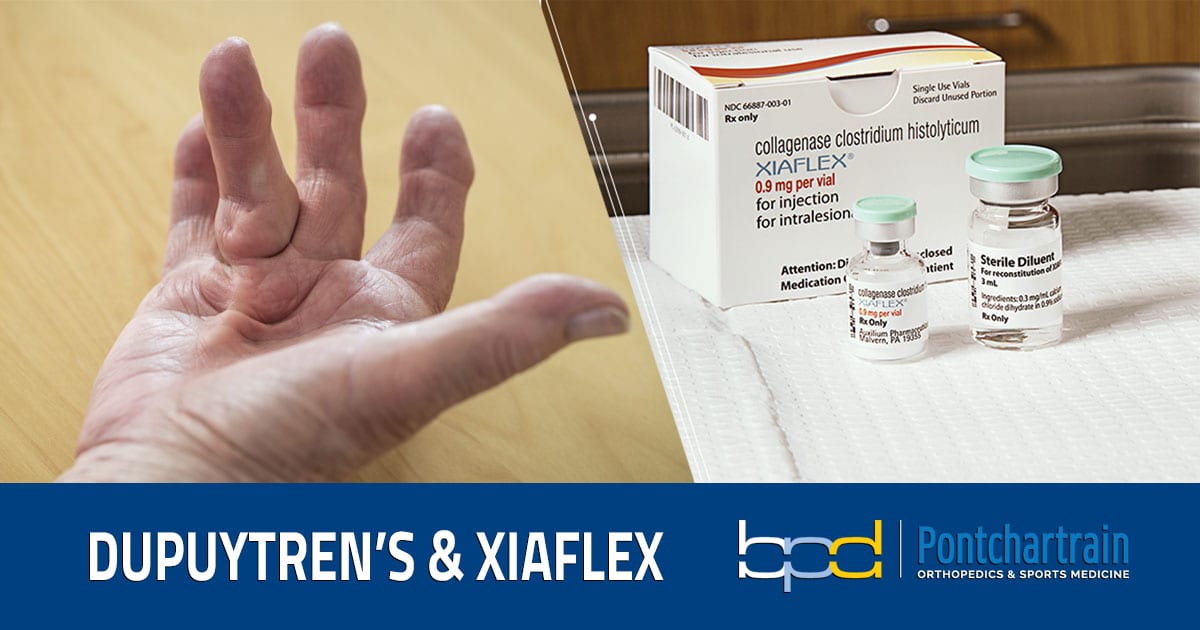
Dupuytren’s contracture is a progressive and often debilitating hand deformity caused by the formation of thick, collagenous cords beneath the skin of the palm, which eventually pull fingers into a permanently bent position. Xiaflex provides a revolutionary non-surgical alternative by directly targeting these palpable cords. The injected collagenase enzymes are engineered to specifically dissolve the pathological collagen, allowing for manual manipulation and effective straightening of the affected finger shortly after injection. This innovative approach offers substantial advantages over traditional surgical fasciectomy, primarily in reducing recovery time, mitigating surgical risks (such as infection, nerve damage, and scarring), and preserving aesthetic and functional integrity of the hand. This technological advancement significantly improves the quality of life for patients by restoring hand function with minimal downtime and intervention.
Peyronie’s Disease: Correcting Penile Curvature
Peyronie’s disease involves the unwelcome development of fibrous plaques, also composed of abnormal collagen, within the penis. These plaques lead to pronounced curvature, pain, and can severely impact erectile function. Xiaflex holds the distinction of being the first and only FDA-approved non-surgical treatment for this condition. By precisely injecting Xiaflex directly into the collagenous plaque, the enzymes work to enzymatically degrade the hardened tissue, thereby diminishing penile curvature and significantly improving functional outcomes. This application vividly demonstrates the versatility and profound impact of targeted enzymatic therapy, offering a precise, non-surgical solution to a condition that previously required invasive and often complex surgical procedures, which carried their own risks and recovery challenges. The psychological and physical relief provided by this technological solution is immense.
The Technological Edge in Delivery and Treatment Protocols
The therapeutic success of Xiaflex is not merely a function of its molecular design but is equally dependent on its sophisticated delivery system and meticulously developed treatment protocols. The technological innovation inherent in Xiaflex extends beyond the drug itself, encompassing how it is administered and seamlessly integrated into a comprehensive patient care pathway, exemplifying a holistic approach to medical innovation.
Precision Injection Techniques and Imaging Guidance
The administration of Xiaflex demands a high degree of technical skill and precision, necessitating specialized training for clinicians. For Dupuytren’s contracture, the injection targets specific, palpable cords; for Peyronie’s disease, it targets specific fibrous plaques. This requires an in-depth understanding of regional anatomy and, particularly for Peyronie’s, the use of advanced imaging guidance like ultrasound to precisely locate and map the plaques. This ensures optimal drug delivery to the pathological tissue while meticulously avoiding damage to critical surrounding structures such as nerves, tendons, blood vessels, and the urethra. The technological expertise required for accurate drug administration is as paramount to the treatment’s success as the drug’s inherent biological design, transforming the act of injection into a highly skilled, technology-dependent procedure. Specialized needles and injection devices are often employed to ensure accurate depth and spread of the medication.
Integrated Patient Management Systems and Digital Support
Beyond the initial injection, the success of Xiaflex treatment relies heavily on integrated post-injection procedures and patient adherence. For Dupuytren’s, a crucial manual finger extension procedure is performed by the clinician shortly after injection to physically rupture the enzymatically weakened cord. For Peyronie’s, a prescribed regimen of at-home penile modeling and stretching exercises is absolutely critical to maximize the effect of plaque breakdown, reduce curvature, and prevent recurrence. These integrated protocols are increasingly supported by digital health solutions, such as dedicated patient education apps, instructional videos, and digital tracking tools. These technologies enhance patient understanding, improve adherence to post-treatment regimens, and foster consistent engagement, ensuring that the powerful biological action of the drug translates into meaningful and sustained functional improvement. This integration underscores how technology, both pharmaceutical and digital, synergistically enhances therapeutic outcomes and patient empowerment.
Digital Health and Future Directions in Fibrotic Disease Management
The broader implications of innovative treatments like Xiaflex resonate deeply with current and emerging trends in digital health, personalized medicine, and advanced biotechnological research. As medical technology continues its rapid evolution, the strategic integration of targeted biologics with cutting-edge digital tools promises an even more refined, efficient, and patient-centric approach to healthcare.
Leveraging Data and AI for Treatment Optimization
The highly specific nature of Xiaflex’s application, targeting localized fibrotic conditions, generates a rich repository of valuable data concerning patient responses, potential adverse events, and long-term treatment outcomes. When this granular data is aggregated and analyzed using advanced artificial intelligence (AI) and machine learning (ML) algorithms, it unlocks powerful insights. These insights can lead to the refinement and optimization of treatment protocols, the identification of more precise patient selection criteria, and the development of improved predictive models for treatment success. For instance, AI could analyze patient characteristics, disease severity markers, and response patterns to predict which patients are most likely to benefit from Xiaflex, or to personalize dosing schedules. Such data-driven approaches are pivotal for advancing medical knowledge and continually enhancing therapeutic strategies for a wide spectrum of fibrotic diseases, moving medicine towards a truly individualized approach.
Remote Monitoring, Telemedicine, and Patient Engagement
For conditions like Dupuytren’s and Peyronie’s, where ongoing patient engagement and adherence to home exercises are critical, digital health platforms offer transformative solutions. This includes specialized mobile applications, sophisticated wearable sensors, and seamless telemedicine consultation services. These tools empower patients to actively track their symptoms, meticulously adhere to post-injection exercises (e.g., finger stretching protocols or specific penile modeling techniques), and maintain effective, convenient communication with their healthcare providers from the comfort of their homes. This integration of digital technology with a targeted biologic therapy significantly enhances patient adherence, improves convenience, and streamlines overall care coordination. Telemedicine, in particular, facilitates follow-up appointments and allows clinicians to monitor progress without requiring frequent in-person visits, optimizing resource utilization and patient access.

Future Biologic Innovations for Fibrosis: Expanding the Technological Frontier
The resounding success of Xiaflex serves as a powerful catalyst for further extensive research into targeted enzymatic and other biologic therapies for a broader array of fibrotic conditions impacting various organs. The profound technological understanding gleaned from the rigorous development and clinical deployment of Xiaflex can fundamentally inform the design and engineering of next-generation biologics. These future therapies could target different types of collagen, other components of the extracellular matrix, or alternative pathways involved in fibrosis, offering renewed hope for conditions that currently lack effective non-surgical therapeutic options, such as liver fibrosis, lung fibrosis, or kidney fibrosis. This relentless pursuit of innovation in biotechnology is a cornerstone of future medical progress, steadily moving healthcare towards highly specific, minimally invasive, and demonstrably more effective treatments, ultimately redefining the therapeutic landscape for chronic and debilitating fibrotic diseases. The challenges in drug discovery and development in this area are immense, requiring multidisciplinary technological expertise from molecular biology to clinical informatics.
aViewFromTheCave is a participant in the Amazon Services LLC Associates Program, an affiliate advertising program designed to provide a means for sites to earn advertising fees by advertising and linking to Amazon.com. Amazon, the Amazon logo, AmazonSupply, and the AmazonSupply logo are trademarks of Amazon.com, Inc. or its affiliates. As an Amazon Associate we earn affiliate commissions from qualifying purchases.