
In the hyper-curated world of Netflix’s Bridgerton, where every silk ribbon and ballroom dance is a calculated element of a high-society brand, the character of King George III stands as a striking anomaly. The question “what is wrong with the King?” is not merely a medical inquiry for the characters within the show; it is a profound brand management challenge for the British Monarchy within the narrative, and a strategic storytelling pivot for the Shondaland brand in the real world.
When we examine the portrayal of King George III through the lens of brand strategy, we see a masterful exercise in how to handle a “failing asset.” In corporate terms, the King is the CEO of the British Empire—the face of the organization. His mental health crisis represents a catastrophic breakdown of the corporate identity. This article analyzes how Bridgerton and its spin-off, Queen Charlotte, rebrand historical trauma into a compelling narrative of vulnerability, and what modern brands can learn from this Regency-era crisis management.
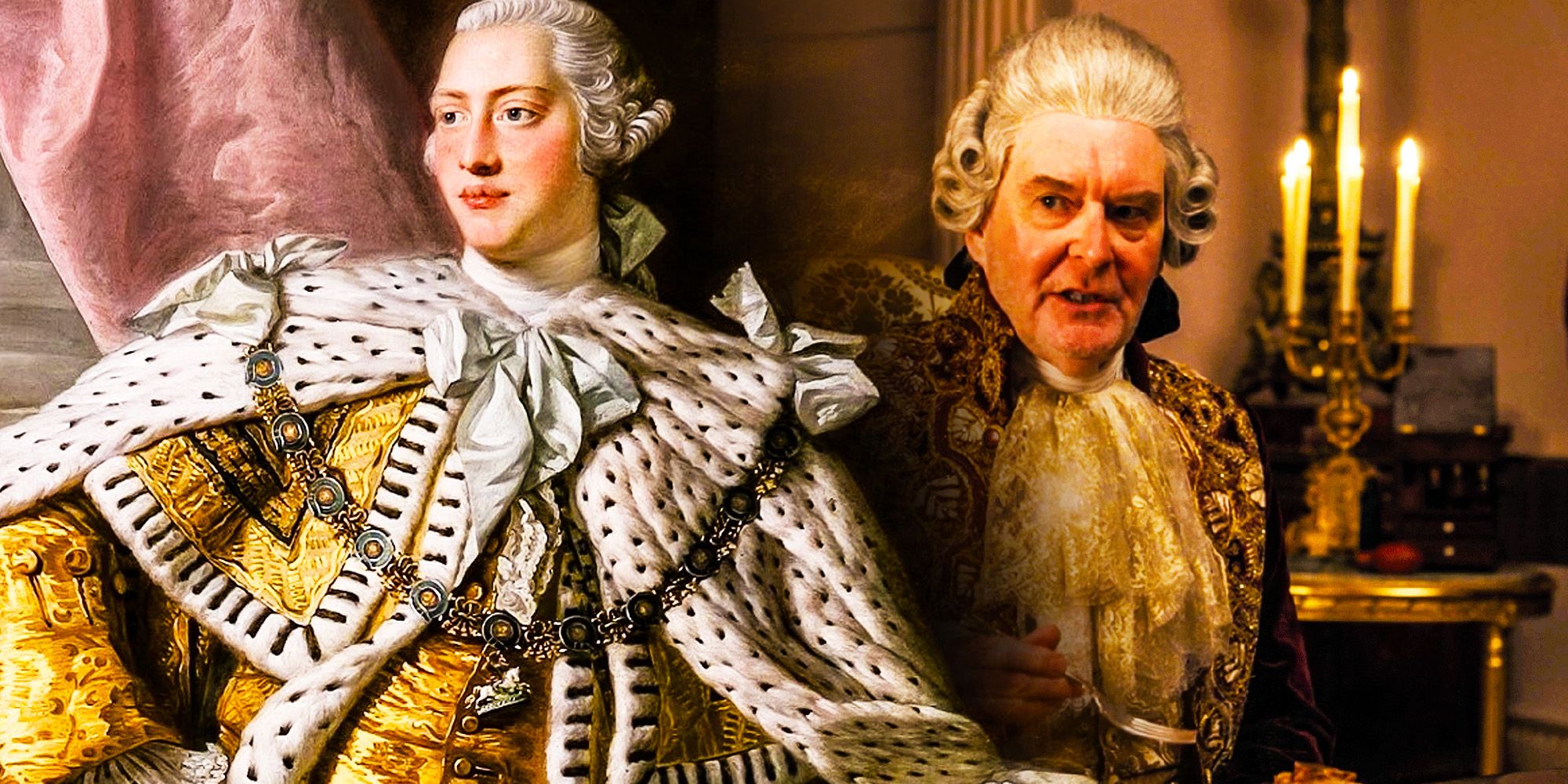
The Architecture of a Royal Brand: Managing Perception in the Regency Era
A monarchy is, at its core, a legacy brand. Its value is derived from continuity, perceived divine right, and an aura of untouchable stability. In the era of Bridgerton, the British Crown was navigating a period of immense global expansion, but internally, its “Brand Ambassador”—the King—was experiencing a systemic failure.
The Fragility of the Sovereign Identity
In the early 19th century, the “brand” of the King was synonymous with the health of the state. If the King was “mad,” the state was perceived as unstable. Within the Bridgerton universe, we see the frantic efforts of the palace staff and the Queen herself to gatekeep the King’s image. This is a classic example of protective brand positioning. By keeping the King behind closed doors, the “Firm” (as the royal family is often called) attempted to preserve the mystique of the Crown.
The “wrongness” of the King—historically attributed to porphyria or bipolar disorder—was a direct threat to the brand’s value proposition of strength and leadership. In the show, the King’s absence from the social season isn’t just a plot point; it’s a strategic withdrawal from the public market to prevent a “brand crash.”
Public Relations in the 1800s: Controlling the “Mad King” Narrative
How does a brand survive when its central figurehead is no longer functional? In Bridgerton, the solution is a masterclass in surrogate branding. Queen Charlotte becomes the primary touchpoint for the public. She adopts the visual signifiers of power—the elaborate wigs, the piercing gaze, the absolute authority over the “Ton.”
By positioning the Queen as the arbiter of taste and social standing, the monarchy successfully diverted public attention away from the King’s “faulty” mechanics. They transitioned the brand from a patriarchal monarchy to a social matriarchy. This maneuver allowed the Crown to maintain its relevance and authority even while its primary leader was incapacitated.
Shondaland’s Branding Pivot: Transforming Historical Trauma into Narrative Gold
From a modern media perspective, the “problem” with the King presented a unique opportunity for Shondaland and Netflix to expand the Bridgerton Intellectual Property (IP). Instead of ignoring the King’s condition, they chose to lean into it, effectively rebranding a historical tragedy as a poignant, romanticized struggle.
From History to “Queen Charlotte”: The Expansion of the Bridgerton IP
The “wrongness” of the King became the catalyst for one of the most successful brand extensions in recent streaming history. By creating the prequel Queen Charlotte: A Bridgerton Story, the creators took a peripheral, enigmatic “brand defect” and turned it into a core product.
This is a strategy often seen in corporate rebranding: taking a perceived weakness and framing it as a point of authenticity. By showing the King’s struggle with “the heavens” (his mental illness), the show humanized a brand that was previously seen as cold and untouchable. This pivot increased audience engagement by adding emotional depth to the Bridgerton ecosystem, ensuring that the brand was not just about aesthetics, but about “real” human experience.
Humanizing the Monarchy as a Brand Strategy
In the modern market, consumers—or in this case, viewers—crave authenticity. The “perfect” brand is often seen as untrustworthy. By revealing the King’s vulnerability, Shondaland managed to “humanize” the Monarchy brand. This move mirrored modern brand strategies where CEOs share their failures or struggles to build a more loyal, empathetic connection with their customer base. The King wasn’t “broken”; he was “fighting,” and that shift in narrative framing is the difference between a brand failure and a brand triumph.
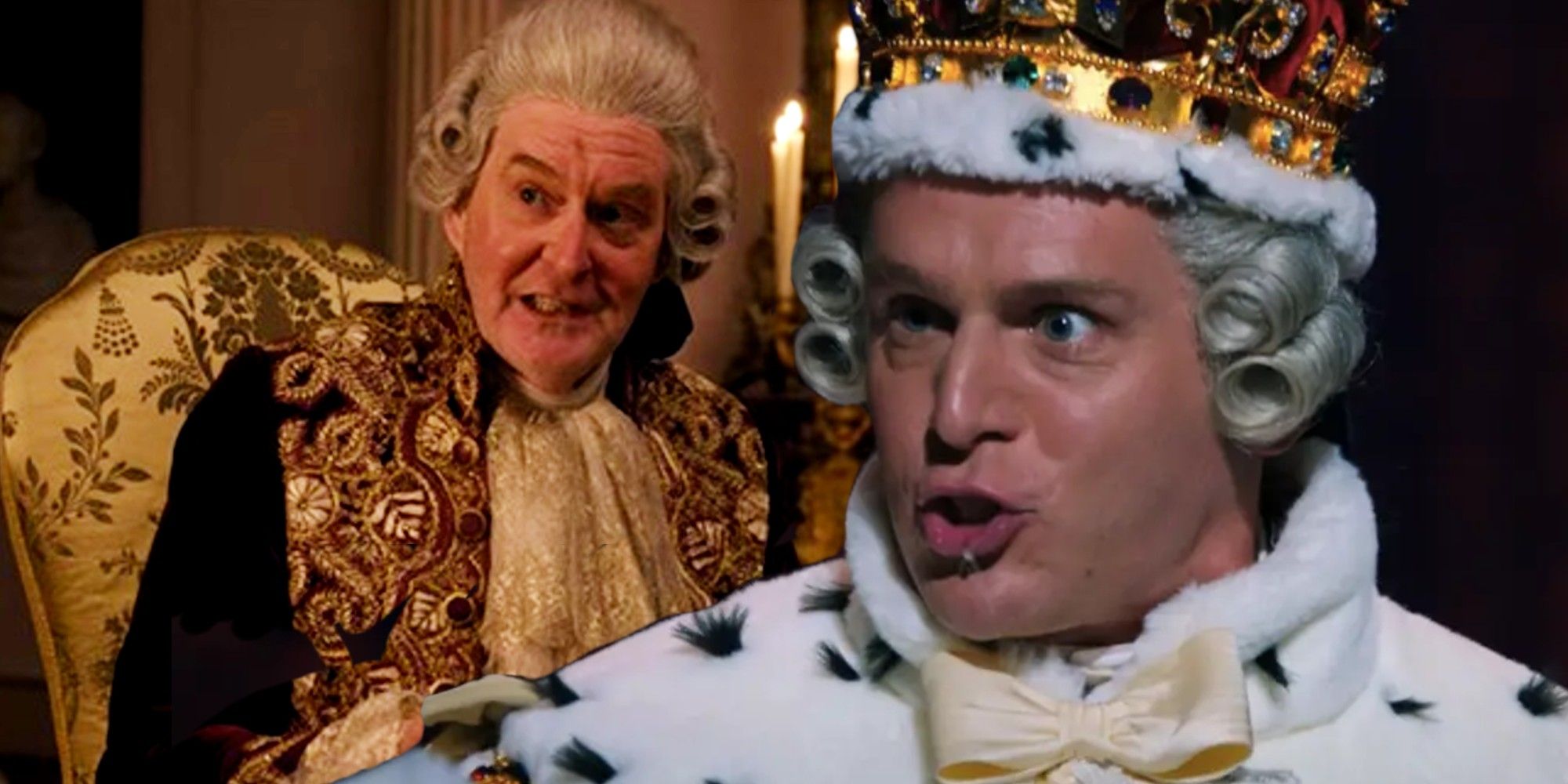
The Impact of Personal Branding on Audience Engagement
The King’s condition also serves as a case study in personal branding. In the world of Bridgerton, George is not just a King; he is a man named Farmer George. This dual-brand identity is what makes his character so compelling to a 21st-century audience.
Vulnerability as a Modern Brand Asset
We live in an era where vulnerability is a currency. When the King asks, “What is wrong with me?” he is engaging in a form of radical transparency that resonates with modern viewers. From a brand perspective, this creates a “relatability factor.”
In the original Bridgerton series, the King is a shadow, a whisper of a problem. But as the brand evolved, the creators realized that the “hidden” part of the brand was actually its most valuable asset. By showcasing the King’s attempts to use astronomy and science to “fix” himself, they branded him as an intellectual and a tragic hero, rather than a mere medical casualty. This increased the “Equity of Empathy” that fans felt toward the royal family.
The Ethics of Rebranding Illness for Entertainment
Every brand strategy must eventually face an ethical audit. Critics often point out that the Bridgerton universe takes significant liberties with historical facts regarding King George III’s health. From a brand management standpoint, this is a “creative license” strategy.
The goal was not a medical documentary; the goal was to maintain the Bridgerton brand’s aesthetic of “Hopeful Romanticism.” By framing the King’s illness through the lens of a great love story with Charlotte, the brand successfully mitigated the “ugliness” of the historical reality. This suggests that in brand storytelling, the “truth” is often less important than the “emotional resonance” it creates with the target audience.
Lessons for Modern Corporate Identity: Managing a Crisis of Continuity
The narrative of King George III in Bridgerton offers several actionable insights for modern businesses and personal brands facing their own crises.
Transparency vs. Mystique in Modern Branding
The Bridgerton approach shows the tension between keeping a “secret” and being “transparent.” For much of the first two seasons, the King’s condition is a guarded secret—a classic corporate move to hide a product flaw. However, as the series progresses, the transition toward transparency (in the prequel) proved to be much more profitable and brand-enhancing.
The lesson for modern brands is clear: in the long run, transparency regarding internal “glitches” or leadership struggles builds more sustainable brand loyalty than the outdated “mystique” model. When you own the narrative of your flaws, you prevent the market from defining them for you.
Consistency Across Multiverse Storytelling
The Bridgerton brand is now a “multiverse,” and maintaining the King’s character consistency across different shows is a major logistical feat. In Bridgerton, he is a brief, tragic figure; in Queen Charlotte, he is a dynamic lead.
Brands must ensure that their identity remains consistent across different platforms and “product lines.” The King’s “wrongness” had to be handled with the same level of dignity and narrative weight in the spin-off as it was in the original series to avoid brand dilution. By maintaining this consistency, Shondaland ensured that the “George and Charlotte” brand remained a premium sub-segment of the overall Bridgerton portfolio.
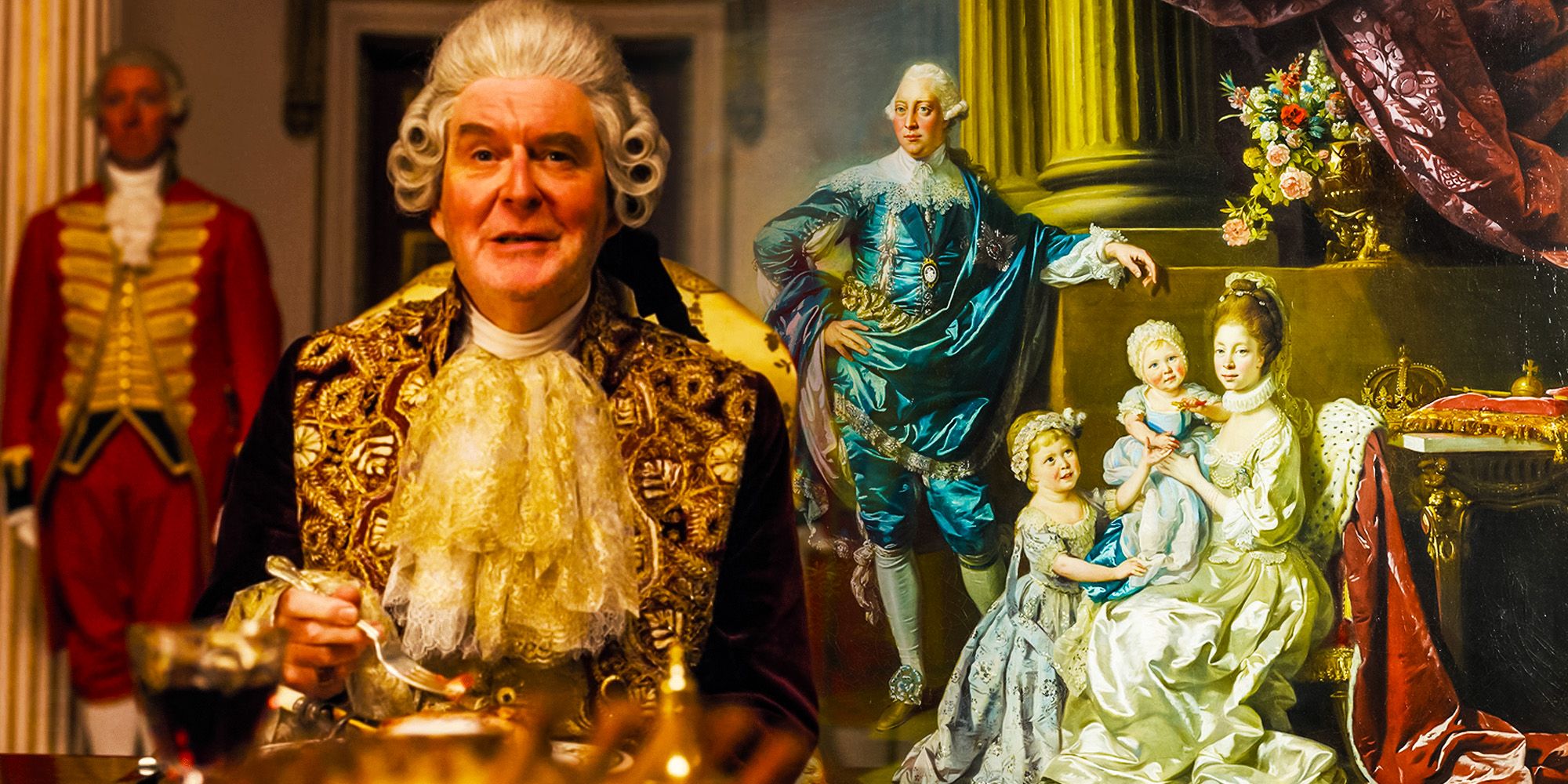
Conclusion: The King as the Ultimate Brand Case Study
What is “wrong” with the King in Bridgerton is ultimately a catalyst for one of the most sophisticated rebranding efforts in modern television. By taking the historical reality of a debilitating illness and reframing it as a narrative of love, resilience, and human vulnerability, the creators did more than just tell a story—they managed a legacy brand.
For the British Monarchy within the show, the King’s health was a crisis to be managed through secrecy and surrogate leadership. For the Shondaland producers, it was an opportunity to deepen the brand’s emotional core and expand its market reach. In both cases, the King’s condition proves that even the most significant “defects” can be rebranded into strengths if the narrative is handled with strategic precision and a deep understanding of audience psychology. The King isn’t just a character; he is a lesson in how brands can survive, and even thrive, in the face of their own fragility.
aViewFromTheCave is a participant in the Amazon Services LLC Associates Program, an affiliate advertising program designed to provide a means for sites to earn advertising fees by advertising and linking to Amazon.com. Amazon, the Amazon logo, AmazonSupply, and the AmazonSupply logo are trademarks of Amazon.com, Inc. or its affiliates. As an Amazon Associate we earn affiliate commissions from qualifying purchases.