
In the world of professional brand strategy, we often look for flaws to understand how a system functions. When we ask the provocative question, “What is wrong with Dolly Parton?” from a marketing and brand architecture perspective, the answer is startling: virtually nothing. Yet, her success defies the conventional gravity of corporate identity and personal branding.
Dolly Parton has built a multi-billion-dollar empire by leaning into a series of strategic “contradictions” that would sink a lesser brand. She is a masterclass in what we call the “Authentic Paradox”—the ability to maintain an overtly artificial visual identity while projecting a level of sincerity and transparency that is unmatched in the global marketplace. This article explores the brand strategy behind the Dolly Parton phenomenon, examining how she has maintained market dominance for over half a century.

The Visual DNA: Consistency Over Trends
In brand management, the “visual identity” is often subject to periodic refreshes or “rebrands” to stay relevant with changing demographics. Coca-Cola, Apple, and Nike have all evolved their aesthetic over time. Dolly Parton, however, has maintained a remarkably static visual brand since the 1970s.
The Power of the Silhouette
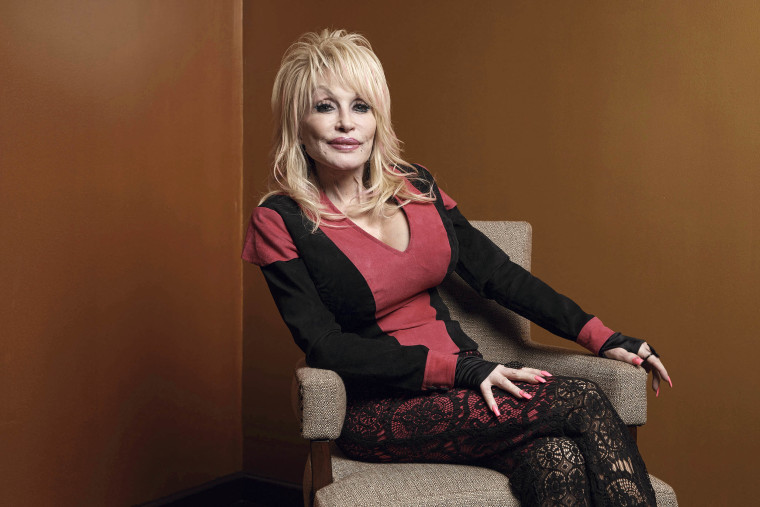
Parton’s brand is instantly recognizable through its silhouette alone. The high-volume wigs, the cinched waist, and the rhinestones function as a corporate logo. By refusing to update her look to match modern minimalism, she has achieved “Icon Status.” In branding, an icon is a symbol that no longer needs to explain itself. Because her look has remained consistent, she has avoided the “aging out” process that plagues many female-led brands in the entertainment industry.
Defying the Minimalism Trend
While modern brand strategy often pushes for “de-branding”—moving toward flatter logos and simpler designs—Parton does the opposite. Her brand is “maximalist.” This strategic choice creates a “Brand Moat.” Because her aesthetic is so specific and labor-intensive, it is impossible for competitors to imitate her without looking like a parody. She owns the “Glitzy Country” category so entirely that she has effectively eliminated competition within that niche.
The “Costume” as a Protective Barrier
From a strategic standpoint, Parton’s physical appearance serves as a firewall between the “Brand” and the “Individual.” She has famously noted that she can go out in public without her wig and makeup and remain unrecognized. This is a sophisticated brand management tactic; it allows her to maintain a private life (the “back-end operations”) while the public-facing brand (the “front-end interface”) remains 100% controlled and polished.
The Authentic Paradox: Selling Truth Through Artifice
The most difficult achievement in brand strategy is maintaining “authenticity” while being transparently “produced.” Usually, consumers reject brands that feel over-rehearsed or fake. Yet, Parton is one of the most trusted figures in the world.
Radical Transparency in Marketing
Parton is “wrong” according to traditional PR rules because she is the first to point out her own artificiality. Her famous quote, “It costs a lot of money to look this cheap,” is a genius piece of brand positioning. By calling out her own plastic surgery and wigs, she removes the “gotcha” power of the media. This is a form of “Innoculation Marketing”—by being honest about the “fake” parts of her brand, consumers implicitly trust that everything else she says is the absolute truth.
The Bridge Between Demographics
In a polarized market, most brands struggle to appeal to both conservative and progressive audiences simultaneously. Parton is one of the few brands that maintains a “Universal Market Appeal.” She does this through “Apolitical Positioning.” By focusing on universal human themes—hard work, heartbreak, and humor—she avoids the brand-diluting effects of tribalism. She is a “Unification Brand,” providing a neutral ground that is increasingly rare in the modern economy.
Relatability as a Value Proposition
Despite her immense wealth, Parton maintains the brand image of the “Girl from the Smokies.” This is not an accident; it is “Heritage Branding.” By constantly referencing her origins, she ensures that her brand remains grounded. This relatability drives consumer loyalty, as her audience feels they have grown up with her, creating a high “Lifetime Value” (LTV) for her brand supporters.
The “Iron Butterfly” Business Model: Diversification and Social Capital
If we look at Dolly Parton’s brand as a corporate entity, her strategy for diversification is textbook. She has successfully transitioned from a “Product-Based Brand” (music) to a “Service and Experience-Based Brand” (Dollywood, production companies, and philanthropy).
Dollywood: The Physical Brand Experience
Dollywood is more than a theme park; it is a physical manifestation of the brand’s values. Unlike Disney, which focuses on global fantasy, Dollywood focuses on regional heritage. This “Localized Experience Strategy” has turned the park into a massive economic engine for the Appalachian region. It serves as a permanent touchpoint for the brand, ensuring that even when Parton is not touring or releasing music, the brand is generating revenue and engagement.
Philanthropy as Brand Equity
The “Imagination Library” is one of the most successful CSR (Corporate Social Responsibility) initiatives in history. By gifting over 150 million books to children, Parton has moved beyond being a celebrity and into the realm of a “Social Utility.” In marketing terms, this builds massive “Brand Equity.” It is nearly impossible to find negative sentiment toward the Parton brand because it is so deeply tied to altruism. This is “Resilience Branding”—the goodwill she has stored up protects her from the “Cancel Culture” that often affects public figures.
Strategic Ownership and IP Management
A key pillar of the Parton brand is the ownership of Intellectual Property (IP). Her decision to refuse Elvis Presley’s manager’s demand for half the publishing rights to “I Will Always Love You” is a legendary case study in “Asset Protection.” By retaining 100% ownership of her songs, she ensured the long-term financial health of her brand. She understood early on that in the “Brand Economy,” the one who owns the assets holds the power.
Lessons for Modern Marketers and Corporate Identities
What can modern corporations learn from “what is wrong” with Dolly Parton? Her brand offers several key takeaways for those trying to navigate the complexities of the 21st-century market.
1. Consistency is More Powerful Than Cool
The pressure to be “cool” often leads brands to abandon their core identity. Parton proves that if you stay consistent for long enough, the world eventually orbits back to you. Brands should focus on “Core Values” rather than “Market Trends.”
2. Own Your Narrative
Parton never lets anyone else tell her story. She is her own best spokesperson. Modern brands must learn to be proactive rather than reactive. If there is a “flaw” in your product or history, owning it and turning it into a trademark (as she did with her “cheap” look) is more effective than trying to hide it.
3. Build a “Brand Ecosystem”
Parton is not just a singer; she is an author, an actress, a philanthropist, and a business mogul. Her brand is an “Ecosystem” where each part supports the other. The music drives people to the park; the park funds the philanthropy; the philanthropy builds the trust that sells the music. Modern businesses should look for ways to create these self-sustaining loops of brand value.
4. Humanize the Corporate Identity
In an era of AI and automation, consumers are starving for “Human-Centric Brands.” Parton’s brand feels like a person, not a committee. Even for large corporations, finding a “Human Voice” that is warm, humorous, and fallible is the key to winning customer hearts and minds.

Conclusion: The Ultimate Disruptor
So, what is wrong with Dolly Parton? From a brand perspective, she is “wrong” because she breaks the rules of professional distance, she ignores the dictates of aging, and she rejects the lure of political polarization. However, it is precisely these “wrong” moves that have made her the most successful personal brand in history.
She has taught us that the most effective brand strategy is not about being perfect; it is about being “Precisely Yourself.” By combining extreme visual consistency with radical transparency and a diversified business model, she has built an empire that is both commercially massive and deeply loved. For any brand manager, marketer, or entrepreneur, the “Dolly Model” remains the gold standard for how to build a legacy that lasts. In a world of fleeting digital trends, the Iron Butterfly reminds us that a brand built on a foundation of authenticity and strategic IP ownership is truly unstoppable.
aViewFromTheCave is a participant in the Amazon Services LLC Associates Program, an affiliate advertising program designed to provide a means for sites to earn advertising fees by advertising and linking to Amazon.com. Amazon, the Amazon logo, AmazonSupply, and the AmazonSupply logo are trademarks of Amazon.com, Inc. or its affiliates. As an Amazon Associate we earn affiliate commissions from qualifying purchases.