
In the rapidly evolving landscape of global commerce, the abbreviation “WHSE”—standing for Warehouse—has transitioned from representing a static storage space to a dynamic, tech-driven nerve center. Historically, a warehouse was simply a physical structure used to house goods before they were sold or distributed. Today, the WHSE is a complex ecosystem of integrated technologies, data streams, and automated systems that dictate the speed and efficiency of the modern supply chain.
As consumer expectations for same-day delivery and real-time tracking continue to rise, the technology behind the WHSE has had to adapt. We are no longer looking at simple shelving and manual forklifts; instead, we are witnessing the rise of the “Smart Warehouse.” This digital transformation is driven by software sophistication, hardware innovation, and the seamless flow of data across global networks.

The Brain of the Operation: The Warehouse Management System (WMS)
At the core of every modern WHSE is the Warehouse Management System (WMS). This software is the digital architecture that governs every movement within the facility. Without a robust WMS, a warehouse is merely a collection of items; with one, it becomes a high-performance engine of fulfillment.
Beyond Inventory Tracking
While basic inventory management involves knowing what is in stock, a modern WMS provides granular visibility into the entire lifecycle of a product. From the moment a shipment arrives at the receiving dock to the second it leaves on a delivery truck, the WMS records every touchpoint. It utilizes barcode scanning and Radio Frequency Identification (RFID) to eliminate manual entry errors, ensuring that inventory accuracy remains near 100%.
Optimization Algorithms and Labor Management
The true power of a WMS lies in its ability to optimize. Advanced systems use complex algorithms to determine the most efficient “slotting” for products—placing high-demand items closer to packing stations to minimize travel time. Furthermore, labor management modules within the software can track picker productivity, suggesting faster routes and balancing workloads across the floor. This data-driven approach allows managers to identify bottlenecks in real-time, shifting resources dynamically as order volumes fluctuate.
Integration with the Tech Stack
A WMS does not exist in a vacuum. In a professional tech environment, the WHSE software must integrate seamlessly with Enterprise Resource Planning (ERP) systems, Transportation Management Systems (TMS), and e-commerce platforms via APIs. This connectivity ensures that when a customer clicks “buy” on a website, the warehouse is alerted instantly, inventory levels are updated across all channels, and shipping labels are generated without human intervention.
The Hardware Revolution: Robotics and Automation
While the WMS acts as the brain, the hardware constitutes the muscle of the modern WHSE. The integration of robotics has redefined the physical labor associated with warehousing, moving away from manual heavy lifting toward precision-guided automation.
Autonomous Mobile Robots (AMRs) and AGVs
Automated Guided Vehicles (AGVs) have been around for years, following fixed paths or magnetic strips to move pallets. However, the industry has shifted toward Autonomous Mobile Robots (AMRs). These devices use onboard sensors, cameras, and sophisticated mapping software (similar to self-driving cars) to navigate busy warehouse floors. They can avoid obstacles, recalculate routes in real-time, and collaborate with human workers by transporting heavy loads from one end of the facility to the other, significantly reducing worker fatigue and increasing throughput.
Automated Storage and Retrieval Systems (AS/RS)
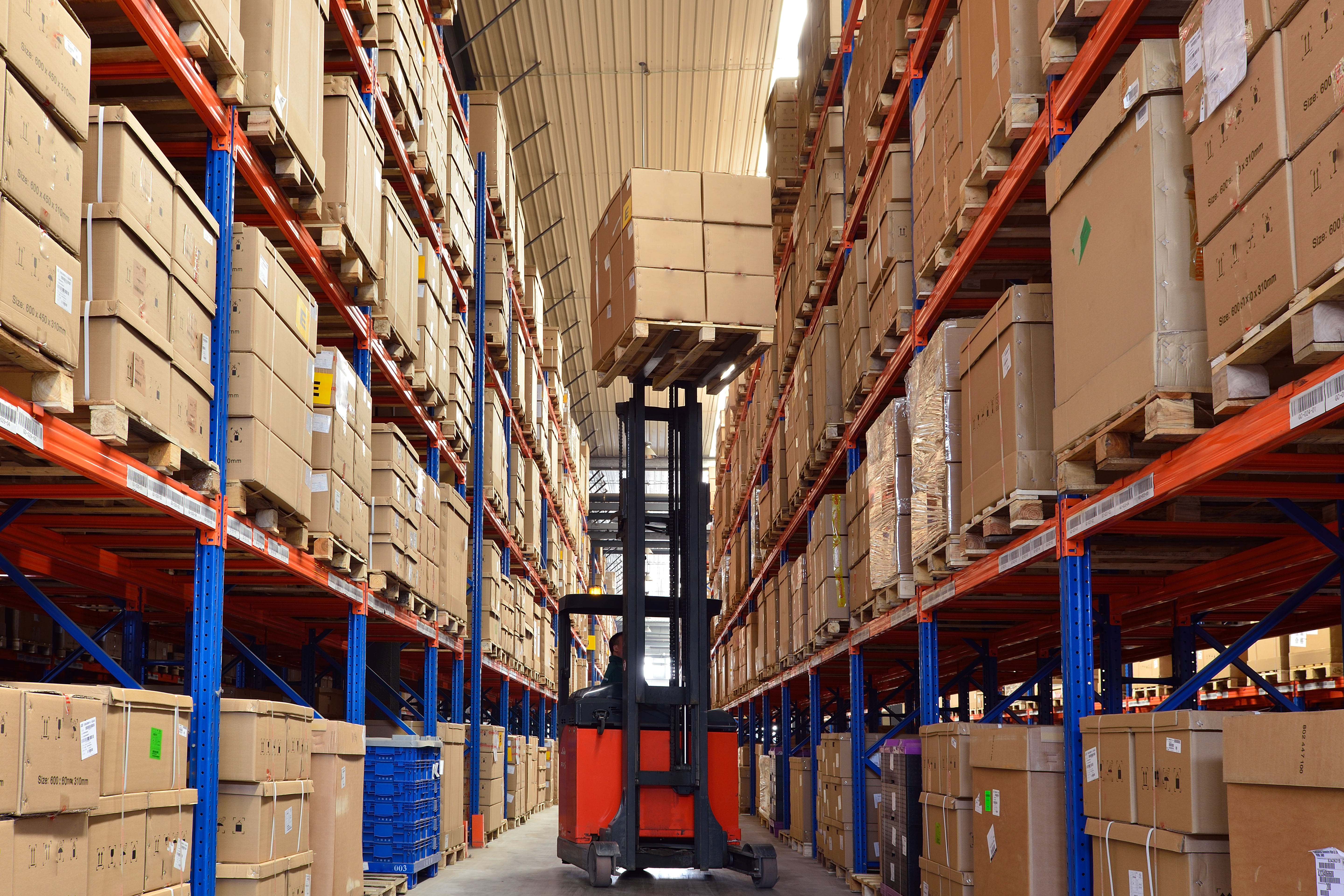
For facilities dealing with high density and massive SKU counts, AS/RS technology is the gold standard. These systems utilize high-speed cranes or shuttles to retrieve bins or pallets from towering vertical racks. By utilizing vertical space that would be inaccessible to human pickers, AS/RS allows companies to maximize their footprint, effectively fitting more inventory into smaller, more expensive urban locations. This technology is critical for the “micro-fulfillment” centers that power grocery and retail deliveries in metropolitan areas.
Cobots and Wearable Tech
The modern WHSE is also seeing a rise in “cobots”—collaborative robots designed to work alongside humans. These might include robotic arms that assist with sorting and packing or exoskeletons that reduce the physical strain on workers. Additionally, wearable technology such as smart glasses (AR) provides pickers with “vision picking” capabilities. These glasses overlay digital instructions onto the physical world, showing the worker exactly which shelf to look at and how many items to grab, reducing training time and virtually eliminating picking errors.
IoT and the Rise of Real-Time Intelligence
The Internet of Things (IoT) has turned the WHSE into a giant web of connected devices. In a smart warehouse, every piece of equipment, every pallet, and even the building itself can communicate data.
Sensory Data and Environmental Monitoring
IoT sensors are now used to monitor the “health” of the warehouse. This includes temperature and humidity sensors for cold-chain logistics—vital for pharmaceuticals and food—ensuring that products stay within safety parameters. Vibration sensors on conveyor belts can detect mechanical wear and tear before a breakdown occurs, enabling “predictive maintenance.” Instead of waiting for a machine to fail and halting production, tech teams can service the equipment during scheduled downtime based on the data provided by the sensors.
Real-Time Location Systems (RTLS)
RTLS technology uses Wi-Fi, Bluetooth Low Energy (BLE), or Ultra-Wideband (UWB) to track the exact location of assets within the WHSE. This goes beyond simple scanning; it allows managers to see a “heat map” of activity on the warehouse floor. By analyzing these movement patterns, companies can redesign their layouts to eliminate “dead zones” or high-traffic areas that cause congestion, streamlining the flow of goods and people.
Edge Computing in the WHSE
With the massive influx of data from IoT devices, many warehouses are turning to edge computing. Rather than sending all data to a centralized cloud server—which can result in latency—data is processed locally at the “edge” of the network (on the warehouse floor). This allows for near-instantaneous decision-making, such as an AMR stopping immediately when it detects a person in its path, or a sorting system redirecting a package in milliseconds based on a scanned zip code.
Data Analytics, AI, and the Future of Fulfillment
As the WHSE becomes increasingly digitized, the focus is shifting from “how we move goods” to “how we use data.” Artificial Intelligence (AI) and Machine Learning (ML) are now being applied to warehouse data to predict the future and optimize current operations.
Predictive Analytics and Demand Forecasting
AI models can analyze historical order data, seasonal trends, and even external factors like weather or social media trends to predict what products will be in high demand. This allows the WHSE to “pre-position” inventory. If the system predicts a surge in a specific gadget, the warehouse can move that stock to the most accessible locations before the orders even arrive. In some advanced cases, “anticipatory shipping” models allow companies to move goods to regional warehouses closer to the customer before the purchase is finalized.
Computer Vision and Quality Control
Computer vision, powered by AI, is replacing manual inspections. High-resolution cameras installed along conveyor lines use image recognition algorithms to identify damaged packaging, incorrect labels, or missing items. This happens at speeds far beyond human capability, ensuring that every package leaving the WHSE meets strict quality standards. It also provides a digital “paper trail” of every order’s condition at the moment of dispatch, which is invaluable for resolving customer disputes and reducing returns.
The Digital Twin
One of the most exciting trends in WHSE tech is the “Digital Twin.” This is a virtual, 3D replica of the physical warehouse, updated in real-time with data from the WMS and IoT sensors. Managers can use the digital twin to run “what-if” simulations. For example, they can simulate how the warehouse would handle a 50% increase in order volume or how a new piece of machinery would impact the flow of traffic. This allows for risk-free experimentation and continuous improvement of the facility’s layout and processes.
Conclusion: The WHSE as a Competitive Advantage
In the modern digital economy, the WHSE is no longer a back-office expense; it is a strategic asset. The technology integrated into these facilities—ranging from AI-driven WMS platforms to autonomous robotics and IoT networks—determines a brand’s ability to compete in a world defined by speed and precision.
Understanding “what is WHSE” in the current era requires looking past the four walls and the roof. It is a sophisticated technological stack that bridges the gap between digital commerce and physical reality. As we look toward the future, the integration of 5G, increased autonomy, and even more advanced predictive AI will continue to push the boundaries of what a warehouse can achieve, turning the WHSE into a fully autonomous, self-optimizing node in the global supply chain. For businesses, staying ahead of these tech trends is not just about efficiency—it is about survival in a marketplace that never sleeps.
aViewFromTheCave is a participant in the Amazon Services LLC Associates Program, an affiliate advertising program designed to provide a means for sites to earn advertising fees by advertising and linking to Amazon.com. Amazon, the Amazon logo, AmazonSupply, and the AmazonSupply logo are trademarks of Amazon.com, Inc. or its affiliates. As an Amazon Associate we earn affiliate commissions from qualifying purchases.