
In the landscape of modern material science, few substances bridge the gap between aesthetic brilliance and industrial utility as effectively as white sapphire. While the average consumer may recognize sapphire as a vivid blue gemstone synonymous with royalty, the technological sector views “white” or colorless sapphire through a much more pragmatic lens. To the engineer, the physicist, and the gadget enthusiast, white sapphire is not merely a jewel; it is a high-performance ceramic material known as alpha-alumina ($text{Al}2text{O}3$) in its purest crystalline form.
As we push the boundaries of hardware durability and optical clarity in consumer electronics, white sapphire has emerged as a cornerstone of high-tech manufacturing. From the protective layers of flagship wearables to the sophisticated sensors found in aerospace engineering, this material represents a synthesis of natural perfection and human-made precision. This article explores the technical composition, the sophisticated manufacturing processes, and the critical role white sapphire plays in the current and future tech landscape.
The Material Science: Understanding the Molecular Structure of White Sapphire
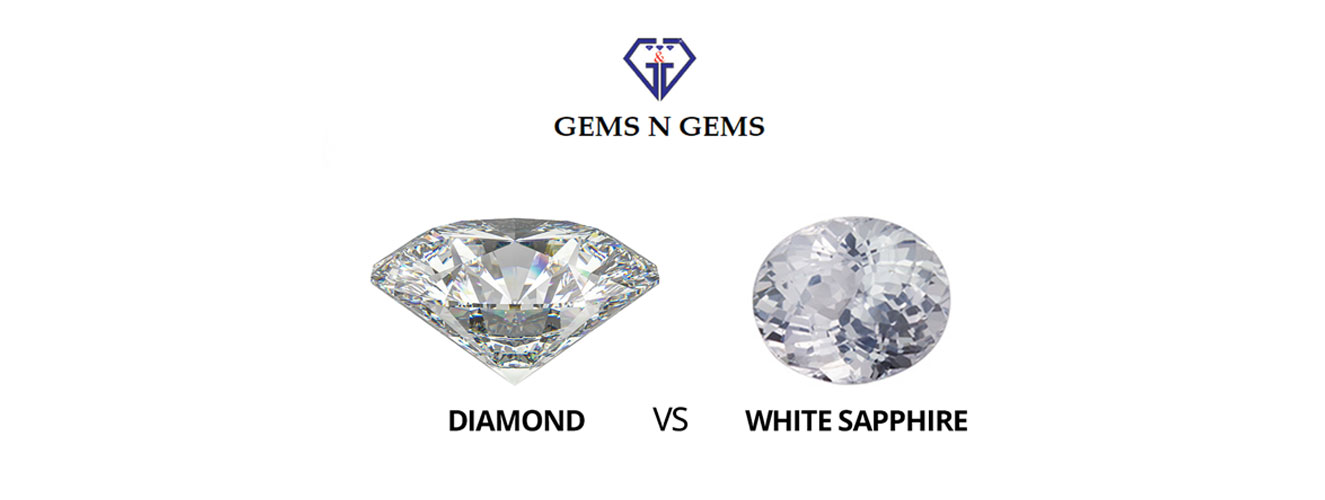
To understand what white sapphire is, one must first understand its chemical lineage. Sapphire is a variety of the mineral corundum. While most corundum contains trace elements—such as iron, titanium, or chromium—that imbue it with color (blue, yellow, or red/ruby), white sapphire is essentially “pure” corundum.
From Corundum to Crystal: The Chemical Composition
At its molecular level, white sapphire consists of aluminum and oxygen atoms arranged in a specific trigonal crystal system. Because it lacks the metallic impurities that create hues in other sapphires, it remains perfectly colorless and optically transparent across a wide range of wavelengths, from ultraviolet to infrared. This chemical purity is not just an aesthetic choice; it ensures that the material’s physical properties remain consistent, making it predictable for use in high-stress technological environments.
Hardness and Durability: The Mohs Scale Mastery
One of the primary reasons white sapphire is prized in the tech sector is its extraordinary hardness. On the Mohs scale of mineral hardness, white sapphire ranks at a 9. To put this in perspective, a diamond ranks at 10, while the hardened glass typically found on smartphone screens (aluminosilicate glass) usually ranks between 5 and 6. This makes white sapphire virtually immune to scratches from common materials like sand, steel, or concrete. In the world of portable technology, where “pocket wear” is a constant threat to device longevity, sapphire’s hardness provides a level of protection that traditional glass cannot match.
Industrial Production: How Technology “Grows” Gemstones
While natural white sapphire exists, it is rarely of the size or clarity required for industrial use. Consequently, the tech industry relies on “lab-grown” or synthetic sapphire. This is not “fake” sapphire; it is chemically, physically, and optically identical to natural sapphire, produced through highly controlled thermal processes.
The Kyropoulos Method
The most common method for producing large-scale sapphire for the tech industry is the Kyropoulos method. In this process, high-purity alumina is melted in a crucible at temperatures exceeding 2,040°C. A seed crystal is lowered into the melt and then slowly withdrawn as the temperature is precisely lowered. This allows a massive, high-quality crystal—often called a “boule”—to grow. These boules can weigh hundreds of kilograms and provide the raw material for everything from watch crystals to semiconductor substrates.
Flame Fusion and the Verneuil Process
Another historical yet still relevant technique is the Verneuil process, or flame fusion. This involves dropping powdered alumina through a high-temperature hydrogen-oxygen flame, where it melts and drips onto a rotating pedestal to form a crystal. While faster than the Kyropoulos method, it often produces smaller crystals with more internal stress, making it more common for small mechanical bearings (jewel movements) in traditional horology rather than large-scale electronic displays.
Consumer Tech Applications: Beyond the Jewelry Box
The transition of white sapphire from the jeweler’s bench to the tech laboratory was driven by its unique combination of optical clarity and physical resilience. Today, it is an essential component in the “gadget” ecosystem.
Wearable Tech: Why Your Smartwatch Depends on It
The most visible application of white sapphire in modern tech is in the premium smartwatch market. Companies like Apple, Garmin, and Rolex utilize sapphire “glass” (which is actually a thin slice of synthetic sapphire crystal) to protect their displays. Because smartwatches are exposed to the elements and frequent physical contact, the scratch resistance of sapphire is paramount. For high-end “ultra” or “professional” models, sapphire ensures that the screen remains legible and pristine even after years of rugged use in outdoor environments.
Optical Engineering: Camera Lenses and Sensors
In the era of computational photography, the lens cover is a critical but often overlooked component. Many flagship smartphones now use white sapphire covers for their rear camera modules. Because sapphire is exceptionally hard, it prevents the micro-scratches that can cause “lens flare” or blurriness over time. Furthermore, its high refractive index allows for thinner lens covers without compromising the light-gathering capabilities of the underlying sensor.
Aerospace and Defense: High-Pressure Windows
Beyond consumer electronics, white sapphire is utilized in aerospace for “sensor windows.” These are the protective plates for infrared cameras on aircraft and missiles. Because sapphire can withstand extreme thermal shock and high-velocity impacts from dust or rain, it is the only material capable of protecting sensitive optical equipment during supersonic flight.
White Sapphire vs. Gorilla Glass: The Battle for Screen Supremacy
A common question in the tech world is why every smartphone doesn’t use a white sapphire screen if it is so scratch-resistant. The answer lies in the engineering trade-off between hardness and “toughness.”
Scratch Resistance vs. Shatter Resistance
While sapphire is nearly impossible to scratch, it is a brittle material. Hardness measures how difficult it is to dent or scratch a surface, whereas toughness measures how much energy a material can absorb before it fractures. Chemically strengthened glasses, such as Corning’s Gorilla Glass, are engineered to be flexible. They can survive a drop onto a sidewalk better than sapphire because they can “flex” upon impact. Sapphire, being a rigid crystal, is more prone to shattering if dropped from a significant height. For tech manufacturers, the choice between sapphire and glass is a balance between preventing scratches (sapphire) and preventing catastrophic cracks (glass).
Thermal Conductivity and Heat Dissipation
An often-overlooked advantage of white sapphire in tech is its thermal conductivity. Sapphire conducts heat significantly better than glass. In high-performance devices where processors generate substantial heat, using a sapphire substrate or cover can actually assist in dissipating heat away from the internal components, potentially improving the thermal management of the device.
The Future of Sapphire Technology in Semiconductors and AI
The next frontier for white sapphire isn’t just on the surface of our devices, but deep within their circuitry. As we approach the physical limits of silicon-based computing, sapphire is playing an increasingly vital role in semiconductor research.
Silicon-on-Sapphire (SoS) Technology
Silicon-on-Sapphire (SoS) is a hetero-epitaxial process where a thin layer of silicon is grown on a sapphire wafer. These SoS chips are highly desirable in Radio Frequency (RF) applications and space electronics because they offer high insulation, lower power consumption, and extreme resistance to radiation. As 5G and 6G networks require more efficient RF front-end modules, the demand for sapphire-based semiconductor tech is expected to rise.
Scaling Production for the Next Generation of Gadgets
The primary barrier to universal sapphire adoption has always been cost. Growing, slicing, and polishing sapphire is an energy-intensive and time-consuming process compared to mass-producing glass. However, as AI-driven manufacturing and new growth techniques (like the EFG—Edge-defined Film-fed Growth—method) become more efficient, we are seeing a gradual reduction in the price of synthetic sapphire. This could lead to a future where sapphire isn’t just a luxury feature for $1,000 smartwatches, but a standard component in mid-range consumer electronics.
In conclusion, white sapphire is far more than a “diamond alternative” for the budget-conscious. It is a sophisticated, lab-engineered material that defines the durability standards of the modern tech industry. Whether it is protecting the lens of the phone in your pocket, ensuring the longevity of the watch on your wrist, or enabling the next generation of high-speed wireless communication, white sapphire remains one of the most vital “hard” technologies of the 21st century. As our reliance on portable, high-performance hardware grows, so too will the importance of this remarkable synthetic crystal.
aViewFromTheCave is a participant in the Amazon Services LLC Associates Program, an affiliate advertising program designed to provide a means for sites to earn advertising fees by advertising and linking to Amazon.com. Amazon, the Amazon logo, AmazonSupply, and the AmazonSupply logo are trademarks of Amazon.com, Inc. or its affiliates. As an Amazon Associate we earn affiliate commissions from qualifying purchases.