
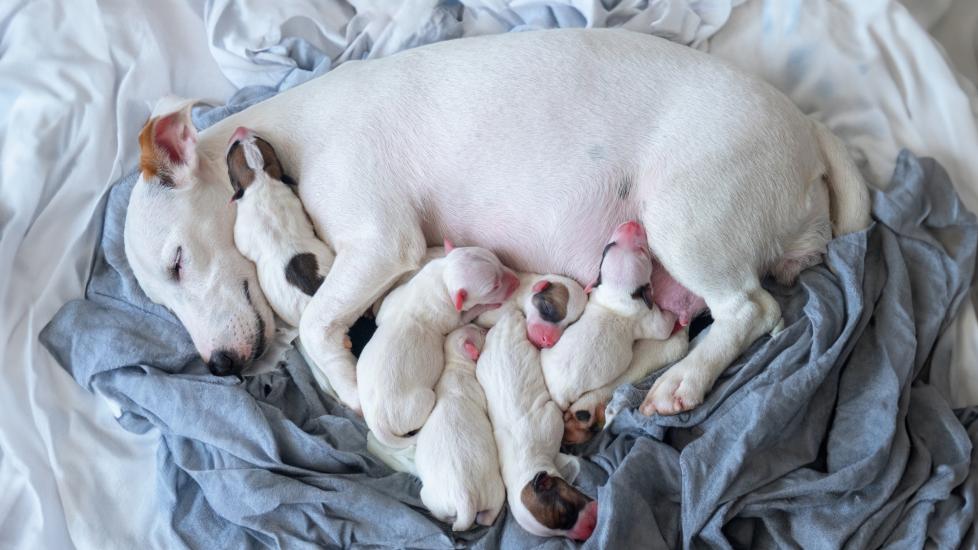
In the realm of animal husbandry, “whelping” traditionally refers to the process by which a female dog, known as a dam, gives birth to a litter of puppies. It is a natural, intricate biological event that has, for millennia, relied on instinct and the experienced eye of breeders. However, as technology continues to permeate every facet of human and animal life, the fundamental understanding and management of whelping for dogs are undergoing a significant transformation. Far from being solely a biological occurrence, modern whelping is increasingly intertwined with advanced technological solutions, smart devices, sophisticated software, and data-driven insights. This article explores “what is whelping for dogs” not in its basic biological sense, but through the exclusive lens of technology, examining how innovation is revolutionizing canine reproductive care, monitoring, and breeding practices. We delve into the tools, platforms, and AI that are redefining the standards for responsible and successful canine whelping.

The Technological Evolution of Canine Reproductive Management
The journey from rudimentary observation to sophisticated digital oversight marks a pivotal shift in how canine reproductive health and whelping are managed. Historically, breeders relied heavily on their accumulated knowledge, visual cues, and palpation to monitor pregnancy and anticipate labor. While invaluable, these methods often lacked precision and real-time data, leading to potential complications or missed opportunities for intervention. The advent of modern technology has ushered in an era of enhanced predictability, proactive management, and improved outcomes for both the dam and her puppies.
From Manual Observation to Digital Monitoring
The most immediate impact of technology on whelping management is the shift from manual, subjective observation to precise, objective digital monitoring. Traditional methods, while rich in experience, were inherently limited by human sensory capabilities and the challenge of continuous surveillance. Today, a suite of digital tools offers unprecedented insight into a dam’s physiological state throughout pregnancy and during labor.
One of the foundational advancements includes non-invasive imaging technologies. While ultrasound has been a cornerstone for decades, newer, more portable, and higher-resolution ultrasound devices allow for earlier and more frequent pregnancy confirmations, accurate litter counts, and detailed fetal viability assessments. These tools enable veterinarians and experienced breeders to track fetal development, identify potential issues like fetal distress or malposition, and plan for appropriate interventions, including scheduled C-sections if necessary. Beyond ultrasound, advanced diagnostic imaging techniques, though often reserved for complex cases, further contribute to a comprehensive understanding of the dam’s internal health and reproductive status.
Moreover, the integration of digital thermometers and other basic health monitoring devices has become standard. These devices often offer connectivity to apps or cloud platforms, allowing for automated data logging of temperature drops, which can be a key indicator of impending labor. This digital record-keeping streamlines the process, reduces human error, and provides a clear, actionable dataset for breeders and vets.
Diagnostic Advancements: Hormonal Analysis and Genetic Screening
Beyond visual and physical monitoring, technological advancements in laboratory diagnostics have revolutionized the precision with which breeders can manage the entire reproductive cycle, including preparation for whelping. Hormonal analysis, particularly progesterone testing, stands out as a critical innovation. Historically, timing breedings was often a best guess based on behavioral cues and physical changes. Modern rapid progesterone testing kits and laboratory analyses provide precise, quantitative data on a dam’s estrous cycle, allowing breeders to pinpoint the optimal breeding window with remarkable accuracy. This not only increases conception rates but also provides a more precise due date, which is invaluable for preparing for whelping. Knowing the exact due date helps predict the onset of labor more accurately, giving breeders ample time to set up the whelping box, gather supplies, and arrange for veterinary support if needed.
Furthermore, genetic screening technologies have become indispensable for responsible breeding programs, indirectly influencing whelping success. DNA testing can identify carriers of hereditary diseases, allowing breeders to make informed decisions about pairing dogs to minimize the risk of passing on genetic conditions to future litters. While not directly related to the act of whelping, ensuring the health and genetic soundness of the dam and sire through advanced genetic screening contributes significantly to the overall viability and health of the puppies born, reducing complications and improving outcomes during and after whelping. These genetic insights allow for proactive health management plans for the dam, ensuring she is in optimal condition for pregnancy and birth, thereby mitigating risks that could arise during the whelping process itself.
Smart Devices and Wearables in Pregnancy Management
The rise of IoT (Internet of Things) devices and wearable technology has extended into the domain of animal care, offering breeders and veterinarians unprecedented capabilities for monitoring the health and well-being of pregnant dams. These smart devices represent a paradigm shift from periodic check-ups to continuous, real-time data collection, enhancing predictive capabilities and enabling timely interventions.
Real-time Health Tracking for Expectant Dams
Wearable devices for dogs, akin to fitness trackers for humans, are increasingly being adapted for pregnant dams. These devices can monitor a variety of vital signs and behavioral patterns, providing a holistic view of the dam’s health. Parameters such as heart rate, respiratory rate, activity levels (rest, activity, sleep patterns), and even core body temperature can be continuously tracked. For instance, subtle changes in heart rate variability or shifts in sleep patterns might indicate stress or early signs of health complications that would otherwise go unnoticed during routine examinations.
These devices often connect wirelessly to smartphone applications or dedicated cloud platforms, allowing breeders to access real-time data remotely. Alerts can be configured to notify caregivers if any parameters fall outside predefined healthy ranges, prompting immediate investigation or veterinary consultation. This constant stream of data empowers breeders with objective information, moving beyond subjective observation to a data-driven approach to pregnancy management, which is crucial as the whelping date approaches.
Predictive Analytics for Labor Onset
Perhaps one of the most exciting applications of smart devices in whelping management is their potential for predictive analytics regarding labor onset. A significant challenge for breeders is accurately predicting when a dam will go into labor, as the process can be variable. Technology is stepping in to mitigate this uncertainty. Advanced wearable sensors can continuously monitor physiological indicators that precede labor. For example, a sustained drop in core body temperature is a well-known sign of impending whelping. Smart thermometers that track temperature at regular intervals and alert breeders to this crucial temperature drop are invaluable.
Beyond temperature, some sophisticated devices are exploring metrics like subtle shifts in activity levels, changes in uterine contractions (via external sensors), or even variations in heart rate patterns that might correlate with the initial stages of labor. When combined with machine learning algorithms, these data points can be analyzed to identify patterns and generate more accurate predictions for the start of labor. While still an evolving field, the goal is to provide breeders with a “whelping window” with higher confidence, allowing them to prepare adequately, ensure veterinary readiness, and provide optimal support to the dam during this critical period. This proactive approach significantly reduces anxiety and improves preparedness for the actual whelping event.
Software Solutions for Breeding Programs
Beyond hardware, sophisticated software platforms are playing an increasingly vital role in managing the complexities of canine breeding, from genetic lineage to health records, all of which indirectly contribute to successful whelping. These digital tools centralize information, automate tasks, and provide analytical capabilities that were previously unattainable.
Database Management for Pedigree and Health Records
Modern breeding demands meticulous record-keeping, a task where software solutions excel. Dedicated breeding management software allows breeders to create comprehensive digital databases for their entire kennel. This includes detailed pedigree information for each dog, tracing lineage back generations, which is crucial for preventing inbreeding and maintaining breed standards. Beyond ancestry, these platforms store extensive health records, including vaccination histories, deworming schedules, allergy information, and results from health screenings (e.g., hip and elbow scores, eye certifications).
For pregnant dams, the software can track every aspect of her reproductive history: heat cycles, breeding dates, previous litter sizes, and any complications during past whelpings. This centralized data is invaluable for informed decision-making regarding future breedings and for identifying potential risk factors for an upcoming whelping. Instead of sifting through paper files, breeders can instantly access a dog’s complete history, ensuring continuity of care and enabling them to share vital information rapidly with veterinarians, especially during an emergency or challenging whelping. Many platforms also allow for the tracking of puppy development post-whelping, including weights, milestones, and new owner information, creating a comprehensive lifecycle record.
AI-Powered Tools for Genetic Matching and Risk Assessment
The integration of Artificial Intelligence (AI) into breeding software is perhaps one of the most transformative advancements, particularly concerning genetic health and risk assessment. Traditional genetic matching relied on manual review of pedigrees and basic knowledge of hereditary diseases. AI takes this to a new level by processing vast datasets of genetic information.
AI-powered tools can analyze genetic markers from potential breeding pairs, predicting the likelihood of offspring inheriting specific genetic conditions. By simulating various pairings, AI can identify optimal matches that minimize the risk of passing on undesirable traits or diseases, thereby enhancing the overall health and vigor of the litter. This proactive approach to genetic health directly impacts whelping success by ensuring that both parents contribute robust genetic material, leading to healthier pregnancies and puppies that are more resilient.
Furthermore, AI can assist in risk assessment for individual dams approaching whelping. By analyzing a dam’s age, breed, previous whelping history, genetic profile, and real-time health data from wearables, AI algorithms can predict potential complications during labor with a higher degree of accuracy than human assessment alone. For example, if a dam had a difficult whelping with a large litter in the past, combined with a particular genetic predisposition, the AI might flag a higher risk for dystocia (difficult birth) in her current pregnancy, prompting the breeder and vet to prepare for a C-section or close monitoring earlier. These insights allow for personalized care plans, reducing emergency situations and improving the chances of a smooth, successful whelping.
Telemedicine and Remote Veterinary Support
The geographical barriers and time constraints often associated with veterinary care are being significantly reduced by advancements in telemedicine. For canine breeding and whelping, this means a new level of accessible and immediate professional support, crucial for managing critical periods.
Virtual Consultations and Emergency Protocols
Telemedicine platforms have revolutionized how breeders interact with veterinarians, particularly for routine checks and urgent, non-life-threatening inquiries during pregnancy and post-whelping. Instead of requiring a physical visit, breeders can connect with their vet via video calls, share images, or discuss concerns from the comfort of their home or kennel. This is especially beneficial for dams in late pregnancy, as minimizing stress and travel is paramount. Vets can visually assess a dam’s condition, observe behavioral changes, and provide guidance on diet, exercise, and whelping preparations.
In emergency situations, while physical presence is often unavoidable, telemedicine can provide crucial initial advice. If a breeder notices unusual discharge, prolonged labor, or distress in the dam, a quick virtual consultation can help the vet triage the situation, determine the urgency, and instruct the breeder on immediate steps to take while en route to the clinic or awaiting a house call. This immediate expert input can significantly impact outcomes by reducing delays in critical decision-making, improving the chances of positive results during complex whelping scenarios.
Data Sharing Platforms for Collaborative Care
The digital era has ushered in sophisticated data sharing platforms that foster collaborative care among multiple stakeholders involved in a dog’s health, particularly during pregnancy and whelping. These platforms allow breeders, primary veterinarians, and specialists (e.g., reproductive specialists or emergency vets) to access a centralized, secure repository of a dam’s health records, diagnostic results, and monitoring data.
When a dam is nearing whelping, having all relevant information—ultrasound reports, progesterone levels, genetic screening results, and daily vital sign logs from wearables—readily available to every care provider ensures that everyone is working from the same, most up-to-date information. This eliminates the need for redundant tests, streamlines communication, and allows for more coordinated and effective care plans. For instance, if a breeder is working with a remote specialist for a high-risk pregnancy, that specialist can access real-time data from the breeder’s monitoring devices and consult with the local vet, providing expert recommendations without needing to be physically present. This collaborative digital ecosystem enhances accountability, reduces miscommunication, and ultimately leads to better health outcomes for the dam and her litter during the critical whelping period.
The Future of Whelping: Robotics and Automation
As technology continues its rapid advancement, the horizon for whelping management includes even more sophisticated solutions, with robotics and automation poised to play a transformative role. While some aspects remain conceptual, others are already in nascent stages of development, promising further optimization and support for the whelping process.
Automated Monitoring Systems
Building upon current smart device capabilities, the next generation of automated monitoring systems for whelping will integrate even more advanced sensors and AI. Imagine a “smart whelping box” equipped with embedded sensors that not only monitor the dam’s vital signs and temperature but also detect the subtle environmental changes indicative of impending labor. These systems could incorporate thermal imaging to monitor body temperature without direct contact, pressure sensors to detect contractions, and even acoustic sensors to identify changes in the dam’s vocalizations or the first cries of newborns.
Further automation could include environmental controls within the whelping box itself. For instance, if a drop in ambient temperature is detected, the system could automatically adjust heating pads or lamps to maintain optimal comfort for the dam and her puppies. AI algorithms would continuously process this torrent of data, learning individual patterns and providing predictive alerts with increasing accuracy, potentially even notifying the breeder of the precise moment a puppy is born or if a dam is struggling. Such systems would significantly reduce the need for constant human vigilance, allowing breeders to rest while still ensuring round-the-clock supervision.

Ethical Considerations in Tech-Enhanced Breeding
As technology pushes the boundaries of what’s possible in canine reproduction, it also brings forth a host of ethical considerations that must be carefully navigated. The primary concern is ensuring that the use of technology genuinely benefits the welfare of the animals, rather than simply serving human convenience or economic gain.
One key area of debate is the potential for over-reliance on technology. While automation can be incredibly helpful, it should not replace experienced human judgment, intuition, and the vital bond between breeder and animal. The tactile assessment, emotional connection, and nuanced understanding that an experienced breeder brings to the whelping process are irreplaceable. There’s a risk that an over-dependence on data and algorithms could detach breeders from the physical realities of the birthing process, potentially leading to missed subtle cues that technology might not yet capture.
Another ethical challenge relates to data privacy and security. As sensitive genetic and health data are collected and shared across platforms, robust measures must be in place to protect this information. Furthermore, the increasing sophistication of genetic manipulation tools, while promising in preventing diseases, also raises questions about “designer dogs” and the potential erosion of natural selection. Breeders must remain committed to responsible practices, ensuring that technology is used to enhance health, welfare, and responsible stewardship, not to create animals purely for aesthetic or market-driven traits that could compromise their well-being. The future of tech-enhanced whelping must prioritize the ethical treatment and inherent value of every animal, ensuring that innovation serves to improve, rather than exploit, canine life.
In conclusion, “what is whelping for dogs” today extends far beyond its biological definition, encompassing a rapidly evolving technological ecosystem designed to support, monitor, and optimize the entire reproductive journey. From advanced diagnostics and smart wearables to sophisticated software and the promising frontiers of AI and robotics, technology is reshaping every aspect of canine reproductive management. This shift not only promises healthier outcomes for dams and their litters but also elevates the standards for responsible breeding, fostering a future where precision, data, and proactive care define the whelping experience.
aViewFromTheCave is a participant in the Amazon Services LLC Associates Program, an affiliate advertising program designed to provide a means for sites to earn advertising fees by advertising and linking to Amazon.com. Amazon, the Amazon logo, AmazonSupply, and the AmazonSupply logo are trademarks of Amazon.com, Inc. or its affiliates. As an Amazon Associate we earn affiliate commissions from qualifying purchases.