
Wells Fargo & Company, colloquially known as WF Bank, stands as an undeniable titan in the American financial industry. More than just a name, it represents a sprawling financial institution with roots stretching back to the mid-19th century, profoundly shaping and being shaped by the economic currents of the United States. For individuals and businesses alike, understanding “what is WF Bank” means delving into its intricate history, diverse service offerings, market position, and its pervasive influence on personal finance, investment strategies, and broader economic development.
In an increasingly complex financial world, where choices abound and digital transformation redefines banking, comprehending the nature and scope of major players like Wells Fargo is crucial. It’s not merely about knowing it’s a bank, but appreciating its unique identity within the pantheon of financial services, its strengths, its challenges, and its enduring impact on the way Americans manage, save, invest, and borrow money. This exploration will dissect Wells Fargo’s multifaceted role, firmly placing it within the domain of personal finance, business finance, and the broader financial ecosystem.
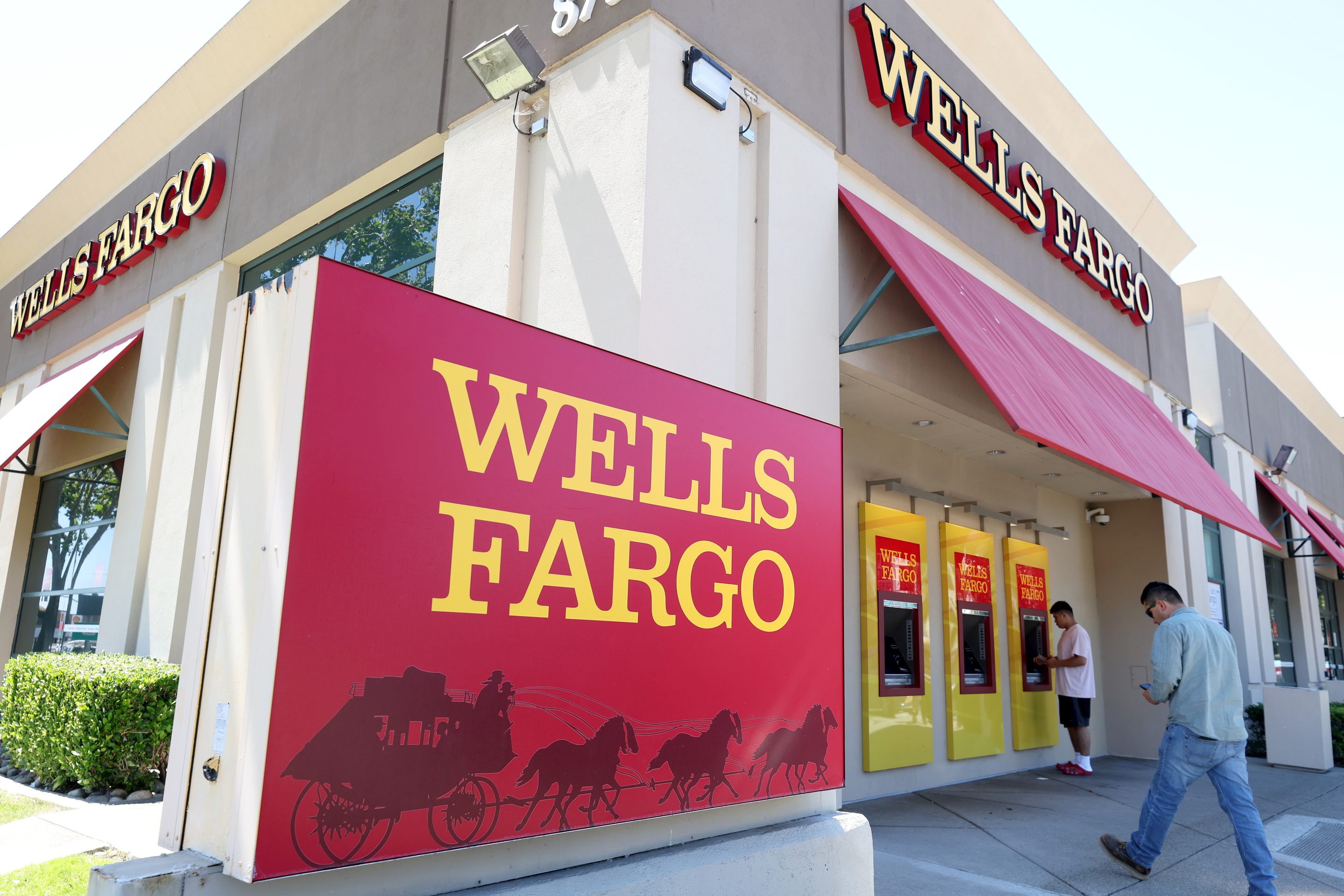
A Legacy Institution: Tracing Wells Fargo’s History and Evolution
To truly grasp “what is WF Bank,” one must first appreciate its remarkable journey from a pioneering express and banking company of the American West to one of the largest and most comprehensive financial services providers in the world. Wells Fargo’s narrative is intertwined with the very fabric of American economic expansion, offering a unique perspective on the evolution of financial institutions.
From Stagecoach to Digital Banking: A Brief Chronology
Founded in 1852 by Henry Wells and William Fargo, the company initially provided express and banking services to the burgeoning communities of the California Gold Rush. Its iconic stagecoaches symbolized reliability and connectivity across vast, undeveloped territories, transporting gold, valuables, and vital communications. This early focus on secure transactions and logistics laid the groundwork for its future as a trusted financial intermediary.
For over a century, Wells Fargo primarily served the Western United States, cultivating a strong regional presence. However, the late 20th century marked a period of aggressive expansion and strategic mergers that catapulted the company onto the national stage. The pivotal merger with Norwest Corporation in 1998, which saw the combined entity retain the Wells Fargo name and its stagecoach logo, was a transformative event. This acquisition significantly expanded its branch network and customer base across the Midwest and East Coast, solidifying its status as a truly national bank. Subsequent acquisitions, such as that of Wachovia in 2008 during the financial crisis, further cemented its position among the “Big Four” U.S. banks. Today, Wells Fargo continues to adapt, transitioning from its storied physical presence to an increasingly digital-first approach, offering sophisticated online and mobile banking platforms that cater to modern financial needs.
Key Milestones and Expansions
The journey of Wells Fargo is punctuated by several key milestones that underscore its strategic growth and adaptation to changing financial landscapes. Its consistent ability to acquire and integrate other financial institutions has been a hallmark of its expansion strategy, accumulating diverse expertise and customer segments. From its initial focus on banking and express services, Wells Fargo steadily diversified into a full-service financial powerhouse, embracing areas like mortgage lending, wealth management, and commercial banking.
Historically, Wells Fargo played a crucial role in funding railroads, agricultural ventures, and burgeoning industries, effectively acting as a financial engine for economic development. In the modern era, its expansions have been driven by a need to offer integrated financial solutions, recognizing that individuals and businesses require a comprehensive suite of services under one roof. The move into investment banking, asset management, and international financial services broadened its reach beyond traditional retail and commercial banking, positioning it as a global player in finance. These strategic expansions reflect an ongoing commitment to staying relevant and competitive in a dynamic financial marketplace, continuously evolving its offerings to meet the multifaceted demands of its diverse clientele.
Core Financial Services: How Wells Fargo Serves Individuals and Businesses
At its heart, “what is WF Bank” is about the comprehensive suite of financial products and services it offers, directly impacting how millions manage their personal wealth and how countless businesses operate. These services are the very essence of its function within the money ecosystem, catering to a broad spectrum of financial needs, from everyday transactions to complex investment strategies and large-scale corporate financing.
Personal Banking: Managing Your Everyday Finances
For individual consumers, Wells Fargo provides an extensive array of personal banking solutions designed to facilitate daily financial management and long-term financial goals. At the foundational level, this includes a variety of checking and savings accounts. Checking accounts offer convenience for routine transactions, bill payments, and direct deposits, often coming with debit cards and online/mobile banking access. Savings accounts, certificates of deposit (CDs), and money market accounts provide avenues for accumulating wealth, often with varying interest rates and accessibility options, crucial for personal financial planning and emergency funds.
Beyond basic accounts, Wells Fargo is a significant lender in the consumer market. It offers a wide range of credit products, including personal loans for various needs, auto loans for vehicle financing, and a diverse portfolio of credit cards catering to different spending habits, reward preferences, and credit profiles. Perhaps most notably, Wells Fargo is one of the largest mortgage lenders in the United States, providing financing for home purchases and refinancing options, a critical component of personal wealth building. These personal banking services collectively empower individuals to manage their cash flow, save for the future, and finance significant life purchases, making Wells Fargo a pivotal partner in their financial journeys.
Wealth Management and Investing: Growing Your Capital
For clients seeking to grow and protect their assets, Wells Fargo offers sophisticated wealth management and investment services. This arm of the bank caters to individuals, families, and institutions with more complex financial needs, providing expertise in portfolio management, retirement planning, and estate planning. Through Wells Fargo Advisors, clients gain access to financial advisors who can help craft personalized investment strategies, ranging from conservative, income-generating portfolios to growth-oriented equity investments.
The scope of these services extends to brokerage accounts for self-directed investors, offering access to a wide range of investment products such as stocks, bonds, mutual funds, and exchange-traded funds (ETFs). Furthermore, Wells Fargo provides retirement planning solutions, including IRAs (Individual Retirement Accounts) and 401(k) plans, helping individuals plan for a secure financial future. Estate planning services ensure that wealth is transferred according to clients’ wishes, minimizing taxes and maximizing legacies. These offerings position Wells Fargo as a comprehensive partner for capital accumulation and preservation, crucial elements of long-term financial well-being.
Business and Commercial Banking: Fueling Economic Growth

Wells Fargo’s impact extends significantly into the business sector, supporting enterprises of all sizes, from small businesses to large multinational corporations. Its business banking division offers tailored solutions for small to medium-sized enterprises (SMEs), including business checking and savings accounts, commercial credit cards, and various forms of business loans such as lines of credit, term loans, and equipment financing. These products are vital for managing operational cash flow, funding expansion, and acquiring necessary assets, thereby directly contributing to economic growth and job creation.
For larger corporations and institutional clients, Wells Fargo’s commercial and corporate banking services are even more extensive. This includes complex financial solutions such as treasury management services (cash management, liquidity solutions, payment processing), corporate lending (syndicated loans, asset-backed financing), and capital markets services (underwriting, advisory, trading). They also offer international trade finance to facilitate cross-border transactions and employee benefits solutions. By providing capital, expertise, and operational support, Wells Fargo plays a critical role in facilitating corporate operations, fostering investment, and enabling global commerce, underscoring its foundational importance within the broader financial infrastructure.
Understanding Wells Fargo’s Market Position and Impact
Wells Fargo’s identity as “WF Bank” is intrinsically tied to its formidable market presence and the multifaceted impact it has on the economy. Its sheer scale, its interaction with regulatory frameworks, and its societal contributions all paint a clearer picture of its significance beyond just being a provider of financial services.
A Giant in the American Banking Sector
As one of the “Big Four” banks in the United States (alongside JPMorgan Chase, Bank of America, and Citigroup), Wells Fargo commands a massive share of the financial market. It boasts an extensive network of branches and ATMs across the country, though this is gradually shifting towards digital channels. With trillions of dollars in assets, millions of retail customers, and hundreds of thousands of business clients, its operations are vast and complex. This scale translates into significant economic influence, affecting everything from interest rates on loans and savings to the availability of credit and the efficiency of payment systems.
Its market position means that its strategies and performance have ripple effects throughout the financial system. When Wells Fargo adjusts its lending criteria, it can impact housing markets or small business access to capital. When it invests in new technologies, it often sets trends for other financial institutions. The sheer volume of transactions it processes daily, combined with its role in capital allocation, makes it a critical component of the nation’s financial stability and economic vitality.
Regulatory Oversight and Corporate Governance
The significant market power and systemic importance of Wells Fargo necessitate rigorous regulatory oversight. As a nationally chartered bank, it operates under the stringent supervision of federal agencies such as the Office of the Comptroller of the Currency (OCC), the Federal Reserve, and the Consumer Financial Protection Bureau (CFPB). These bodies impose strict capital requirements, liquidity rules, and consumer protection regulations designed to ensure the bank’s safety and soundness, prevent systemic risk, and protect consumers.
Wells Fargo has faced significant challenges in this area, particularly in the wake of past misconduct scandals, such as the unauthorized accounts scandal that emerged in 2016. These events highlighted critical failures in corporate governance, risk management, and ethical conduct, leading to substantial fines, operational restrictions, and a loss of public trust. The bank has since undertaken extensive reforms to enhance its corporate governance, improve its risk management frameworks, and rebuild its reputation. This ongoing process of compliance and ethical remediation is a crucial aspect of understanding “what is WF Bank” today, as it navigates a landscape of heightened scrutiny and a renewed focus on responsible financial practices.
Economic Contributions and Community Involvement
Beyond its core financial services, Wells Fargo makes substantial contributions to the economy and communities. Through its lending activities, it facilitates investment in infrastructure, supports business expansion, and enables individuals to achieve major financial milestones like homeownership or higher education. This injection of capital fuels economic activity, creates jobs, and generates wealth across various sectors.
Furthermore, Wells Fargo is actively involved in community development and philanthropic initiatives. Through the Wells Fargo Foundation, it invests in areas such as affordable housing, small business growth, education, and environmental sustainability. These programs aim to strengthen local economies, promote financial literacy, and address social challenges. By supporting non-profits, offering financial education, and engaging in community reinvestment, Wells Fargo strives to be a responsible corporate citizen, recognizing that its long-term success is intertwined with the health and prosperity of the communities it serves. These contributions underscore its role as more than just a financial services provider, but also as a significant socio-economic actor.
Navigating the Landscape: Choosing a Bank in Today’s Financial World
Understanding “what is WF Bank” is not just an academic exercise; it has practical implications for anyone seeking financial services. In a competitive and evolving banking sector, informed decision-making is paramount, whether you’re a student opening your first checking account or a seasoned business owner looking for complex financial solutions.
What to Consider When Evaluating a Bank Like Wells Fargo
When considering any financial institution, including Wells Fargo, a holistic evaluation is essential. First, assess your specific financial needs: are you primarily looking for basic checking and savings, or do you require more specialized services like mortgages, investment advice, or complex business financing? Wells Fargo’s broad portfolio means it can often be a one-stop shop, but smaller, more niche institutions might offer more specialized attention or better rates in certain areas.
Key factors to weigh include fees associated with accounts, transactions, and services; interest rates offered on savings and loans; the convenience of branch locations and ATM access (though digital channels are increasingly relevant); and the quality of customer service. For businesses, treasury management capabilities, merchant services, and access to commercial lending expertise are critical. Furthermore, consider the bank’s digital banking capabilities – its online platform and mobile app – which are now fundamental for everyday money management. Finally, delve into the bank’s reputation, its history of customer satisfaction, and its approach to corporate responsibility and ethical conduct, as these elements can significantly impact your banking experience and trust.

Digital Transformation and Future Outlook in Banking
The banking industry is in the midst of a profound digital transformation, and Wells Fargo, like its peers, is heavily investing in technology to meet changing customer expectations. The shift from physical branches to robust online and mobile platforms means that the “bank branch” is increasingly your smartphone or computer. This evolution offers unprecedented convenience, allowing customers to manage accounts, pay bills, deposit checks, apply for loans, and even receive financial advice from anywhere at any time.
The future of banking will likely see even greater integration of artificial intelligence (AI) for personalized insights, advanced cybersecurity measures to protect digital assets, and enhanced digital tools for budgeting and financial planning. For a giant like Wells Fargo, this means balancing its legacy infrastructure and traditional customer base with the imperative to innovate and remain at the forefront of financial technology. Its ability to effectively leverage data, enhance user experience, and seamlessly integrate new technologies will be crucial for its continued relevance and competitiveness. As “WF Bank” continues to evolve, its core mission—to help individuals and businesses manage and grow their money—will remain, but the methods and channels through which it achieves this will undoubtedly continue to transform.
aViewFromTheCave is a participant in the Amazon Services LLC Associates Program, an affiliate advertising program designed to provide a means for sites to earn advertising fees by advertising and linking to Amazon.com. Amazon, the Amazon logo, AmazonSupply, and the AmazonSupply logo are trademarks of Amazon.com, Inc. or its affiliates. As an Amazon Associate we earn affiliate commissions from qualifying purchases.