
In the dynamic world of spirits and hospitality, few terms carry as much strategic weight and subtle nuance as “well tequila.” Far from being a mere footnote in a bar’s inventory, understanding what constitutes “well tequila” and its profound implications for branding is essential for establishments, producers, and even informed consumers. It’s a concept deeply embedded in the operational and experiential identity of any venue serving alcoholic beverages, shaping perceptions of quality, value, and overall brand ethos.
The Core Concept: Value and Versatility in Hospitality
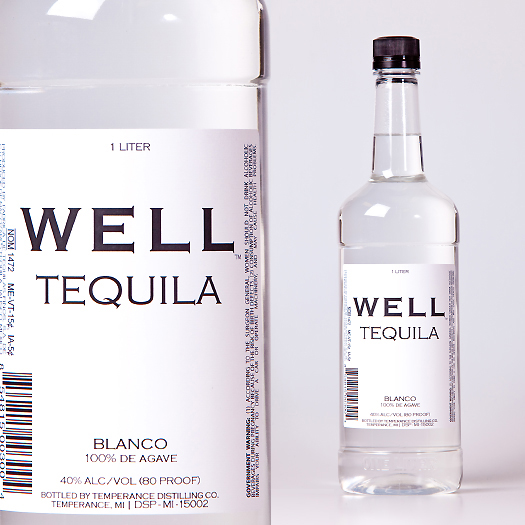
At its heart, “well tequila” refers to the brand of tequila that a bar or restaurant keeps in its “well” – the easily accessible area behind the bar where bartenders can quickly grab bottles for standard drinks. This positioning isn’t accidental; it signifies a strategic choice rooted in a blend of economics, efficiency, and brand alignment.
Defining “Well” in the Bar Industry
The “well” or “house” spirit is primarily selected for its utility in mixed drinks where the specific nuances of a high-end brand might be overshadowed by other ingredients. It is typically a more budget-friendly option, providing a reliable and consistent base for popular cocktails like margaritas, palomas, or tequila sunrises. The decision to designate a particular tequila as “well” is a critical branding choice for an establishment, reflecting its target audience, price point, and overall service philosophy. It’s about providing a dependable product that meets both cost-efficiency and customer expectation for standard pours, without compromising the overall drink experience too significantly.
The Strategic Role of Well Spirits
The selection of well spirits is a foundational element of a bar or restaurant’s brand strategy. It directly influences profit margins, inventory management, and the perceived value offered to customers. A well-chosen well tequila allows an establishment to offer competitively priced drinks while maintaining a consistent quality baseline for its standard cocktail offerings. This consistency is crucial for brand loyalty; customers expect a certain experience when they order a house margarita, and the well tequila is a key component of that expectation. It acts as the backbone for the majority of mixed drink sales, making its selection a pivotal business decision that extends beyond mere cost per pour.
Beyond Tequila: The “Well” Across Categories
While our focus is on tequila, the “well” concept applies broadly across all spirit categories – vodka, gin, rum, whiskey, and so forth. Each spirit category will have its designated “well” brand, chosen based on similar criteria: affordability, versatility, and a flavor profile that lends itself well to mixing without being overly dominant or unpalatable. The collective identity of a bar’s “well” spirits forms a significant part of its overall brand identity, communicating its commitment to value, its operational efficiency, and even its unspoken promise about the quality of its basic offerings.
Brand Implications for Bars and Restaurants
The choice of well tequila is far more than a logistical detail; it’s a powerful statement about a bar or restaurant’s brand identity and its value proposition to customers. This decision subtly, yet profoundly, shapes customer perception and overall business strategy.
Shaping the Establishment’s Identity
A bar’s well tequila selection immediately communicates its brand positioning. An establishment that chooses a widely recognized, mid-tier tequila as its well might be signaling a commitment to accessible quality and broad appeal. Conversely, a bar that opts for an obscure, lower-cost brand could be perceived as prioritizing extreme affordability, potentially at the expense of perceived quality. For high-end cocktail bars, their “well” might still be a premium product, reflecting a brand promise of exceptional quality even in their most basic offerings. This single choice can define whether a place is seen as a budget-friendly local spot, a reliable mid-range eatery, or an upscale destination, directly influencing its target demographic and market perception.
The Price-Quality Perception Balance
Managing the price-quality perception is a delicate balancing act for any bar. While well tequila is generally chosen for its cost-effectiveness, an excessively cheap or notoriously poor-quality well brand can damage an establishment’s reputation. Guests may infer that if the house spirit is subpar, other aspects of the bar’s offerings—from ingredients to service—might also be lacking. On the other hand, a surprisingly good well tequila can enhance a bar’s brand, making customers feel they are getting excellent value and a superior experience even from standard drinks. This balance is crucial for repeat business and positive word-of-mouth.
Operational Efficiency and Customer Experience
Beyond perception, the well tequila choice directly impacts operational efficiency and the actual customer experience. A brand that is consistently available, easy to pour, and blends seamlessly into various cocktails without clashing flavors allows bartenders to work more efficiently, reducing wait times and improving service flow. This efficiency contributes to a smoother, more enjoyable customer experience, which is a cornerstone of strong brand loyalty. A well-selected well tequila is a silent workhorse, enabling a bar to consistently deliver its promised brand experience, even during peak hours.
Brand Strategy for Tequila Producers
For tequila producers, understanding the “well” category is equally vital. It dictates how they position their products, whether they aim for volume sales, premium status, or a nuanced strategy that bridges both worlds.
Navigating the “Well” vs. “Premium” Divide
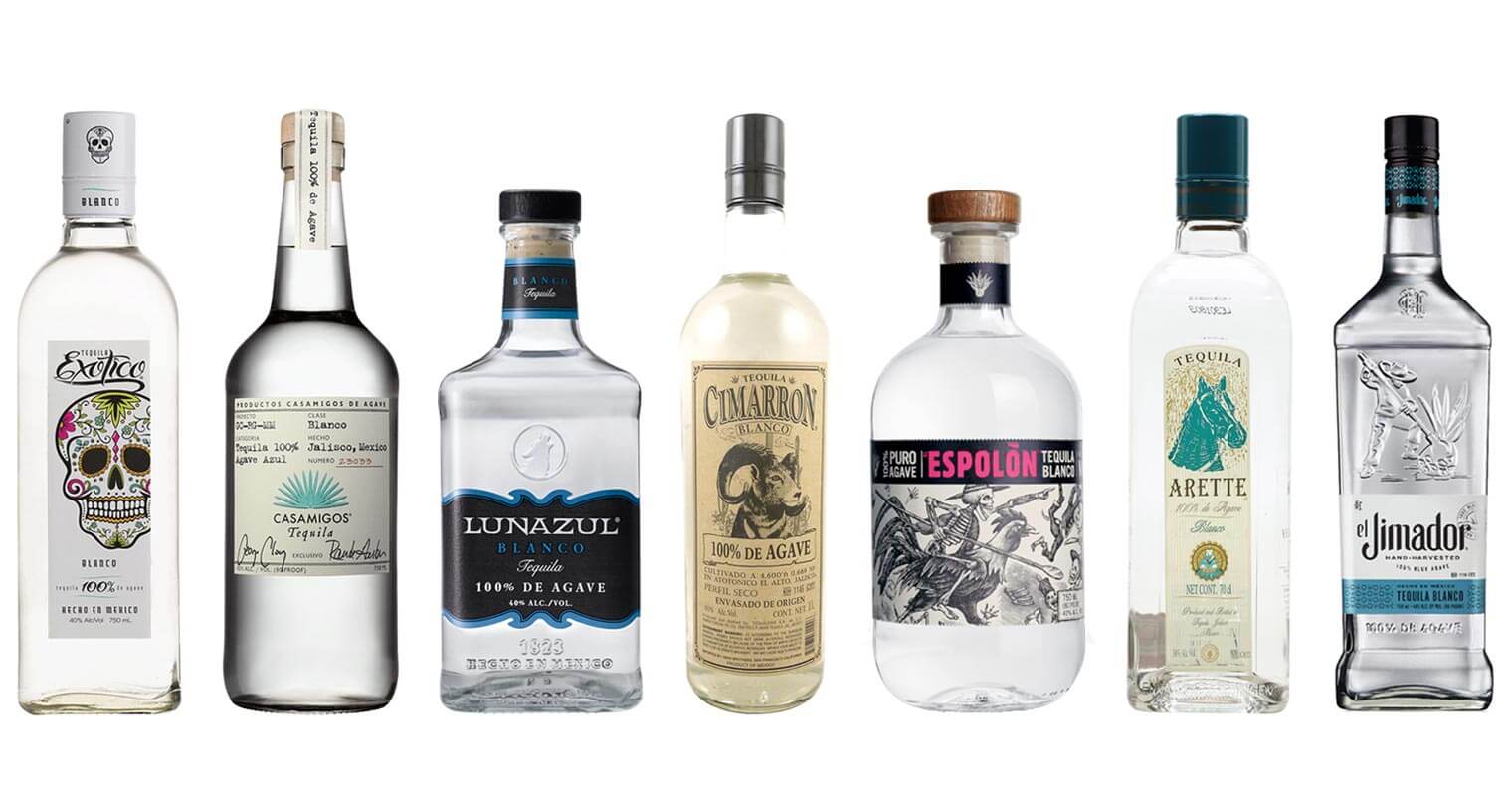
Tequila producers face a fundamental branding decision: do they aim for the high-volume, cost-sensitive “well” market, or do they target the more lucrative, image-driven “premium” and “ultra-premium” segments? Brands positioned as “well” are often focused on efficient production, consistent taste profiles suitable for mixing, and competitive pricing. Their marketing emphasizes versatility and value. In contrast, premium brands highlight craftsmanship, unique distillation processes, aged expressions, and sophisticated tasting notes, aiming for sipping rather than mixing. A producer’s success often hinges on clearly defining their brand’s place on this spectrum and executing a strategy that supports that positioning.
Market Positioning for Volume and Accessibility
For a tequila brand aspiring to be a well pour, the strategy revolves around broad market accessibility and consistent availability. This means ensuring wide distribution, competitive pricing, and a flavor profile that appeals to a general palate and mixes well with common cocktail ingredients. Marketing efforts might target distributors, bar managers, and restaurant owners, emphasizing reliability, favorable cost-per-drink, and a consistent product that bartenders can trust. Success in the well market translates to high sales volumes and broad brand recognition, albeit often without the elevated prestige of premium offerings.
Building Brand Loyalty and Upselling Potential
Even “well” tequila brands can cultivate significant brand loyalty. Bartenders and consumers alike can develop a preference for a specific well tequila due to its consistent quality or favorable characteristics. Producers might leverage this by educating bar staff on their product’s nuances, encouraging a sense of familiarity and trust. Furthermore, a smart producer understands the potential for “upselling” within an establishment. If their well tequila performs reliably, a bar might be more inclined to stock other, higher-tier expressions from the same brand, creating a ladder of choices for the consumer and expanding the producer’s footprint within that venue. This strategy turns the well designation into a stepping stone for broader brand penetration.
Consumer Perception and Brand Education
Ultimately, the branding of “well tequila” extends to how consumers perceive it. Effective brand communication and education can elevate the status of well offerings and shape expectations.
Dispelling Misconceptions: Not All Wells Are Equal
A common misconception among consumers is that “well tequila” automatically equates to “bad” or “cheap” tequila. This isn’t always the case. Many reputable distilleries produce excellent quality tequilas that, for strategic reasons, are positioned for the well market. These brands offer a superior experience compared to truly bottom-shelf options. Effective brand education, both from producers and bars, can help dispel these misconceptions, encouraging consumers to appreciate the consistent quality and value that a well-chosen well tequila can offer. Highlighting the 100% agave nature or the specific production region of a well tequila can significantly shift perception.
The Role of Bartenders as Brand Ambassadors
Bartenders are on the front lines of brand interaction. Their knowledge, recommendations, and the way they handle and describe the well tequila can profoundly influence customer perception. A bartender who can confidently speak to the qualities of their house tequila, perhaps mentioning its origin or flavor profile, effectively acts as a brand ambassador, adding value and credibility to the offering. Conversely, a dismissive attitude can reinforce negative stereotypes. Training bartenders to understand and appreciate their well spirits is a critical, yet often overlooked, aspect of brand management.
Elevating the Well: Craft Cocktails and Experimentation
The rise of craft cocktails has also created opportunities to elevate the perception of well tequila. Many mixologists are now experimenting with high-quality well tequilas, showcasing their versatility and ability to shine in complex recipes. A well-crafted cocktail featuring a house tequila can surprise and delight customers, challenging their preconceived notions about what a “well” drink can be. This innovative approach by bars and the creative use of well spirits can lead to a positive brand halo effect, demonstrating that value and quality are not mutually exclusive in the world of tequila. By embracing and thoughtfully presenting their well tequila, establishments and producers can collectively refine its image, ensuring its pivotal role in the spirits market is recognized and respected.
aViewFromTheCave is a participant in the Amazon Services LLC Associates Program, an affiliate advertising program designed to provide a means for sites to earn advertising fees by advertising and linking to Amazon.com. Amazon, the Amazon logo, AmazonSupply, and the AmazonSupply logo are trademarks of Amazon.com, Inc. or its affiliates. As an Amazon Associate we earn affiliate commissions from qualifying purchases.