
In the dynamic landscape of modern travel, few names evoke a sense of home-away-from-home quite like Vrbo. The seemingly simple question, “what is Vrbo mean,” delves far deeper than a mere acronym or a literal translation. It unlocks a rich narrative of brand evolution, strategic positioning, and a profound impact on how millions experience their vacations. Vrbo, pronounced “VER-boh,” stands as an iconic brand in the vacation rental industry, synonymous with whole-home experiences tailored for families and groups. It represents more than just a platform; it embodies a promise of shared memories, spacious accommodations, and a distinct alternative to traditional hotels.

This article will meticulously explore the essence of the Vrbo brand, dissecting its journey from a pioneering concept to a global household name. We will delve into its unique value proposition, marketing strategies, and its enduring influence on consumer expectations within the vacation rental market, all through the lens of brand strategy and corporate identity.
The Genesis and Evolution of the Vrbo Brand
The story of Vrbo is one of foresight, adaptation, and a steadfast commitment to a particular niche within the travel sector. Understanding its origins is crucial to grasping its current brand identity.
From “Vacation Rentals by Owner” to Vrbo: A Rebranding Journey
Vrbo’s roots trace back to 1995 when it was founded as “Vacation Rentals by Owner.” In an era predating mainstream internet adoption for travel, Vrbo pioneered the concept of connecting travelers directly with homeowners offering their properties for short-term stays. This original name was descriptive and clear, defining its service precisely: facilitating direct bookings for privately owned vacation homes.
The journey from a straightforward descriptor to the distinct, pronounceable “Vrbo” reflects a strategic rebranding effort by its parent company, Expedia Group. This transformation, largely solidified around 2019, was more than just a name change; it was a deliberate move to modernize the brand, make it easier to remember and pronounce globally, and position it more effectively against burgeoning competitors like Airbnb. The rebrand aimed to project a more contemporary, accessible, and friendly image while retaining its core essence of whole-home rentals. It signaled a shift from a literal explanation to a proper noun that could carry a broader emotional and experiential weight, building stronger brand equity. This strategic pivot allowed Vrbo to consolidate its various sub-brands (like HomeAway, which it acquired in 2015) under a unified, powerful banner.
Core Brand Values and Mission
At the heart of the Vrbo brand lies a clear set of values that inform its mission and guide its operations. These values are meticulously crafted to resonate with its target audience and differentiate it in a crowded market. Vrbo’s core mission revolves around providing memorable vacation experiences through unique whole-home rentals. Its brand values typically include:
- Family & Connection: Vrbo heavily emphasizes the ability of its properties to bring families and friends together. Its marketing often showcases multi-generational trips, group gatherings, and the joy of shared experiences, positioning its rentals as venues for connection.
- Space & Privacy: A defining characteristic and a key brand promise is the ample space and privacy offered by whole-home rentals, distinguishing it from the confined spaces of hotel rooms. This value speaks to comfort, freedom, and the ability for groups to relax without constraint.
- Authenticity & Unique Experiences: Vrbo champions the idea that staying in a unique home offers a more authentic travel experience, allowing guests to live like locals and discover destinations from a different perspective than traditional accommodations.
- Trust & Reliability: As a two-sided marketplace, building trust between owners and renters is paramount. Vrbo invests significantly in brand initiatives that foster security, transparent communication, and reliable service, including review systems, payment protection, and customer support.
These values are not just internal guidelines; they are woven into the brand’s outward communication, design aesthetics, and user experience, forming the bedrock of its brand identity.
Differentiating in a Competitive Landscape
The vacation rental market is intensely competitive, with major players like Airbnb, Booking.com, and numerous smaller niche platforms vying for market share. Vrbo’s brand strategy for differentiation centers on a clear and consistent message: focus on whole-home rentals for families and groups.
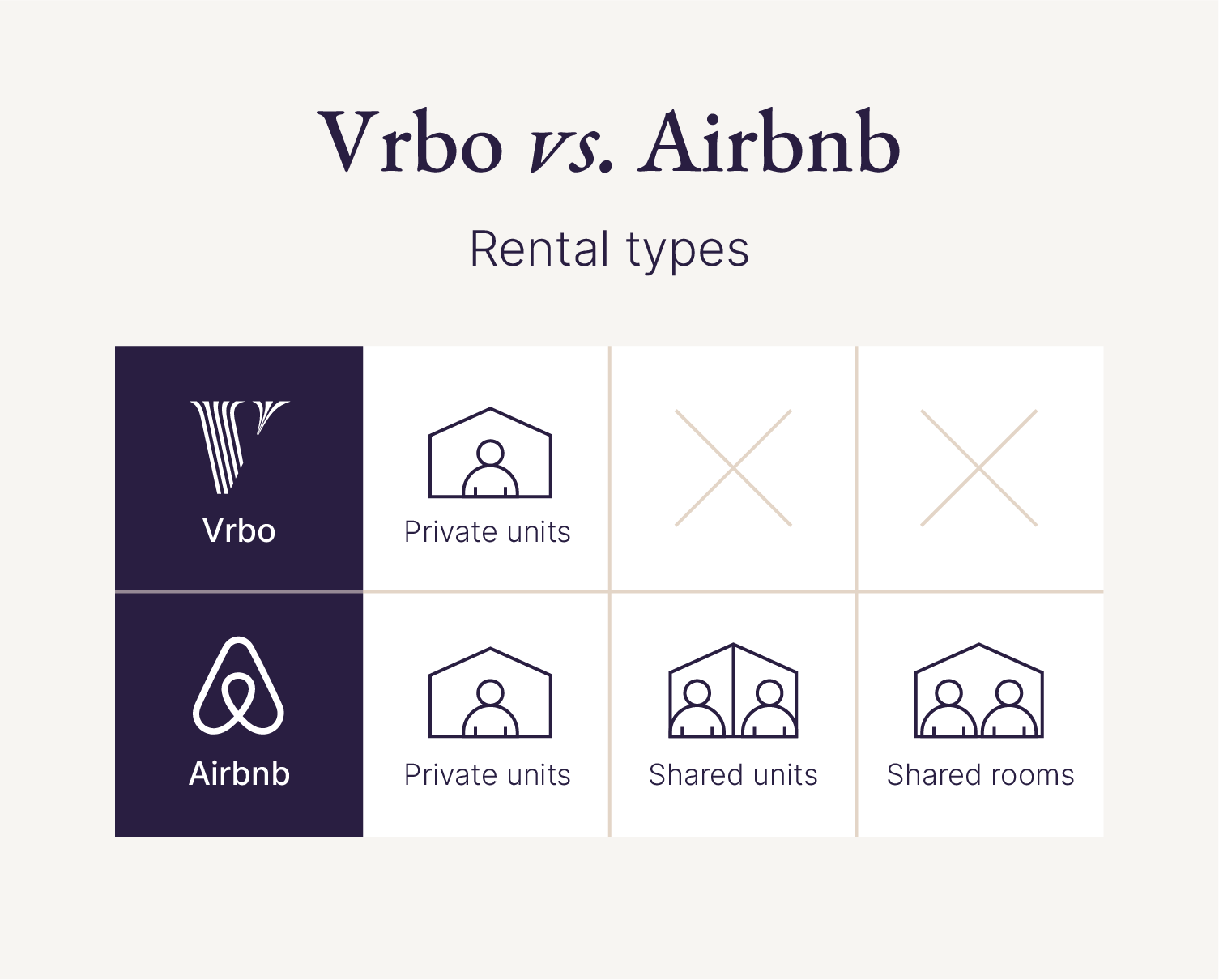
While Airbnb started with a similar premise, its brand expanded to include shared spaces, private rooms, and a broader “experiences” offering. Vrbo, in contrast, has deliberately honed its brand identity around the entire home rental experience. This focus allows it to:
- Target Specific Demographics: By concentrating on families, large groups, and those seeking spacious, private accommodations, Vrbo can tailor its marketing messages and property offerings very precisely.
- Emphasize Specific Benefits: The brand consistently highlights benefits like private pools, multiple bedrooms, full kitchens, and pet-friendly options – features highly valued by its core audience.
- Build Loyalty Around a Distinct Niche: Consumers looking specifically for a house or villa for their next family reunion or group trip often start their search with Vrbo, perceiving it as the specialist in this segment. This clear differentiation helps prevent brand dilution and fosters a strong brand association with a particular type of travel.
This strategic clarity has been instrumental in carving out and defending its significant market position.
Understanding Vrbo’s Unique Value Proposition
Vrbo’s brand is built upon a compelling value proposition that resonates deeply with a specific segment of travelers and property owners. This proposition goes beyond mere transactional utility; it’s about delivering a distinctive experience.
The “Whole Home” Experience: A Brand Promise
The cornerstone of Vrbo’s brand promise is the “whole home” experience. This isn’t just a feature; it’s a fundamental aspect of its corporate identity and marketing. When a traveler books on Vrbo, they expect to rent an entire property – a house, a condo, a villa, or a cabin – rather than just a room within a shared space. This promise implies:
- Uninterrupted Privacy: Guests have the entire property to themselves, fostering a sense of exclusivity and freedom from other guests.
- Ample Space: With multiple bedrooms, living areas, and often outdoor spaces, Vrbo properties are designed to accommodate groups comfortably, allowing everyone to spread out and relax.
- Home-Like Amenities: Full kitchens, laundry facilities, and often unique amenities like game rooms or private beach access are standard, enabling guests to live, cook, and entertain as they would at home.
This “whole home” emphasis is a powerful brand differentiator, especially appealing to families with children, multiple couples traveling together, or groups celebrating special occasions who prioritize privacy, space, and self-sufficiency. It positions Vrbo as the ideal solution for creating a truly communal and intimate vacation.
Targeting the Family and Group Traveler Segment
Vrbo’s brand strategy is expertly crafted to cater specifically to the family and group traveler segment. Every aspect of its branding, from visual aesthetics to advertising campaigns, speaks to the needs and desires of this demographic. This targeted approach is evident in:
- Marketing Imagery: Advertisements consistently feature happy families, friends laughing together, and groups enjoying spacious interiors and outdoor activities at vacation rentals.
- Search Filters: The platform’s search functionality prioritizes filters crucial for groups, such as the number of bedrooms, bathrooms, sleeping capacity, and amenities like pools, hot tubs, and pet-friendliness.
- Content Strategy: Blog posts, social media content, and email newsletters often focus on family-friendly destinations, tips for group travel, and ideas for creating memorable shared experiences.
By hyper-focusing on this segment, Vrbo builds a strong brand association as the go-to platform for group travel, cultivating loyalty among a demographic that often plans multi-year returns to favored destinations or seeks similar accommodations for different trips.
Building Trust and Community: A Brand Imperative
In a peer-to-peer marketplace, trust is not just a desirable quality; it’s an imperative for brand survival and growth. Vrbo understands this implicitly and has invested heavily in building trust and fostering a sense of community among its users. This effort is manifest through:
- Robust Review Systems: Transparent guest reviews and owner responses are central to Vrbo’s trust-building mechanism. They provide social proof and accountability, helping both parties make informed decisions.
- Payment Protection: Vrbo offers various safeguards, including a “Book with Confidence” guarantee, to protect travelers from fraud and ensure secure transactions, bolstering confidence in the brand.
- Clear Policies and Guidelines: Comprehensive guidelines for both owners and guests regarding property expectations, cancellation policies, and communication protocols help standardize the experience and reduce misunderstandings.
- Dedicated Customer Support: A responsive customer service team is crucial for resolving issues swiftly and maintaining user satisfaction, reinforcing the brand’s reliability.
By prioritizing these elements, Vrbo cultivates a reliable ecosystem where property owners feel secure listing their valuable assets, and travelers feel confident booking their dream vacations, strengthening the brand’s reputation as a dependable partner in travel.
Vrbo’s Marketing and Brand Communication Strategies
Effective brand communication is vital for maintaining relevance and capturing new audiences. Vrbo employs sophisticated marketing strategies to reinforce its brand identity and communicate its unique value.
Crafting Compelling Narratives: Storytelling in Travel
Vrbo’s marketing excels at storytelling, moving beyond simply listing features to evoke emotions and aspirations. Its campaigns frequently craft compelling narratives around:
- The “Why” of Travel: Instead of just showcasing a property, Vrbo tells stories about why people travel – to reconnect, celebrate, relax, or explore. The vacation rental then becomes the backdrop for these significant life moments.
- Emotional Resonance: Advertisements often highlight the joy of children playing, friends bonding, or families cooking together, tapping into universal desires for happiness and togetherness.
- Aspiration and Inspiration: Vrbo showcases stunning properties in desirable locations, inspiring viewers to imagine themselves in those settings, making the brand synonymous with aspirational travel experiences.
This narrative-driven approach helps Vrbo build a strong emotional connection with its audience, positioning itself not just as a booking platform but as a facilitator of cherished memories.
Digital Presence and User Experience: Extending the Brand
In the digital age, a brand’s online presence and user experience (UX) are extensions of its identity. Vrbo meticulously designs its digital platforms to reflect its core values:
- Intuitive Website and App Design: The user interface is clean, easy to navigate, and visually appealing, reflecting the brand’s emphasis on seamless, enjoyable experiences. Property listings are rich with high-quality photos and detailed descriptions, aligning with the brand’s focus on transparency and quality.
- Personalization: Leveraging data, Vrbo attempts to personalize recommendations and search results, making the user feel understood and valued, enhancing brand loyalty.
- Content Marketing: Beyond property listings, Vrbo’s blog and social media channels offer travel guides, destination inspiration, and tips for vacation planning, positioning the brand as an authoritative and helpful resource in the travel domain.
A consistent and positive digital experience ensures that the brand’s promises are delivered at every touchpoint, from initial search to post-stay engagement.
Leveraging Partnerships and Influencers
To broaden its reach and reinforce its brand message, Vrbo strategically engages in partnerships and influencer marketing.
- Travel Influencers and Bloggers: Collaborating with travel personalities who resonate with the family and group travel demographic helps Vrbo reach authentic audiences and generate credible recommendations. These partnerships often result in engaging content that showcases real-life Vrbo experiences.
- Strategic Brand Alliances: Depending on the market, Vrbo might partner with local tourism boards, event organizers, or other lifestyle brands that align with its target audience’s interests (e.g., outdoor gear companies, family entertainment venues).
- Parent Company Synergy: As part of Expedia Group, Vrbo benefits from cross-promotional opportunities and shared resources within a vast travel ecosystem, reinforcing its credibility and expanding its visibility.
These collaborations allow Vrbo to extend its brand narrative beyond its owned channels, tapping into new communities and reinforcing its status as a leading player in the vacation rental space.
The Impact of Vrbo on the Vacation Rental Market
Vrbo’s enduring presence and strategic branding have had a profound and lasting impact on the vacation rental market, shaping both consumer and owner behaviors.
Shaping Consumer Expectations and Preferences
For decades, Vrbo has played a pivotal role in educating consumers about the benefits of vacation rentals, particularly whole-home options. Its consistent branding has:
- Normalized Whole-Home Rentals: Before Vrbo, renting a private home for vacation was often seen as an exclusive or cumbersome process. Vrbo helped demystify and democratize it, making it accessible to a broader audience.
- Elevated Expectations for Space and Amenities: By consistently showcasing properties with ample space, private amenities (like pools), and full kitchens, Vrbo has raised consumer expectations for what a vacation accommodation can offer beyond a standard hotel room.
- Fostered a Preference for “Living Like a Local”: The brand’s emphasis on authenticity has contributed to a growing desire among travelers to immerse themselves in a destination by staying in a local home rather than a generic hotel.
Vrbo’s brand work has, in essence, helped to cultivate a distinct segment of travelers who actively seek out the unique advantages that vacation rentals provide, moving beyond traditional hospitality models.
Challenges and Opportunities for Brand Growth
Despite its strong brand recognition, Vrbo faces ongoing challenges and opportunities in an ever-evolving market:
- Increased Competition: The market continues to grow more crowded, necessitating constant innovation in branding, technology, and service to maintain a competitive edge.
- Regulatory Scrutiny: Local regulations concerning short-term rentals can pose challenges for brand expansion and operational consistency. Vrbo must navigate these complexities while maintaining its brand promise.
- Economic Fluctuations: Travel is sensitive to economic downturns, requiring flexible brand strategies and messaging to adapt to changing consumer spending habits.
- Opportunity in Niche Markets: While Vrbo targets groups, there’s always potential to further segment and brand specific types of whole-home rentals (e.g., luxury villas, remote cabins, urban family stays) to capture more precise audiences.
- Sustainability and Responsible Tourism: As consumer awareness grows, integrating sustainability into its brand messaging and operational practices presents a significant opportunity for Vrbo to enhance its corporate social responsibility.
Addressing these challenges and seizing opportunities will require agile brand management and a continuous commitment to understanding and serving its core audience.

Looking Ahead: The Future of the Vrbo Brand
The future of the Vrbo brand will undoubtedly be shaped by technological advancements, evolving traveler preferences, and strategic brand innovations. We can anticipate continued efforts in:
- Enhanced Personalization: Leveraging AI and data analytics to offer even more tailored property recommendations and curated travel experiences.
- Seamless Integration: Further integrating with other Expedia Group brands and travel services to offer a more holistic trip planning experience.
- Focus on Experiential Stays: While whole homes are core, there may be an increased emphasis on unique experiences offered at or from these properties, moving beyond just the accommodation itself.
- Community Building: Deepening the sense of community among both owners and guests through enhanced communication tools, loyalty programs, and curated content.
- Global Expansion and Localization: Adapting its brand messaging and offerings to resonate with diverse international markets while maintaining its core identity.
The Vrbo brand, having successfully navigated decades of market changes, is poised to continue its evolution, steadfastly delivering on its promise of memorable whole-home vacations for families and groups worldwide.
In conclusion, “what is Vrbo mean” signifies much more than a simple definition; it encapsulates the identity of a pioneering brand that has profoundly shaped the vacation rental industry. Through strategic rebranding, a focused value proposition, compelling marketing, and a relentless commitment to its core audience, Vrbo has cemented its position as a leading brand synonymous with spacious, private, and family-friendly whole-home accommodations. Its journey underscores the power of clear brand strategy in building enduring trust and loyalty in a competitive global market.
aViewFromTheCave is a participant in the Amazon Services LLC Associates Program, an affiliate advertising program designed to provide a means for sites to earn advertising fees by advertising and linking to Amazon.com. Amazon, the Amazon logo, AmazonSupply, and the AmazonSupply logo are trademarks of Amazon.com, Inc. or its affiliates. As an Amazon Associate we earn affiliate commissions from qualifying purchases.