
In the contemporary marketplace, the definition of “volunteering” has transcended simple acts of charity. For a modern organization, volunteering is no longer a peripheral HR activity or a seasonal photo opportunity; it is a core component of brand strategy. When we ask, “What is volunteering?” from a brand perspective, we are really asking how an organization manifests its values in the real world. It is the bridge between a brand’s stated mission and its tangible impact on society.
Strategic volunteering serves as a powerful differentiator. In an era where consumers are increasingly cynical about traditional advertising, a brand’s commitment to service provides a level of authenticity that cannot be purchased through media buys. This article explores how volunteering functions as a critical pillar of brand equity, corporate identity, and long-term market positioning.

The Evolution of Volunteering as a Brand Pillar
The traditional view of corporate volunteering was often limited to “chequebook philanthropy” or occasional manual labor—teams painting fences or cleaning parks once a year. While noble, these activities often lacked a strategic connection to the brand’s core identity. Today, volunteering has evolved into a sophisticated tool for brand building.
From Charity to Strategy: The Shift in Corporate Identity
Modern brand identity is built on more than just products and services; it is built on purpose. Volunteering represents the “proof of work” for a brand’s values. When a brand integrates volunteering into its corporate DNA, it shifts from being a transactional entity to a relational one. This shift is essential because a brand is essentially a promise. If that promise includes “making the world better,” volunteering is the mechanism that fulfills that promise. Strategic volunteering ensures that every hour an employee spends serving the community reinforces the brand’s overarching narrative.
Why Modern Consumers Demand Values-Based Action
The rise of the “conscious consumer” has fundamentally altered the branding landscape. Millennials and Gen Z, who now wield significant purchasing power, prioritize brands that demonstrate social responsibility. For these demographics, volunteering is a litmus test for brand sincerity. A brand that talks about sustainability but fails to engage in local environmental volunteering is seen as “purpose-washing.” Conversely, a brand that consistently shows up in the community builds a reservoir of goodwill that protects its reputation during crises and fosters deep-seated brand loyalty.
Building Brand Equity through Skills-Based Volunteering
One of the most significant trends in brand strategy is the move toward skills-based volunteering. This involves employees using their professional expertise—marketing, legal, financial, or strategic planning—to help non-profits. This approach does more than provide service; it reinforces the brand’s authority in its specific niche.
Leveraging Professional Expertise for Social Impact
When a branding agency volunteers its time to help a local charity rebrand, it is doing more than helping a cause; it is showcasing its core competency in a high-stakes, high-impact environment. This type of volunteering serves as a live demonstration of the brand’s skill set. It tells the market, “We are so good at what we do that our expertise can transform even the most resource-constrained organizations.” This reinforces the brand’s position as an industry leader and an expert in its field.
Enhancing Brand Credibility via Intellectual Philanthropy
Intellectual philanthropy—the gifting of knowledge—is a powerful brand-building tool. It positions the brand as a “thought leader with a heart.” When a company’s leadership serves on non-profit boards or provides pro-bono consulting, they are elevating the brand’s prestige. This creates a halo effect: the credibility gained through selfless expert service bleeds into the brand’s commercial reputation. Credibility is the hardest currency to earn in branding, and skills-based volunteering is one of the most effective ways to mint it.
Employee Advocacy: The Human Face of the Brand
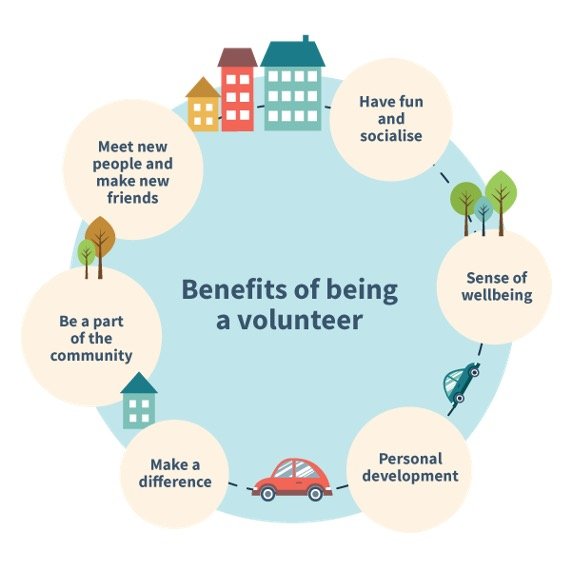
A brand is not a logo; it is the collective experience of the people behind it. Volunteering plays a dual role here, acting as both an internal culture builder and an external marketing force.
Internal Brand Culture and the Volunteer Spirit
Internal branding is just as important as external branding. If employees do not believe in the brand’s mission, customers won’t either. Volunteering programs boost employee engagement, which is directly linked to the quality of service they provide to customers. When employees participate in brand-sanctioned volunteering, they feel a sense of pride and belonging. This internal cohesion creates a “brand soul” that is palpable to the outside world. A company with a strong volunteer culture attracts top talent, and in the world of branding, your talent is your greatest asset.
Turning Employees into Brand Ambassadors through Community Service
When employees volunteer, they become the human face of the brand. In those moments, they are not salespeople; they are community members. This human-to-human interaction is more powerful than any digital campaign. An employee wearing a company-branded t-shirt while serving at a food bank sends a silent but potent message about what the company stands for. These interactions build trust at a grassroots level, creating brand ambassadors who can speak authentically about the company’s values because they have lived them.
Measuring the ROI of Brand-Led Volunteering
In the world of brand strategy, what gets measured gets managed. While the primary goal of volunteering is social impact, a brand must also understand the return on investment (ROI) to ensure the sustainability of these programs.
Quantitative vs. Qualitative Brand Impact
The ROI of volunteering can be measured through various lenses. Quantitatively, brands look at metrics like employee retention rates, recruitment costs (which are lower for purpose-driven brands), and even direct sales spikes following community initiatives. Qualitatively, brands measure “brand sentiment” and “Net Promoter Scores” (NPS). Does the public perceive the brand more favorably because of its volunteer efforts? High-quality branding research often shows a direct correlation between community involvement and increased brand trust.
Long-term Reputation Management and Risk Mitigation
Volunteering is a form of “reputation insurance.” Brands that have a long history of genuine community service have more “social capital” to spend when things go wrong. If a company with a strong volunteer record makes a mistake, the public is generally more forgiving because the brand has established a foundation of trust. In contrast, a brand with no history of service is often judged more harshly. From a strategic branding perspective, volunteering is an investment in the brand’s resilience.
Best Practices for Integrating Volunteering into Brand Strategy
To truly leverage volunteering as a brand asset, it must be handled with care. If done poorly, it can look like a PR stunt, which can be more damaging than doing nothing at all.
Authenticity Over Optics: Avoiding “Purpose-Washing”
The quickest way to destroy brand equity is to be caught in a lie. Authenticity is the cornerstone of brand-led volunteering. This means the commitment must be long-term and consistent. One-off events that are heavily promoted but never repeated often feel cynical. To avoid “purpose-washing,” a brand must ensure its volunteer efforts are deeply integrated into its business model. The goal is to make volunteering a natural extension of the brand, not a forced marketing tactic.
Strategic Alignment: Choosing Causes that Mirror Brand DNA
Not all causes are the right fit for every brand. A financial services brand might focus on financial literacy volunteering, while an outdoor apparel brand might focus on environmental conservation. This is called “strategic alignment.” When the cause matches the brand’s industry or mission, the impact on brand identity is magnified. It creates a cohesive story that makes sense to the consumer. Strategic alignment ensures that the volunteering efforts reinforce the brand’s positioning in the market, making the brand more memorable and meaningful.

Conclusion: Volunteering as the Ultimate Brand Statement
In conclusion, when we redefine “what is volunteering” through the lens of brand strategy, we see it as the ultimate expression of corporate identity. It is the bridge between profit and purpose, transforming a company from a mere provider of goods into a vital participant in society. By strategically integrating volunteering into their core operations, brands can build deeper trust, foster employee loyalty, and create a lasting legacy that goes far beyond the bottom line. In the modern economy, your brand is not what you say it is—it is what you do for others.
aViewFromTheCave is a participant in the Amazon Services LLC Associates Program, an affiliate advertising program designed to provide a means for sites to earn advertising fees by advertising and linking to Amazon.com. Amazon, the Amazon logo, AmazonSupply, and the AmazonSupply logo are trademarks of Amazon.com, Inc. or its affiliates. As an Amazon Associate we earn affiliate commissions from qualifying purchases.