
For many, the path to financial independence and stability is a straightforward, if sometimes challenging, journey. For individuals living with disabilities, however, this path often presents unique obstacles. Vocational Rehabilitation, or Voc Rehab, emerges as a critical lifeline in this context, serving not merely as an employment program but as a powerful financial engine. It is a comprehensive suite of services designed to help individuals with disabilities prepare for, secure, and maintain meaningful employment, thereby fostering economic self-sufficiency and enhancing their overall financial well-being. Far from a simple job placement service, Voc Rehab is an investment in human capital, directly impacting earning potential, long-term financial planning, and the reduction of reliance on public assistance, placing it squarely within the realm of crucial “Money” topics.

The Financial Imperative Behind Vocational Rehabilitation
The economic disparities faced by individuals with disabilities are stark and well-documented. Lower employment rates, reduced wages, and higher poverty rates are persistent challenges that Voc Rehab endeavors to dismantle. Understanding Voc Rehab requires recognizing its fundamental role in addressing these financial inequities.
Bridging the Income Gap for Individuals with Disabilities
One of the most profound financial contributions of Voc Rehab is its direct impact on closing the income gap. Statistics consistently show that people with disabilities are less likely to be employed and, when employed, often earn less than their non-disabled counterparts. This gap creates significant financial strain, impacting everything from daily living expenses to the ability to save for the future or retire comfortably. Voc Rehab programs provide targeted interventions, such as specialized job training, skill development, and educational support, which equip individuals with the competencies needed for competitive employment. By matching skills to market demands and providing tailored support, Voc Rehab directly increases an individual’s employability and, consequently, their earning potential, offering a pathway out of economic disadvantage.
Reducing Dependency and Fostering Financial Autonomy
A core financial objective of Voc Rehab is to reduce an individual’s reliance on various forms of financial support, whether it be Social Security Disability Insurance (SSDI), Supplemental Security Income (SSI), or family assistance. While these programs provide essential safety nets, they are not designed for long-term financial growth or autonomy. Successful engagement with Voc Rehab empowers individuals to transition from a state of dependency to one of self-sufficiency. Earning a consistent income allows for greater personal financial control, the ability to manage one’s own budget, save, and invest, thereby fostering a sense of dignity and independence that is inherently tied to financial freedom. This shift not only benefits the individual but also lightens the load on public assistance programs, creating a ripple effect of financial benefit.
A Sound Investment: Economic Benefits for Society
Beyond the individual, Voc Rehab represents a sound economic investment for society as a whole. When individuals transition from unemployment or underemployment to stable, meaningful work, they become taxpayers, contributing to federal, state, and local coffers. Their increased earnings translate into greater consumer spending, stimulating local economies. Moreover, the reduction in reliance on public assistance programs frees up taxpayer dollars for other critical services. From an economic perspective, supporting Voc Rehab is not merely a social program; it is a strategic investment in human capital that yields measurable returns through increased productivity, reduced social costs, and a more robust, inclusive economy. It’s an approach that transforms recipients of benefits into contributors to the economic fabric.
Navigating the Financial Landscape of Voc Rehab Programs
Understanding how Voc Rehab programs are structured, funded, and the range of services they offer is crucial for anyone considering this path. The financial accessibility and impact of these services are central to their effectiveness.
Understanding Funding Sources and Eligibility
Vocational rehabilitation services in the United States are primarily funded through a state-federal partnership, authorized by the Rehabilitation Act of 1973. This means that each state operates its own Voc Rehab agency, receiving federal grants to provide services. Eligibility typically hinges on two main criteria: having a physical or mental disability that constitutes a substantial impediment to employment, and demonstrating that Voc Rehab services are necessary to achieve an employment outcome. For eligible individuals, many of these services are provided at no direct cost, making them incredibly financially accessible. Other funding sources can include workers’ compensation (for work-related injuries) and benefits for veterans through the Department of Veterans Affairs, all designed to remove financial barriers to participation and recovery.
The Spectrum of Services and Their Financial Impact
The breadth of services offered through Voc Rehab is extensive, and each component plays a role in enhancing an individual’s financial prospects:
-
Career Counseling and Assessment: Helps individuals identify suitable career paths based on their skills, interests, and limitations, leading to more sustainable and financially rewarding job choices.
-
Education and Training: Covers tuition, fees, and supplies for academic programs, vocational schools, or on-the-job training, directly investing in the individual’s future earning capacity by upgrading their skills.
-
Assistive Technology and Devices: Provides necessary equipment (e.g., specialized software, adaptive tools) to overcome disability-related barriers, enabling individuals to perform job duties effectively and remain competitive in the workforce. This can be a significant upfront cost that is often covered, removing a financial burden from the individual.
-
Job Placement and Retention Services: Includes resume building, interview coaching, job search assistance, and ongoing support to ensure successful employment and long-term job retention, directly translating to sustained income.
-
Transportation and Medical Services: In some cases, services may include funding for transportation to training or work, or medical interventions directly related to improving employment prospects, further removing financial impediments.
Each of these services is an investment designed to maximize the individual’s potential for earning a stable income and building financial resilience.
Maximizing Benefits: Financial Planning During the Process
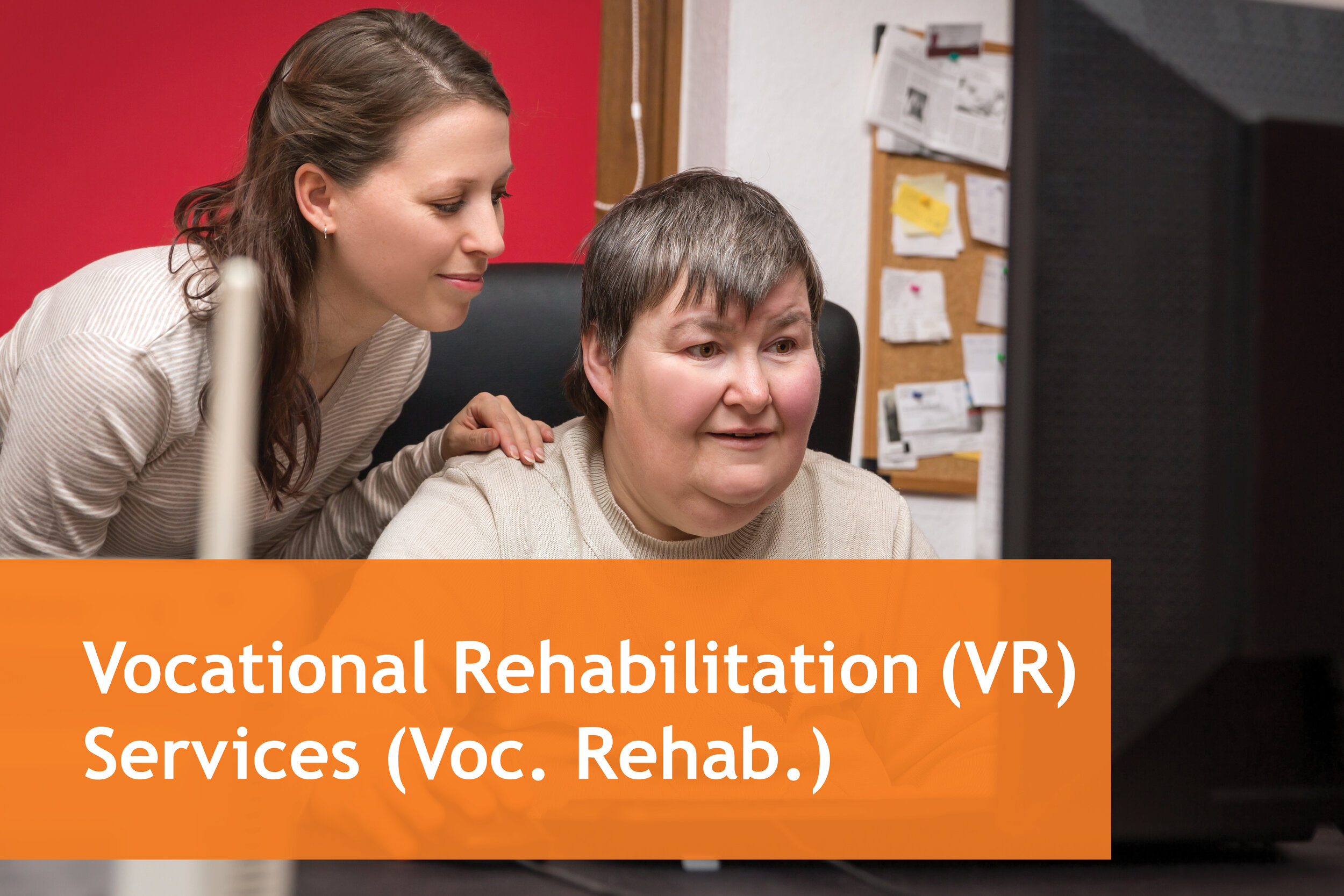
Engaging in a Voc Rehab program requires strategic financial planning. While services are often free, individuals may still need to manage living expenses during periods of training or job search. Understanding how various benefits (like SSDI/SSI) interact with earned income is crucial to avoid “benefit cliffs” – situations where an increase in earnings leads to a sudden loss of essential support. Voc Rehab counselors often provide guidance or refer individuals to experts who can help navigate these complexities, ensuring a smooth financial transition. Planning for potential short-term financial adjustments during training can significantly impact the long-term success and financial sustainability gained from the program.
Voc Rehab as a Catalyst for Long-Term Financial Well-being
Voc Rehab’s impact extends far beyond initial job placement, serving as a critical catalyst for sustainable career development and comprehensive financial security.
Building Sustainable Careers and Wealth
Unlike short-term job placement initiatives, Voc Rehab aims to equip individuals not just with a job, but with the foundation for a sustainable career. This involves helping them identify career pathways with opportunities for advancement, ongoing skill development, and upward mobility in terms of salary and responsibility. By investing in an individual’s long-term professional growth, Voc Rehab facilitates increased lifetime earnings, enabling greater opportunities for saving, investing, purchasing assets, and ultimately building wealth. This long-term perspective is fundamental to achieving true financial independence and generational financial security.
The Role of Work Incentives and Financial Literacy
Many individuals with disabilities are concerned about losing their vital benefits if they return to work. Programs like the Social Security Administration’s Ticket to Work and various work incentives are designed to mitigate these fears, allowing individuals to test their ability to work without immediately jeopardizing their benefits. These incentives provide a crucial financial bridge, enabling a gradual transition to self-sufficiency. Furthermore, financial literacy education, often integrated into or recommended alongside Voc Rehab services, empowers individuals to manage their newfound income effectively, understand budgeting, debt management, and basic investment principles, thereby solidifying their financial future.
Beyond Employment: Achieving Comprehensive Financial Security
Stable employment secured through Voc Rehab often opens doors to a broader array of financial benefits that contribute to overall security. Access to employer-sponsored health insurance significantly reduces out-of-pocket medical expenses, which can be particularly burdensome for individuals with disabilities. Participation in employer-matched retirement plans (like 401(k)s) provides a powerful mechanism for building retirement savings, a critical component of long-term financial well-being. Furthermore, stable employment can improve credit scores, facilitate access to loans for major purchases, and provide a sense of economic stability that underpins mental and emotional health – all invaluable contributions to a comprehensive financial safety net.
Challenges and Strategic Financial Considerations
While Voc Rehab offers immense financial opportunities, navigating its complexities requires awareness of potential challenges and strategic financial planning.
Overcoming Financial Disincentives and Benefit Cliffs
The “benefit cliff” remains a significant challenge, where even a small increase in earned income can lead to a disproportionately large reduction or loss of essential benefits (like Medicaid, housing assistance, or food stamps). This creates a disincentive to work more or earn more, effectively trapping individuals in a cycle of dependency. Voc Rehab counselors, alongside benefits specialists, play a crucial role in helping individuals understand these intricate rules and develop personalized financial plans that allow them to maximize their income while strategically managing their benefits. Advocacy for policy changes that smooth these cliffs is also an ongoing effort to ensure work is always financially advantageous.
Long-Term Financial Planning and Independence
Achieving an employment outcome through Voc Rehab is a significant milestone, but it’s only the beginning of the journey toward true financial independence. Individuals must be encouraged and equipped to engage in continuous long-term financial planning. This includes establishing emergency funds, setting clear financial goals, understanding investment options, and planning for retirement. The skills and resources gained through Voc Rehab provide the foundation, but ongoing commitment to financial literacy and prudent management is essential for sustaining the independence achieved.
Advocating for Investment in Human Capital
Ultimately, Vocational Rehabilitation is more than a social service; it is a critical economic development strategy. By investing in the potential of individuals with disabilities, society reaps significant financial dividends. Continued advocacy for robust funding and support for Voc Rehab programs is essential. These programs represent an investment in human capital that yields not only improved individual financial outcomes but also contributes to a stronger, more inclusive, and more productive national economy. Recognizing Voc Rehab as a vital financial tool underscores its importance and warrants its sustained support.

Conclusion
Vocational Rehabilitation is a profound financial tool, meticulously designed to empower individuals with disabilities to overcome economic barriers and achieve lasting financial independence. It directly addresses income disparities, reduces reliance on public assistance, and cultivates sustainable career paths that lead to increased lifetime earnings and wealth accumulation. By providing accessible services and fostering long-term financial well-being, Voc Rehab stands as a testament to the power of targeted investment in human potential. It’s a program that pays dividends not just to the individuals it serves, but to the entire economic fabric, securing its place as an indispensable component of any comprehensive “Money” strategy.
aViewFromTheCave is a participant in the Amazon Services LLC Associates Program, an affiliate advertising program designed to provide a means for sites to earn advertising fees by advertising and linking to Amazon.com. Amazon, the Amazon logo, AmazonSupply, and the AmazonSupply logo are trademarks of Amazon.com, Inc. or its affiliates. As an Amazon Associate we earn affiliate commissions from qualifying purchases.