
In an increasingly digital world, where transactions move at the speed of light and physical wallets sometimes feel like an anachronism, the concept of a virtual Visa card has emerged as a cornerstone of modern financial management. Far from being a mere digital replica of its plastic counterpart, a virtual Visa card is a dynamic financial tool designed to enhance security, provide greater control over spending, and streamline operations for both individuals and businesses. It represents a significant evolution in how we interact with our money, offering a flexible and robust solution for navigating the complexities of online payments, subscriptions, and even international transactions.

At its heart, a virtual Visa card is a set of unique payment credentials – a 16-digit card number, an expiry date, and a CVV (Card Verification Value) – generated specifically for online, phone, or app-based transactions, without a physical card ever being issued. These credentials operate on the ubiquitous Visa network, granting them universal acceptance wherever Visa is processed, which is virtually everywhere payments are accepted electronically. This introductory look will delve into the essence of virtual Visa cards, exploring their mechanisms, their myriad applications in personal and business finance, and their pivotal role in shaping the future of digital money management. Understanding this innovative financial instrument is no longer a niche concern but a fundamental aspect of savvy economic participation in the 21st century.
The Core Concept: Understanding Virtual Visa Cards
To truly grasp the value proposition of a virtual Visa, one must first understand its foundational principles and how it diverges from traditional payment methods. It’s not just a digital version of a physical card; it’s a re-imagining of financial control and security in a connected world.
Defining Virtual Cards in the Financial Landscape
A virtual card, often issued by banks or fintech companies, is essentially a digital-only payment instrument linked to an existing bank account or a pre-funded balance. While it carries the Visa branding and operates on the same global payment network, allowing for seamless transactions, its non-physical nature is its defining characteristic. These cards are not meant for swiping, inserting, or tapping at a physical point-of-sale terminal. Instead, they are tailored for digital environments, such as e-commerce websites, mobile applications, and subscription services, where card details are entered manually or via autofill.
The financial credentials associated with a virtual Visa card are typically unique and, in many cases, temporary. This temporariness or single-use capability is a key feature, allowing users to generate a new card number for each transaction, or for specific vendors, thereby compartmentalizing financial exposure. This isolation of transaction data is a primary driver behind its growing adoption as a preferred financial tool for mitigating risks inherent in online activities.
How Virtual Visas Differ from Physical Cards
The distinctions between virtual and physical Visa cards are significant, particularly from a financial management perspective. A physical card, while versatile, carries inherent risks. If lost or stolen, the cardholder’s primary account information is exposed, necessitating immediate cancellation and potentially lengthy recovery processes. Furthermore, a single physical card is often used across numerous merchants, meaning a data breach at any one of those merchants could compromise the cardholder’s financial security across all platforms.
Virtual Visa cards, by contrast, offer a layer of abstraction. Each virtual card can be assigned specific spending limits, expiry dates, or even be configured for single-use or merchant-specific transactions. This granular control is impossible with a standard physical card. For instance, a physical card typically draws directly from your primary checking or credit line. A virtual card, however, might be tied to a sub-account, a pre-funded amount, or operate with a distinct set of credentials that, if compromised, do not expose your main financial accounts. This makes virtual cards particularly powerful for managing risk and expenses without jeopardizing your overarching financial health.
The Technology Underpinning Financial Security
While a deep dive into the technology might stray from the money niche, it’s crucial to acknowledge that the security features embedded in virtual Visa cards directly impact their financial utility. These cards leverage advanced encryption, tokenization, and dynamic data generation to protect sensitive financial information. When a virtual card is used, the actual primary account number (PAN) is often not transmitted to the merchant. Instead, a unique token is sent, which is useless if intercepted. This tokenization process significantly reduces the risk of data breaches leading to financial fraud. Furthermore, many virtual card platforms allow users to instantly freeze, cancel, or generate new card numbers through a secure online portal or mobile app, offering unprecedented real-time control over their financial assets. This technological robustness is what makes virtual Visas such a powerful tool for safeguarding your money in the digital realm.
Practical Applications for Personal Finance
For the individual managing their personal finances, a virtual Visa card offers a suite of benefits that extend beyond mere convenience, impacting budgeting, security, and overall financial peace of mind.
Enhanced Security for Online Shopping and Subscriptions
One of the most compelling advantages of using a virtual Visa for personal finance is the significantly enhanced security it provides for online transactions. When making a purchase from an unfamiliar e-commerce site or signing up for a new subscription service, using your primary physical credit or debit card exposes your main account details. Should that merchant suffer a data breach, your primary financial instrument could be compromised.
With a virtual Visa, you can generate a unique card number for each new vendor or subscription. If that specific virtual card number is ever compromised, only that particular card and its defined spending limits are at risk, leaving your main bank accounts and other payment methods untouched. This dramatically reduces the potential fallout from online fraud. For recurring subscriptions, you can create a virtual card with a specific monthly limit, ensuring you are never overcharged and can easily discontinue payments if needed, without having to cancel your entire primary card.
Budgeting and Expense Control with Virtual Cards
Virtual cards are excellent tools for meticulous budgeting and expense tracking. Many virtual card platforms allow users to set specific spending limits for each card, which can be invaluable for categories like entertainment, online shopping, or food delivery services. For instance, you could allocate a specific monthly budget for online discretionary spending by funding a virtual card with that exact amount. Once the limit is reached, the card will decline further transactions, acting as an automatic guardrail against overspending.
This level of control makes it easier to stick to a budget, identify spending patterns, and prevent impulse purchases from derailing financial goals. Detailed transaction histories for each virtual card also simplify expense categorization, making it easier to review where your money is going at the end of the month or year, thereby improving financial literacy and planning.
Managing Online Income and Side Hustle Payments
For individuals engaged in online income generation, freelancing, or side hustles, virtual Visa cards offer a streamlined and secure method for managing income and related expenses. If you receive payments through various online platforms, having a dedicated virtual card can help separate your business income and expenses from your personal finances.
Moreover, if your side hustle requires you to purchase specific tools, software subscriptions, or advertising, using virtual cards with set limits for these categories ensures that business expenses remain within budget and are easily identifiable for tax purposes. This clear separation aids in financial reporting and tax preparation, making it a valuable asset for anyone navigating the complexities of independent income streams.
Protecting Your Primary Financial Accounts
Ultimately, a central financial benefit of virtual Visa cards for personal use is the robust protection they offer to your primary financial accounts. By acting as a disposable or single-vendor financial proxy, they create a significant buffer between your core banking information and the vast, often unpredictable, online world. This insulation reduces the stress and potential financial losses associated with fraud, giving individuals greater confidence and security in their digital financial interactions. It’s an essential tool for modern financial self-defense.
Strategic Uses for Business Finance
Beyond individual applications, virtual Visa cards are rapidly becoming an indispensable tool for businesses of all sizes, revolutionizing how companies manage expenses, mitigate fraud, and streamline financial operations.
Streamlining Vendor Payments and Employee Expenses
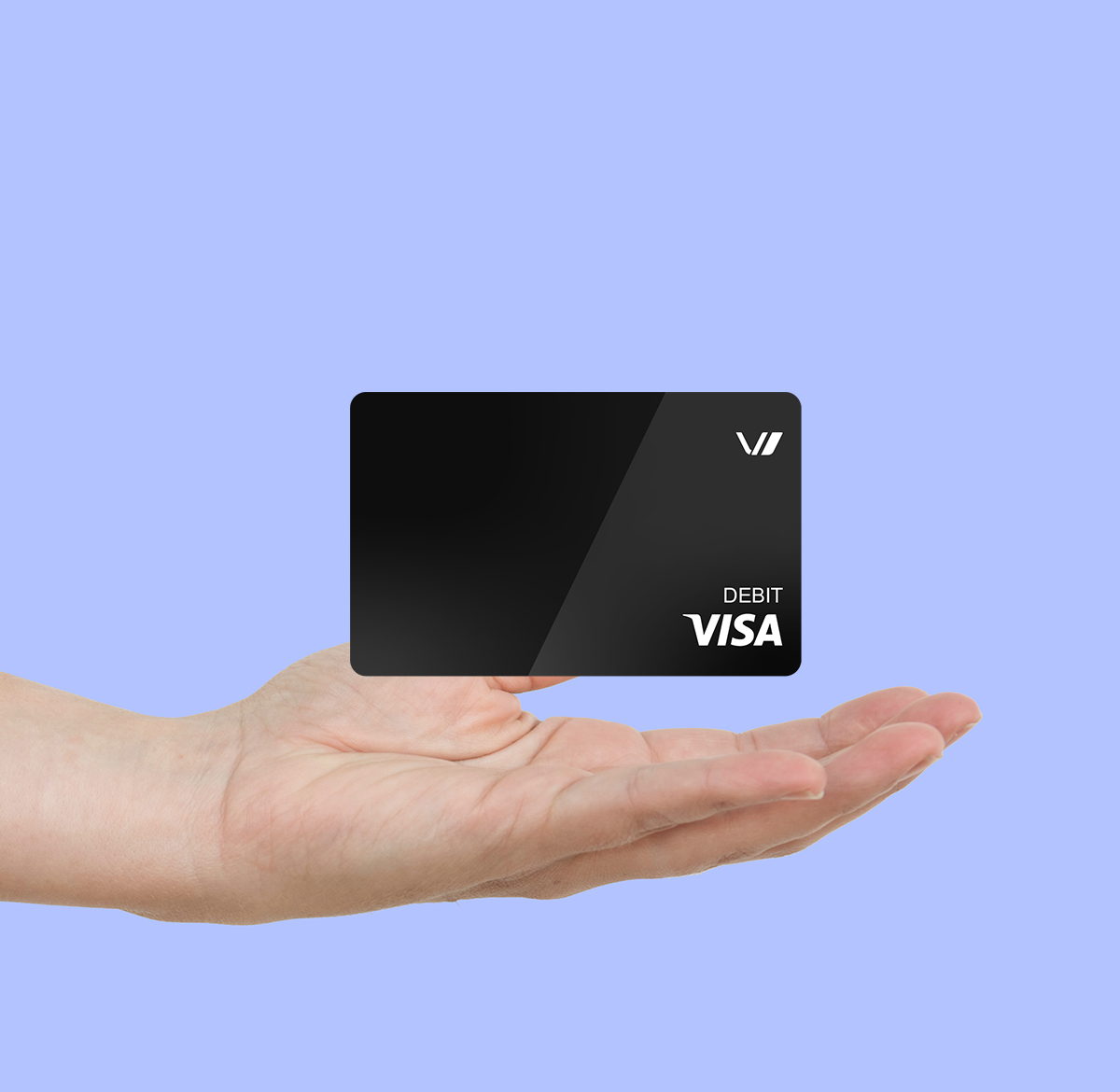
For businesses, the administrative burden of managing vendor payments and employee expenses can be substantial. Virtual Visa cards offer a powerful solution for both. Instead of issuing physical corporate cards to every employee, which carries inherent risks and logistical challenges, businesses can provision virtual cards with granular controls. Each virtual card can be assigned to a specific employee, department, project, or vendor, complete with pre-set spending limits, authorized merchant categories, and expiry dates.
This allows finance departments to instantaneously issue cards for specific purchases (e.g., a marketing team needing to pay for an ad campaign, or an IT department purchasing new software), ensuring that funds are used precisely as intended. For vendors, virtual cards can facilitate timely, secure payments without revealing the company’s primary bank account details. This not only speeds up payment processes but also enhances transparency and accountability across all business expenditures.
Mitigating Fraud Risks in Business Transactions
Fraud is a persistent and costly threat to businesses. A single compromised corporate card can lead to significant financial losses and reputational damage. Virtual Visa cards provide a critical layer of defense against these risks. By creating unique card numbers for each transaction or vendor, businesses can contain the impact of any potential data breach. If a specific virtual card used for a particular vendor is compromised, the company can immediately cancel that single card without affecting any other ongoing payments or exposing the master corporate account.
Furthermore, some platforms allow for “single-use” virtual cards, which expire after one transaction, making them impervious to future fraudulent attempts. This proactive approach to fraud prevention not only protects financial assets but also reduces the time and resources that would otherwise be spent on investigating and remediating fraudulent activities.
Simplifying Subscription Management for SaaS and Services
In the modern business landscape, companies rely heavily on a myriad of Software as a Service (SaaS) subscriptions and other online services. Managing these recurring payments can become complex, leading to missed payments, unnoticed price hikes, or difficulty in canceling unwanted services. Virtual Visa cards offer a strategic solution for this challenge.
Each subscription can be assigned its own virtual card with a specific spending limit and, if desired, a custom expiry date. This centralized management allows finance teams to easily track all recurring expenses, quickly identify unusual charges, and ensure that subscriptions are only active for as long as they are needed. When an employee leaves or a service is no longer required, the corresponding virtual card can be instantly deactivated, preventing further charges without the need to update payment details across multiple vendor portals, thereby saving time and preventing wasteful spending.
Empowering Remote Teams with Controlled Spending
The rise of remote work has presented new challenges for financial oversight. Empowering remote employees with the means to make necessary purchases while maintaining financial control is crucial. Virtual Visa cards are ideal for this scenario. Companies can issue virtual cards to remote team members for specific projects, travel expenses, or home office setup, with pre-defined budgets and restrictions.
This allows employees the autonomy to make purchases when needed, without lengthy approval processes, while ensuring that spending adheres strictly to company policies. Centralized control over these virtual cards means that finance managers can monitor expenditures in real-time, adjust limits as needed, and revoke access instantly if an employee leaves or policies change, making virtual cards an agile and secure financial tool for distributed workforces.
Advantages and Considerations for Financial Prudence
While the benefits of virtual Visa cards are substantial, a comprehensive understanding requires acknowledging both their strengths and potential limitations, enabling financially prudent decision-making.
Key Benefits: Security, Convenience, and Control
The primary advantages of virtual Visa cards revolve around three pillars: security, convenience, and control.
-
Security: As extensively discussed, the ability to generate unique, temporary, or vendor-specific card numbers significantly reduces the risk of fraud and data breaches. This protection extends to both personal and business accounts, safeguarding against the widespread impact of compromised credentials.
-
Convenience: The ease of instant card generation, coupled with digital management through apps or online portals, offers unparalleled convenience. No waiting for physical cards to arrive, no risk of loss or theft, and the ability to manage spending anytime, anywhere, simplifies financial operations.
-
Control: Virtual cards provide granular control over spending, allowing users to set precise limits, define expiry dates, and restrict merchant categories. This empowers individuals to stick to budgets and enables businesses to enforce spending policies with unprecedented precision.
Potential Drawbacks and Limitations
Despite their numerous advantages, virtual Visa cards are not a universal solution and come with certain limitations:
-
No Physical Use: By design, virtual cards cannot be used for in-person transactions where a physical card is required (e.g., ATM withdrawals, swiping at a gas pump, or certain physical retail stores). Their utility is confined to online and digital environments.
-
Card Fees: Some virtual card providers, particularly those offering advanced features or standalone services, may charge fees for card generation, monthly maintenance, or specific transaction types. It’s crucial to understand the fee structure before committing to a provider.
-
Limited Acceptance (Rare): While Visa is globally accepted, very occasionally, some niche online merchants or older payment gateways might not be fully compatible with certain virtual card systems, though this is becoming increasingly rare.
-
Linking to Primary Accounts: While offering security, the process of linking a virtual card to a primary funding source (bank account or credit line) still requires initial trust and secure setup with the virtual card provider.
Choosing the Right Virtual Visa Provider
Selecting the appropriate virtual Visa provider is crucial for maximizing its financial benefits. Key factors to consider include:
-
Security Features: Look for robust encryption, tokenization, and multi-factor authentication.
-
Control Options: Evaluate the flexibility in setting spending limits, expiry dates, and merchant restrictions.
-
Integration: For businesses, consider integration with existing accounting or expense management software. For individuals, assess ease of use with personal finance apps.
-
Fees and Pricing: Transparently understand all associated costs to ensure the solution is cost-effective.
-
Customer Support: Reliable support is vital for quickly resolving any issues.
-
Funding Options: How easily can you load or link funds to your virtual cards?
Careful selection ensures that the virtual Visa solution aligns perfectly with your personal or business financial management strategy.
The Future of Digital Payments and Financial Tools
The trajectory of financial technology points towards an increasingly digital, integrated, and secure payment ecosystem, with virtual Visa cards poised to play an even more central role.
Integration with Mobile Wallets and FinTech
Virtual cards are already seamlessly integrating with popular mobile wallets like Apple Pay and Google Pay, extending their digital convenience to in-store NFC (Near Field Communication) transactions, albeit still relying on a digital interface rather than a physical card. This integration blurs the lines between purely online and physical point-of-sale transactions, offering enhanced security in an increasing number of environments. The symbiotic relationship between virtual cards and the broader FinTech landscape, including budgeting apps, expense management platforms, and neo-banks, will continue to grow, creating a more interconnected and efficient financial experience. As these technologies mature, users can expect more intelligent financial tools that proactively manage spending, flag anomalies, and optimize financial outcomes.
The Role of Virtual Cards in a Cashless Economy
As societies around the globe move towards a cashless or less-cash economy, the importance of secure, efficient digital payment methods becomes paramount. Virtual Visa cards are perfectly positioned to thrive in this environment. They offer the speed and convenience required for digital transactions while providing a level of security and control that physical cash or even traditional cards cannot match. Their ability to compartmentalize funds and protect primary accounts makes them an ideal instrument for everyday spending, micro-transactions, and large-scale business operations in a world increasingly devoid of physical currency. This shift will further solidify their status as a fundamental financial tool for both individuals and enterprises.

Evolution of Financial Security and User Experience
The future will likely see further innovations in the security and user experience of virtual cards. Expect advancements in AI-driven fraud detection, which can identify suspicious patterns in real-time and automatically adjust card permissions or limits. Biometric authentication for virtual card generation and usage will become more widespread, adding another layer of security.
From a user experience perspective, virtual card management will become even more intuitive, potentially integrating with voice assistants or advanced analytics dashboards that provide deeper insights into spending habits. The ability to instantly generate, manage, and discard virtual cards will become a standard expectation, empowering users with unprecedented agility in managing their financial security and budget. The evolution of virtual Visa cards is not just about payments; it’s about pioneering a new era of proactive, intelligent, and secure financial management.
aViewFromTheCave is a participant in the Amazon Services LLC Associates Program, an affiliate advertising program designed to provide a means for sites to earn advertising fees by advertising and linking to Amazon.com. Amazon, the Amazon logo, AmazonSupply, and the AmazonSupply logo are trademarks of Amazon.com, Inc. or its affiliates. As an Amazon Associate we earn affiliate commissions from qualifying purchases.