
Virtual nursing represents a groundbreaking paradigm shift in healthcare delivery, leveraging advanced technology to provide patient care remotely. Far from simply being “nursing from a distance,” it is a sophisticated integration of digital tools, communication platforms, and data analytics that redefines the traditional boundaries of the nurse-patient relationship. At its core, virtual nursing harnesses the power of technology to extend the reach of skilled healthcare professionals, enhance patient engagement, and optimize resource utilization within an increasingly complex and digitally interconnected healthcare ecosystem.
This innovative approach moves beyond the confines of physical bedside care, enabling nurses to assess, monitor, educate, and support patients regardless of geographical location. It encompasses a broad spectrum of activities, from telehealth consultations and remote patient monitoring to managing digital health records and leveraging artificial intelligence for predictive insights. In an era where technological advancements are rapidly transforming every sector, virtual nursing stands as a testament to how digital innovation can fundamentally reshape and improve the provision of compassionate, effective, and accessible healthcare. Understanding virtual nursing requires a deep dive into the technological infrastructure and digital literacy that empower this revolutionary mode of care.

The Digital Transformation of Patient Care
The concept of virtual nursing is not merely an incremental change but a significant leap in the digital transformation of healthcare. It re-imagines how nurses interact with patients, collaborate with care teams, and manage health information, all through a digital lens. This transformation is driven by the dual imperatives of improving access to care and enhancing efficiency, both of which are critically addressed by technological solutions.
Defining Virtual Nursing: Moving Beyond Traditional Bedside Care
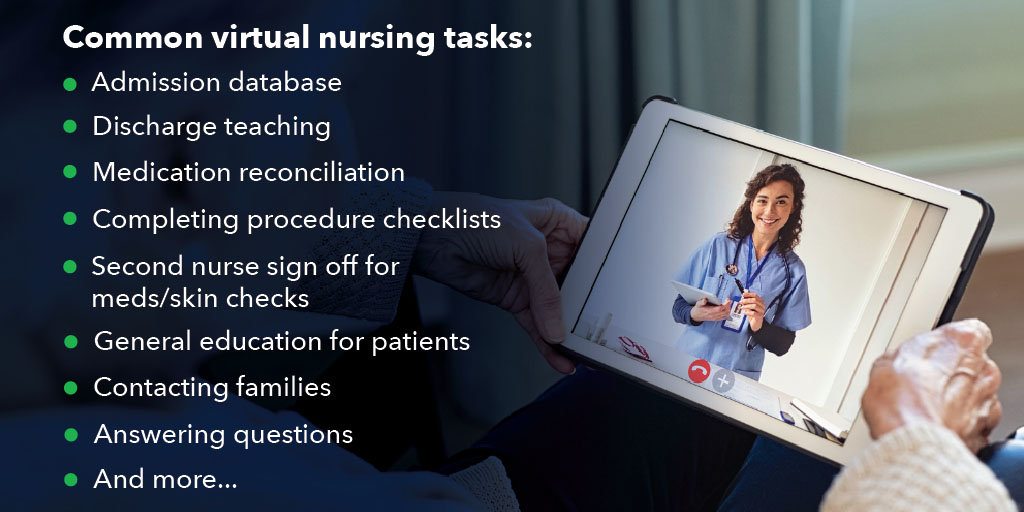
Virtual nursing can be broadly defined as the provision of nursing care and services using telecommunications and information technologies, rather than direct physical interaction. This encompasses a wide array of activities including remote patient assessment, monitoring vital signs from afar, providing health education and counseling via video calls, managing medication schedules through digital platforms, and offering emotional support and coordination of care. It’s about creating a virtual presence that mirrors, and in some cases even enhances, the efficacy of in-person care. Nurses engaged in virtual care utilize secure digital platforms to communicate with patients, interpret data from remote monitoring devices, access and update electronic health records, and collaborate seamlessly with other healthcare providers. This model allows for proactive interventions, continuous oversight for chronic conditions, and timely responses to patient needs, often preventing the need for costly and time-consuming in-person visits or hospitalizations.
Core Technologies Powering Virtual Care
The very existence and efficacy of virtual nursing are inextricably linked to a suite of sophisticated technologies. At the forefront are telehealth platforms, which provide secure, encrypted channels for video consultations, voice calls, and secure messaging. These platforms are the virtual clinic, enabling real-time interaction between nurses and patients. Complementing these are remote patient monitoring (RPM) devices, an array of wearables and connected medical devices that automatically collect physiological data such as blood pressure, heart rate, glucose levels, and oxygen saturation, transmitting them wirelessly to healthcare providers. Artificial intelligence (AI) and machine learning (ML) algorithms play an increasingly crucial role, analyzing vast datasets from EHRs and RPM devices to identify trends, predict potential health deteriorations, and even automate routine administrative tasks, thereby freeing up nurses to focus on direct patient care. Furthermore, robust electronic health record (EHR) systems are foundational, ensuring that all patient data, whether gathered virtually or in-person, is centralized, accessible, and securely managed, facilitating continuity of care and informed decision-making. Without these technological pillars, virtual nursing would not be able to deliver its promise of accessible and high-quality remote care.
Key Technologies and Tools Enabling Virtual Nursing
The infrastructure of virtual nursing is built upon a diverse and evolving array of technological tools, each playing a critical role in facilitating remote patient interaction, data collection, and informed decision-making. These technologies are not merely supportive but are fundamental to the operational definition of virtual care.
Telehealth and Telemedicine Platforms
These platforms are the backbone of virtual nursing communication. They provide the secure, compliant digital environment where nurse-patient interactions occur. Features typically include secure video conferencing, allowing nurses to conduct visual assessments, discuss symptoms, and provide visual education. Secure chat functionalities enable asynchronous communication for quick questions or follow-ups, while voice-only options cater to patients with limited internet access or specific preferences. Advanced platforms also incorporate e-prescribing modules, appointment scheduling tools, and integration with payment systems. The security architecture of these platforms is paramount, employing end-to-end encryption, multi-factor authentication, and adherence to regulatory standards like HIPAA to protect sensitive patient information during virtual encounters. The user interface must be intuitive for both healthcare providers and patients, minimizing technological barriers to access.
Remote Patient Monitoring (RPM) Devices
RPM represents a transformative aspect of virtual nursing, enabling continuous or periodic collection of patient physiological data outside of traditional clinical settings. This category includes a vast array of devices:
- Wearable sensors: Smartwatches and patches that track heart rate, activity levels, sleep patterns, and even ECG.
- Connected medical devices: Bluetooth-enabled blood pressure cuffs, glucometers, pulse oximeters, weight scales, and spirometers that transmit readings directly to a secure platform.
- IoT (Internet of Things) sensors: Discreet sensors placed in a patient’s home environment to monitor movement, falls, or medication adherence.
The data collected by RPM devices offers nurses a real-time, comprehensive view of a patient’s health status, allowing for early detection of deviations from baseline, proactive intervention, and personalized adjustments to care plans, significantly reducing hospital readmissions and improving chronic disease management.
Electronic Health Records (EHR) and Interoperability
EHR systems are the central nervous system of modern healthcare, and their role in virtual nursing is indispensable. They store and manage all aspects of a patient’s medical history, from diagnoses and medications to lab results and treatment plans. For virtual nursing, the critical aspect of EHRs is their interoperability. This refers to the ability of different IT systems and software applications to communicate, exchange data, and use the exchanged information. Seamless integration between telehealth platforms, RPM data feeds, and the EHR ensures that virtual nurses have immediate access to a patient’s complete health profile, making informed decisions possible. It also guarantees that all virtual interactions and data collected are accurately documented and contribute to a unified patient record, maintaining continuity of care across all touchpoints, whether virtual or physical.
Artificial Intelligence (AI) and Machine Learning (ML) in Support Roles
AI and ML are emerging as powerful allies for virtual nurses, enhancing efficiency and analytical capabilities. These technologies perform several key functions:
- Predictive Analytics: AI algorithms can analyze historical patient data from EHRs and real-time data from RPM devices to identify patterns and predict potential health deteriorations, allowing nurses to intervene proactively before a crisis occurs.
- Symptom Checkers and Triage Bots: AI-powered chatbots can assist patients with initial symptom assessment, providing guidance or recommending when to seek professional nursing advice, thereby streamlining the triage process and reducing non-urgent inquiries.
- Administrative Automation: AI can automate routine tasks such as scheduling appointments, sending medication reminders, or drafting preliminary patient education materials, freeing up nurses’ time for direct patient care.
- Personalized Insights: ML models can tailor health recommendations and educational content based on individual patient data, making virtual care more personalized and effective.
While not replacing the human element of nursing, AI and ML serve as intelligent assistants, augmenting the virtual nurse’s capabilities and allowing for a more data-driven and efficient approach to care.
Benefits and Challenges from a Technological Perspective
Implementing and expanding virtual nursing programs presents a duality of profound benefits, primarily driven by technological enablement, alongside significant challenges that are predominantly technological in nature. Understanding both sides is crucial for successful integration and scalability.
Enhancing Access and Efficiency
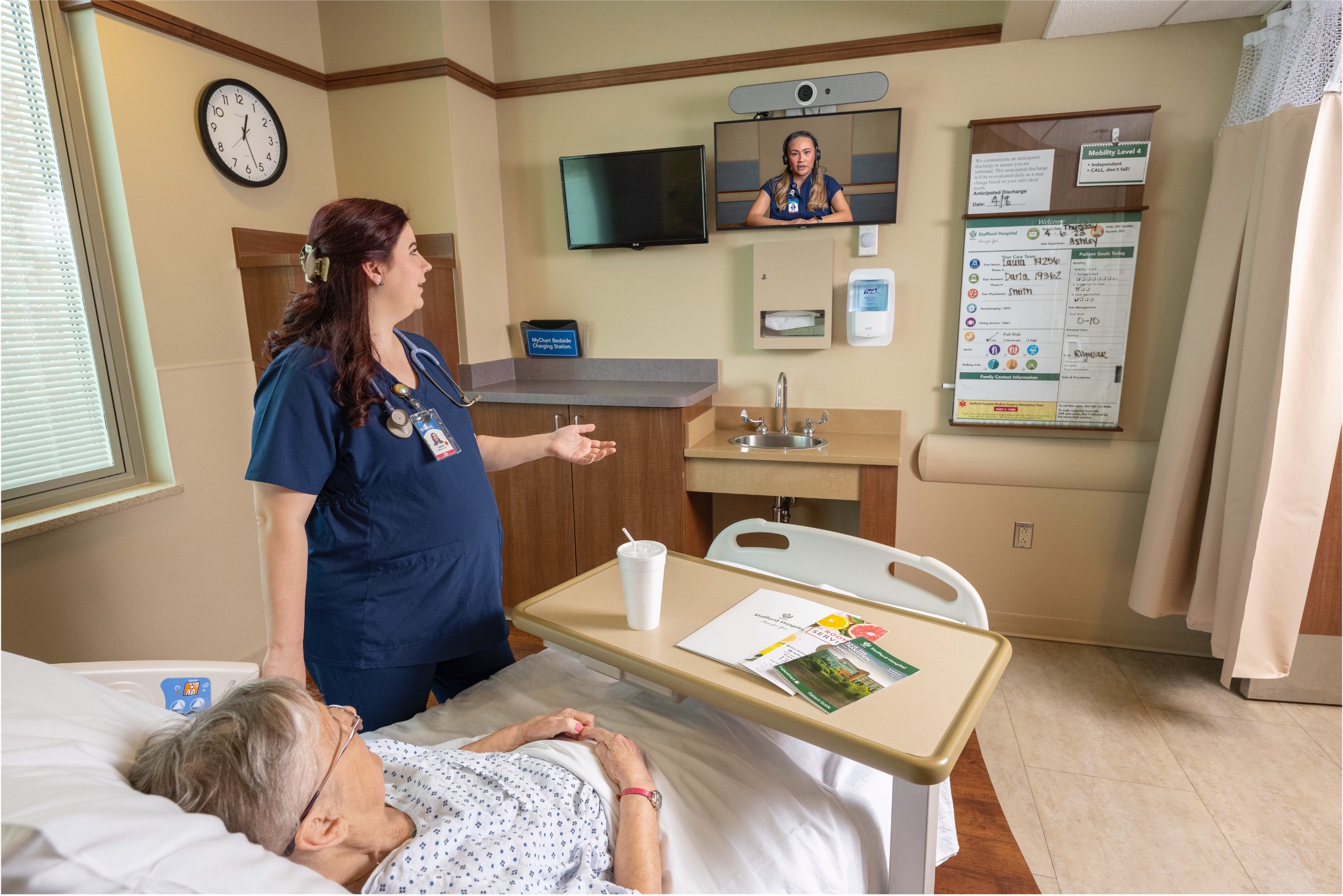
From a technological standpoint, virtual nursing dramatically enhances healthcare access by transcending geographical barriers. For patients in rural or underserved areas, or those with mobility issues, technology provides a direct link to qualified nursing care that would otherwise be inaccessible. This is achieved through ubiquitous internet connectivity, mobile applications, and telehealth platforms, making care as simple as a video call. Furthermore, virtual nursing significantly optimizes nurse workloads and operational efficiency. By leveraging digital tools for remote monitoring, nurses can manage a larger panel of patients with chronic conditions, receive alerts for critical changes, and conduct follow-up consultations without requiring physical travel. AI-driven administrative tools automate routine tasks, allowing nurses to dedicate more time to clinical decision-making and patient interaction. This technological efficiency translates into reduced wait times, improved appointment availability, and a more streamlined patient journey.
Improving Patient Outcomes Through Data
The integration of various technologies in virtual nursing fosters a data-rich environment that directly contributes to improved patient outcomes. Remote Patient Monitoring (RPM) devices continuously collect granular data points (e.g., blood glucose, blood pressure, heart rate), providing an unprecedented longitudinal view of a patient’s health trends. When this data is analyzed by AI and machine learning algorithms, it allows for personalized care plans that are dynamically adjusted based on real-time physiological responses. Nurses can identify early warning signs of deterioration, enabling proactive and timely interventions that can prevent exacerbations of chronic diseases, reduce emergency room visits, and decrease hospital readmissions. This data-driven approach enhances medication adherence monitoring and reinforces patient education, as technology can deliver tailored reminders and educational content, ultimately empowering patients with greater control over their health and leading to better long-term health management.
Technological Barriers and Infrastructure Demands
Despite the promise, several technological hurdles must be overcome. The most significant is ensuring equitable access to robust broadband internet for both patients and providers, particularly in rural or socioeconomically disadvantaged areas. Without reliable connectivity, even the most advanced virtual nursing platforms become inoperable. Another challenge lies in device management and integration complexities. Healthcare systems often operate with a heterogeneous mix of hardware and software, making seamless integration of new RPM devices, telehealth platforms, and existing EHRs a formidable task. This requires sophisticated APIs, middleware solutions, and dedicated IT resources. Furthermore, the rapid pace of technological evolution means that maintaining compatibility, performing regular updates, and providing ongoing technical support for a diverse range of devices and software can be a significant operational and financial burden for healthcare providers.
Data Security and Privacy Concerns
In the digital realm of virtual nursing, data security and patient privacy are paramount and constant challenges. The transmission, storage, and processing of sensitive health information across various platforms and devices create multiple potential points of vulnerability. Adherence to strict regulatory frameworks such as HIPAA (Health Insurance Portability and Accountability Act) in the U.S. and GDPR in Europe is non-negotiable, requiring robust encryption protocols, secure authentication methods, and stringent access controls. However, the threat landscape is ever-evolving, with sophisticated cybersecurity threats like ransomware attacks and data breaches constantly looming. Healthcare organizations must invest heavily in advanced security technologies, regular penetration testing, employee training on phishing prevention, and comprehensive incident response plans to safeguard patient data and maintain trust in virtual care services. The technological measures to ensure privacy are complex and require continuous vigilance.
The Role of Virtual Nursing in Future Healthcare Ecosystems
As technology continues its inexorable march forward, virtual nursing is poised to become an even more integral and sophisticated component of future healthcare ecosystems. Its evolution will be marked by deeper integration of advanced digital tools, pushing the boundaries of what remote care can achieve.
Integrating VR/AR for Enhanced Patient Education and Training
The future of virtual nursing will likely see a significant expansion into Virtual Reality (VR) and Augmented Reality (AR) technologies. These immersive tools can revolutionize patient education, transforming passive learning into interactive experiences. For instance, VR simulations can guide patients through complex medical procedures they are about to undergo, reducing anxiety and improving preparedness. AR applications could allow nurses to overlay digital information onto a patient’s real-world view, demonstrating proper wound care techniques or medication administration in their home environment. For nursing students and practicing nurses, VR/AR can provide hyper-realistic training simulations for developing clinical skills, practicing difficult conversations, or managing emergency scenarios in a safe, controlled virtual space. This immersive technology promises a more engaging, effective, and personalized approach to learning and skill development for both patients and providers.
The Future of Autonomous and AI-Assisted Nursing
The advancements in Artificial Intelligence and machine learning are rapidly paving the way for more autonomous and AI-assisted functions within virtual nursing. While the human element of empathy and clinical judgment will always remain central, AI is increasingly capable of automating routine, repetitive, or data-intensive tasks. This could include AI-powered conversational agents that answer common patient questions, AI systems that monitor vast streams of RPM data to detect subtle anomalies before human eyes can, or intelligent algorithms that personalize treatment recommendations based on a patient’s unique genetic profile and lifestyle data. The future may also see AI assisting with more complex diagnostic support, cross-referencing symptoms with vast medical databases to suggest potential conditions, or optimizing resource allocation for virtual nursing teams. These AI-driven tools will act as powerful cognitive enhancers for nurses, allowing them to focus on the intricate and human-centric aspects of care.
Scaling Virtual Care Models Globally
The inherent scalability of technology positions virtual nursing to play a crucial role in addressing global health disparities. Internet connectivity and digital platforms know no borders, enabling virtual care models to reach underserved populations across continents. This could involve virtual nursing hubs providing specialized care to remote communities in developing nations, or international collaborations where expertise can be shared across geographical distances through tele-consultations. Standardization of virtual care protocols, interoperable global EHR systems, and secure cross-border data exchange frameworks will be key technological enablers for this global expansion. The potential to leverage virtual nursing to rapidly respond to pandemics, manage chronic disease burdens in aging populations worldwide, and democratize access to high-quality nursing care represents a monumental future impact.
Implementing a Successful Virtual Nursing Program: A Technological Blueprint
The transition to a robust virtual nursing model requires a strategic and well-executed technological blueprint. Success hinges on careful planning, selection, and deployment of appropriate digital tools, coupled with a focus on human-technology interaction.
Platform Selection and Customization
The cornerstone of any virtual nursing program is the selection of the right technology platform. This decision is critical and should be driven by the specific needs of the healthcare organization and its patient population. Key considerations include the platform’s scalability (to accommodate growth), interoperability (to integrate with existing EHRs and RPM devices), security features (HIPAA/GDPR compliance, encryption), user-friendliness for both nurses and patients, and the range of functionalities offered (video, chat, scheduling, e-prescribing). Beyond selection, customization is often necessary. This involves configuring the platform to align with specific clinical workflows, branding the patient-facing interface, and tailoring notification systems to meet organizational protocols. A “one-size-fits-all” approach rarely succeeds; thoughtful adaptation of the technology to the unique care environment is paramount.
Training and Upskilling Nursing Staff for Digital Literacy
Even the most advanced technology is ineffective without a digitally literate workforce. A comprehensive training program is essential to equip nursing staff with the skills and confidence to excel in a virtual environment. This goes beyond mere technical proficiency with specific software; it encompasses developing “webside manner”, understanding the nuances of remote communication, and mastering data interpretation from RPM devices. Training should cover platform navigation, troubleshooting common technical issues, data privacy best practices, and effective virtual communication strategies. Continuous education and upskilling programs are vital to keep nurses abreast of new technologies, software updates, and evolving best practices in virtual care delivery, bridging the digital divide within the nursing profession.
Ensuring Robust Digital Infrastructure and Support
The seamless operation of a virtual nursing program relies heavily on a robust and reliable digital infrastructure. This includes high-speed, secure internet connectivity, powerful servers, and reliable network architecture capable of handling significant data traffic. Furthermore, a dedicated and responsive IT support team is crucial. This team must be available to provide immediate assistance for technical glitches experienced by both nurses and patients, ensuring minimal disruption to care delivery. Regular maintenance, software updates, and cybersecurity audits are non-negotiable aspects of maintaining this infrastructure. Investing in redundant systems and disaster recovery protocols is also critical to ensure continuity of care in the event of unforeseen technological failures. The digital infrastructure is the invisible but indispensable foundation supporting all virtual nursing activities.
Compliance and Regulatory Technology Solutions
Navigating the complex landscape of healthcare regulations is a major challenge, and technology plays a key role in ensuring compliance for virtual nursing programs. The chosen platforms and operational procedures must be designed to adhere strictly to data privacy laws (e.g., HIPAA, GDPR), licensing requirements for telehealth across different jurisdictions, and reimbursement policies. This necessitates employing compliance-focused technology solutions, such as secure data encryption, audit trails for all patient interactions, robust access control mechanisms, and automated consent management systems. Furthermore, technology can assist in tracking and reporting compliance metrics, providing an auditable record of adherence to regulatory standards. Legal and regulatory teams must collaborate closely with IT and clinical staff to integrate compliance requirements directly into the technological design and workflow of the virtual nursing program, mitigating legal risks and building patient trust.
In conclusion, virtual nursing is not merely an alternative to traditional care; it is an evolution driven by technological innovation. Its success hinges on a deep understanding of the underlying technologies, a strategic approach to implementation, and a continuous commitment to adapting to the ever-changing digital landscape. As healthcare moves further into the digital age, virtual nursing stands as a powerful testament to technology’s capacity to deliver compassionate, efficient, and accessible care for all.
aViewFromTheCave is a participant in the Amazon Services LLC Associates Program, an affiliate advertising program designed to provide a means for sites to earn advertising fees by advertising and linking to Amazon.com. Amazon, the Amazon logo, AmazonSupply, and the AmazonSupply logo are trademarks of Amazon.com, Inc. or its affiliates. As an Amazon Associate we earn affiliate commissions from qualifying purchases.