
In the hyper-competitive world of domestic tourism and municipal economic development, a city’s “brand” is its most valuable intangible asset. When travelers and investors ask, “What is Virginia Beach known for?” they are not merely asking for a list of geographical features; they are inquiring about the brand equity of a coastal powerhouse. For decades, Virginia Beach has meticulously crafted a brand identity that balances the serenity of a natural retreat with the high-octane energy of a military hub and a burgeoning tech corridor.
From a brand strategy perspective, Virginia Beach represents a masterclass in destination marketing—the process of identifying a location’s unique value propositions and amplifying them to target specific demographics. By dissecting the pillars of the Virginia Beach brand, we can understand how a city transitions from a seasonal boardwalk destination to a year-round, multi-faceted global brand.
The Core Identity: Transitioning from a Seasonal Getaway to a Year-Round Brand
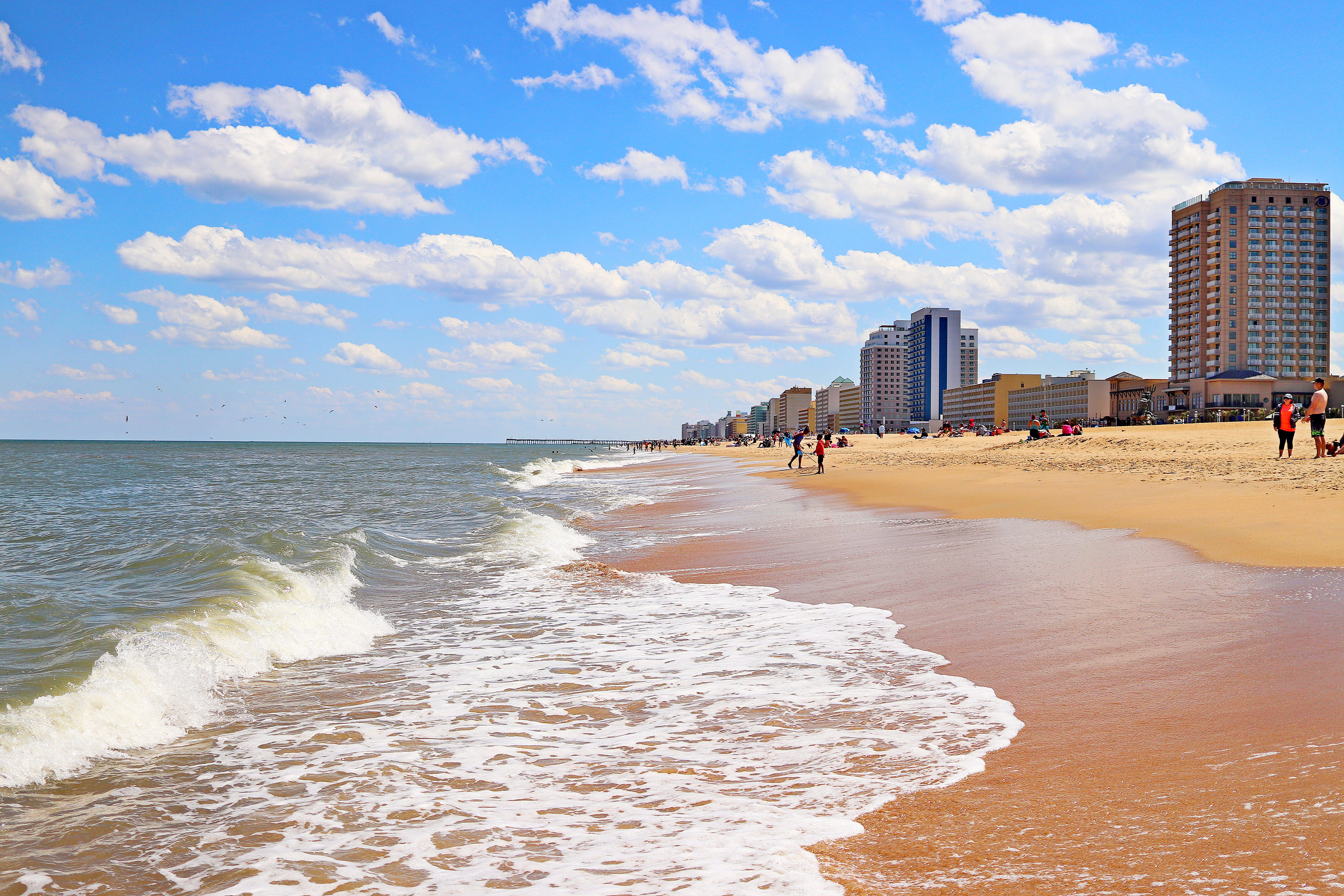
The foundational brand of Virginia Beach was historically rooted in its 35-mile stretch of sandy coastline. However, reliance on a single commodity—the beach—is a precarious strategy for any brand. Over the last two decades, the city’s branding authorities have worked to shift the narrative from a “summer vacation spot” to a “lifestyle destination.”
The Neptune Persona: Leveraging Iconic Imagery
Every great brand needs a visual anchor. For Virginia Beach, that anchor is the 34-foot bronze statue of King Neptune that guards the gateway to the Atlantic. This isn’t just a statue; it is a brand mascot that evokes power, mythological history, and a connection to the sea. By centering much of its visual marketing around Neptune Park and the iconic sculpture, the city has created a recognizable landmark that differentiates its boardwalk from those of Atlantic City or Myrtle Beach. This “Neptune Brand” lends a sense of prestige and permanence to the oceanfront.
Consistency Across Touchpoints
A brand is only as strong as its consistency. Virginia Beach’s marketing arm, often operating under the “Live the Life” campaign slogan, ensures that every touchpoint—from the digital experience on their website to the physical cleanliness of the Atlantic Avenue boardwalk—reflects a family-friendly, accessible, yet elevated atmosphere. This consistency builds brand trust, encouraging high rates of “return visitors,” a key metric in destination brand loyalty.
Diversifying the Brand Portfolio: More Than Just Sand and Surf
In brand strategy, diversification is the key to longevity. If Virginia Beach were only known for its beaches, it would be vulnerable to weather patterns and seasonal economic shifts. To counter this, the city has developed “sub-brands” or districts that appeal to different psychological profiles of consumers.
The ViBe Creative District: Arts as a Brand Pillar
One of the most successful branding pivots in recent years has been the establishment of the ViBe Creative District. By incentivizing local artists, muralists, and craft coffee roasters, Virginia Beach has successfully captured the “creative class” demographic. This sub-brand targets a younger, urban-dwelling audience that values authenticity and local craftsmanship over mass-produced tourist experiences. From a marketing standpoint, the ViBe district provides “Instagrammable” content that serves as organic social proof, amplifying the city’s brand reach without additional ad spend.
Culinary Branding: The “Coastal Virginia” Flavor
Virginia Beach has strategically positioned its culinary scene as a major brand differentiator, specifically focusing on the “Lynnhaven Oyster.” By branding a specific local product as a premium experience, the city taps into the “foodie tourism” market. This is a classic brand strategy move: take a local commodity, wrap it in a narrative of heritage and sustainability, and use it to elevate the overall perception of the destination.
Strategic Positioning: The Intersection of Military Heritage and Modern Leisure
A brand’s positioning is defined by its unique competitive advantage. For Virginia Beach, that advantage is its deep-rooted connection to the United States Military, specifically the Navy. This creates a brand identity characterized by “Strength, Honor, and Resilience,” which contrasts sharply with the purely hedonistic branding of other coastal cities.

Brand Synergy with the Armed Forces
The presence of Naval Air Station Oceana and nearby Norfolk Naval Station injects a sense of “living history” into the Virginia Beach brand. The annual NAS Oceana Air Show is not just an event; it is a brand activation that draws hundreds of thousands of people and reinforces the city’s image as a patriotic, high-tech, and disciplined community. This military connection provides the brand with an “authentic” edge that cannot be manufactured by a marketing agency.
Building Trust through History and Service
The military influence also impacts the “service” aspect of the brand. Virginia Beach is often perceived as safer and more organized than its competitors. This perception is a direct result of the military-heavy population, which fosters a community culture of order and respect. In the world of branding, “safety” is a silent but powerful value proposition, especially for the high-value “family travel” segment.
The Digital Footprint: How Virginia Beach Markets Its Identity Online
In the digital age, a brand is defined by what the internet says about it. Virginia Beach has been aggressive in its digital brand management, ensuring that when potential visitors search for “what is Virginia Beach known for,” they encounter a curated narrative of diversity and quality.
Social Proof and User-Generated Content
Modern brand strategy relies heavily on user-generated content (UGC). Virginia Beach encourages visitors to share their experiences via specific hashtags and digital campaigns. By doing so, the city turns its visitors into brand ambassadors. When a tourist posts a photo of the sunrise at Sandbridge or a sunset at First Landing State Park, they are providing third-party validation that is far more convincing than a traditional billboard.
Search Engine Dominance: Owning the “East Coast Vacation” Keyword
The city’s digital marketers have mastered the art of Search Engine Optimization (SEO). By creating high-quality content around niche topics—such as “best surfing on the East Coast” or “eco-tourism in Virginia”—the city ensures it captures traffic at the “top of the funnel.” This strategic content marketing positions Virginia Beach as an authority on coastal lifestyle, making it the default choice for consumers in the Mid-Atlantic and Northeast regions.
Brand Architecture: Segmenting the Geographic Offerings
To maximize market share, a brand must appeal to different segments of the market simultaneously. Virginia Beach accomplishes this through “Brand Architecture,” where different geographical areas serve different consumer needs.
- The Oceanfront: The “Master Brand” – high energy, entertainment, and the classic tourist experience.
- Sandbridge: The “Luxury/Retreat” Sub-Brand – targeting high-net-worth individuals seeking privacy, beach house rentals, and a slower pace.
- Town Center: The “Corporate/Urban” Sub-Brand – positioning the city as a professional hub with high-end shopping, dining, and luxury apartments, appealing to business travelers and residents.
- The Chesapeake Bay (Chic’s Beach): The “Local/Authentic” Sub-Brand – appealing to those who want to avoid the “tourist traps” and experience the city as a local would.
This architecture allows Virginia Beach to avoid “brand dilution.” It can be both a wild party spot for college students during Neptune Festival and a quiet, romantic getaway for retirees at a Sandbridge villa, provided those experiences are segmented correctly.

Lessons in Brand Resilience: Navigating Economic and Environmental Shifts
The ultimate test of a brand is its resilience. Virginia Beach has faced challenges ranging from economic downturns to the rising threats of climate change and sea-level rise. Its branding strategy has evolved to meet these challenges by emphasizing “Sustainability and Innovation.”
The city is currently branding itself as a leader in “Coastal Resiliency,” turning a potential weakness (flooding) into a strength (expertise in engineering and green infrastructure). This forward-thinking brand pivot is designed to attract tech companies and environmental researchers, further diversifying the city’s identity beyond tourism.
In conclusion, when we ask what Virginia Beach is known for, the answer is a complex, multi-layered brand identity. It is a city that has successfully marketed itself as a blend of natural beauty, military tradition, creative energy, and professional opportunity. Through strategic positioning, visual consistency, and a sophisticated digital presence, Virginia Beach has built a brand that doesn’t just attract visitors—it creates a lasting impression that defines the American coastal experience. For any brand strategist or marketer, the evolution of Virginia Beach offers a blueprint for how to manage a legacy brand in a rapidly changing world.
aViewFromTheCave is a participant in the Amazon Services LLC Associates Program, an affiliate advertising program designed to provide a means for sites to earn advertising fees by advertising and linking to Amazon.com. Amazon, the Amazon logo, AmazonSupply, and the AmazonSupply logo are trademarks of Amazon.com, Inc. or its affiliates. As an Amazon Associate we earn affiliate commissions from qualifying purchases.