
In an increasingly digitized world where cash is becoming a relic of the past, understanding the mechanisms of modern financial transactions is paramount. Among the leading innovators simplifying how we send and receive money, Venmo stands out as a pervasive force, particularly in peer-to-peer (P2P) payments. Far more than just an app, a “Venmo payment” represents a distinct method of conducting financial exchanges, deeply embedded in the daily fiscal lives of millions. It embodies a blend of social interaction and financial utility, offering a convenient, often instantaneous, way to manage personal finances, settle debts with friends, or even conduct small business transactions.

At its heart, a Venmo payment is the electronic transfer of funds between individuals or, increasingly, between individuals and businesses, facilitated by the Venmo mobile application or website. It simplifies the often cumbersome process of exchanging money, replacing traditional methods like writing checks, carrying cash, or complex bank transfers with a few taps on a screen. This article will delve into the financial intricacies of Venmo payments, exploring its core functions, how it empowers personal finance management, its security and fee structures, and its evolving role within the broader financial ecosystem.
Venmo’s Core Function: Facilitating Seamless Money Transfers
At the foundational level, Venmo was engineered to make the act of paying and getting paid as effortless as sending a text message. This simplicity underpins its widespread adoption, especially among younger demographics. Understanding how Venmo orchestrates these financial movements is key to appreciating its impact on contemporary personal finance.
Peer-to-Peer Payments Explained
The genesis of Venmo lies in its robust peer-to-peer (P2P) payment system. This mechanism allows two individuals to electronically transfer money to each other directly, without the need for intermediaries like banks to handle the transaction separately for each party. When you make a Venmo payment, you’re essentially initiating a digital debit from your linked funding source or Venmo balance and a corresponding digital credit to the recipient’s Venmo balance. This instantaneous digital exchange bypasses the delays often associated with traditional bank transfers, making it an ideal solution for splitting a restaurant bill, contributing to a group gift, or settling up with a roommate for rent. The P2P model championed by Venmo has fundamentally altered expectations regarding the speed and convenience of personal financial interactions, fostering a culture of immediate monetary settlement.
How Venmo Integrates with Your Financial Accounts
For Venmo to function as a financial tool, it must seamlessly integrate with users’ existing banking infrastructure. Upon setting up an account, users are prompted to link external financial accounts, which serve as the primary funding sources and destinations for money moved via Venmo.
- Bank Accounts: Linking a checking or savings account via routing and account numbers is the most common and often preferred method. This allows for direct transfers to and from your bank, usually without fees for standard transfers.
- Debit Cards: Debit cards, directly tied to your bank account, can also be linked. These are frequently used for making payments, offering similar convenience to direct bank transfers.
- Credit Cards: While credit cards can be linked, Venmo typically charges a 3% fee for sending money using a credit card. This is an important financial consideration for users, often steering them towards debit cards or bank accounts for cost-effective transactions.
- Venmo Balance: Money received on Venmo accumulates in your Venmo balance. This balance can then be used to make future payments, eliminating the need to draw from an external linked account immediately. Alternatively, users can choose to transfer their Venmo balance to a linked bank account.
This interconnectedness transforms Venmo into a versatile financial hub, bridging your external banking relationships with a streamlined digital payment platform.
The Mechanics of Sending and Receiving Funds
The actual process of executing a Venmo payment is remarkably straightforward, designed for intuitive financial interaction.
To send money:
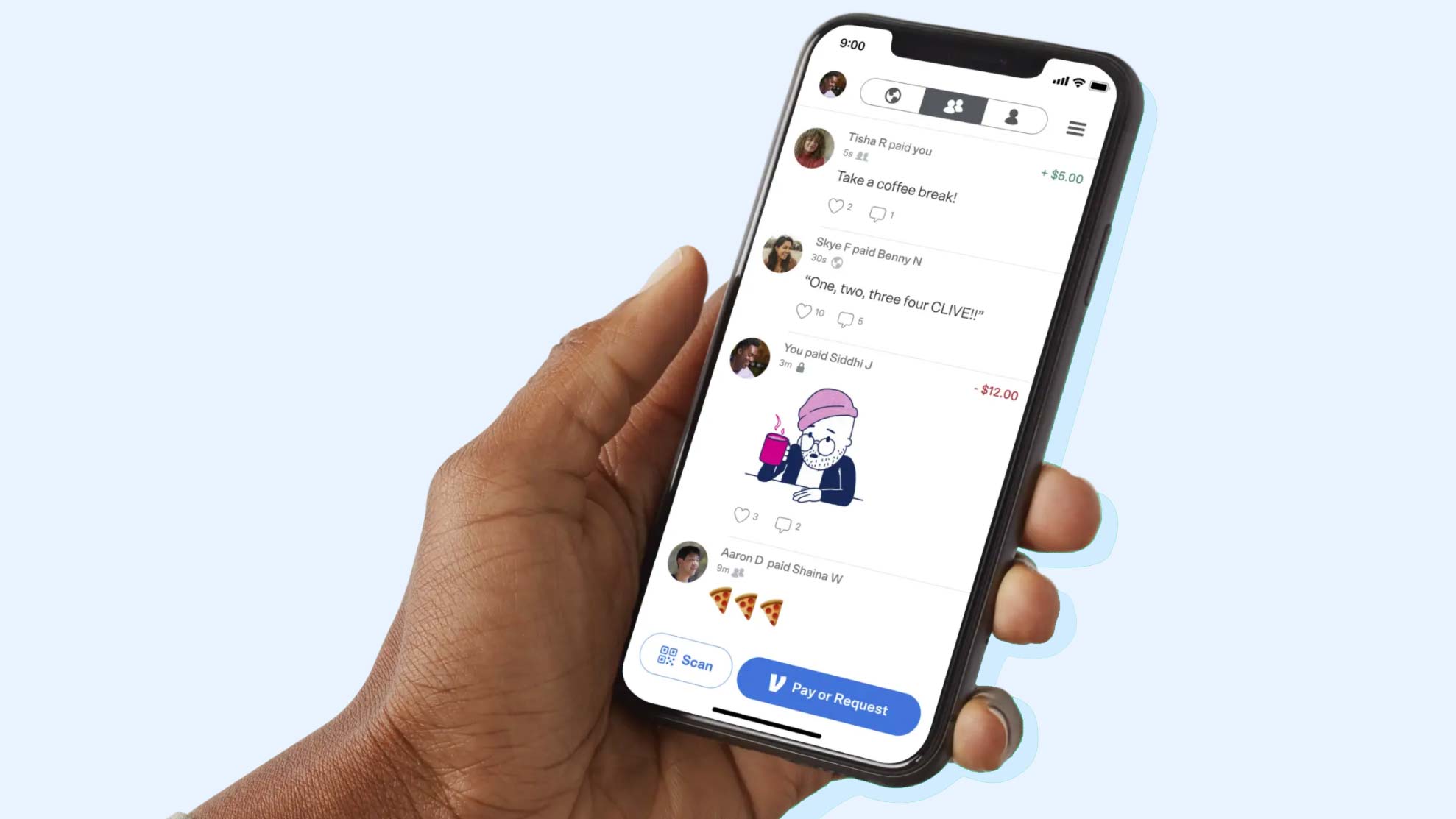
- Open the Venmo app and tap the “Pay/Request” button.
- Select the recipient from your contacts or search for their Venmo username.
- Enter the amount you wish to send.
- Add a memo (often public by default, though privacy settings can be adjusted), detailing the purpose of the payment – e.g., “Dinner,” “Rent,” “Concert Tickets.”
- Select your desired funding source (Venmo balance, linked bank account, debit card, or credit card).
- Tap “Pay.” The funds are typically transferred to the recipient’s Venmo balance instantly.
To receive money:
When someone sends you a payment, you’ll receive a notification. The funds are immediately credited to your Venmo balance. From there, you have a few options:
- Hold it in your Venmo balance: Use these funds for future Venmo payments.
- Standard transfer to a bank: Transfer the funds to your linked bank account. This typically takes 1-3 business days and is usually free.
- Instant transfer to a bank/debit card: For a small fee (typically 1.75% of the transfer amount, with a minimum fee of $0.25 and a maximum fee of $25), you can transfer funds to a linked debit card or bank account, usually within minutes.
This streamlined flow ensures that financial transactions are not just fast, but also transparent and easy to track within the app’s interface.
Maximizing Personal Finance with Venmo’s Features
Beyond its core P2P functionality, Venmo has evolved to offer an array of features that can significantly aid in personal financial management, from budgeting shared expenses to extending digital payment capabilities into the physical world.
Splitting Expenses and Managing Group Finances
One of Venmo’s most lauded features, particularly among social groups, is its ability to effortlessly split expenses. This function directly addresses a common financial pain point: who owes what for shared meals, trips, or household bills. Instead of cumbersome calculations or awkward conversations, Venmo simplifies the division of costs. A user can pay for an entire expense and then “request” specific amounts from other participants, complete with personalized notes. This not only streamlines the collection of funds but also provides a clear digital record of who has paid whom, fostering transparency and accountability in shared financial obligations. For roommates, group travelers, or event organizers, Venmo transforms complex group finance management into a matter of mere clicks.
Understanding Instant Transfers and Associated Costs
While Venmo prides itself on instant digital transfers between users, the journey of those funds from Venmo to a traditional bank account can vary. Venmo offers two primary options for cashing out funds:
- Standard Transfers: These transfers are free and typically deposit funds into a linked bank account within 1-3 business days. This option is suitable for users who aren’t in a hurry to access their funds in their traditional banking system.
- Instant Transfers: Recognizing the growing demand for immediate access to funds, Venmo introduced instant transfers. For a fee, typically 1.75% of the transfer amount (with a minimum of $0.25 and a maximum of $25), users can move money from their Venmo balance to a linked debit card or eligible bank account in minutes. This feature offers significant financial flexibility, allowing users to quickly access funds for unexpected expenses or urgent financial needs, provided they are willing to incur the associated cost. It’s a crucial financial decision point for users, weighing the convenience of speed against the additional transaction fee.
Exploring the Venmo Debit and Credit Cards
Venmo has expanded its financial utility beyond mere app-based transfers by introducing physical cards, effectively bridging the gap between digital balances and real-world spending.
- Venmo Debit Card: This Mastercard-branded debit card allows users to spend their Venmo balance wherever Mastercard is accepted, both online and in physical stores. It acts like a traditional debit card, drawing directly from the user’s Venmo balance. If the Venmo balance is insufficient, it can pull funds from a linked bank account. This feature extends the reach of Venmo funds, making it a viable option for everyday spending and reducing the need to frequently transfer money out of the Venmo ecosystem.
- Venmo Credit Card: Introduced in partnership with Synchrony Bank and Visa, the Venmo Credit Card offers cash back rewards on eligible purchases, with the rewards automatically deposited into the user’s Venmo account. This card integrates seamlessly with the Venmo app, allowing users to track spending, view rewards, and manage their account. It functions as a standard credit card but leverages the Venmo platform for managing rewards, further embedding Venmo into users’ broader financial portfolios and offering an additional avenue for earning financial benefits.
These cards represent Venmo’s strategic move to become an even more comprehensive financial tool, catering to a wider range of spending and financial management needs.
Navigating the Financial Landscape of Venmo: Security and Fees
While convenience is a hallmark of Venmo payments, users must also be acutely aware of the financial security measures in place and the various fees that can apply. Responsible financial management on Venmo necessitates understanding these critical aspects.
Protecting Your Financial Information and Transactions
Venmo employs several layers of security to safeguard users’ financial information and transactions, though user vigilance remains paramount.
- Encryption and Data Security: Venmo utilizes encryption and other security protocols to protect sensitive financial data, similar to those used by banks. All transactions are monitored for suspicious activity.
- Account Protection: Features like PIN protection, multi-factor authentication (MFA), and fingerprint/facial recognition (on compatible devices) add extra layers of security to prevent unauthorized access to an account.
- Privacy Settings: Users have granular control over the privacy of their transactions, being able to choose between public, friends-only, or private settings. While the social feed is a core feature, maintaining private financial transactions is crucial for personal security.
- Fraud Protection and Dispute Resolution: Venmo has policies and mechanisms in place to address unauthorized transactions and disputes. Users are encouraged to report suspicious activity immediately. However, it’s important to note that Venmo’s purchase protection for P2P transactions is limited, making it critical for users to only send money to trusted individuals.
Despite these safeguards, users must always practice caution, be wary of phishing attempts, and avoid sending money to unfamiliar individuals or for unverified purchases, particularly given the near-instant and often irreversible nature of P2P payments.
Deconstructing Venmo’s Fee Structure
Understanding Venmo’s fee structure is crucial for making financially savvy decisions when using the platform. While many core services are free, certain actions incur charges:
- Sending Money with Linked Bank Account/Debit Card: Free. This is the most common way users send money and is intentionally designed to be cost-free to encourage usage.
- Sending Money with a Credit Card: 3% fee. This fee is standard across many payment platforms and covers the processing costs associated with credit card transactions. Users should be mindful of this when choosing their funding source.
- Receiving Money: Generally free for P2P transactions.
- Standard Transfers to Bank Account: Free, typically takes 1-3 business days.
- Instant Transfers to Bank/Debit Card: 1.75% fee (min $0.25, max $25). This fee is for the convenience of immediate access to funds.
- Venmo for Business/Goods & Services: When a business or individual uses a business profile or marks a payment as for goods and services, the sender is protected by Venmo’s Purchase Protection Program, and the recipient is charged a seller transaction fee (typically 1.9% + $0.10). This is a vital distinction for those using Venmo for income generation.
- Cash a Check: Venmo offers a “Cash a Check” feature through the app for a fee (typically 1% for government and payroll checks, 5% for all other checks), which can be an alternative to traditional check-cashing services.
These fees, while often small, can accumulate, highlighting the importance of understanding the costs associated with different types of Venmo transactions.
Best Practices for Secure Financial Interactions
To minimize financial risks and maximize security when using Venmo, users should adhere to several best practices:
- Verify Recipients: Always double-check the recipient’s username before sending money. Accidental payments are often difficult, if not impossible, to reverse.
- Use Strong, Unique Passwords and MFA: Protect your account with robust security measures.
- Be Mindful of Privacy Settings: Adjust your transaction privacy settings to “private” for all sensitive financial exchanges.
- Beware of Scams: Be skeptical of requests for money from unknown sources, “winning” unexpected prizes, or offers that seem too good to be true. Venmo is a common target for various phishing and payment scams.
- Understand Purchase Protection Limitations: For P2P payments, if you send money to someone you don’t know for goods or services, you likely won’t be covered if the transaction goes awry. Use Venmo’s business profile feature or mark payments for goods/services when applicable for added protection.
- Monitor Account Activity: Regularly review your transaction history for any unauthorized or suspicious activity.
Adopting these habits can significantly enhance the security of your financial interactions on Venmo.
Venmo’s Evolution: Beyond P2P into Broader Financial Horizons
Venmo’s journey from a niche P2P app to a significant player in the digital payment landscape reflects broader trends in financial technology. Its expansion into business services and its strategic positioning signify its growing importance in how we perceive and manage money.
Venmo for Business: Expanding Income Streams
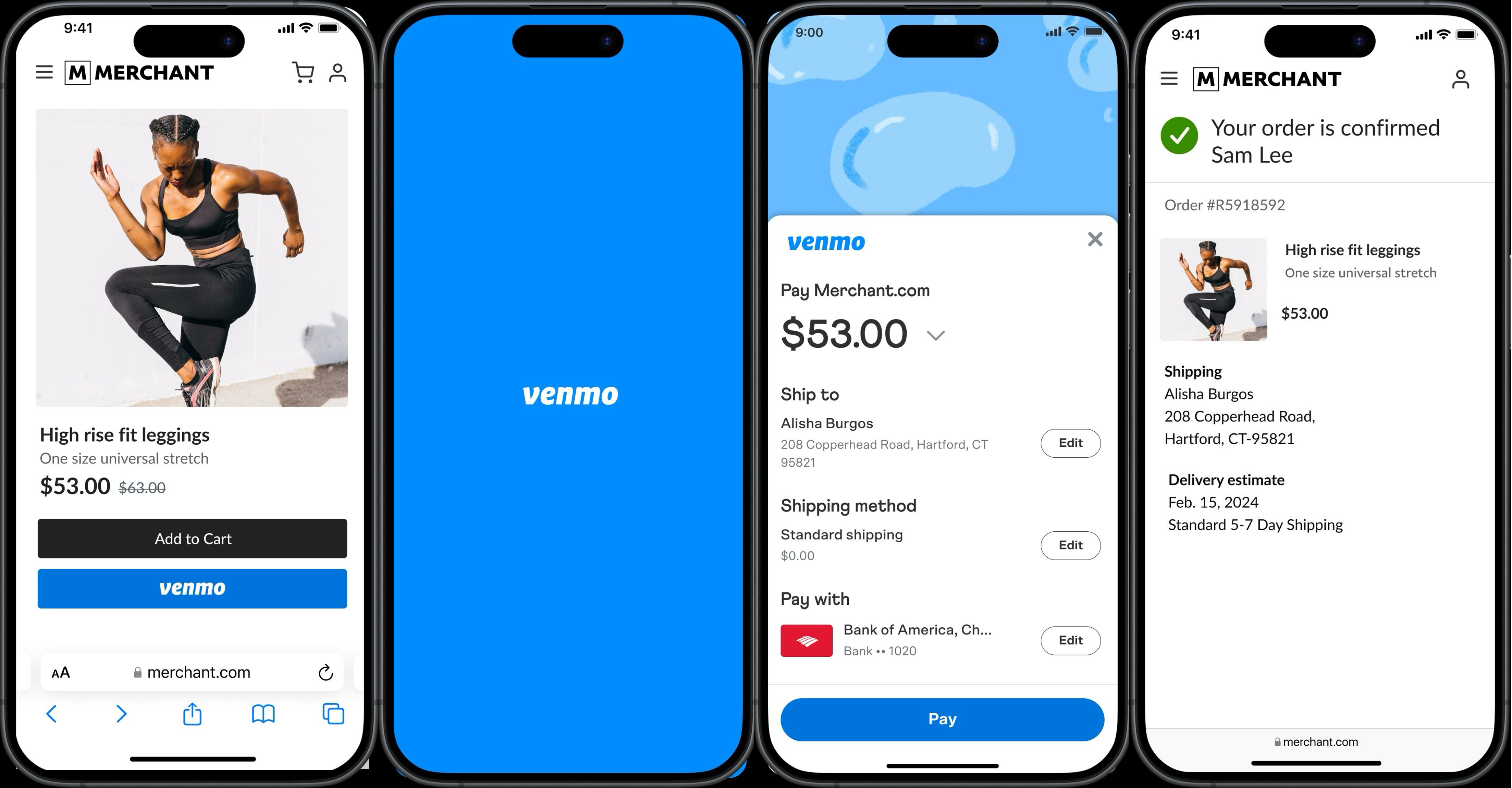
Recognizing the platform’s organic use by small businesses, freelancers, and individuals selling goods, Venmo officially rolled out “Business Profiles.” This feature allows users to create separate profiles specifically for accepting payments for goods and services.
- Enhanced Credibility: Business profiles offer a professional veneer, distinct from personal accounts, giving customers more confidence.
- Purchase Protection: Payments made to business profiles automatically trigger Venmo’s Purchase Protection Program, offering a safety net for buyers and reducing disputes. This is a critical financial incentive for both parties.
- Taxation and Reporting: Transactions through business profiles are often clearer for tax purposes and can be easier to track for financial reporting, a key aspect for any income-generating activity.
- Seller Fees: While beneficial, businesses using these profiles incur a seller fee (typically 1.9% + $0.10 per transaction). This cost is a financial consideration for businesses but is often outweighed by the convenience and security offered.
Venmo’s embrace of business transactions positions it as a viable financial tool for entrepreneurs, side hustlers, and small enterprises seeking a simple way to accept digital payments without the overhead of traditional merchant services.
The Future of Digital Payments: Venmo’s Position
Venmo’s trajectory is indicative of the broader shift towards a cashless society and the increasing reliance on financial technology (fintech) for everyday money management. Its continued innovation, integration with parent company PayPal’s ecosystem, and expansion into features like cryptocurrency buying/selling (a notable financial diversification) underscore its commitment to staying at the forefront of digital finance.
As mobile technology advances and user expectations for seamless financial interactions grow, Venmo is well-positioned to evolve further. Its potential includes deeper integration with e-commerce platforms, more sophisticated budgeting and financial planning tools within the app, and perhaps even a more global reach. The “Venmo payment” today is a simple peer-to-peer transfer, but tomorrow, it could be a comprehensive suite of financial services, continuing to redefine convenience, speed, and social engagement in the world of money. Its influence extends beyond mere transactions, shaping user habits and contributing to the ongoing evolution of how individuals and businesses manage their financial lives in the digital age.
aViewFromTheCave is a participant in the Amazon Services LLC Associates Program, an affiliate advertising program designed to provide a means for sites to earn advertising fees by advertising and linking to Amazon.com. Amazon, the Amazon logo, AmazonSupply, and the AmazonSupply logo are trademarks of Amazon.com, Inc. or its affiliates. As an Amazon Associate we earn affiliate commissions from qualifying purchases.