
Vaginal Birth After Cesarean (VBAC) represents a significant decision for many expectant parents who have previously delivered via C-section. While the primary considerations surrounding VBAC are often medical and emotional, the financial dimensions of this choice are equally critical, albeit frequently overlooked in public discourse. Understanding “what is VBAC pregnancy” from a monetary perspective involves delving into a complex web of direct costs, insurance intricacies, long-term economic implications, and the broader societal impact on healthcare spending. For families planning their birth journey, a comprehensive grasp of these financial factors is as essential as medical preparedness.
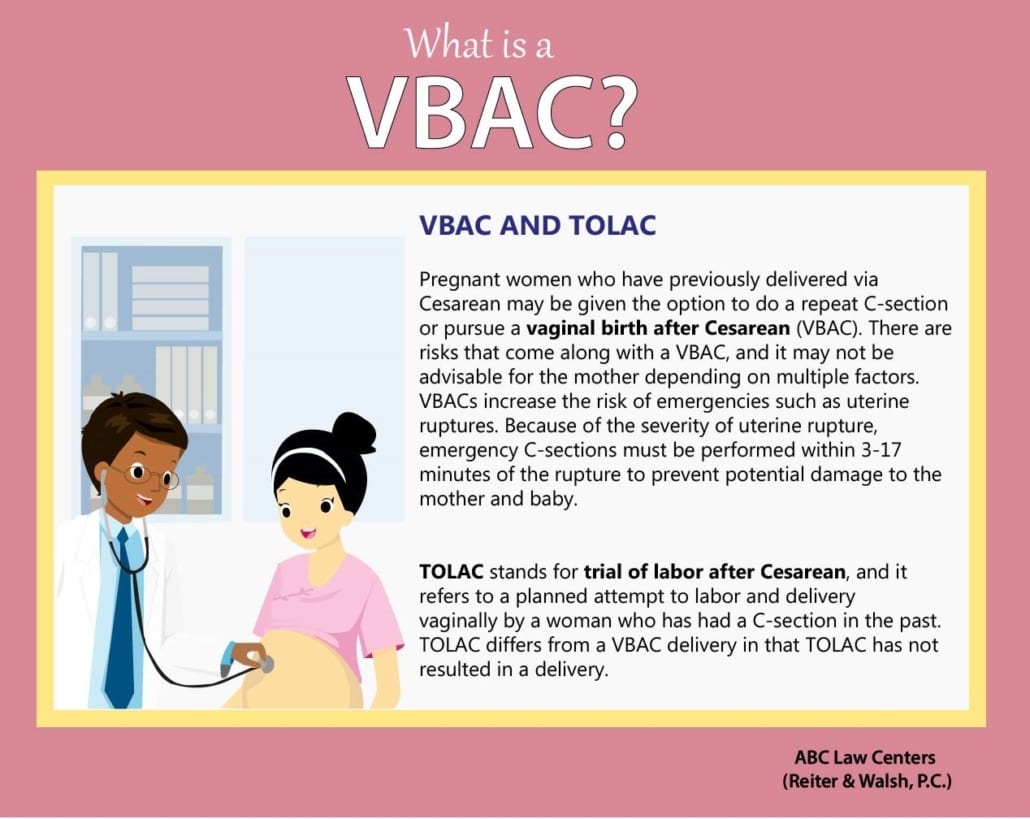
This article aims to dissect the monetary facets of VBAC, providing an insightful and professional examination of how this birthing option influences personal and public finances. By focusing exclusively on the financial implications, we will explore the tangible and intangible economic considerations that shape the VBAC experience.
The Financial Equation of Childbirth Choices
Childbirth is one of the most significant healthcare events in a person’s life, and its associated costs can be substantial, varying dramatically based on the mode of delivery, location, and presence of complications. For individuals with a prior C-section, the decision between a VBAC attempt and a planned repeat C-section (ERCS – Elective Repeat Cesarean Section) introduces a distinct set of financial considerations that warrant careful analysis. The financial equation is not merely about the hospital bill but encompasses a wider spectrum of direct, indirect, and long-term costs.
Direct Costs: VBAC vs. Repeat Cesarean
When comparing VBAC and ERCS, direct costs are often the first point of financial inquiry. These include hospital facility fees, professional fees for obstetricians, anesthesiologists, and support staff, medication costs, and immediate postpartum care.
Statistically, a successful VBAC often incurs lower direct costs than a repeat C-section, primarily due to shorter hospital stays and fewer surgical interventions. A vaginal delivery typically requires a 1-2 day hospital stay, whereas a C-section often necessitates 2-4 days. This difference in length of stay significantly impacts facility charges, which constitute a large portion of the overall bill. An ERCS involves surgical suite usage, more extensive anesthesia, and a greater number of post-operative medications and monitoring, all of which escalate costs.
However, it’s crucial to acknowledge that an attempted VBAC that results in an emergency C-section (known as a “TOLAC with failure to progress” or “failed TOLAC”) can potentially be the most expensive scenario. In such cases, families incur the costs associated with the labor and vaginal delivery attempt, followed by the full costs of an emergency C-section, often with additional charges for urgency and potential complications. Therefore, while a successful VBAC can offer significant savings, the inherent risk of a failed attempt complicates the upfront financial planning, creating a broader range of potential financial outcomes.
Hidden Costs and Long-Term Financial Implications
Beyond the immediate hospital bill, both VBAC and ERCS carry a range of hidden and long-term financial implications that extend far beyond the delivery room. These often go unconsidered but can significantly impact a family’s financial well-being.
For a C-section, the recovery period is typically longer and more intensive than for a vaginal birth. This can translate into extended time off work for the birthing parent, potentially impacting income if sick leave or disability benefits are limited. The need for additional help at home during recovery, such as paid childcare or domestic assistance, also adds to the financial burden. Furthermore, a history of multiple C-sections can lead to an increased risk of complications in future pregnancies, such as placenta accreta, which carries extremely high costs for specialized surgical teams, extensive transfusions, and prolonged hospitalizations.
A successful VBAC, conversely, often allows for a quicker physical recovery, facilitating an earlier return to work or daily activities, thereby minimizing income disruption and additional childcare expenses. However, even a successful VBAC requires careful management, and some individuals may choose to invest in additional support, such as a doula or specialized physical therapy, which are out-of-pocket expenses that contribute to the overall financial outlay. The long-term health benefits of avoiding repeat major abdominal surgery, such as reduced risks of chronic pain, adhesions, and future fertility issues, also translate into potential long-term healthcare cost savings.
Insurance Coverage and Reimbursement for VBAC
For most families, health insurance is the primary mechanism for managing the high costs of childbirth. Understanding how insurance policies cover VBAC and ERCS is paramount for financial planning, as discrepancies in coverage can lead to unexpected out-of-pocket expenses. The complexity of insurance plans, with their varying deductibles, co-pays, and network restrictions, demands proactive engagement from expectant parents.
Understanding Your Policy: Deductibles, Co-pays, and Out-of-Pocket Maximums
Before childbirth, thoroughly reviewing your insurance policy’s summary of benefits is crucial. Deductibles represent the amount you must pay out of pocket before your insurance begins to cover costs. For major events like childbirth, it’s common to meet or exceed your deductible. Co-pays are fixed amounts paid for specific services, such as doctor visits or prescription drugs, while co-insurance is a percentage of the cost you’re responsible for after meeting your deductible.
Crucially, the out-of-pocket maximum is the most you will have to pay for covered services in a plan year. Understanding if your childbirth event will likely hit this maximum provides a clear picture of your absolute worst-case financial scenario. Most comprehensive health plans cover both VBAC and ERCS, but the application of these cost-sharing mechanisms will vary based on the total charges incurred. It’s important to clarify with your insurer if a VBAC attempt resulting in an emergency C-section is treated differently than a planned C-section regarding these cost-sharing obligations. Some plans might have separate provisions for emergency services, which could impact your financial responsibility.
Navigating Pre-Authorization and Provider Networks
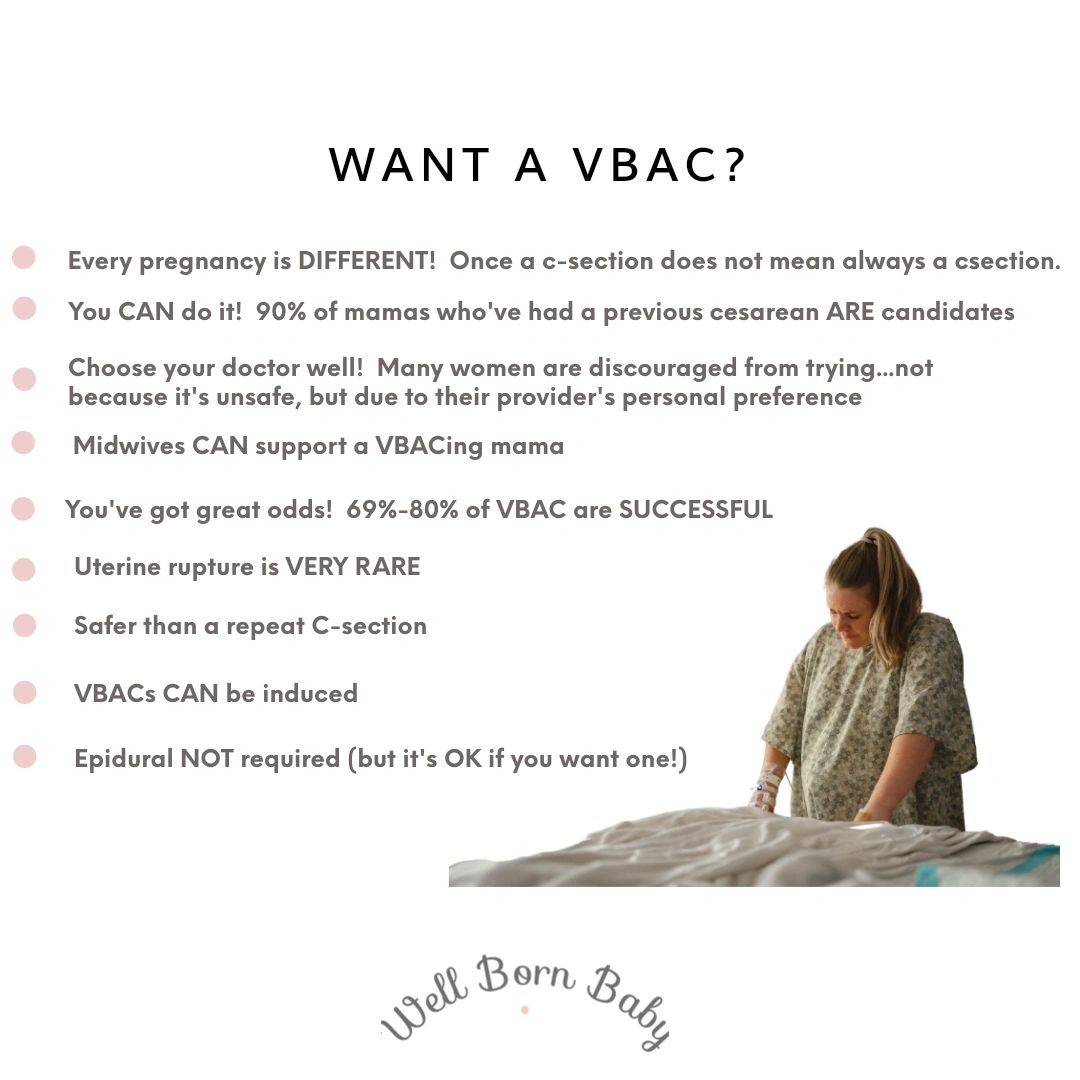
Many insurance companies require pre-authorization for planned hospital stays and certain procedures, including childbirth. While routine vaginal births might be an exception, a planned ERCS or an anticipated VBAC, particularly with a specific care plan, often benefits from pre-authorization. This process confirms that the insurance company deems the procedure medically necessary and outlines the expected coverage. Failure to obtain pre-authorization can result in reduced coverage or denial of claims, leading to significant out-of-pocket expenses.
Equally vital is ensuring that all providers involved in your VBAC journey—the hospital, your obstetrician, the anesthesiologist, and any assisting medical professionals—are within your insurance network. Out-of-network providers can lead to “balance billing,” where you are responsible for the difference between the provider’s charge and the amount your insurance company pays (which is often based on in-network rates). Even if your primary obstetrician is in-network, an anesthesiologist or a neonatologist who attends the birth might be out-of-network, creating unexpected costs. Proactive communication with all potential providers and your insurance company is essential to mitigate these financial risks and ensure seamless coverage for your VBAC.
Financial Planning for a VBAC Journey
Effective financial planning for pregnancy and childbirth, including a VBAC, goes beyond simply budgeting for hospital bills. It involves anticipating a spectrum of costs from prenatal care through the postpartum period and proactively identifying resources to manage these expenses. A well-structured financial plan can alleviate stress and allow families to focus on the health and well-being of the birthing person and the new baby.
Budgeting for Pregnancy and Postpartum
Creating a detailed budget is the cornerstone of financial preparedness for a VBAC. This budget should encompass not only the delivery itself but also prenatal care, which includes regular check-ups, ultrasounds, and laboratory tests. For those pursuing VBAC, there might be specific prenatal needs, such as additional monitoring or consultations, which should be factored in. Educational classes (e.g., childbirth, breastfeeding, VBAC preparation) also represent potential costs, though some might be covered by insurance or offered free by hospitals.
Beyond the birth, postpartum expenses are significant. These include follow-up appointments for the birthing person and baby, lactation consultant fees, necessary medical supplies, and potential costs for mental health support. If the birthing parent takes extended time off work, a clear understanding of parental leave policies, short-term disability benefits, or family medical leave (FMLA) is essential for income replacement planning. Budgeting for everyday baby expenses—diapers, formula (if chosen), clothing, and gear—also forms a crucial part of the postpartum financial landscape. Anticipating a buffer for unexpected costs, especially in the context of a VBAC attempt where an emergency C-section is a possibility, is a wise financial strategy.
Exploring Financial Assistance and Support Programs
For families facing financial constraints, numerous resources exist to help offset the costs associated with pregnancy and childbirth. Hospitals often have charity care programs or financial assistance policies that can reduce or eliminate bills for eligible low-income patients. It’s always advisable to inquire about these programs early in the pregnancy.
Government programs like Medicaid and CHIP (Children’s Health Insurance Program) provide comprehensive health coverage for pregnant individuals and children in qualifying families. WIC (Special Supplemental Nutrition Program for Women, Infants, and Children) offers food assistance, healthcare referrals, and nutrition education for low-income pregnant, breastfeeding, and postpartum women, and to infants and children up to age five.
Additionally, payment plans can often be arranged directly with hospitals or providers for out-of-pocket expenses. For those with employer-sponsored health plans, Health Savings Accounts (HSAs) or Flexible Spending Accounts (FSAs) allow individuals to set aside pre-tax money for medical expenses, including those related to childbirth, offering significant tax advantages. Exploring these options can considerably ease the financial strain of a VBAC journey.
The Economic Ripple Effect: Societal Costs and Benefits
While the financial decisions surrounding VBAC are deeply personal, they also contribute to a broader economic narrative concerning public health spending, healthcare resource allocation, and long-term societal well-being. The collective impact of individual birth choices, particularly the rates of C-sections versus vaginal births, has significant economic implications at national and global levels.
Public Health Spending and Birth Outcomes
Globally, C-section rates have been on the rise, often exceeding the World Health Organization’s recommended ideal range of 10-15%. This trend has considerable public health spending implications. C-sections are generally more expensive than vaginal births, not just in direct delivery costs but also due to higher rates of complications, re-hospitalizations, and longer recovery periods. A high rate of ERCS contributes significantly to healthcare system expenditures.
Promoting VBAC where medically appropriate can therefore serve as a cost-saving measure for public health systems. By reducing the overall number of C-sections, healthcare resources can be reallocated, and the financial burden on taxpayers or public insurance programs can be alleviated. Successful VBACs contribute to more efficient use of hospital beds, operating room time, and medical personnel, thereby optimizing healthcare resource utilization. Initiatives aimed at supporting VBAC often align with public health goals to reduce unnecessary interventions and foster healthier, more economically sustainable birth outcomes.
Maternal Health Economics and Future Healthcare Costs
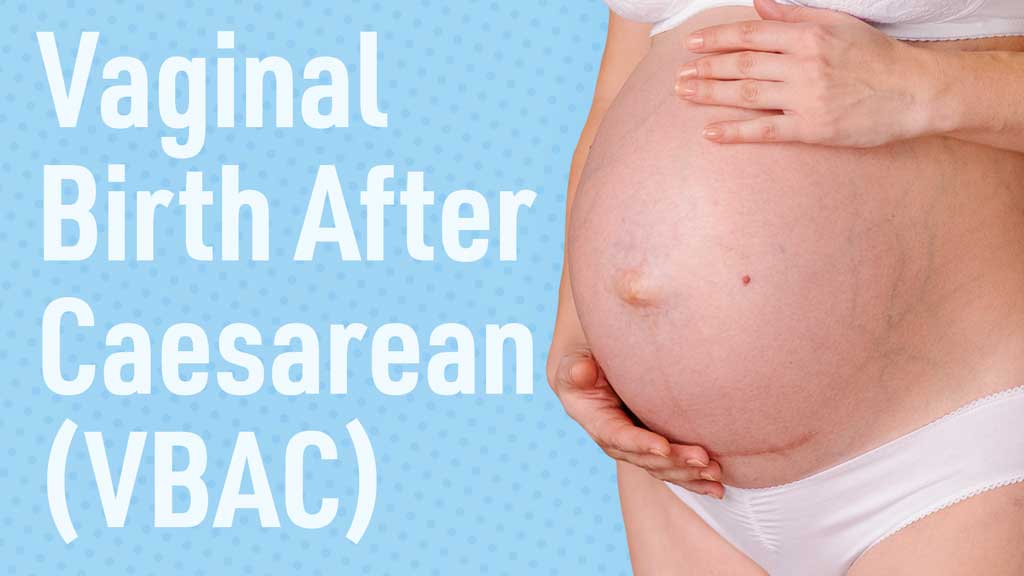
The long-term health of mothers has direct economic consequences for individuals, families, and healthcare systems. Repeat C-sections carry an increasing risk of future complications, such as uterine rupture, hysterectomy, and abnormal placental implantation (e.g., placenta previa or accreta). These complications often necessitate intensive medical interventions, prolonged hospitalizations, and specialized care, incurring extraordinarily high costs in subsequent pregnancies and throughout a woman’s reproductive life.
A successful VBAC can mitigate these escalating risks, thereby reducing future healthcare utilization and associated costs. By preserving uterine integrity, VBAC can lead to healthier outcomes in subsequent pregnancies, diminishing the likelihood of requiring expensive, high-risk interventions. The economic benefits extend to a healthier workforce, reduced long-term disability, and a lower burden on public health services. Understanding “what is VBAC pregnancy” thus also involves recognizing its role in fostering long-term maternal health economics, contributing to a more robust and financially sustainable healthcare system for future generations.
In conclusion, while the choice for VBAC is deeply personal and medically guided, its financial implications are profound and far-reaching. From the direct costs of delivery and the complexities of insurance coverage to long-term economic impacts and societal healthcare spending, a comprehensive financial understanding is indispensable for any family considering a Vaginal Birth After Cesarean. By proactively addressing these monetary factors, expectant parents can make informed decisions that support both their health and financial well-being, contributing to a more economically sustainable approach to childbirth.
aViewFromTheCave is a participant in the Amazon Services LLC Associates Program, an affiliate advertising program designed to provide a means for sites to earn advertising fees by advertising and linking to Amazon.com. Amazon, the Amazon logo, AmazonSupply, and the AmazonSupply logo are trademarks of Amazon.com, Inc. or its affiliates. As an Amazon Associate we earn affiliate commissions from qualifying purchases.