
In the traditional medical lexicon, “vasomotor” refers to the actions of the nerves and muscles that cause blood vessels to constrict or dilate. For decades, this physiological process remained within the confines of clinical biology—primarily discussed in the context of blood pressure regulation and menopausal symptoms. However, as we move deeper into the era of the Internet of Things (IoT) and high-precision wearables, “vasomotor” has emerged as a critical buzzword in the technology sector.
Today, vasomotor technology represents a burgeoning field of health-tech that leverages advanced sensors, artificial intelligence (AI), and smart fabrics to monitor, analyze, and even regulate the body’s autonomic responses. This article explores the intersection of physiology and technology, examining how vasomotor monitoring is becoming the next frontier in wearable tech and digital therapeutics.
The Convergence of Biology and Bio-Technology
To understand the technological application of vasomotor monitoring, one must first understand the data points involved. Vasomotor activity is governed by the autonomic nervous system. When the body detects a need to change temperature or redirect blood flow, it triggers vasomotor responses. In the tech world, these responses are no longer just biological events; they are “bio-signals” that can be quantified.
From Clinical Hardware to Consumer Sensors
In the past, measuring vasomotor stability required bulky equipment found only in specialized vascular labs. Today, the miniaturization of sensors has allowed tech giants and startups alike to integrate these capabilities into consumer gadgets. Photoplethysmography (PPG) sensors—the same green lights on the back of your smartwatch—are being refined to detect subtle changes in vessel diameter and blood flow volume. This technological leap has shifted vasomotor tracking from the hospital bed to the wrist, ring finger, and even the threads of our clothing.
The Digitalization of the Autonomic Nervous System
The real innovation lies in the digitalization of these signals. By capturing vasomotor data, software platforms can now build a digital profile of a user’s autonomic health. This is a significant shift in tech focus: we are moving beyond simple step-counting and basic heart rate monitoring toward “deep-tech” physiological insights. Tech developers are now focusing on the “vasomotor tone,” using it as a metric for stress, recovery, and even early-stage disease detection.
The Engineering Behind Wearable Vasomotor Sensors
The hardware required to track vasomotor changes is remarkably sophisticated. It involves a combination of thermal, optical, and electrical sensors working in tandem to provide a holistic view of the vascular system’s behavior.
High-Precision Thermal Imaging and Sensors
One of the primary indicators of vasomotor activity is skin temperature fluctuation. Modern wearables are now incorporating high-precision thermistors that can detect changes as small as 0.01 degrees Celsius. In the tech space, this isn’t just about “feeling hot or cold.” Companies like Oura and Whoop utilize these sensors to identify the “vasomotor flush”—a sudden dilation of blood vessels—which can indicate a disrupted circadian rhythm or an impending illness. The engineering challenge here is isolating environmental temperature from physiological temperature, a feat achieved through complex heat-flux algorithms.
Galvanic Skin Response (GSR) and Electrodermal Activity
Beyond temperature, vasomotor events are often accompanied by changes in skin conductivity. Tech firms are integrating Electrodermal Activity (EDA) sensors into devices to measure the electrical characteristics of the skin. When the vasomotor system reacts to stress, sweat glands (even if not perceptibly) change the skin’s resistance. By pairing EDA data with vasomotor flow data, AI models can distinguish between physical exertion and emotional stress, providing a level of “digital empathy” previously unseen in consumer electronics.
Smart Fabrics and Haptic Regulation
Perhaps the most futuristic application of vasomotor tech is in the realm of “smart textiles.” Developers are creating fabrics embedded with phase-change materials (PCMs) and micro-actuators. These garments don’t just monitor vasomotor symptoms—like hot flashes—they respond to them. When the sensors detect a vasomotor event, the fabric can trigger a cooling or heating effect, or provide haptic feedback to the wearer to initiate breathing exercises. This represents a transition from “passive monitoring” to “active intervention” technology.

AI and Predictive Analytics in Vascular Health
Data is only as valuable as the insights derived from it. The true power of vasomotor technology lies in the machine learning (ML) models that process the raw sensor data.
Predictive Modeling for Menopausal Health (FemTech)
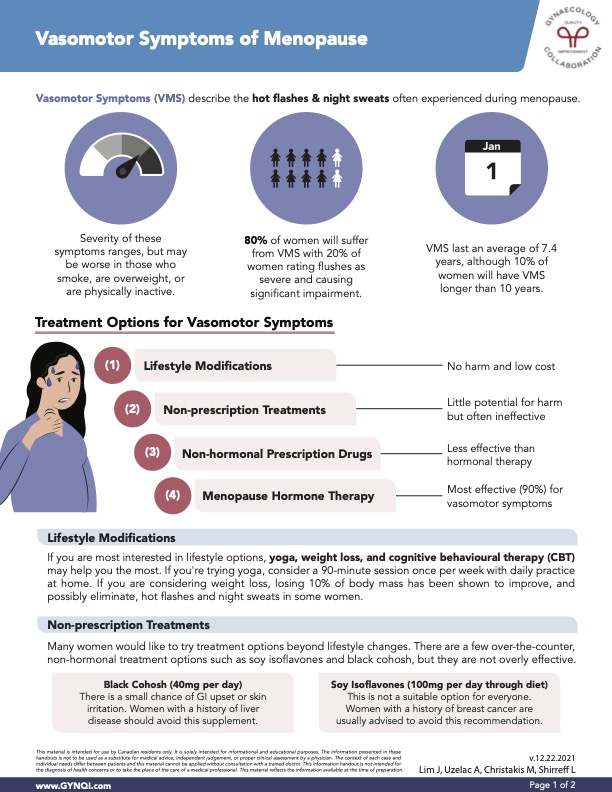
A major driver in the vasomotor tech niche is the FemTech industry. Vasomotor symptoms (VMS), such as hot flashes, affect millions of women globally. Tech companies are now using AI to predict these events before they happen. By analyzing historical vasomotor patterns, sleep data, and heart rate variability (HRV), predictive algorithms can alert a user via a smartphone app that a VMS event is likely to occur within the next 20 minutes. This gives users the opportunity to adjust their environment or practice preventative techniques, effectively using AI as a tool for symptom management.
Big Data and Population Health Trends
On a macro level, the aggregation of vasomotor data provides a goldmine for researchers and tech developers. By anonymizing and analyzing vasomotor patterns across thousands of users, AI can identify environmental triggers—such as air quality, local temperature spikes, or even digital “stressors”—that affect vascular health. This “Big Data” approach allows for the development of more robust software updates and more accurate sensor calibrations, ensuring that the tech evolves alongside the human population.
Personalization Through Neural Networks
Every individual’s vasomotor response is unique. What constitutes a “flush” for one person might be baseline for another. Advanced AI tools use neural networks to establish a “personalized baseline” for each user. Over a period of 14 to 30 days, the software learns the user’s specific vascular signatures. This personalization reduces “false positives” in health alerts and ensures that the tech provides relevant, actionable insights rather than generic data dumps.
The Future of Digital Therapeutics (DTx) and Vasomotor Regulation
As we look toward the next decade, vasomotor technology is poised to become a cornerstone of Digital Therapeutics (DTx)—software-driven evidence-based therapeutic interventions.
Interoperability with the Broader Tech Ecosystem
The future of vasomotor tech is not siloed. We are moving toward a world of “Interoperability,” where your vasomotor sensors talk to your smart home. Imagine a scenario where your wearable detects a vasomotor-related sleep disturbance and automatically signals your smart thermostat to drop the room temperature by two degrees. This integration of wearable tech with the “Smart Environment” represents the pinnacle of user-centric design, where technology seamlessly adapts to our physiological needs.
Non-Invasive Diagnostics and Preventive Tech
The ultimate goal of many tech innovators is to use vasomotor monitoring as a non-invasive diagnostic tool. Research is currently underway to determine if subtle changes in vasomotor reactivity can serve as early digital biomarkers for cardiovascular disease or autonomic neuropathy. If successful, this tech could transform smartphones and watches into early-warning systems, potentially saving lives by identifying vascular irregularities years before they manifest as chronic conditions.
Ethical Considerations and Data Security in Bio-Tech
With the rise of such intimate physiological tracking comes the necessity for robust digital security. Vasomotor data is highly personal; it can reveal information about a user’s hormonal health, stress levels, and even age-related transitions. As this tech niche grows, we will see a heightened focus on “Privacy by Design.” Blockchain technology and edge computing—where data is processed on the device rather than the cloud—will become essential components of the vasomotor tech stack to ensure that our biological “blueprints” remain secure.

Conclusion: The New Frontier of Human-Computer Interaction
The question “what is vasomotor” has evolved from a medical definition into a technological challenge. By capturing the subtle dance of our blood vessels and translating it into digital code, the tech industry is bridging the gap between the physical and digital worlds.
We are moving away from an era where we have to tell our devices how we feel, and into an era where our devices already know. Through the integration of high-precision sensors, predictive AI, and smart materials, vasomotor technology is not just monitoring our health—it is enhancing our ability to interact with the world around us. Whether it is through a piece of smart jewelry that predicts a hot flash or a garment that regulates our temperature in real-time, the “vasomotor revolution” is a testament to the power of technology to improve the human condition. As this niche continues to expand, it will undoubtedly redefine our expectations of what “wearable tech” can truly achieve.
aViewFromTheCave is a participant in the Amazon Services LLC Associates Program, an affiliate advertising program designed to provide a means for sites to earn advertising fees by advertising and linking to Amazon.com. Amazon, the Amazon logo, AmazonSupply, and the AmazonSupply logo are trademarks of Amazon.com, Inc. or its affiliates. As an Amazon Associate we earn affiliate commissions from qualifying purchases.