
The allure of varmint hunting is often misunderstood, painted with broad strokes of mere pest control. However, for those who engage in it, varmint hunting represents a multifaceted pursuit deeply rooted in conservation, skill development, and a profound connection with the natural world. It’s a practice that demands precision, patience, and an understanding of ecological balance. At its core, varmint hunting involves the pursuit and elimination of small, often destructive or overpopulated wild animals, commonly referred to as “varmints.” This term is intentionally broad and can encompass a range of species, depending on the region and the specific ecological concerns at play. From prairie dogs and groundhogs to coyotes, foxes, and even certain bird species, the definition of a varmint is fluid, dictated by its impact on agriculture, livestock, native wildlife populations, or even human property.
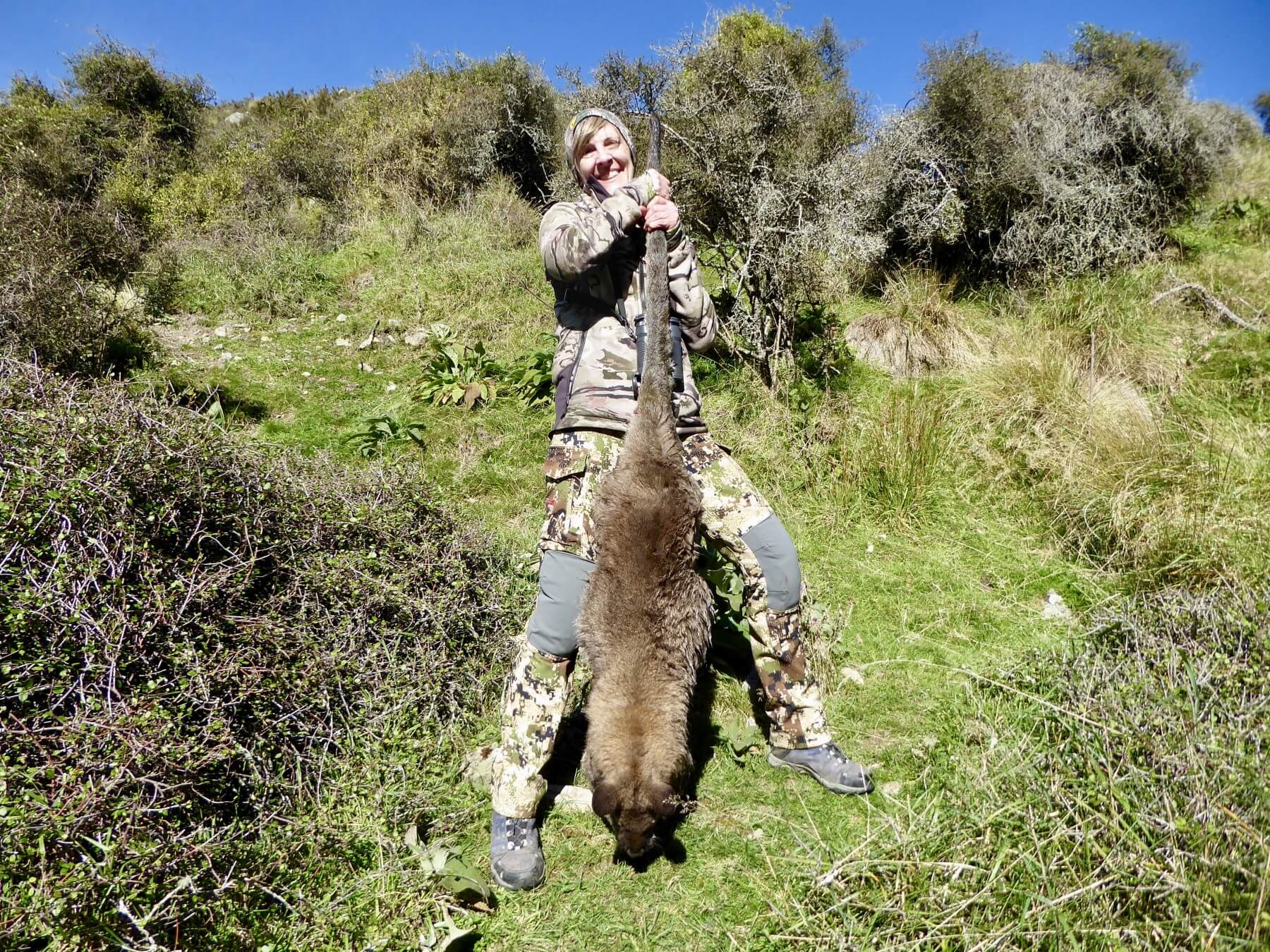
Beyond the simple act of reducing animal numbers, varmint hunting serves as a vital training ground for hunters of all levels. It hones essential skills that are transferable to larger game pursuits and critical for responsible wildlife management. The techniques employed, the equipment utilized, and the strategic thinking involved all contribute to a hunter’s overall competence and understanding of the ecosystem. Furthermore, it can be a significant source of income for those who leverage their skills and knowledge in professional capacities, often working in partnership with landowners and agricultural organizations. This financial aspect, while not the primary driver for many, is an undeniable component of the varmint hunting landscape, particularly for those who dedicate themselves to its practice.
Understanding the Varmint Ecosystem and Its Impact
The classification of an animal as a “varmint” is not arbitrary; it stems from its demonstrable impact on its environment and human interests. Understanding these impacts is fundamental to comprehending the purpose and necessity of varmint hunting. These creatures, often characterized by their rapid reproduction rates and adaptability, can, when their populations become imbalanced, create significant ecological or economic disruptions.
Agricultural Pests and Their Economic Toll
One of the most common reasons for varmint hunting stems from their role as agricultural pests. Animals like groundhogs, prairie dogs, and certain rodents can cause extensive damage to crops. They burrow, undermining fields and irrigation systems, and consume significant portions of planted vegetation, directly impacting yield and profitability for farmers. The financial losses incurred can be substantial, affecting livelihoods and the broader agricultural economy.
Crop Damage and Yield Reduction
Groundhogs, for instance, are notorious for their extensive burrow systems, which can weaken soil structure, damage machinery, and create hazards for livestock and farm workers. Their insatiable appetite means they can decimate entire fields of vegetables, grains, and forage crops in a short period. Similarly, prairie dog colonies, while important for their own ecosystems, can spread rapidly and consume vast amounts of grass and other vegetation in grazing lands, competing directly with livestock for food resources.
Livestock Predation and Disease Transmission
Beyond direct crop consumption, some varmints pose a threat to livestock. Coyotes and foxes are well-known predators of smaller farm animals such as chickens, ducks, and even young lambs or calves. This predation can lead to significant economic losses for ranchers and farmers. Furthermore, some varmint species can act as vectors for diseases that can affect livestock, necessitating their control to protect herd health and prevent outbreaks that could have devastating economic consequences.
Ecological Imbalances and Native Wildlife Competition
Varmint hunting also plays a role in maintaining ecological balance. When certain species proliferate unchecked, they can disrupt native ecosystems by outcompeting native wildlife for resources, altering habitats, or preying on more vulnerable species. Responsible varmint hunting aims to restore a more natural equilibrium.
Competition for Resources
In some areas, introduced or overpopulated native varmint species can compete aggressively with indigenous wildlife for food, water, and shelter. For example, an explosion in the population of a particular rodent species could lead to a scarcity of seeds and insects, negatively impacting birds and other small mammals that rely on these resources. Managing these populations through hunting can help ensure the survival of native flora and fauna.
Habitat Alteration
Certain varmint species, through their burrowing or foraging habits, can significantly alter habitats. Large prairie dog colonies, for instance, can transform grasslands, impacting the plant diversity and subsequently affecting the animal communities that depend on those specific plant structures. While these animals are part of the ecosystem, excessive numbers can lead to detrimental changes that favor the varmint species at the expense of others.
The Art and Science of Varmint Hunting Techniques
Varmint hunting is far from a simple pursuit; it’s a discipline that requires a sophisticated understanding of animal behavior, terrain, and the application of precise techniques and specialized equipment. Success hinges on a combination of tactical planning, patient observation, and the skillful deployment of modern technology and time-tested methods.
Marksmanship and Precision Shooting
The very nature of varmint hunting, which often involves small targets at varying distances, places a paramount emphasis on marksmanship. This is not about simply hitting a target, but about making ethical and effective shots that minimize suffering and ensure a clean harvest.
Rifle Selection and Ammunition
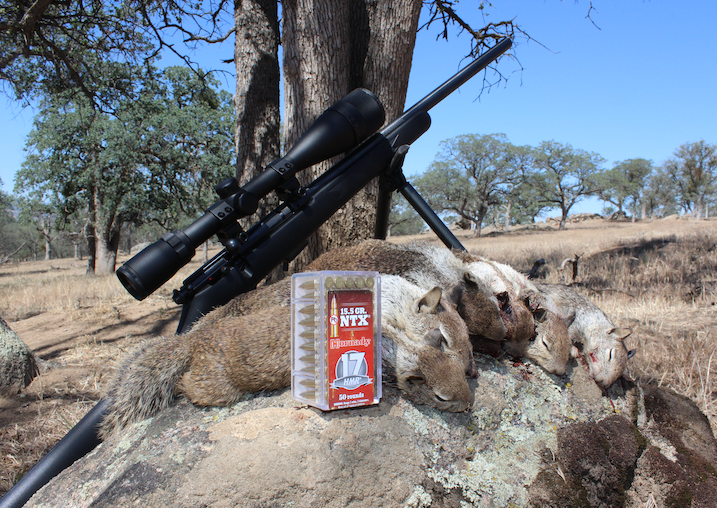
Choosing the right rifle and ammunition is crucial. For varmint hunting, rifles are typically chambered in cartridges that offer a flat trajectory, high velocity, and good accuracy. Popular choices include .223 Remington, .22-250 Remington, and .204 Ruger, known for their precision and ability to humanely dispatch small game at range. The emphasis is on accuracy over stopping power, ensuring the projectile incapacitates the animal quickly.
Scope Technology and Ballistics
Modern scopes have revolutionized varmint hunting. High-magnification, high-quality optics are essential for identifying and precisely targeting small varmints at extended distances. Features like adjustable parallax, illuminated reticles, and even integrated ballistics calculators are becoming increasingly common, allowing hunters to compensate for windage and elevation with unparalleled accuracy. Understanding bullet drop (ballistics) and how external factors like wind affect the projectile is a core skill developed through varmint hunting.
Stealth, Scouting, and Habitat Knowledge
Beyond shooting skill, the ability to locate and approach varmints undetected is paramount. This involves a deep understanding of their habits, preferred habitats, and the terrain itself.
Understanding Varmint Behavior and Sign
Successful varmint hunters are adept at reading the landscape for signs of animal activity. This includes identifying tracks, scat, disturbed vegetation, and the characteristic burrows or dens of various species. Knowing when and where varmints are most active – often during dawn and dusk, or in specific feeding or sunning areas – is key to successful ambushes or stalk hunts.
Camouflage and Scent Control
To approach wary varmints without being detected, hunters employ sophisticated camouflage techniques to blend seamlessly with their surroundings. This extends to clothing, shooting rests, and even blinds. Similarly, scent control is critical, especially when hunting predators like coyotes, whose sense of smell is highly developed. Using scent-eliminating soaps, sprays, and avoiding strong-smelling food and tobacco are standard practices.
Calling and Decoys
For predator varmints like coyotes and foxes, calling plays a significant role. Hunters use a variety of calls – electronic calls that can mimic distress sounds of prey, or mouth calls that produce squeals, yips, or howls – to attract curious or aggressive predators within shooting range. The use of decoys, such as rabbit or bird decoys, can further enhance the effectiveness of calling by providing a visual attractant.
The Economic Viability of Varmint Hunting
While often perceived as a hobby or a means of pest control, varmint hunting can also present distinct economic opportunities. For individuals with the right skills, equipment, and business acumen, it can transition from a recreational pursuit to a viable income stream. This is particularly true in areas experiencing significant varmint-related agricultural or ecological damage.
Professional Pest Management Services
One of the most direct avenues for economic gain is through offering professional varmint control services. Landowners, farmers, ranchers, and even municipalities may contract experienced varmint hunters to manage problematic populations. This requires a strong understanding of local varmint species, their habits, and the most effective and humane methods for their control.
Contractual Agreements and Service Fees
Professional varmint hunters often operate on a contractual basis, providing services for a set fee, hourly rate, or even a per-animal bounty in some cases. This necessitates a professional approach, including clear communication with clients, adherence to all relevant hunting and wildlife regulations, and detailed record-keeping. Building a reputation for reliability and effectiveness is key to securing consistent work.
Specialized Equipment and Insurance
Operating as a professional varmint hunter often requires a significant investment in specialized equipment, including high-powered rifles, advanced optics, night vision or thermal imaging devices (where legal and appropriate), and reliable transportation. Furthermore, obtaining liability insurance is often a necessity to protect against potential accidents or damages.
Fur Trapping and Resource Utilization
In regions where certain varmints are trapped for their pelts, this can represent another significant economic aspect of varmint hunting. Animals like coyotes, foxes, raccoons, and bobcats can have valuable fur, especially during the colder months.
Market Demand and Fur Prices
The economic viability of fur trapping is directly tied to market demand and the fluctuating prices of pelts. While the fur market can be volatile, skilled trappers who understand the best times to trap, the most effective trap sets, and how to properly prepare pelts can generate substantial income. Auction houses and fur buyers provide markets for these harvested resources.
Ethical Trapping and Conservation
Ethical trapping practices are paramount, focusing on quick and humane dispatch of trapped animals and minimizing bycatch. Responsible trappers also play a role in population monitoring and control, contributing to the overall health of the ecosystem. Understanding the lifecycle and population dynamics of furbearing animals is crucial for sustainable trapping.
Photography, Guiding, and Education
Beyond direct control or fur harvesting, there are emerging economic opportunities related to the photography, guiding, and educational aspects of varmint hunting.
Wildlife Photography and Content Creation
The pursuit of varmints often leads hunters to remote and wild areas, providing ample opportunities for wildlife photography. High-quality photographs and videos of these elusive animals, their behaviors, and the hunting process can be sold to publications, stock photo agencies, or used to build a following on social media platforms, generating income through advertising and sponsorships.

Guided Hunts and Workshops
Experienced varmint hunters can leverage their expertise by offering guided hunts for others. This involves not only leading clients to good hunting locations but also providing instruction on calling, stalking, marksmanship, and safety. Similarly, conducting workshops or training sessions on specific varmint hunting techniques can be a profitable endeavor, catering to a growing interest in practical outdoor skills.
In conclusion, varmint hunting, when viewed through the lens of its economic implications, reveals a complex interplay of specialized skills, market dynamics, and entrepreneurial spirit. From providing essential pest control services to utilizing natural resources and sharing expertise, the ability to effectively manage and understand varmint populations can translate into tangible financial rewards for those who pursue it with dedication and professionalism.
aViewFromTheCave is a participant in the Amazon Services LLC Associates Program, an affiliate advertising program designed to provide a means for sites to earn advertising fees by advertising and linking to Amazon.com. Amazon, the Amazon logo, AmazonSupply, and the AmazonSupply logo are trademarks of Amazon.com, Inc. or its affiliates. As an Amazon Associate we earn affiliate commissions from qualifying purchases.