
Inflation is a term frequently bandied about in economic discussions, news cycles, and even casual conversations among consumers. Yet, its true meaning, multifaceted causes, and pervasive impacts often remain shrouded in complexity. At its core, US inflation refers to the rate at which the general level of prices for goods and services is rising, and consequently, the purchasing power of the US dollar is falling. This seemingly simple definition belies a deeply intricate phenomenon that influences every aspect of the American economy, from the price of your morning coffee to the long-term returns on your retirement investments. Understanding US inflation is not merely an academic exercise; it’s a vital tool for informed financial decision-making for individuals, businesses, and policymakers alike.
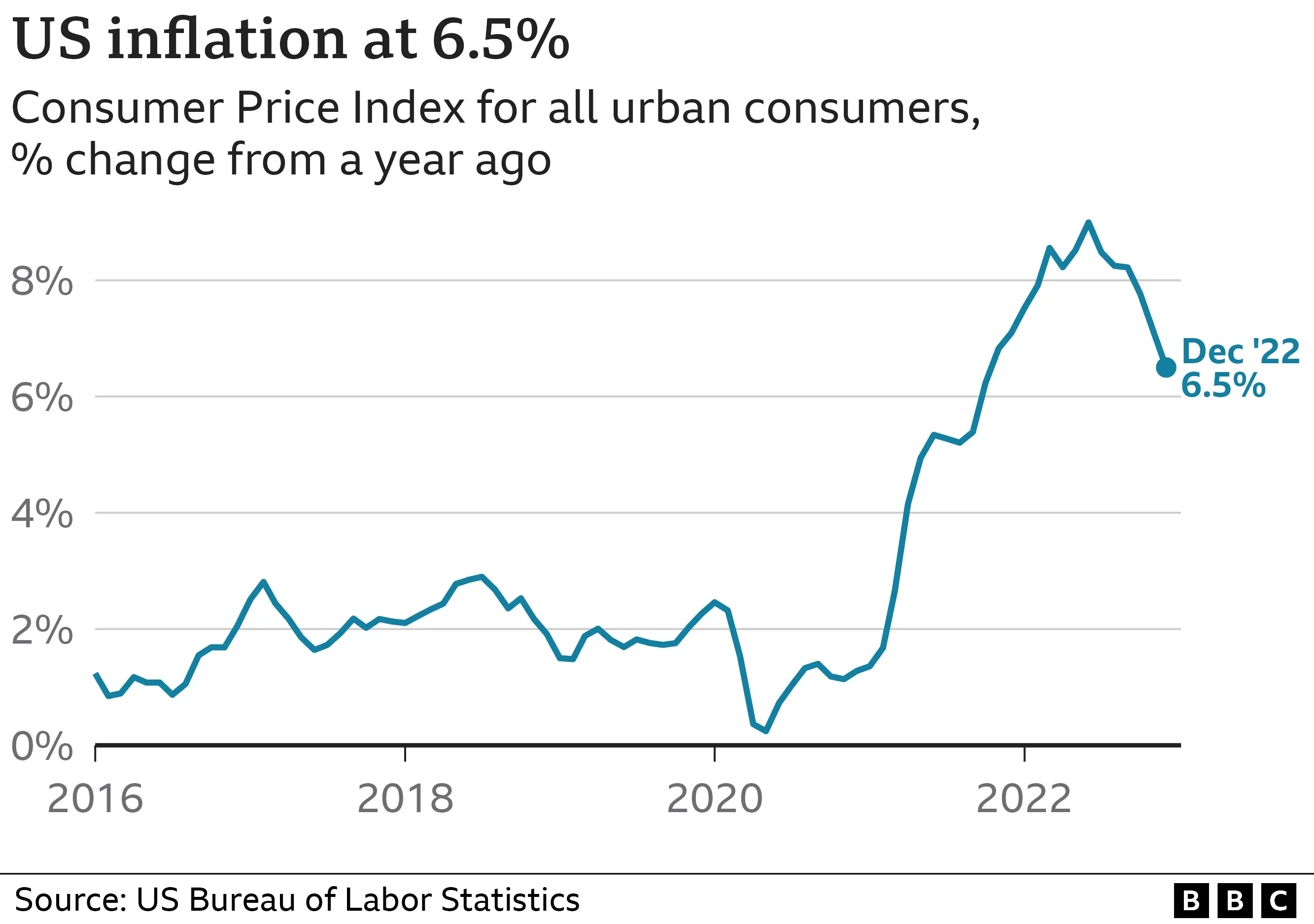
For the average American household, inflation manifests as a gradual erosion of their budget. What $100 could buy last year might only purchase $95 worth of goods today. For businesses, it translates into rising operational costs, supply chain uncertainties, and challenges in pricing strategies. For investors, it dictates real returns and can reshape portfolio allocations. And for the Federal Reserve, managing inflation is one of its dual mandates, alongside maximizing employment. This article delves into the intricacies of US inflation, exploring how it’s measured, what drives its fluctuations, its widespread impacts, and strategies for navigating its challenges.
The Core Concept of Inflation
To truly grasp the dynamics of inflation, it’s essential to dissect its fundamental definition and understand how it is quantified within the US economic framework.
Defining Inflation and Its Mechanics
Inflation is not merely the price increase of a single item but a sustained increase in the general price level of an economy over a period. When inflation occurs, each unit of currency buys fewer goods and services than it did previously. This decline in purchasing power affects the cost of living for the common public. Imagine a scenario where a loaf of bread costs $3 today, but due to inflation, it costs $3.15 next year. If your income hasn’t increased proportionally, your ability to purchase goods diminishes.
It’s important to distinguish inflation from related concepts:
- Deflation: The opposite of inflation, where the general price level falls, increasing the purchasing power of currency. While it sounds good, sustained deflation can be very damaging to an economy, discouraging spending and investment.
- Disinflation: A slowdown in the rate of inflation. Prices are still rising, but at a slower pace than before. For example, if inflation falls from 5% to 3%, that’s disinflation, not deflation.
- Hyperinflation: An extreme and rapid increase in the general price level, often associated with economic collapse, political instability, and a complete loss of confidence in a currency.
The mechanics of inflation often boil down to the interplay of supply and demand. Often described as “too much money chasing too few goods,” this adage succinctly captures a key driver. When the money supply grows faster than the economy’s ability to produce goods and services, the value of each dollar diminishes, leading to higher prices.
Key Measures of US Inflation
Measuring inflation is critical for policymakers to guide economic decisions and for individuals and businesses to plan effectively. In the US, several key indices are used, each offering a slightly different perspective.
Consumer Price Index (CPI)
The Consumer Price Index (CPI) is perhaps the most widely recognized measure of inflation. Published monthly by the Bureau of Labor Statistics (BLS), the CPI measures the average change over time in the prices paid by urban consumers for a market basket of consumer goods and services. This basket includes a broad range of items, such as food, energy, housing, apparel, transportation, medical care, recreation, education, and communication.
- How it works: The BLS collects price data for thousands of items from retail establishments across the country. These prices are then weighted according to their importance in the average household budget.
- Limitations: While comprehensive, the CPI has some limitations. It might not perfectly reflect individual spending habits, as everyone’s “basket” differs. It also faces challenges with quality adjustments (e.g., how to account for a new smartphone being more powerful but costing more) and substitution bias (consumers tend to substitute cheaper goods for more expensive ones, which the CPI may not immediately capture).
Personal Consumption Expenditures (PCE) Price Index
The Personal Consumption Expenditures (PCE) Price Index is another crucial inflation gauge, often favored by the Federal Reserve for its monetary policy decisions. Published by the Bureau of Economic Analysis (BEA), the PCE index measures the prices of goods and services purchased by consumers.
- Key differences from CPI:
- Scope: PCE covers a broader range of goods and services, including those purchased on behalf of households by non-profits.
- Weights: PCE uses a “chain-weighted” index, which allows for changes in consumer spending patterns to be reflected more quickly than the CPI’s fixed-weight basket, thus better accounting for substitution effects.
- Core PCE: The “core PCE” index excludes volatile food and energy prices, providing a clearer picture of underlying inflation trends that are less subject to temporary supply shocks. The Federal Reserve’s target inflation rate (typically 2%) is based on the core PCE.
Producer Price Index (PPI)
The Producer Price Index (PPI), also published by the BLS, measures the average change over time in the selling prices received by domestic producers for their output. Unlike the CPI or PCE, which track prices consumers pay, the PPI tracks prices at the wholesale level.
- Leading indicator: Changes in the PPI can often be a leading indicator of future consumer inflation. If producers face higher costs for raw materials or labor, they may eventually pass these costs onto consumers in the form of higher retail prices.
- Components: The PPI tracks prices across various stages of production, from raw materials to intermediate goods and finished goods.
By analyzing these different measures, economists and policymakers gain a holistic view of inflationary pressures across the US economy.
What Drives Inflation in the United States?
Inflation is rarely caused by a single factor; rather, it’s typically the result of a complex interplay of economic forces. These drivers can generally be categorized into three main types: demand-pull, cost-push, and built-in inflation.
Demand-Pull Inflation
Demand-pull inflation occurs when aggregate demand in an economy outweighs the aggregate supply of goods and services. Essentially, there’s too much money chasing too few goods.
- Increased Consumer Spending: When consumers feel confident about the economy, have higher incomes, or accumulate savings (e.g., during economic stimulus periods), they tend to spend more. This surge in demand can outstrip the production capacity of businesses, leading to higher prices as sellers capitalize on strong demand.
- Government Spending: Significant government expenditure, particularly when financed through borrowing or money creation, injects more money into the economy. If this spending isn’t matched by an increase in productivity or output, it can fuel inflation.
- Easy Monetary Policy: When the Federal Reserve keeps interest rates low or implements quantitative easing (buying bonds to inject liquidity), it encourages borrowing and spending. This can stimulate economic activity but risks overheating the economy and generating demand-pull inflationary pressures.
- Economic Growth Exceeding Capacity: If an economy grows too quickly, pushing employment to its maximum and factories to full capacity, it becomes harder to increase production further. Any additional demand will then primarily translate into higher prices rather than more output.
Cost-Push Inflation
Cost-push inflation arises from an increase in the costs of production that companies face. When the cost to produce goods and services rises, businesses pass these increased costs onto consumers in the form of higher prices to maintain their profit margins.
- Supply Chain Disruptions: Global events like pandemics, natural disasters, or geopolitical conflicts can disrupt supply chains, making it more expensive or difficult to obtain raw materials, components, or transportation. The scarcity of these inputs drives up their prices, which then translates to higher consumer prices.
- Increase in Production Costs:
- Wages: If labor unions negotiate significant wage increases or if there’s a tight labor market leading to widespread wage hikes, businesses face higher labor costs.
- Raw Materials: A spike in the price of key commodities like oil, metals, or agricultural products can significantly impact production costs across various industries.
- Energy Costs: Higher prices for electricity, natural gas, or fuel directly increase operational costs for almost all businesses.
- Imported Inflation: A weakening US dollar makes imported goods more expensive. If the US relies heavily on imported goods or components, a depreciating dollar can lead to higher domestic prices. Similarly, higher global commodity prices (e.g., oil) will impact the US even if domestic production is high.

Built-In Inflation (Inflationary Expectations)
Built-in inflation, also known as inflationary expectations, is a self-perpetuating cycle where people expect inflation to continue, and these expectations influence their behavior in ways that make inflation a reality.
- Wage-Price Spiral: This is a classic example. If workers anticipate higher inflation, they will demand higher wages to maintain their purchasing power. Companies, facing increased labor costs, respond by raising the prices of their goods and services. This, in turn, fuels further inflationary expectations among workers, leading to another round of wage demands, perpetuating the spiral.
- Consumer and Business Behavior: If consumers expect prices to rise significantly in the future, they might accelerate their purchases, creating more demand and pushing current prices higher. Similarly, businesses might preemptively raise prices or factor in higher inflation when setting future prices and making investment decisions.
- Anchored vs. Unanchored Expectations: Central banks, like the Federal Reserve, strive to “anchor” inflation expectations, meaning convincing the public and markets that inflation will remain stable and predictable (e.g., around 2%). If expectations become “unanchored” and people believe inflation will spiral out of control, it becomes much harder for the central bank to bring prices back down.
Understanding these intertwined causes is crucial for policymakers attempting to formulate effective responses to inflationary periods.
The Impact of US Inflation on Different Stakeholders
Inflation is not a neutral phenomenon; it redistributes wealth and creates winners and losers, profoundly affecting various economic actors in different ways.
Effect on Consumers and Households
For the majority of American households, inflation is primarily experienced as a burden.
- Reduced Purchasing Power: The most direct impact is the erosion of money’s value. Every dollar earned buys less than it did before, forcing households to spend more to maintain their standard of living or cut back on discretionary items.
- Erosion of Savings: Cash savings held in low-interest accounts (like typical checking or savings accounts) lose value over time when inflation outpaces interest rates. The real return on these savings becomes negative.
- Impact on Fixed Incomes: Retirees, pensioners, and individuals living on fixed incomes are particularly vulnerable. Their income does not adjust upwards with rising prices, leading to a significant drop in their real purchasing power.
- Debt Implications: For those with fixed-rate debt (like a 30-year fixed mortgage), inflation can be beneficial. As wages and prices rise, the real value of their debt payments decreases over time. However, for those looking to take on new debt, rising interest rates (often a response to inflation) can make borrowing more expensive.
- Changes in Spending Habits: Consumers may become more frugal, actively search for sales, or delay large purchases. This shift can impact overall demand and economic growth.
Impact on Businesses and the Economy
Businesses face a complex landscape during inflationary periods, dealing with both challenges and, in some cases, opportunities.
- Increased Operational Costs: Raw materials, energy, and labor costs rise, squeezing profit margins unless businesses can pass these costs onto consumers.
- Supply Chain Uncertainty: Volatile prices and potential shortages of inputs can make supply chain management highly challenging, leading to production delays and higher inventory costs.
- Difficulty in Long-Term Planning and Investment: High and unpredictable inflation introduces uncertainty, making it harder for businesses to forecast future costs, revenues, and make sound investment decisions. This can stifle innovation and growth.
- Wage Demands: Employees will seek higher wages to cope with rising living costs, putting further pressure on business expenses.
- Competitiveness: Businesses unable to absorb costs or pass them on may lose competitiveness, particularly against international rivals in countries with lower inflation.
- Overall Economic Stability: Persistent high inflation can lead to economic instability, reducing consumer and business confidence, and potentially triggering recessions if the central bank takes aggressive measures to curb it.
The Role of the Federal Reserve and Government Policy
Central banks and governments play crucial roles in managing inflation, employing monetary and fiscal policies.
- Monetary Policy Tools (Federal Reserve): The Federal Reserve’s primary tool to combat inflation is adjusting interest rates.
- Raising Interest Rates: When inflation is high, the Fed typically raises the federal funds rate. This makes borrowing more expensive for banks, which in turn leads to higher interest rates for consumers and businesses (e.g., mortgages, car loans, business loans). Higher borrowing costs reduce spending and investment, cooling down demand and thereby easing price pressures.
- Quantitative Tightening (QT): The Fed can also reduce its balance sheet by selling government bonds or letting them mature without reinvestment. This removes money from the financial system, reducing liquidity and exerting upward pressure on long-term interest rates.
- Fiscal Policy (Government): The government can use fiscal tools, though these are often less agile for inflation targeting than monetary policy.
- Reduced Government Spending: Cutting government expenditure can reduce aggregate demand, alleviating inflationary pressure.
- Increased Taxation: Raising taxes can reduce disposable income for consumers and businesses, thereby dampening demand.
- Balancing Act: The Fed faces a delicate balancing act, aiming to control inflation without triggering a recession (a “soft landing”). Aggressive rate hikes can slow the economy too much, leading to job losses and reduced economic output.
Navigating an Inflated Economic Landscape
Living and operating in an environment marked by inflation requires strategic thinking and adaptation from all economic participants.
Strategies for Individuals and Investors
For individuals, protecting purchasing power and growing wealth in an inflationary environment is paramount.
- Budgeting and Debt Management: Revisit personal budgets to identify areas to cut back. Prioritize paying down high-interest, variable-rate debt, as interest payments can rise with inflation-fighting rate hikes. Fixed-rate debt, conversely, becomes less burdensome in real terms.
- Investing in Inflation-Hedges:
- Real Estate: Historically, real estate has been a good hedge against inflation, as property values and rental income tend to rise with general price levels.
- Commodities: Gold, silver, oil, and other raw materials often perform well during inflationary periods as their prices are directly tied to supply and demand pressures.
- Treasury Inflation-Protected Securities (TIPS): These are US Treasury bonds whose principal value adjusts with the CPI, offering protection against inflation.
- Stocks of Companies with Pricing Power: Businesses that can pass increased costs onto consumers without losing significant market share (e.g., strong brands, essential services) tend to perform better.
- Diversified Portfolio: A well-diversified portfolio across various asset classes (stocks, bonds, real estate, commodities) helps mitigate risk and capture potential gains from different market conditions, including inflation.
- Reviewing Income Sources: Seek opportunities to increase income, whether through salary negotiations, skill development, or exploring side hustles, to keep pace with rising costs.
Business Adaptations and Resilience
Businesses must be agile and strategic to thrive when inflation is high.
- Supply Chain Optimization and Diversification: Building resilient supply chains by diversifying suppliers, localizing production where feasible, and holding strategic inventories can mitigate the impact of price shocks and disruptions.
- Pricing Strategies and Cost Control: Businesses need sophisticated pricing strategies, potentially implementing dynamic pricing or surcharges. Simultaneously, rigorous cost control measures, seeking efficiencies in operations, and renegotiating supplier contracts are crucial.
- Investing in Efficiency and Automation: Long-term investments in technology and automation can reduce reliance on increasingly expensive labor and improve productivity, offsetting some inflationary pressures.
- Employee Retention and Compensation Adjustments: To retain talent, businesses may need to offer competitive wages and benefits that account for inflation, potentially linking pay increases to cost-of-living adjustments.
- Hedging Strategies: For businesses with significant exposure to commodity price fluctuations (e.g., energy, raw materials), financial hedging instruments can help lock in future prices.

The Outlook and Future Challenges
The trajectory of US inflation is influenced by a multitude of factors, making its future challenging to predict definitively.
- Geopolitics and Global Events: International conflicts, trade disputes, and geopolitical shifts can continue to disrupt supply chains and impact commodity prices, exerting upward or downward pressure on inflation.
- Technological Advancements: Innovation and automation can increase productivity and reduce costs over the long term, potentially exerting disinflationary pressures.
- Demographics: Aging populations in many developed countries could impact labor supply and demand, influencing wage growth and overall inflation.
- The Fed’s Ongoing Balancing Act: The Federal Reserve will continue to navigate the delicate balance of controlling inflation while supporting economic growth and employment. Their decisions on interest rates and quantitative measures will be critical.
- Importance of Informed Decision-Making: For all stakeholders, staying informed about economic indicators, understanding the causes and impacts of inflation, and adapting financial strategies will be essential for navigating a dynamic economic environment.
In conclusion, US inflation is far more than a simple percentage point; it is a fundamental economic force with profound and far-reaching consequences. From eroding savings to reshaping business strategies and guiding central bank policy, its influence is ubiquitous. By understanding its core concepts, drivers, and impacts, individuals, businesses, and policymakers can better equip themselves to navigate its challenges and strive for economic stability and prosperity.
aViewFromTheCave is a participant in the Amazon Services LLC Associates Program, an affiliate advertising program designed to provide a means for sites to earn advertising fees by advertising and linking to Amazon.com. Amazon, the Amazon logo, AmazonSupply, and the AmazonSupply logo are trademarks of Amazon.com, Inc. or its affiliates. As an Amazon Associate we earn affiliate commissions from qualifying purchases.