
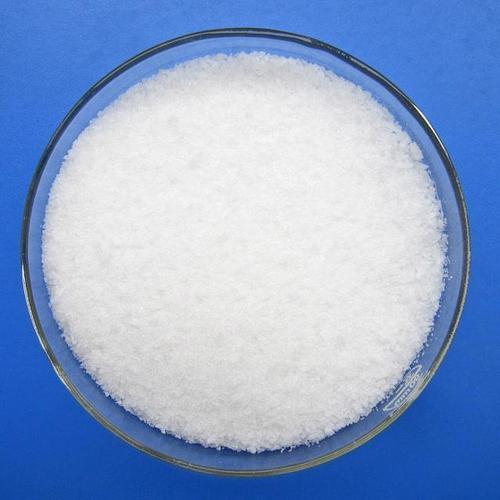
Urea powder, a white, crystalline organic compound, might seem like a niche chemical, but its widespread applications are deeply interwoven with the global economy, influencing everything from agricultural output to industrial manufacturing and even environmental compliance. For investors, entrepreneurs, and finance professionals, understanding “what urea powder is used for” transcends basic chemistry, revealing significant market opportunities, supply chain intricacies, and strategic financial considerations across diverse industries. Examining its utility through a purely financial lens uncovers its role as a critical commodity with far-reaching economic implications.
The Economic Cornerstone: Urea’s Role in Global Industries
Urea is not merely a chemical compound; it is a foundational economic commodity that underpins several massive global sectors. Its production, trade, and application create significant market dynamics and present compelling investment avenues, shaping profitability and risk profiles for countless businesses worldwide.

Agriculture: The Fertilizer Market’s Financial Engine
The most dominant use of urea powder, accounting for approximately 90% of global consumption, is in agriculture as a nitrogen-release fertilizer. From a financial perspective, this makes urea a linchpin in the global food supply chain, directly impacting food security, crop yields, and the profitability of agricultural enterprises. The market for nitrogen fertilizers, largely driven by urea, is colossal, valued in the tens of billions of dollars annually. Its growth is intrinsically linked to global population growth, which demands ever-increasing food production, and the sustained need for farmers to maximize yields on existing arable land.
For investors, this sector offers direct exposure to global demographic trends and fundamental human needs. Companies that produce urea, such as major chemical and fertilizer manufacturers, benefit from consistent demand. However, their financial performance is also susceptible to agricultural cycles, commodity price volatility (especially natural gas, a primary feedstock for urea production), and geopolitical events affecting trade routes or energy supplies. Businesses in agricultural services, farm equipment, and even food processing also indirectly benefit from the stable and enhanced agricultural output facilitated by urea. Understanding urea’s financial impact here means tracking agricultural forecasts, energy prices, and the balance sheets of leading fertilizer producers, as these factors collectively dictate the viability and financial health of the sector. Furthermore, the push for sustainable agriculture and precision farming also opens up investment into technologies that make urea application more efficient, reducing waste and enhancing financial returns per acre.
Industrial Applications: A Diverse Investment Landscape
Beyond agriculture, urea powder boasts a significant and growing array of industrial applications, each with its own distinct market dynamics and financial considerations. These uses diversify its economic footprint and offer additional avenues for investment and business development.
One prominent industrial application is in the manufacturing of various resins and adhesives, particularly urea-formaldehyde resins. These are indispensable in the production of plywood, particleboard, and medium-density fiberboard (MDF), forming the backbone of the construction and furniture industries. For businesses in these sectors, the cost and availability of urea are critical raw material considerations that directly impact their profit margins and competitive pricing strategies. Investment opportunities exist not only in the chemical companies supplying urea but also in the manufacturers of these wood products, whose financial health is tied to both construction cycles and raw material costs.
Another rapidly expanding use of urea powder is in the automotive sector, specifically as a key component of Diesel Exhaust Fluid (DEF). DEF is essential for modern diesel vehicles to comply with stringent emissions regulations by converting harmful nitrogen oxides into harmless nitrogen and water. The global market for DEF is experiencing substantial growth, driven by increasing vehicle production, the expansion of diesel fleets worldwide, and stricter environmental legislation. This creates a predictable and growing demand curve for urea, offering stable revenue streams for suppliers and manufacturers. Companies involved in the production and distribution of DEF, or the underlying urea, represent compelling investment opportunities, as their growth is underpinned by non-discretionary regulatory compliance and global automotive trends.
Other industrial uses, though smaller in scale, further underscore urea’s diverse economic utility. These include its use in some tanning processes, as an ingredient in certain plastics, and even in specialized applications like the production of some explosives. While individually smaller markets, collectively they contribute to the overall demand for urea, offering resilience and diversification to its economic profile. For businesses, understanding these varied applications allows for strategic market entry, diversification of product lines, and robust financial planning against a backdrop of fluctuating demand in any single sector.
Investing in Urea: Market Dynamics and Opportunities
Investing in any commodity, or companies tied to it, requires a deep understanding of its market dynamics. Urea’s journey from raw material to a critical industrial input is characterized by distinct price drivers, complex supply chains, and specific investment vehicles that merit close attention from a financial perspective.
Commodity Market Volatility and Price Drivers
The global urea market is characterized by significant price volatility, which directly impacts the profitability of businesses that either produce or heavily rely on this compound. The primary driver of urea prices is the cost of its main feedstock: natural gas. Natural gas typically accounts for 70-90% of the production cost of urea. Consequently, fluctuations in global natural gas prices, influenced by geopolitical events, energy demand, and seasonal weather patterns, are directly reflected in urea prices. For instance, energy crises or disruptions in major natural gas-producing regions can send urea prices soaring, squeezing margins for downstream industries like agriculture and manufacturing.
Beyond natural gas, other factors contributing to price volatility include global supply and demand imbalances, agricultural planting cycles, governmental policies (e.g., export restrictions, subsidies), and shipping costs. A bumper crop year in one region might reduce demand for fertilizer imports, while a drought could escalate it. Businesses must actively manage this price risk, often through hedging strategies using futures contracts or entering into long-term supply agreements to stabilize their raw material costs. For investors, understanding these intertwined factors is crucial for forecasting profitability for urea producers and assessing the financial health of urea-dependent sectors. This involves monitoring global energy markets, agricultural reports, and international trade policies.
Supply Chain and Logistics: Unlocking Value
The global supply chain for urea is intricate, extending from major production hubs to diverse consumption markets worldwide. Key producing regions include China, Russia, the Middle East, and North America, benefiting from abundant natural gas resources. However, major consumption markets are spread across all continents, necessitating extensive global trade and robust logistics infrastructure. The efficiency of this supply chain has significant financial implications.
Investment in logistics, including specialized shipping vessels, storage facilities, and port infrastructure capable of handling bulk chemicals, becomes a critical component of the value chain. Companies that can optimize their supply chains—reducing transportation costs, minimizing waste, and ensuring timely delivery—gain a significant competitive advantage, translating directly into higher profit margins. Moreover, supply chain resilience, particularly in the face of geopolitical tensions or natural disasters, is a growing financial imperative. Investing in companies with diversified production sites, robust distribution networks, and advanced logistics technologies can offer compelling returns. Financial institutions also play a role in financing these large-scale logistical operations, further embedding urea within the broader financial ecosystem. Disruptions here, such as Suez Canal blockages or port strikes, can trigger immediate price spikes and impact the financial performance of companies across the supply chain.
Publicly Traded Companies and Investment Vehicles
For investors looking to gain exposure to the urea market, several avenues exist. The most direct approach is investing in publicly traded companies that are significant producers of urea or nitrogen fertilizers. These often include large multinational chemical companies, agricultural input providers, or specialized fertilizer manufacturers. Examples might include companies like Nutrien, CF Industries, or various state-owned enterprises in major producing nations (though direct investment might be limited for some). Analyzing their financial statements, production capacities, natural gas hedging strategies, and market share provides insights into their investment potential.
Alternatively, investors can consider exchange-traded funds (ETFs) or mutual funds that focus on the agriculture sector, basic materials, or industrial chemicals. These vehicles offer diversified exposure to a basket of companies, including those involved in urea production and consumption, mitigating some of the single-stock risk. Before investing, it’s essential to perform thorough due diligence, assessing the company’s financial health, management quality, competitive landscape, and its specific exposure to urea’s price volatility and supply chain dynamics. Risks include commodity price fluctuations, regulatory changes, and environmental liabilities. However, the fundamental demand driven by global food requirements and industrial growth offers a compelling long-term investment thesis for a product as critical as urea.
Urea in Business Finance: Cost Management and Strategic Sourcing
For businesses whose operations depend on urea powder, effective financial management extends beyond simply purchasing the raw material. It involves strategic sourcing, robust budgeting, and an eye towards sustainability, all of which directly impact the bottom line and long-term financial viability.
Budgeting for Raw Material Costs
Accurate budgeting for raw material costs is paramount for any business utilizing urea, whether for fertilizer blending, resin manufacturing, or DEF production. Given urea’s price volatility, traditional fixed-cost budgeting models can be inadequate. Companies must employ dynamic budgeting strategies that account for potential fluctuations in urea prices due to energy costs, geopolitical events, and seasonal demand. This often involves developing sophisticated forecasting models that integrate commodity market data, economic indicators, and supply chain intelligence.
The impact of price fluctuations on profit margins can be substantial. A sudden increase in urea costs can erode profitability if not properly managed, potentially forcing businesses to raise prices, which might affect competitiveness. Conversely, a decline in urea prices can significantly boost margins. To mitigate risk, businesses frequently explore various purchasing strategies. These include entering into long-term supply contracts with fixed or indexed pricing, which provides cost stability but might forgo benefits from price drops. Alternatively, relying on spot market purchases offers flexibility but exposes the business to immediate price surges. A balanced approach, often combining both strategies, is typically favored to optimize cost control and supply security, reflecting a nuanced financial decision-making process.
Sustainability and ESG Considerations in Sourcing
The increasing focus on Environmental, Social, and Governance (ESG) factors is transforming how businesses source and utilize raw materials, including urea. While urea is essential, its production is energy-intensive and can have an environmental footprint. For businesses, sustainable sourcing of urea is no longer just an ethical choice but a growing financial imperative driven by consumer demand, regulatory pressures, and investor expectations.
Financially, investing in more sustainably produced urea—for instance, from facilities that capture carbon emissions or use renewable energy in their production processes—can initially be more expensive. However, it can lead to significant long-term benefits. These include enhanced brand reputation, which can command premium pricing and attract a loyal customer base. It also reduces regulatory compliance risks and potential future carbon taxes. Furthermore, access to capital may become easier for companies demonstrating strong ESG performance, as many institutional investors now prioritize sustainable investments. Businesses that proactively invest in green technologies related to urea production or more efficient application methods can also position themselves as industry leaders, creating new revenue streams or securing preferred supplier status. This aligns financial returns with responsible corporate citizenship, showcasing how ESG considerations are deeply embedded in modern business finance.

Innovation and Value Creation
Innovation in the urea sector extends beyond basic production, presenting significant opportunities for value creation and enhanced financial performance. Investment in research and development (R&D) is crucial for developing more efficient urea application technologies, such as slow-release and controlled-release fertilizers. These innovations can maximize nutrient uptake by plants, reduce nutrient runoff, and lower the overall amount of urea needed per acre, leading to cost savings for farmers and environmental benefits.
From a business finance perspective, companies that invest in these advanced formulations can differentiate their products, command higher prices, and capture new market segments. Similarly, R&D into alternative products or novel uses of urea can open up entirely new revenue streams. For example, innovations in urea-based materials for advanced manufacturing or energy storage could tap into emerging high-growth markets. This strategic investment in innovation can transform a commodity product into a value-added solution, impacting not only the company’s profitability and market share but also attracting venture capital and private equity interest looking for high-growth potential. Ultimately, understanding what urea powder is used for, in a financial context, involves recognizing its current economic bedrock roles and anticipating the future financial opportunities spurred by innovation and sustainability demands.
aViewFromTheCave is a participant in the Amazon Services LLC Associates Program, an affiliate advertising program designed to provide a means for sites to earn advertising fees by advertising and linking to Amazon.com. Amazon, the Amazon logo, AmazonSupply, and the AmazonSupply logo are trademarks of Amazon.com, Inc. or its affiliates. As an Amazon Associate we earn affiliate commissions from qualifying purchases.