
In the intricate world of automotive engineering, a concept often discussed by performance enthusiasts and industry professionals alike is “unsprung weight.” Far from an obscure technicality, unsprung weight plays a pivotal role in determining a vehicle’s ride comfort, handling dynamics, and overall performance. Understanding this critical metric is essential for appreciating the complexities behind vehicle design and the relentless pursuit of driving excellence.
Defining Unsprung Weight: The Basics
Unsprung weight refers to the total mass of the components in a vehicle that are not supported by the suspension system. In simpler terms, these are the parts that directly follow the contours of the road surface as the vehicle moves. When a car encounters a bump or a dip, it is the unsprung mass that reacts first, oscillating independently of the vehicle’s main body.
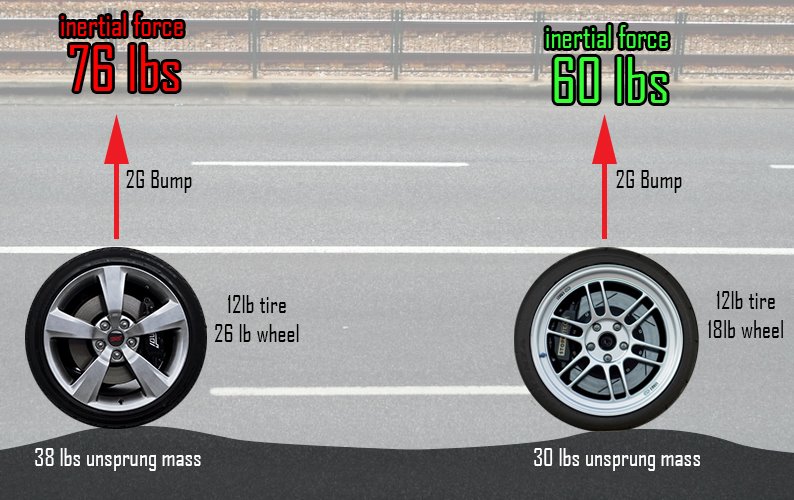
Components of Unsprung Mass
To grasp the full scope of unsprung weight, it’s important to identify its primary constituents. These typically include:
- Wheels and Tires: These are arguably the most significant contributors to unsprung weight, as they are in direct contact with the road. The size, material (e.g., steel vs. alloy), and design of both the wheels and tires directly influence their mass.
- Braking System Components: This encompasses brake calipers, rotors (discs), pads, and sometimes even a portion of the brake lines. High-performance braking systems, while effective, can sometimes add substantial mass.
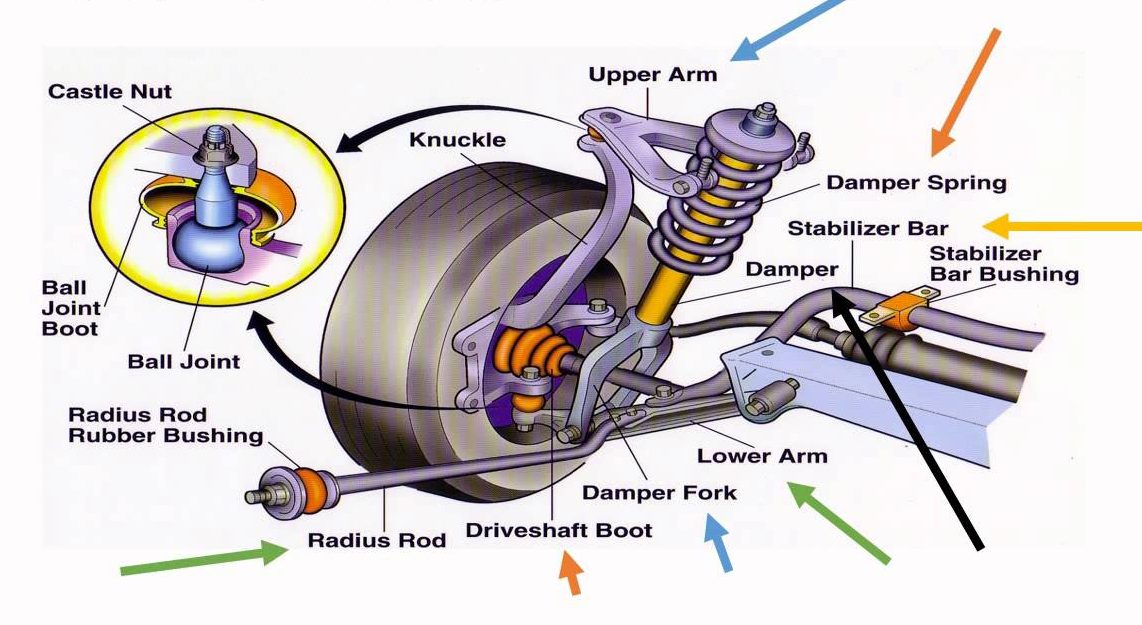
- Suspension Linkages: While the main springs and shock absorbers are considered part of the sprung mass (or at least partially so, depending on where the suspension is attached), components like control arms, knuckles, and wheel hubs are firmly part of the unsprung assembly.
- Axles and Half-shafts: In most vehicle designs, particularly those with independent suspension, these elements also contribute to the unsprung mass, transmitting power to the wheels.
- Wheel Bearings: These small but essential components facilitate the rotation of the wheels and are integrated into the unsprung assembly.
Every gram added to these components increases the unsprung weight, directly impacting how the vehicle responds to road imperfections and driver inputs.
The Counterpart: Sprung Weight
To truly understand unsprung weight, it’s helpful to contrast it with its opposite: sprung weight. Sprung weight is the total mass of the vehicle that is supported by the suspension system. This includes the chassis, body, engine, transmission, passengers, cargo, and essentially everything else above the springs. The suspension system acts as a buffer between the sprung and unsprung masses, allowing them to move somewhat independently and absorb road shocks.
The fundamental goal of suspension design is to optimize the interaction between these two masses. A high sprung-to-unsprung weight ratio is generally desirable, as it means the suspension has less mass to control beneath it, leading to better ride quality and handling.
Why Unsprung Weight Matters: Impact on Performance and Ride
The implications of unsprung weight extend far beyond a mere technical specification. It fundamentally influences a vehicle’s dynamic behavior across several critical aspects. Engineers continuously strive to minimize unsprung mass, recognizing its profound effect on the driving experience.
Ride Comfort and Smoothness
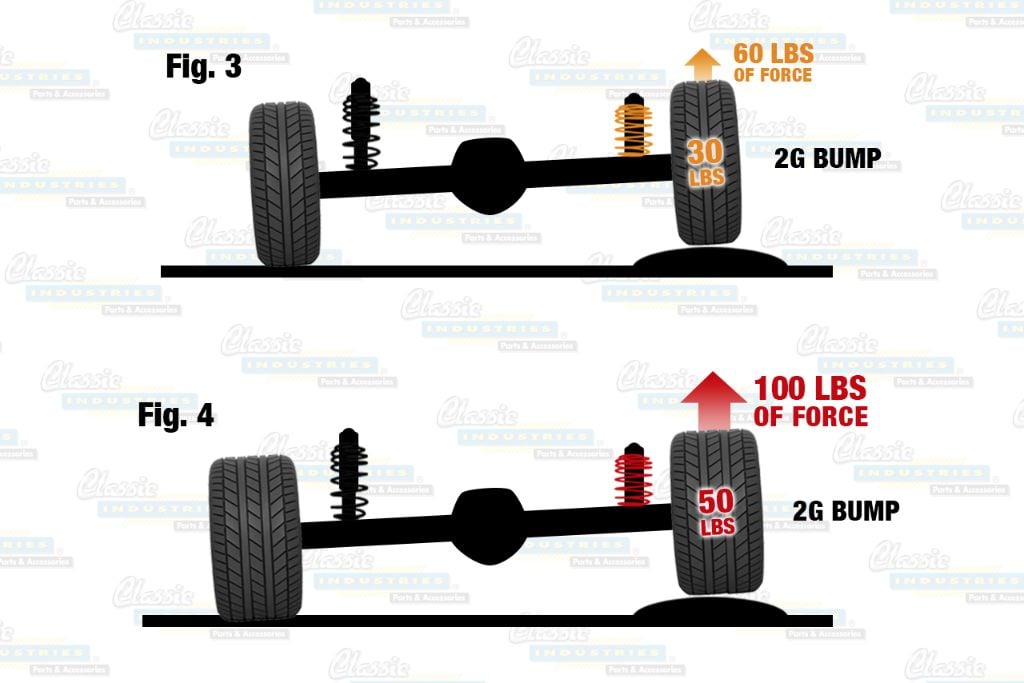
One of the most immediate and noticeable impacts of unsprung weight is on ride comfort. When a wheel encounters a bump, the unsprung mass is thrown upwards. A heavier unsprung mass carries more inertia, making it harder for the suspension springs and dampers to control its movement. This can lead to the wheel “bouncing” or “hopping” over irregularities rather than smoothly following the road.
The result is a less composed ride, where occupants feel more of the road’s harshness, leading to increased cabin vibrations and discomfort. Conversely, lighter unsprung components allow the suspension to react more quickly and precisely, keeping the tires in better contact with the road and providing a smoother, more refined ride quality, especially over broken surfaces.
Handling and Grip
For performance vehicles, the impact of unsprung weight on handling and grip is paramount. When a vehicle corners, accelerates, or brakes, weight transfer occurs. Excessive unsprung weight can hinder a vehicle’s ability to maintain optimal tire contact with the road surface.
- Cornering: In a turn, a heavy unsprung mass can cause the tire to lose contact or reduce its effective grip as it struggles to follow the road while the chassis leans. This phenomenon, known as “wheel tramp” or “chatter,” reduces the effective traction, limiting cornering speeds and driver confidence. Lighter unsprung components allow the wheels to stick to the road more tenaciously, improving grip and enabling higher cornering limits.
- Acceleration and Braking: During rapid acceleration, heavy wheels take more energy to spin up, slightly reducing the effectiveness of engine power delivery to the ground. More critically, under hard braking, heavy unsprung components contribute to a longer stopping distance. The inertia of a heavier wheel assembly means more energy needs to be dissipated, and the tendency for the wheel to “hop” can reduce tire contact patch during crucial braking moments.
Braking Efficiency
Beyond the general handling implications, unsprung weight has a specific and significant effect on braking efficiency. The inertia of heavier wheels and brake components means they resist changes in motion more strongly. When braking, this inertia must be overcome, which places greater demands on the braking system and potentially lengthens stopping distances. Furthermore, the heat generated during braking needs to be dissipated, and while larger, heavier rotors can help with heat management, the overall mass contributes to the unsprung weight issue. Lighter wheels and advanced braking materials (like carbon-ceramic rotors) are key in reducing this mass, enhancing responsiveness and reducing brake fade.
Tire Wear and Longevity
While often overlooked, unsprung weight also influences tire wear. When the suspension struggles to control heavy unsprung components, the tires are subjected to more violent and uncontrolled movements against the road surface. This can lead to increased friction, scrubbing, and uneven wear patterns, ultimately reducing tire longevity and requiring more frequent replacements. A well-controlled unsprung mass helps maintain a consistent and optimal tire contact patch, promoting even wear and extending tire life.
Engineering Strategies to Minimize Unsprung Weight
Recognizing the multifaceted benefits of reduced unsprung weight, automotive engineers employ a variety of advanced strategies to trim grams wherever possible. These approaches often involve innovative material science, refined design principles, and integration of cutting-edge technologies.
Material Selection and Design Innovation
The most direct way to reduce unsprung weight is through the judicious selection of lightweight materials. Traditionally, steel has been the staple for wheels and suspension components. However, high-performance and luxury vehicles increasingly utilize:
- Aluminum Alloys: Widely adopted for wheels, suspension arms, brake calipers, and even brake hats (the central part of a two-piece rotor). Aluminum offers a significant weight reduction over steel while maintaining sufficient strength.
- Magnesium Alloys: Even lighter than aluminum, magnesium is found in premium wheels (especially for motorsports) and some specialized suspension components, although it’s more expensive and can be more brittle.
- Carbon Fiber Composites: The ultimate lightweight solution, carbon fiber is used for extremely high-performance wheels, drive shafts, and certain brake components (carbon-ceramic rotors). Its incredible strength-to-weight ratio comes with a substantial cost premium.
- Hollow Construction: Beyond material choice, design innovation like hollow axle shafts or control arms can shave off precious grams without compromising structural integrity.
Suspension Geometry and Linkages
Clever suspension design can also contribute to effective unsprung weight management. While the main springs and dampers are primarily sprung mass, the complexity and arrangement of the control arms, links, and knuckles impact their individual contribution to unsprung mass. Engineers aim for designs that minimize the number and bulk of these components while optimizing their kinematic properties for desired handling characteristics. This often involves intricate multi-link setups that articulate precisely to keep the wheel perpendicular to the road, optimizing the contact patch, with minimal material usage.
Advanced Braking Systems
Brake systems are major contributors to unsprung weight. Therefore, significant efforts are made to lighten them:
- Two-Piece Rotors: These consist of an aluminum “hat” that mounts to the wheel hub and a cast iron or carbon-ceramic friction ring. The aluminum hat significantly reduces the weight compared to a single-piece cast iron rotor.
- Monobloc Calipers: While appearing chunky, modern monobloc calipers (milled from a single piece of aluminum) are often lighter and stiffer than older multi-piece designs, improving pedal feel and reducing unsprung mass.
- Carbon-Ceramic Brakes: These rotors offer dramatic weight savings (up to 50% lighter than equivalent iron rotors), superior heat resistance, and fade performance. Their high cost, however, limits their use to exotic supercars and high-end performance models.
The Trade-offs and Considerations
While reducing unsprung weight offers numerous advantages, it’s not without its challenges and compromises. Automotive engineering is a discipline of balancing competing priorities, and unsprung weight optimization is a prime example.
Cost vs. Performance
The most significant trade-off is cost. Lightweight materials like magnesium, carbon fiber, and advanced alloys are substantially more expensive than conventional steel or cast iron. Manufacturing processes for these materials can also be more complex and costly. For mainstream vehicles, the performance benefits of extreme unsprung weight reduction often don’t justify the increased production cost, which would ultimately be passed on to the consumer. Thus, engineers must find a balance that meets target price points while still delivering acceptable performance and comfort.
Durability and Strength
Lighter materials are sometimes inherently less durable or more susceptible to damage than heavier counterparts. For example, while carbon fiber wheels are incredibly light, they can be more vulnerable to impact damage from potholes compared to robust forged aluminum or steel wheels. Engineers must ensure that any weight reduction does not compromise the structural integrity, safety, and long-term durability of components that are subjected to immense stresses from road impacts, braking, and cornering forces. This often involves rigorous testing and advanced simulation.
Application-Specific Needs
The ideal unsprung weight profile varies significantly depending on the vehicle’s intended purpose. A track-focused sports car will prioritize absolute minimum unsprung weight for maximum agility and grip, often at the expense of ride comfort and cost. Conversely, a luxury sedan might opt for slightly heavier components if they contribute to superior noise, vibration, and harshness (NVH) suppression or a more robust feel, as ride comfort is paramount. Off-road vehicles might need heavier, more durable components designed to withstand extreme abuse, where minimizing every gram of unsprung weight isn’t the primary goal.
Unsprung Weight in Different Vehicle Types
The principles of unsprung weight apply across all vehicle types, but their prioritization and specific engineering solutions differ:
- Sports Cars and Performance Vehicles: Here, minimizing unsprung weight is a top priority. Every gram saved translates to sharper handling, better acceleration, and improved braking. Expect to see lightweight alloy wheels, aluminum suspension components, and even carbon-ceramic brakes on high-end models.
- Luxury Sedans: While comfort is key, luxury sedans also benefit from reduced unsprung weight as it leads to a smoother, more composed ride, filtering out road imperfections more effectively. They might use lighter alloys but generally avoid the extreme measures seen in sports cars due to cost and NVH considerations.
- SUVs and Trucks: These vehicles often have larger, heavier wheels and tires, and robust suspension components to handle heavier loads and off-road conditions. Consequently, their unsprung weight can be substantial. Engineers focus on robust designs and sophisticated damping systems to manage this mass, rather than aggressive weight reduction which could compromise utility and durability.
- Electric Vehicles (EVs): While EVs are inherently heavy due to battery packs, managing unsprung weight remains crucial. Lighter wheels can improve range and efficiency, while a well-controlled suspension helps mitigate the impact of the high sprung mass on ride and handling.
In conclusion, unsprung weight is a fundamental concept in automotive engineering that significantly influences how a vehicle performs, handles, and rides. By understanding the components that constitute unsprung mass and the sophisticated engineering strategies employed to manage it, enthusiasts and general consumers alike can gain a deeper appreciation for the meticulous design and technological innovation that defines modern vehicle development. The relentless pursuit of minimizing unsprung weight underscores the industry’s commitment to delivering ever more dynamic, comfortable, and efficient driving experiences.
aViewFromTheCave is a participant in the Amazon Services LLC Associates Program, an affiliate advertising program designed to provide a means for sites to earn advertising fees by advertising and linking to Amazon.com. Amazon, the Amazon logo, AmazonSupply, and the AmazonSupply logo are trademarks of Amazon.com, Inc. or its affiliates. As an Amazon Associate we earn affiliate commissions from qualifying purchases.