
Ubuntu Linux, a name synonymous with open-source innovation and accessibility, stands as one of the most widely adopted and influential operating systems in the world. Far more than just a free alternative to proprietary systems like Windows or macOS, Ubuntu has carved out a unique and indispensable niche across a multitude of applications, from personal computing to enterprise-grade server infrastructure and emerging technologies. Its versatility, robust security, and the thriving community supporting it have made it a go-to choice for diverse user groups, encompassing everyday users, seasoned developers, businesses, and educational institutions alike.
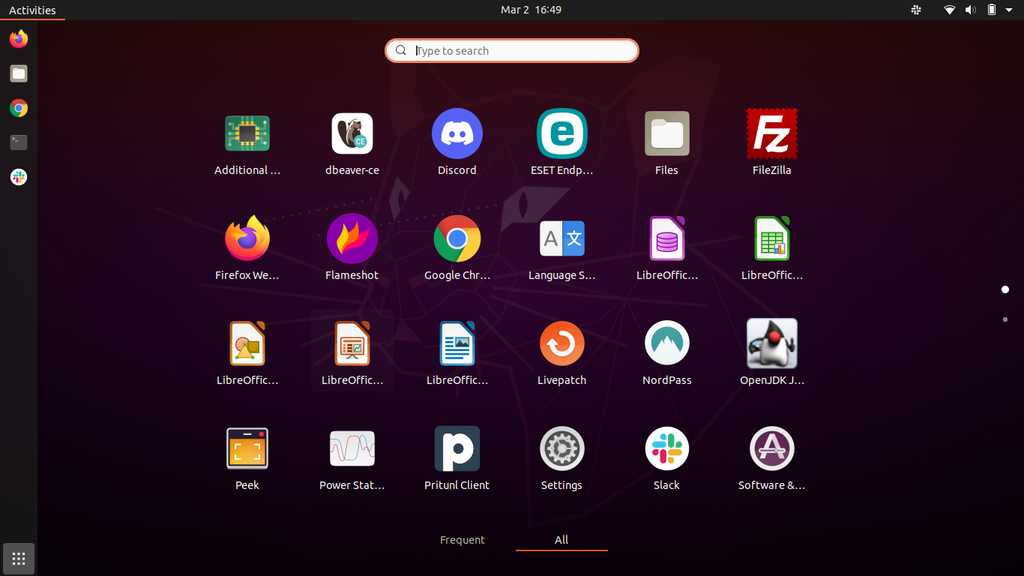
At its core, Ubuntu is a Debian-based Linux distribution, developed and maintained by Canonical Ltd. Its journey began with a vision to bring Linux to a broader audience, focusing on user-friendliness without compromising the power and flexibility inherent to the Linux kernel. This foundational philosophy has allowed Ubuntu to evolve into a dynamic and adaptable OS, capable of addressing an astonishing array of computational needs. Understanding what Ubuntu Linux is used for is to explore the vast landscape of modern computing itself, revealing its silent yet significant influence in almost every digital sphere imaginable.
Understanding Ubuntu: A Foundation for Modern Computing
Ubuntu’s widespread adoption isn’t accidental; it’s the result of deliberate design choices and a commitment to open-source principles. As a free and open-source operating system (FOSS), it offers unparalleled transparency, flexibility, and a collaborative development model that continually pushes its boundaries. This foundation makes it a powerful and reliable choice across a spectrum of computing tasks.
The Open-Source Philosophy and Community
Ubuntu embodies the spirit of open source, meaning its source code is freely available for anyone to view, modify, and distribute. This transparency fosters trust and allows for rapid innovation, as a global community of developers contributes to its improvement, identifies and patches vulnerabilities, and creates a rich ecosystem of software. The community aspect is perhaps one of Ubuntu’s greatest strengths, providing extensive documentation, forums, and user support that democratizes access to powerful computing tools. Users benefit from collective intelligence, constant evolution, and the assurance that no single entity controls their computing experience. This collaborative environment ensures that Ubuntu remains cutting-edge and responsive to the needs of its diverse user base.
Core Strengths: Stability, Security, and Versatility
One of the primary reasons for Ubuntu’s extensive usage lies in its inherent stability and security. Built on the Linux kernel, it benefits from decades of rigorous development and testing. Its architecture is less susceptible to malware and viruses compared to more commonly targeted operating systems, and its robust permission system adds an extra layer of protection. Regular updates and long-term support (LTS) releases further enhance its reliability, making it a dependable platform for critical operations. Beyond security, Ubuntu’s versatility is unmatched. It can run on a vast range of hardware, from aging laptops to powerful servers, and its modular nature allows users to customize their environment precisely to their needs, whether that means a lightweight desktop or a specialized development workstation.
Ubuntu in the Everyday: Desktop, Education, and Legacy Hardware
While its server prowess is widely known, Ubuntu was initially designed to bring Linux to the desktop, aiming for an intuitive and friendly user experience. This focus has cemented its place in personal computing, educational settings, and as a powerful tool for revitalizing older systems.
Empowering Personal Computing and Productivity
For the average computer user, Ubuntu offers a compelling alternative to proprietary operating systems. It provides a full-fledged desktop environment (typically GNOME, though others are available) that is both aesthetically pleasing and highly functional. Users can effortlessly browse the web, manage emails, create documents, spreadsheets, and presentations using a pre-installed suite of office applications like LibreOffice. The Ubuntu Software Center provides easy access to thousands of free and open-source applications, ranging from multimedia players and photo editors to games and communication tools. This accessibility, coupled with a minimal learning curve for those transitioning from other OSes, makes Ubuntu a powerful and cost-effective solution for daily productivity and personal use, delivering a smooth and responsive experience without demanding high-end hardware.
A Preferred Choice for Educational Institutions
Ubuntu’s robust features, cost-effectiveness, and open-source nature make it an ideal platform for educational environments. Schools, universities, and training centers worldwide leverage Ubuntu for computer labs, classroom instruction, and research. Its immunity to many common viruses reduces maintenance overhead, and the absence of licensing fees makes it significantly more affordable to deploy across large networks of computers. Students and educators benefit from a stable, secure, and customizable environment that encourages exploration and learning, particularly in fields like computer science, programming, and data analysis. The availability of educational software and development tools further enhances its utility, providing a consistent and equitable learning experience for all.
Giving New Life to Older Machines
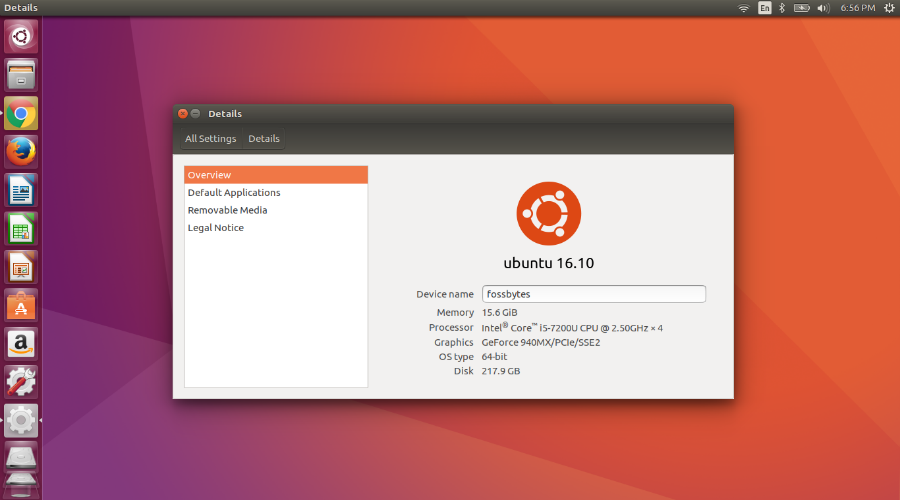
One of Ubuntu’s most celebrated uses is its ability to breathe new life into older or less powerful computers. While modern operating systems often demand substantial resources, Ubuntu and its lighter variants (like Xubuntu or Lubuntu) are remarkably efficient. By replacing a resource-intensive OS on an aging laptop or desktop with Ubuntu, users can dramatically improve performance, extend the lifespan of their hardware, and avoid the expense of purchasing new machines. This not only offers economic benefits but also contributes to environmental sustainability by reducing electronic waste. An old computer that might struggle with Windows 10 or macOS can often run Ubuntu smoothly, serving purposes from web browsing to word processing, making it an excellent choice for individuals or organizations on a budget.
Driving the Digital Backend: Servers, Cloud, and Development
Beyond the desktop, Ubuntu truly shines in the backend, underpinning much of the internet’s infrastructure and powering the innovative work of developers and data scientists. Its stability, security, and vast package repositories make it a go-to choice for mission-critical applications.
The Backbone of Web Servers and Cloud Infrastructure
Ubuntu Server is a dominant force in the world of web hosting and cloud computing. Its reliability and ease of deployment have made it the most popular operating system for public cloud instances across major providers like AWS, Azure, and Google Cloud. From powering small personal websites to handling the massive traffic of enterprise applications, Ubuntu Server provides a stable and secure foundation. It’s frequently used to run web servers (Apache, Nginx), databases (MySQL, PostgreSQL), and various application frameworks. Its Long Term Support (LTS) releases ensure stability and security updates for years, making it an attractive choice for businesses requiring consistent performance and minimal downtime. The robust tooling and strong community support further solidify its position as a preferred choice for cloud deployments and server management.
A Robust Platform for Software Development
For software developers, Ubuntu offers an unparalleled development environment. Its vast repositories contain virtually every programming language, library, and tool imaginable, from Python, Java, and C++ to Node.js, Ruby on Rails, and Go. Setting up a development workstation on Ubuntu is often simpler and faster than on other operating systems, thanks to its package management system (APT) and the ubiquitous availability of development tools. Developers leverage Ubuntu for building web applications, mobile apps, desktop software, and even embedded systems. The command-line interface, powerful scripting capabilities, and easy integration with version control systems like Git make it an ideal platform for efficient and productive coding. Furthermore, the ability to easily simulate server environments locally mirrors production setups, streamlining the development pipeline.
Powering Data Science and AI Workloads
The burgeoning fields of data science, machine learning, and artificial intelligence heavily rely on powerful and flexible computing environments, and Ubuntu fits this role perfectly. Data scientists and AI researchers frequently choose Ubuntu because of its native support for essential tools and frameworks such as TensorFlow, PyTorch, Keras, scikit-learn, and more. The ease of installing necessary libraries, managing virtual environments, and leveraging GPU acceleration make it an optimal platform for complex computational tasks, model training, and data analysis. Whether working with massive datasets, developing neural networks, or performing statistical modeling, Ubuntu provides a stable and high-performance base for these cutting-edge applications, often running on powerful workstations or within cloud instances specifically configured for these demanding workloads.
Specialized Applications and the Expanding Ubuntu Ecosystem
Ubuntu’s core versatility has allowed it to branch out into highly specialized versions and play a pivotal role in emerging technological landscapes, demonstrating its adaptability beyond traditional computing.
Ubuntu Flavors: Tailoring the Experience
Recognizing that one size doesn’t fit all, the Ubuntu community has developed official “flavors,” which are essentially Ubuntu with different desktop environments or specialized toolsets. These flavors cater to specific user preferences or hardware requirements. For instance, Kubuntu offers the KDE Plasma desktop, known for its extensive customization options. Xubuntu and Lubuntu provide extremely lightweight desktop environments (XFCE and LXQt, respectively), ideal for older hardware or users who prefer a minimalist interface. Ubuntu MATE brings back a traditional desktop experience reminiscent of older GNOME versions, while Ubuntu Studio is pre-configured with a suite of tools for multimedia creation, including audio, video, and graphics editing. These flavors exemplify Ubuntu’s flexibility, allowing users to choose an experience that perfectly aligns with their needs without sacrificing the underlying stability and security of the Ubuntu base.
Ubuntu Core: The Future of IoT and Embedded Systems
Venturing beyond conventional computers, Ubuntu has made significant inroads into the Internet of Things (IoT) and embedded systems space with Ubuntu Core. This minimalistic, transactionally updated version of Ubuntu is designed for appliances, robots, drones, and other smart devices where security, reliability, and small footprint are paramount. Ubuntu Core leverages “snaps”—universal Linux packages—for application delivery, ensuring secure, isolated, and automatically updating software that can be remotely managed. This makes it an ideal choice for manufacturers and developers building connected devices, providing a robust, secure, and maintainable operating system foundation for the next generation of smart technology. From smart home hubs to industrial gateways and automotive systems, Ubuntu Core is proving itself as a foundational technology for a connected future.

Conclusion
From enabling seamless personal computing experiences to powering vast cloud infrastructures, facilitating cutting-edge software development, and driving the innovation in IoT, Ubuntu Linux is far more than just another operating system. It is a cornerstone of modern digital life, widely used for its robust security, unparalleled stability, and remarkable versatility. Its open-source nature fosters a vibrant community, continuous improvement, and unparalleled access to powerful tools without cost.
Whether you’re a student looking for a reliable learning platform, a creative professional requiring powerful multimedia tools, a developer building the next big application, an enterprise managing critical servers, or simply someone wanting to extend the life of an old laptop, Ubuntu offers a tailored and empowering solution. Its pervasive presence in diverse technological domains underscores its status as an indispensable and evolving force in the world of computing, constantly adapting to meet the demands of an ever-changing digital landscape.
aViewFromTheCave is a participant in the Amazon Services LLC Associates Program, an affiliate advertising program designed to provide a means for sites to earn advertising fees by advertising and linking to Amazon.com. Amazon, the Amazon logo, AmazonSupply, and the AmazonSupply logo are trademarks of Amazon.com, Inc. or its affiliates. As an Amazon Associate we earn affiliate commissions from qualifying purchases.