
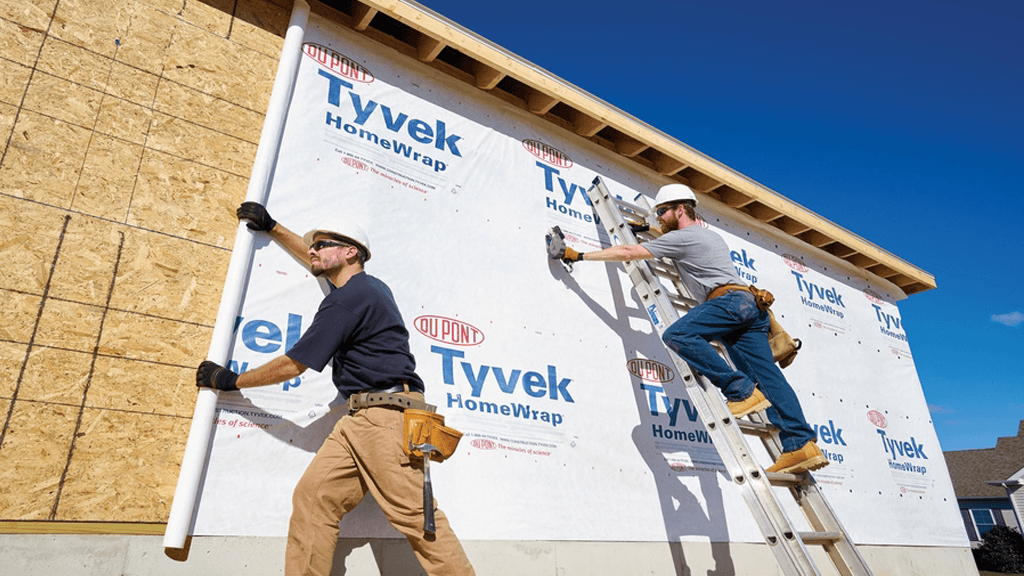
In the landscape of modern residential construction, the building envelope serves as the first line of defense against the elements. Among the various materials utilized to protect a structure, Tyvek house wrap has become a household name, synonymous with durability and thermal efficiency. As a brand, DuPont Tyvek has transcended its origins as a raw material to become an industry standard—a classic example of brand dominance through functional superiority and strategic marketing. Understanding what Tyvek house wrap is requires looking at it through the lens of brand strategy and the inherent value proposition that has made it a category-defining product.
The Evolution of a Building Material Brand
When a product category becomes so synonymous with a single brand name that consumers use that name as a noun or verb—much like “Kleenex” or “Google”—the company has achieved the pinnacle of brand identity. Tyvek represents this phenomenon in the construction industry. The material itself is a synthetic product made of flash-spun high-density polyethylene fibers, but the “Tyvek” brand represents a promise of performance.
From Industrial Innovation to Household Essential
Tyvek was not originally intended for home construction; it was a material science breakthrough. However, by positioning itself as the “Gold Standard” of house wraps, DuPont shifted the perception of its product from a mere commodity—a plastic sheet—to an essential, high-tech component of the building envelope. This strategy relied on rigorous engineering validation. By consistently investing in research and development to prove that their product allowed moisture vapor to pass out while blocking liquid water and air infiltration, they created a barrier to entry for competitors that was not just physical, but psychological.
The Power of Category Association
For builders and architects, selecting Tyvek is often viewed as a “de-risking” strategy. Because the brand is so well-established, choosing it signifies a commitment to quality. This is a brilliant application of corporate identity; the brand is no longer just selling a roll of material—it is selling insurance against future moisture-related litigation. By aligning their corporate identity with reliability and longevity, DuPont ensured that their product became a fixture in professional specifications across the globe.
Strategic Marketing: Selling the Science of Performance
Marketing a building material requires a unique approach because the end consumer—the homeowner—rarely sees the product once the siding is installed. Tyvek’s marketing strategy focuses on two distinct audiences: the professional builder and the discerning homeowner.
Translating Technical Specs into Consumer Value
The “science” of Tyvek involves complex concepts like “breathability” and “permeability.” If DuPont marketed purely on technical specifications, they would likely struggle to capture the average buyer’s attention. Instead, their strategy emphasizes the “why” rather than the “what.” Their messaging consistently frames the house wrap as the “breathable barrier.”
By focusing on the benefit—a drier, warmer, more energy-efficient home—they translate technical jargon into tangible lifestyle benefits. This approach is essential for any brand aiming to thrive in the home improvement sector. The messaging bridges the gap between the product’s microscopic fiber structure and the emotional goal of creating a safe, long-lasting family home.
Building Trust Through Professional Endorsement
DuPont’s brand strategy also relies heavily on the “prosumer” loop. By cultivating deep relationships with contractors, engineers, and architects, the company ensures that their product is the default recommendation. This B2B2C (Business-to-Business-to-Consumer) marketing model reinforces the brand’s authority. When a builder tells a client, “I only use Tyvek,” they are leveraging DuPont’s brand equity to build their own professional credibility. This symbiotic relationship is the backbone of their market dominance.

The Anatomy of a Market-Defining Product
To understand why Tyvek remains the leader in its category, one must analyze the design and functional characteristics that keep it at the top. The product is not merely a plastic sheet; it is a proprietary, flash-spun fiber structure that creates a random, non-directional pattern.
Technical Design as a Competitive Moat
The design of the material itself serves as a functional moat. Because the process of manufacturing Tyvek is specialized, it is difficult for competitors to replicate the exact balance of air hold-out and moisture vapor transmission. From a design perspective, the consistency of the material’s performance across varying climate zones is its greatest asset. Whether used in the humid South or the freezing North, the “design” of the product remains the same, which simplifies the inventory and installation process for nationwide builders.
Standardization in a Fragmented Industry
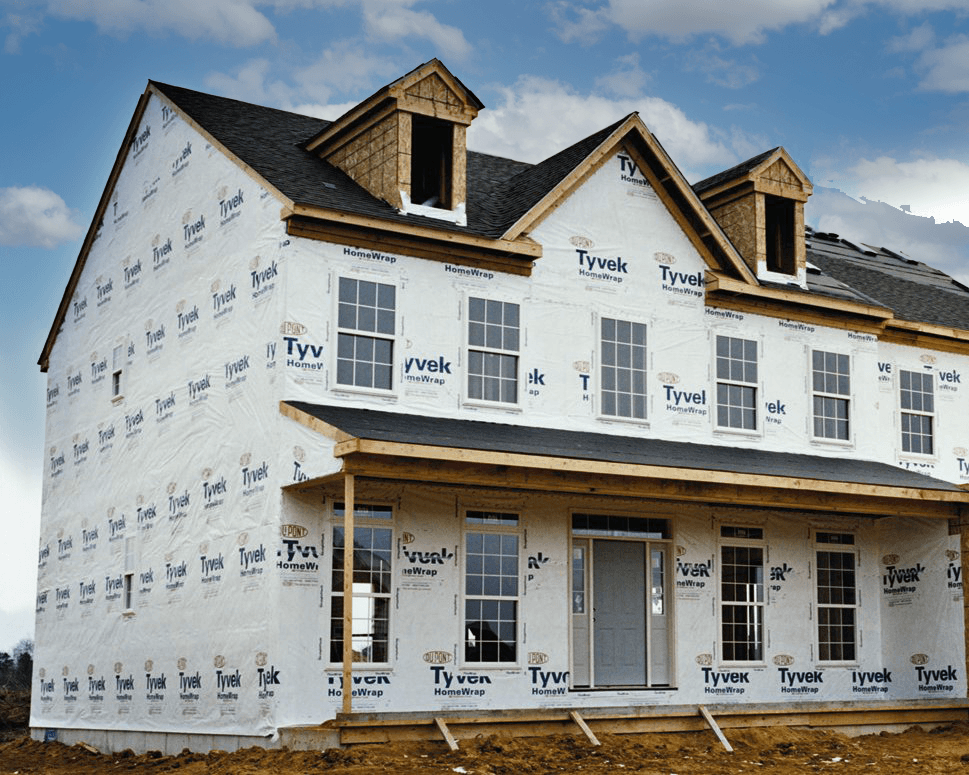
The construction industry is notoriously fragmented, with thousands of independent builders, contractors, and subcontractors. By creating a standardized, high-quality product, DuPont introduced predictability to the chaotic world of site work. This standardization is a form of brand service. When a building inspector sees the familiar white, branded material on a site, they immediately understand the expected quality level of the moisture management system. This creates a shorthand language of quality that helps move projects through the inspection phase more efficiently.
The Future of Brand Positioning in Construction
As the construction industry shifts toward sustainable practices and green building, the challenge for a legacy brand like Tyvek is to evolve without losing its core identity. The next chapter of the brand’s strategy involves pivoting toward “smart” building materials.
Adapting to New Environmental Standards
Sustainability is no longer a niche market; it is a requirement. Tyvek’s brand strategy is currently evolving to highlight the energy-saving properties of the material. By positioning the house wrap as a key tool in reducing a building’s carbon footprint through improved thermal efficiency, the brand stays relevant to the next generation of eco-conscious homeowners and builders.
Maintaining Equity in a Commodity-Heavy Market
The risk for any dominant brand is the “race to the bottom” in terms of pricing. If builders start viewing house wrap as a generic commodity, they will inevitably switch to cheaper, generic alternatives. To combat this, DuPont must continue to leverage its brand equity. This means moving beyond the product and into the experience—offering training, certification programs, and robust customer support that generic manufacturers cannot provide.
By framing the product as part of an integrated system rather than a standalone material, the company ensures that it remains the preferred choice. The brand identity of Tyvek is intrinsically tied to the notion that “the right choice is the only choice.” In a sector where mistakes are expensive and difficult to fix, this brand positioning is a powerful tool for customer retention.
Conclusion
Tyvek house wrap serves as a masterclass in how a single product can define an entire category through superior brand strategy, consistent marketing, and a commitment to technical excellence. While it is fundamentally a technical solution to moisture and air infiltration, its success is a result of how those technical features have been packaged, sold, and integrated into the construction industry’s culture.
By successfully navigating the needs of architects, contractors, and homeowners alike, Tyvek has secured its place as a staple of the building envelope. The brand proves that in a saturated and competitive marketplace, the most effective competitive advantage is not always the lowest price, but the highest level of trust. As the building industry continues to move toward more complex and energy-efficient designs, the role of reliable, high-equity brands will only grow in importance. Tyvek has not only defined the house wrap category; it has set the standard for how industrial products should be marketed and positioned to stand the test of time, both on the building and in the marketplace.
aViewFromTheCave is a participant in the Amazon Services LLC Associates Program, an affiliate advertising program designed to provide a means for sites to earn advertising fees by advertising and linking to Amazon.com. Amazon, the Amazon logo, AmazonSupply, and the AmazonSupply logo are trademarks of Amazon.com, Inc. or its affiliates. As an Amazon Associate we earn affiliate commissions from qualifying purchases.