
In the landscape of modern material science, few innovations have achieved the ubiquitous yet “invisible” status of Tyvek. Often mistaken for paper due to its lightweight and thin profile, or for fabric due to its flexibility, Tyvek is a unique synthetic material that represents a pinnacle of industrial technology. Developed by DuPont in the mid-20th century, it has become a foundational component in sectors ranging from construction and medical technology to high-end hardware protection and sustainable design.
Understanding Tyvek requires looking past its surface to the complex engineering of high-density polyethylene (HDPE) fibers. This article explores the technological architecture of Tyvek, its critical role in modern industrial ecosystems, and how it continues to evolve as a high-tech solution for the challenges of the 21st century.
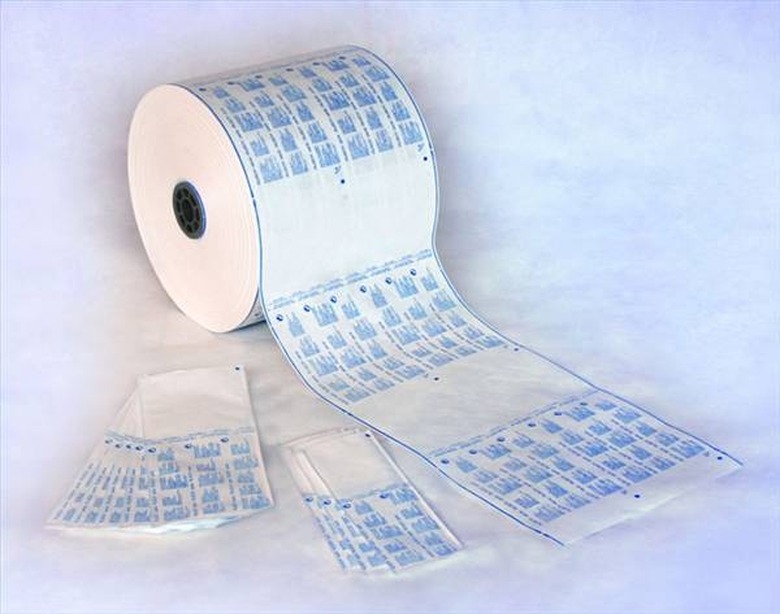
The Engineering Behind Tyvek: High-Density Polyethylene Innovation
At its core, Tyvek is a non-woven material. While traditional fabrics are woven or knitted, and paper is made from pressed wood pulp, Tyvek is engineered through a proprietary process known as flash-spinning. This process creates a material that balances contradictory physical properties: it is breathable yet liquid-resistant, and incredibly lightweight yet nearly impossible to tear.
Flash-Spinning: The Proprietary Process
The “tech” of Tyvek begins with flash-spinning technology. In this process, high-density polyethylene fibers are melted and then “flashed” through a nozzle into a web of continuous, fine, multidirectional filaments. These filaments are between 0.5 and 10 micrometers in diameter—vividly thinner than a human hair.
The technology involves using a liquid blowing agent that evaporates instantly, leaving behind a solid fiber structure. These fibers are then thermally bonded using heat and pressure. Because no binders or fillers are used, the resulting material is chemically inert and pure, a critical requirement for high-stakes technical applications.
Structural Properties: Why it Defies Physics
The structural orientation of Tyvek fibers is what gives it its legendary durability. Because the fibers are laid down in a random, non-directional pattern, the material possesses equal strength in all directions.
From a technical standpoint, Tyvek is “breathable” in a very specific way. It allows gas and water vapor to pass through its microscopic pores, but prevents liquid water and microscopic particulates from penetrating. This semi-permeable membrane technology is a feat of material science that makes Tyvek indispensable for protecting sensitive systems from environmental degradation.
Tyvek in the Digital and Medical Tech Ecosystem
While many recognize Tyvek from construction sites or “FedEx” envelopes, its most sophisticated applications are found within the tech and medical industries. Here, the material acts as a high-performance barrier that ensures the integrity of sensitive electronics and life-saving medical devices.
Protecting Sensitive Electronics and Hardware
In the realm of hardware technology, static electricity and moisture are the primary enemies of high-end components. Tyvek is frequently utilized in the packaging and transport of semiconductors, server components, and delicate sensors.
Its low-linting property is particularly vital. Unlike paper or standard fabrics, Tyvek does not shed fibers that could contaminate cleanroom environments or interfere with micro-circuitry. Additionally, its high opacity and UV resistance make it an ideal outer layer for protective covers used in data centers or outdoor telecommunications equipment, where shielding from the elements and light-induced degradation is paramount.
Sterile Packaging: The Backbone of Med-Tech
The medical technology sector relies on Tyvek as the gold standard for sterile barrier systems. When surgical instruments or implantable devices are manufactured, they must be sterilized (often using Ethylene Oxide gas or Gamma radiation) and remain sterile until the moment of use.
Tyvek’s porous structure allows the sterilizing gas to enter the package and kill microorganisms, but the pore size is so minute that it prevents bacteria and viruses from entering after the process is complete. This “microbial barrier” technology is what allows modern hospitals to maintain high safety standards. The material’s ability to withstand extreme conditions without losing its structural integrity ensures that even the most complex medical tech reaches the operating room in pristine condition.

Sustainability and Material Tech: The Circular Economy
As the technology industry shifts toward ESG (Environmental, Social, and Governance) goals, the focus on sustainable material science has intensified. Tyvek occupies a unique position in the circular economy due to its composition and longevity.
Recycling High-Density Polyethylene (HDPE)
One of the most misunderstood aspects of Tyvek technology is its recyclability. Because it is made of 100% high-density polyethylene, it is technically a Category 2 plastic. In an era where “single-use” is a dirty word in tech, Tyvek offers a pathway to high-performance durability that is also recyclable.
DuPont has established nationwide recycling programs for Tyvek, where used material—such as protective suits or industrial covers—is collected, shredded, and pelletized. These pellets are then used to manufacture underground cable protection piping, automotive parts, and even plastic lumber. This closed-loop potential is a major focus for tech companies looking to reduce their Scope 3 emissions.
Reducing Carbon Footprints in Global Logistics
From a logistics tech perspective, Tyvek’s weight-to-strength ratio offers significant carbon savings. In the aerospace and shipping industries, every gram of weight translates to fuel consumption. By replacing heavier protective materials with Tyvek, companies can significantly reduce the “dead weight” of their shipments.
Furthermore, Tyvek’s thermal properties are utilized in “Cargo Covers” for the pharmaceutical industry. These high-tech blankets reflect solar radiation and manage temperature fluctuations during tarmac delays. By preventing “excursions” (temperature-related product failure), Tyvek technology reduces waste in the global pharmaceutical supply chain, ensuring that high-value biotech products remain viable.
The Future of Functional Tech: Wearables and Smart Integration
Looking forward, the evolution of Tyvek is moving toward “smart” integration. As the line between textiles and technology blurs, researchers are exploring how Tyvek can be used as a substrate for flexible electronics and wearable tech.
Merging Textiles with Smart Sensors
The “Tech-Wear” movement has long embraced Tyvek for its futuristic aesthetic and weatherproofing. However, the next frontier involves printing conductive inks and sensors directly onto the Tyvek surface. Because Tyvek is chemically stable and heat-resistant to a certain degree, it serves as an excellent canvas for flexible circuitry.
We are seeing the emergence of smart labels and RFID-integrated Tyvek wristbands used in large-scale event tech and logistics tracking. These applications leverage Tyvek’s tear-resistance to ensure that the embedded technology remains secure in rugged environments, from music festivals to industrial warehouses.
Tyvek as a Canvas for Industrial Design
In the world of consumer tech accessories, Tyvek is being utilized for its unique tactile response and “patina.” Designers of laptop sleeves, camera bags, and minimalist wallets choose Tyvek because it offers the protection of a hard-shell case with the weight of a sheet of paper.
This intersection of industrial design and material science highlights a growing trend: the desire for “invisible tech.” Users want protection and functionality without the bulk. As manufacturing techniques improve, we can expect to see Tyvek integrated into the internal components of consumer gadgets, providing internal moisture barriers and thermal management in increasingly smaller form factors.
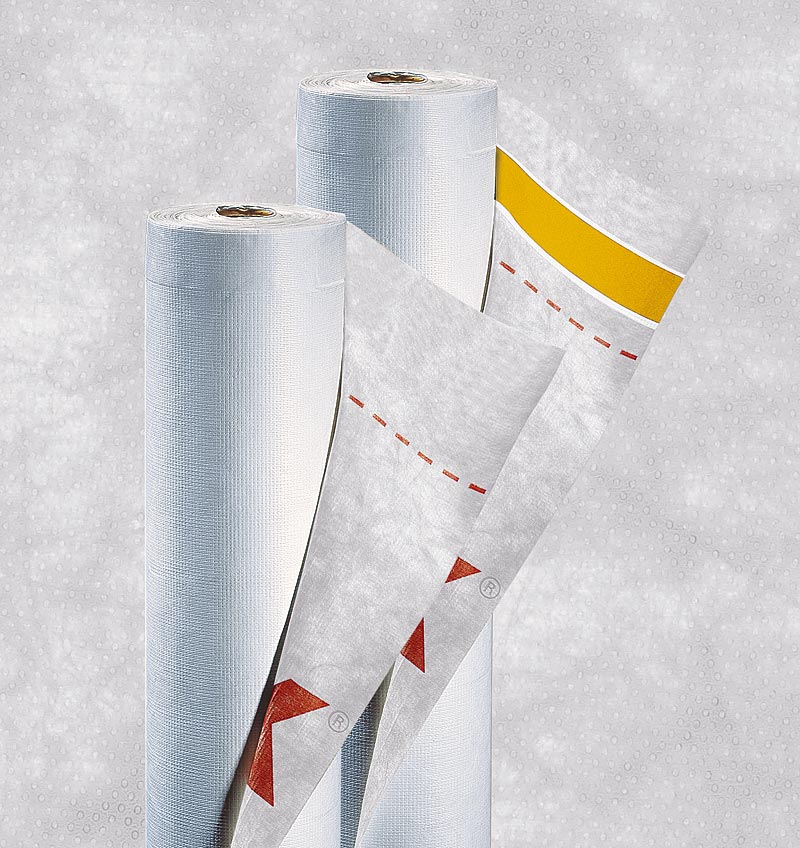
Conclusion: The Invisible Infrastructure of the Modern World
Tyvek is much more than a simple packaging material; it is a sophisticated product of material science that enables much of our modern technological lifestyle. From the sterile environments of med-tech labs to the protective casing of high-end electronics and the sustainable initiatives of global logistics, Tyvek provides a high-performance solution where traditional materials fail.
As we move deeper into an era defined by the need for smarter, lighter, and more sustainable materials, the technology behind Tyvek will continue to adapt. Whether it is through the integration of smart sensors or the expansion of circular recycling systems, this “miracle” non-woven material remains at the forefront of industrial innovation, proving that sometimes the most impactful technology is the one we almost forget is there.
aViewFromTheCave is a participant in the Amazon Services LLC Associates Program, an affiliate advertising program designed to provide a means for sites to earn advertising fees by advertising and linking to Amazon.com. Amazon, the Amazon logo, AmazonSupply, and the AmazonSupply logo are trademarks of Amazon.com, Inc. or its affiliates. As an Amazon Associate we earn affiliate commissions from qualifying purchases.