
In the landscape of global commodities and the rapidly evolving food technology sector, few ingredients have maintained the financial resilience and market utility of Textured Vegetable Protein (TVP). While a culinary enthusiast might view TVP as a versatile meat substitute, a financial analyst views it as a masterpiece of industrial efficiency and high-margin potential. Often derived from soy, TVP represents a unique intersection of agricultural technology, supply chain optimization, and cost-effective nutrition.
As the global population surges toward 10 billion and traditional protein sources face unprecedented inflationary pressures, understanding “what is TVP in food” requires a lens focused on business finance and market strategy. For investors, entrepreneurs, and personal finance strategists, TVP is not just a food additive; it is a vital component in the multi-billion-dollar shift toward plant-based economics.
Understanding TVP as a Disruptive Financial Asset in Agribusiness
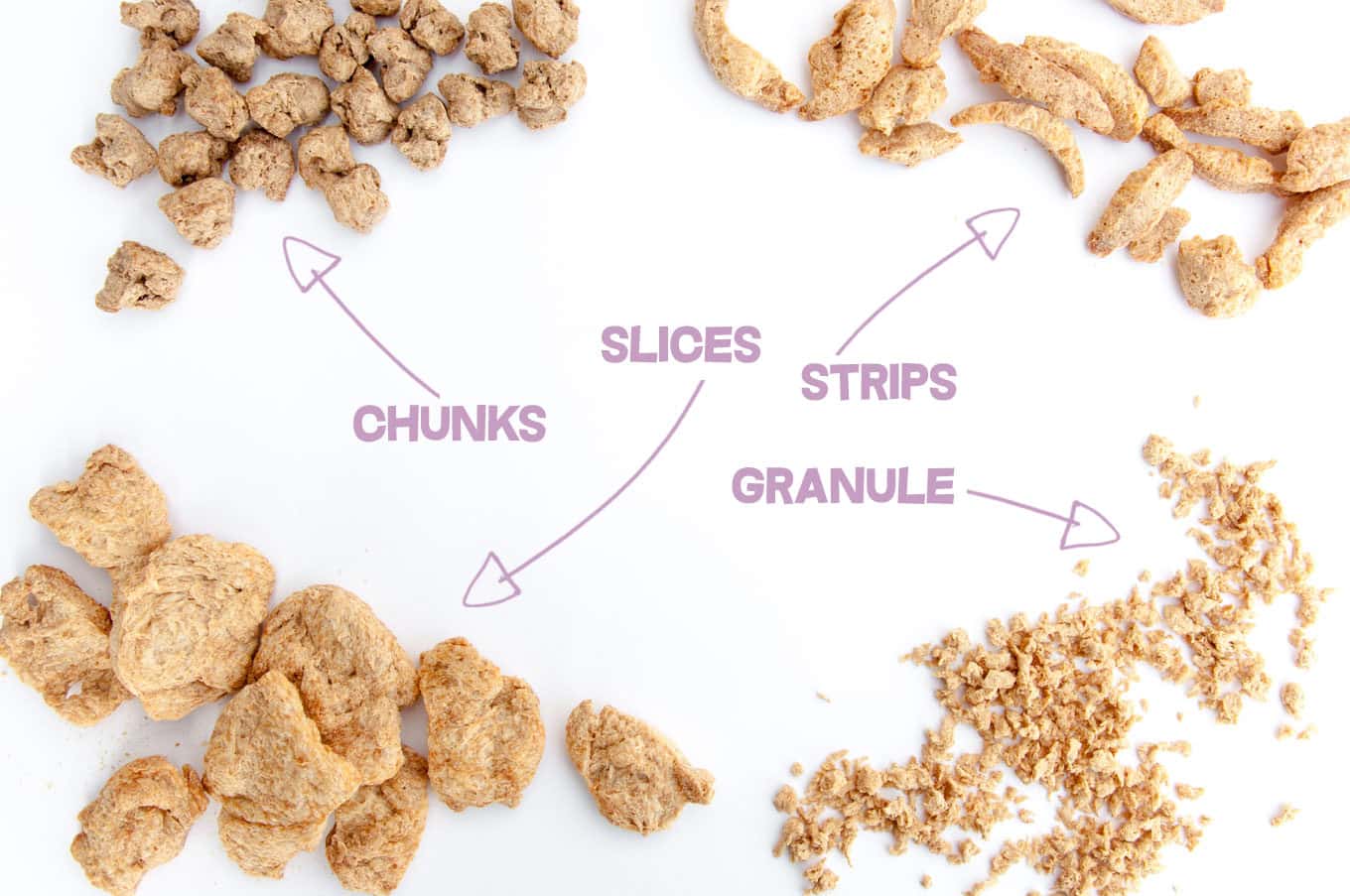
To understand the economic power of TVP, one must first understand its origin as a byproduct of the soybean oil industry. TVP is manufactured through a process called extrusion, where defatted soy flour is cooked under pressure and textured into various shapes. From a business finance perspective, this is a textbook example of “value-added processing.”
Low Production Costs vs. High Yields
The financial allure of TVP lies in its input-to-output ratio. Because TVP is created from the solids remaining after soy oil extraction, it utilizes a secondary stream of the soybean harvest that was historically undervalued. By converting this flour into a textured protein, manufacturers can command a higher price point per ton than they could for raw soy meal. For the food service provider or the commercial manufacturer, the cost-per-gram of protein in TVP is significantly lower than that of bovine or porcine sources, often by a factor of five or more. This creates an immediate opportunity for margin expansion in consumer-packaged goods (CPG).
The Efficiency of the Soy Value Chain
The soy industry is one of the most liquid and sophisticated commodity markets in the world. Investors favor TVP because it relies on an infrastructure that is already optimized for global trade. Unlike the meat industry, which requires complex cold-chain logistics, specialized veterinary care, and high energy inputs for animal husbandry, TVP production is a streamlined mechanical process. The efficiency of the soy value chain ensures that TVP remains a stable asset, relatively insulated from the volatile price swings seen in the livestock sector due to disease outbreaks or feed shortages.
Market Growth and Investment Potential in the Plant-Based Sector
The global plant-based protein market is projected to reach a valuation of over $160 billion by 2030, and TVP serves as the functional backbone of this growth. For those looking at “Money” through the lens of equity growth and venture capital, TVP is the primary ingredient making the “Alt-Meat” revolution financially viable for the masses.
The Rise of the Flexitarian Consumer Base
From a marketing and revenue perspective, the target audience for TVP-based products has shifted. It is no longer a niche product for vegan consumers; it has captured the “flexitarian” market—consumers looking to reduce meat consumption for health or economic reasons. This expansion of the addressable market has led to a surge in demand. Large-scale retailers and fast-food chains are integrating TVP-heavy products into their menus not just for the ESG (Environmental, Social, and Governance) benefits, but because the profit margins on a plant-based burger are often superior to those of a traditional beef patty.
Venture Capital and the Plant-Based Revolution
Over the last decade, billions of dollars in venture capital have flowed into startups that utilize TVP as their foundational texture. Companies like Beyond Meat and Impossible Foods, while using proprietary blends, rely on the same fundamental extrusion science that governs TVP production. For the retail investor, tracking the price of soy and the expansion of extrusion facilities provides a clear indicator of the sector’s health. The scalability of TVP production makes it a far more attractive “growth play” than traditional ranching, which is inherently limited by biological constraints and land availability.

Cost-Efficiency in the Supply Chain: A Business Case for TVP
For businesses operating in the food and beverage space, the decision to incorporate TVP often comes down to the bottom line. Beyond its nutritional profile, the physical properties of TVP offer significant advantages in logistics and operational finance.
Shelf-Life Stability and Logistics Savings
One of the most significant “hidden” costs in the food industry is spoilage and cold storage. Traditional meats require refrigeration from the moment of slaughter to the point of consumption, incurring massive energy costs and risk of loss. TVP, in its dehydrated state, is shelf-stable for years. This drastically reduces the “cost of goods sold” (COGS) by eliminating the need for expensive refrigerated transport and warehousing. From a business finance perspective, this allows for better inventory management and lower insurance premiums on stored assets.
Institutional Use and Large-Scale Commercial Viability
Institutional buyers—such as school districts, prisons, and large corporate cafeterias—utilize TVP to “stretch” their budgets. By blending TVP with traditional ground meats (a process known as meat extension), these organizations can reduce their total protein expenditure by 20% to 30% without significantly altering the nutritional value of the meals. For a large-scale operation, these percentage points translate into millions of dollars in annual savings. This institutional demand creates a “recession-proof” floor for TVP prices, making it a safe harbor for investors within the agricultural sector.
Future Outlook: TVP as a Hedge Against Global Food Inflation
As we navigate a decade defined by fluctuating inflation and supply chain fragility, TVP is emerging as a strategic hedge. The economics of food are changing; as water becomes scarcer and land prices rise, the cost of producing animal protein is expected to climb indefinitely.
Resource Efficiency and ESG Investing
The financial world is increasingly focused on ESG metrics. TVP requires significantly less water and land per kilogram of protein compared to beef. For institutional investors and pension funds, companies that prioritize TVP and other plant-based proteins are viewed as lower-risk long-term bets. They are less exposed to potential “carbon taxes” or environmental regulations that may soon penalize the high-methane output of traditional livestock farming. Investing in the TVP supply chain is, in many ways, an investment in resource security.
Navigating Economic Shifts in the Protein Market
As emerging markets grow, the global demand for protein is skyrocketing. However, the traditional Western model of high-meat consumption is not economically scalable to a global middle class of 5 billion people. TVP provides an affordable, scalable solution that fits the “Money” narrative of the 21st century: doing more with less. For the savvy entrepreneur, the opportunity lies in the “localization” of TVP production—building extrusion plants closer to consumer markets to further minimize shipping costs and capitalize on local agricultural outputs.
Conclusion: The Bottom Line on TVP
When we ask “what is TVP in food,” the answer extends far beyond the ingredient label. In the realm of finance and business, TVP is a high-performance tool for margin optimization, a resilient commodity in an era of inflation, and a cornerstone of the future food economy.
For the individual looking at their personal finances, TVP represents a way to maintain high-quality nutrition while insulating the grocery budget from the rising costs of animal products. For the professional investor or business owner, it represents a scalable, sustainable, and highly profitable sector of the global agribusiness market. As technology continues to refine the texture and flavor profile of these proteins, the economic argument for TVP will only grow stronger, cementing its place as a premier asset in the global food financial system.
aViewFromTheCave is a participant in the Amazon Services LLC Associates Program, an affiliate advertising program designed to provide a means for sites to earn advertising fees by advertising and linking to Amazon.com. Amazon, the Amazon logo, AmazonSupply, and the AmazonSupply logo are trademarks of Amazon.com, Inc. or its affiliates. As an Amazon Associate we earn affiliate commissions from qualifying purchases.