
In the rapidly evolving landscape of the Internet of Things (IoT), consumers often encounter the name “Tuya” when shopping for smart bulbs, smart plugs, or security cameras. However, unlike brands like Apple, Samsung, or Philips, Tuya does not typically sell products directly to the public under its own name. Instead, it operates as the “Intel Inside” of the smart home world. A Tuya smart device is any piece of hardware—ranging from simple LED strips to complex home appliances—that utilizes the Tuya IoT platform to provide connectivity, app control, and cloud integration.
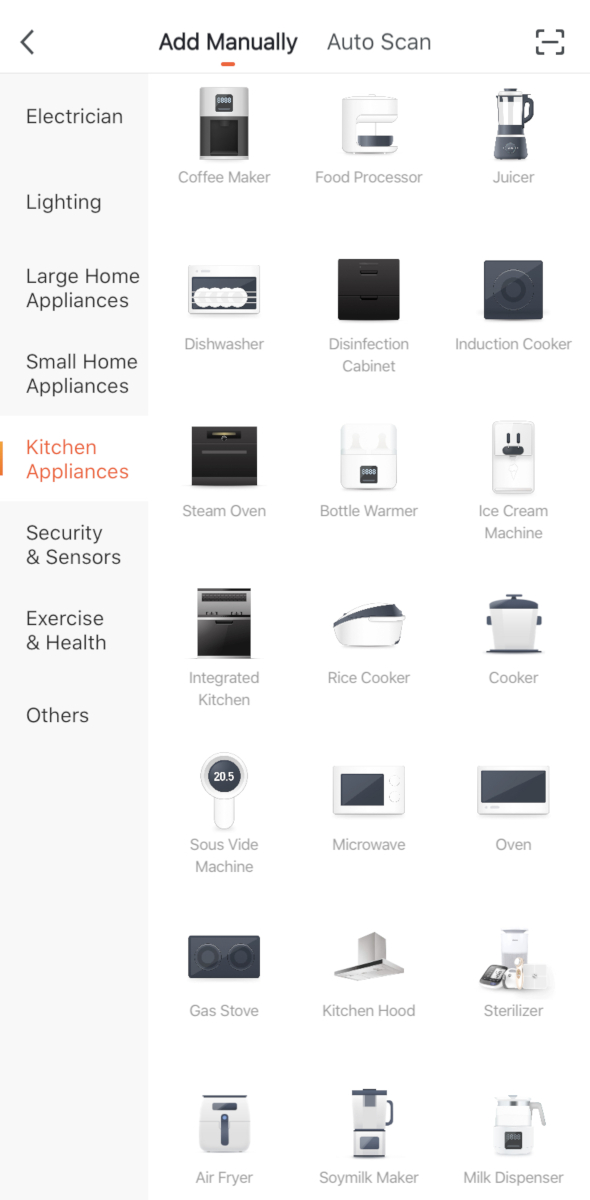
To understand what a Tuya smart device is, one must look beyond the physical hardware and into the software and cloud infrastructure that makes “smart” functionality possible. Tuya provides a global Platform-as-a-Service (PaaS) that enables manufacturers to turn traditional electronic products into connected devices with minimal research and development costs.
Decoding the Tuya Ecosystem: More Than Just a Brand
At its core, Tuya is a global IoT development platform. It offers a comprehensive solution that includes hardware access, cloud services, and app development tools. When you buy a smart device from a brand like Teckin, Gosund, or Treatlife, you are likely using a Tuya smart device under a different label.
The Platform-as-a-Service (PaaS) Model
Tuya’s primary business model is providing the technical “guts” for other companies. Developing a secure, stable cloud server and a functional smartphone app is an expensive and time-consuming process. By using Tuya’s PaaS, a manufacturer can focus on designing the physical product while Tuya handles the backend. This includes the firmware on the device’s Wi-Fi chip, the global server infrastructure, and the standardized mobile application used to control the device.
How Hardware Manufacturers Use Tuya
When a factory in Shenzhen or a brand in North America wants to release a smart toaster, they purchase Tuya-certified communication modules (Wi-Fi, Bluetooth, or Zigbee chips). These modules are pre-programmed to communicate with Tuya’s cloud. The manufacturer then chooses whether to use the generic Tuya Smart app or pay for a “white-label” version of the app customized with their own branding. This efficiency is why the market has seen an explosion of affordable smart home gadgets over the last decade.
The “Powered by Tuya” (PBT) Certification
The “Powered by Tuya” (PBT) label is a hallmark of interoperability. It signifies that the device has passed through Tuya’s ecosystem and is guaranteed to work with other PBT devices. This certification ensures that regardless of the brand on the box, the device can be integrated into a single cohesive smart home system. For the tech-savvy consumer, this means less fragmentation and a more streamlined user experience.
How Tuya Smart Devices Work: From Hardware to Cloud
The technical architecture of a Tuya smart device is built on three pillars: the hardware module, the cloud gateway, and the user interface. Understanding how these components interact provides insight into why Tuya has become a dominant force in the tech industry.
Connectivity Protocols: Wi-Fi, Zigbee, and Bluetooth
Tuya devices are not limited to a single communication method.
- Wi-Fi Devices: These are the most common. They connect directly to your home router. They are easy to set up but can strain a network if you have dozens of them.
- Zigbee Devices: Often used for sensors and switches, Zigbee requires a Tuya-compatible gateway (hub). It is more energy-efficient and creates a mesh network, which is ideal for large-scale home automation.
- Bluetooth and BLE: Mostly used for lighting or devices that require a quick, local connection to a smartphone, though Tuya also supports Bluetooth Mesh for whole-home coverage.
The Role of the Tuya Cloud
The Tuya Cloud is the “brain” of the operation. When you tap “Turn On” on your phone, the command travels from your app to a Tuya server (located in various regions like the US, Europe, or Asia to reduce latency) and then back down to the device in your home. This cloud infrastructure also handles the logic for “scenes” and automations—for example, telling your smart blinds to close when the local weather report indicates sunset.
The User Interface: Tuya Smart vs. Smart Life Apps
If you own a Tuya smart device, you will likely use one of two apps: Tuya Smart or Smart Life.
- Tuya Smart: This is the official flagship app. It is feature-rich and often used by developers and tech enthusiasts.
- Smart Life: This is a more consumer-oriented version of the app, often recommended by third-party manufacturers.
Both apps are functionally identical in terms of device support. They allow users to group devices, set schedules, share control with family members, and update device firmware over the air (OTA).
The Benefits of Choosing Tuya-Compatible Devices

For technology enthusiasts and casual users alike, the Tuya ecosystem offers several distinct advantages that have contributed to its massive market share.
Unmatched Interoperability
The biggest headache in the smart home world is the “walled garden.” Products from different brands often refuse to talk to each other. Because Tuya provides the backend for thousands of different brands, a “Powered by Tuya” sensor can trigger a “Powered by Tuya” light bulb, even if the two products were bought from completely different retailers. This creates a “Lego-like” experience where you can build your system piece by piece.
Affordability and Accessibility
By commoditizing the software and cloud side of IoT, Tuya has significantly lowered the barrier to entry for smart home technology. You can often find Tuya-based smart plugs for under $10, whereas proprietary systems might charge double or triple that price. This affordability has democratized the smart home, moving it from a luxury niche to a mainstream consumer expectation.
Seamless Integration with Voice Assistants
Tuya was an early adopter of third-party integrations. Almost all Tuya smart devices offer native support for Amazon Alexa and Google Assistant. This allows users to control their entire home via voice commands without needing to navigate through complex menus. Furthermore, many Tuya devices are now gaining compatibility with Samsung SmartThings and IFTTT, providing even more layers of automation for power users.
Security and Privacy in the Tuya IoT Network
In the tech world, connectivity always brings questions of security. As a platform that manages millions of data points, Tuya places a high priority on safeguarding the interaction between the user and the device.
Data Encryption and Cloud Security Standards
Tuya employs industry-standard encryption protocols (such as AES and TLS) to ensure that the communication between your smartphone, the cloud, and your smart device remains private. Their cloud infrastructure is hosted on secure platforms like Amazon Web Services (AWS) and Microsoft Azure, benefiting from the robust security layers these providers offer.
Addressing Geopolitical Concerns
Because Tuya is a company with global operations, including a significant presence in China, it has faced scrutiny regarding data residency. To address this, Tuya has localized its data centers. If you are a user in North America, your data is stored on servers located within the United States, adhering to local data protection laws. They have also obtained various international security certifications, including ISO 27001 and SOC 2 Type II, to prove their commitment to data integrity.
Best Practices for Securing Your Smart Home
While the platform provides the security infrastructure, the “last mile” of security rests with the user. To keep Tuya smart devices secure, users should:
- Use a strong, unique password for their Tuya Smart or Smart Life account.
- Enable Two-Factor Authentication (2FA) within the app settings.
- Keep firmware updated to ensure the latest security patches are applied.
- Use a guest network on their router to isolate smart devices from their primary computers and phones.
The Future of Tuya: Matter, AI, and Beyond
As we look toward the future of the smart home, Tuya is positioning itself at the forefront of the next technological shift: the arrival of the Matter standard and the integration of Artificial Intelligence.
Embracing the Matter Standard
The smart home industry has long suffered from fragmentation, but the new Matter protocol aims to fix this. Matter is a unifying standard backed by Apple, Google, Amazon, and Tuya. Tuya has been a core contributor to the Matter development, ensuring that its hardware modules will support this new language. This means future Tuya smart devices will work even more seamlessly with Apple HomeKit and other ecosystems that were previously difficult to access.

AI-Driven Automation and Energy Management
The next frontier for Tuya smart devices is moving from “reactive” to “proactive.” With the integration of AI, Tuya is developing “AI+IoT” (AIoT) solutions. Instead of you manually setting a schedule for your thermostat, an AI-powered Tuya system can learn your habits, monitor energy prices in real-time, and optimize your home’s energy consumption. This shift toward “Energy Management Systems” (EMS) is a major trend in tech, as consumers look for ways to reduce their carbon footprint and save on utility bills.
In conclusion, a Tuya smart device is much more than a budget-friendly gadget found on an online marketplace. It is a portal into one of the world’s most sophisticated and expansive IoT ecosystems. By providing the essential bridge between hardware and the digital world, Tuya has simplified the smart home experience, making it accessible, interoperable, and ready for the future of connected living.
aViewFromTheCave is a participant in the Amazon Services LLC Associates Program, an affiliate advertising program designed to provide a means for sites to earn advertising fees by advertising and linking to Amazon.com. Amazon, the Amazon logo, AmazonSupply, and the AmazonSupply logo are trademarks of Amazon.com, Inc. or its affiliates. As an Amazon Associate we earn affiliate commissions from qualifying purchases.