
The concept of the “True Node” within astrology, while deeply rooted in celestial mechanics and astrological interpretation, finds a significant and often overlooked nexus with technology. Understanding the True Node today invariably involves computational astrophysics, sophisticated software algorithms, and the digital platforms that make astrological charting accessible. This isn’t merely about abstract cosmic points; it’s about the precision of their calculation, the methodologies of their digital representation, and the technological innovations that enable their study and application.
The Astronomical Underpinnings and Computational Precision
At its core, the True Node refers to a specific point in space derived from the intersection of the Moon’s orbit around the Earth and the Earth’s orbit around the Sun (the ecliptic). These points are not physical bodies but mathematical points, pivotal in determining an individual’s karmic path and evolutionary journey in astrological discourse. From a technological perspective, deriving these points demands intricate astronomical computation, relying on precise ephemerides and sophisticated algorithms to map celestial mechanics.
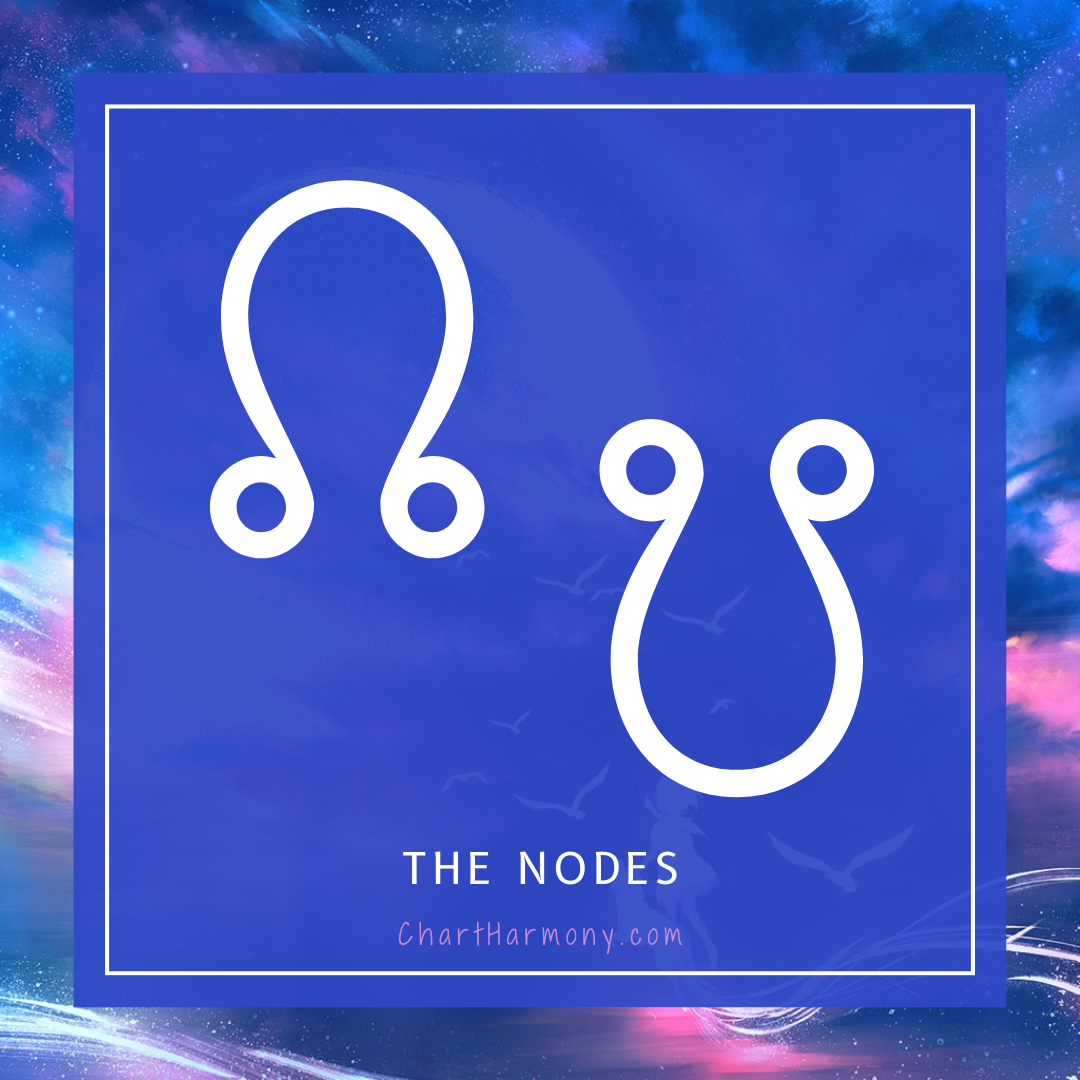
Defining Lunar Nodes as Orbital Intersections
The Moon’s orbit around the Earth is tilted by approximately 5.14 degrees relative to the ecliptic. As the Moon travels, it crosses the ecliptic at two points: one where it ascends from south to north (the North Node or Rahu in Vedic astrology) and one where it descends from north to south (the South Node or Ketu). These are the lunar nodes. Critically, these intersection points are not static; they regress westward through the zodiac, completing a full cycle approximately every 18.6 years. This regression, known as the precession of the lunar nodes, necessitates continuous, high-precision astronomical calculations to pinpoint their exact positions at any given moment. Astrology software must integrate these complex, time-variable orbital mechanics to accurately depict nodal positions.
The Distinction: True vs. Mean Node in Calculation
One of the most significant computational nuances regarding lunar nodes is the distinction between the “True Node” and the “Mean Node.”
- Mean Node: This calculation averages out the Moon’s wobble, providing a smoothed-out, theoretical position of the nodes. It assumes a uniform regression rate. While simpler to compute, it deviates from the Moon’s actual, observed orbital path. Early astrological computations, due to limited processing power and simpler algorithms, often relied on the Mean Node for practicality.
- True Node: This calculation accounts for the Moon’s actual, observed wobble (its perturbations or nutations) as it orbits Earth. It reflects the instantaneous, precise intersection points. This makes the True Node position more erratic, as its movement is not uniform but oscillates around the Mean Node. Calculating the True Node requires more complex algorithms, significantly more computational power, and access to highly detailed astronomical data, such as JPL (Jet Propulsion Laboratory) ephemerides or similar precise datasets.
The choice between True and Mean Node is a matter of astronomical modeling and computational philosophy. Modern astrology software overwhelmingly favors the True Node due to advancements in computational capabilities and the drive for greater astronomical accuracy, reflecting the actual celestial dynamics rather than a theoretical average. This shift underscores how technological evolution directly impacts the data quality and precision within astrological applications.
The Role of Ephemerides and Astronomical Algorithms
The backbone of True Node calculation is the ephemeris—a table or digital database providing the precise positions of celestial bodies at specific times. Modern ephemerides are generated using advanced numerical integration techniques that model gravitational interactions between all major bodies in the solar system. Algorithms like those developed by Stephen Wolfram or incorporated into projects like NASA’s NAIF SPICE toolkit are foundational. Astrology software integrates these complex astronomical libraries, converting raw orbital mechanics data into zodiacal positions. The accuracy of the True Node calculation in an astrological chart is thus directly proportional to the sophistication of the ephemeris and the underlying astronomical algorithms employed by the software. This involves handling time-varying gravitational forces, relativistic effects, and the precise definitions of coordinate systems (e.g., geocentric vs. heliocentric, sidereal vs. tropical).
Software Architectures for Astrological Charting
The journey from raw astronomical data to a user-friendly astrological chart showing the True Node involves sophisticated software architecture. Modern astrology applications are complex systems that blend astronomical calculation engines with intuitive user interfaces, all designed to make celestial mechanics understandable and applicable for astrological interpretation.
Data Input and Processing in Astrology Software
Astrology software initiates its process with user input: date, time, and location of birth. This seemingly simple data triggers a cascade of computational operations. The software accesses its internal or external ephemeris database, often calibrated for precise geographical coordinates (latitude and longitude) to determine the local sidereal time. It then applies astronomical algorithms to calculate the exact positions of all celestial bodies, including the True Node, for that specific moment and location. This involves intricate time-zone conversions, daylight saving adjustments, and geodetic calculations, all of which demand robust error handling and precise data validation to ensure the integrity of the output. The accuracy of these initial steps is paramount, as even minor errors can significantly alter planetary positions, including the True Node, and consequently impact the entire astrological chart.
Algorithmic Precision and User-Facing Interpretations
Once the raw astronomical positions are calculated, the software translates these into zodiacal degrees and houses. For the True Node, its sign and house position are crucial for astrological interpretation. The algorithmic precision extends beyond mere calculation to include the logical rules for assigning these positions, handling retrograde motions, and ensuring consistency across different astrological house systems (e.g., Placidus, Koch, Whole Sign).
Beyond the raw data, many astrology applications integrate interpretive algorithms. These algorithms can draw from vast databases of astrological knowledge, associating the True Node’s position in a specific sign or house with pre-defined textual interpretations. This transforms complex numerical data into meaningful narrative, acting as an AI-lite knowledge system that provides initial insights to the user. The design of these interpretive modules is critical, balancing comprehensive information with clarity and avoiding generic or contradictory statements.
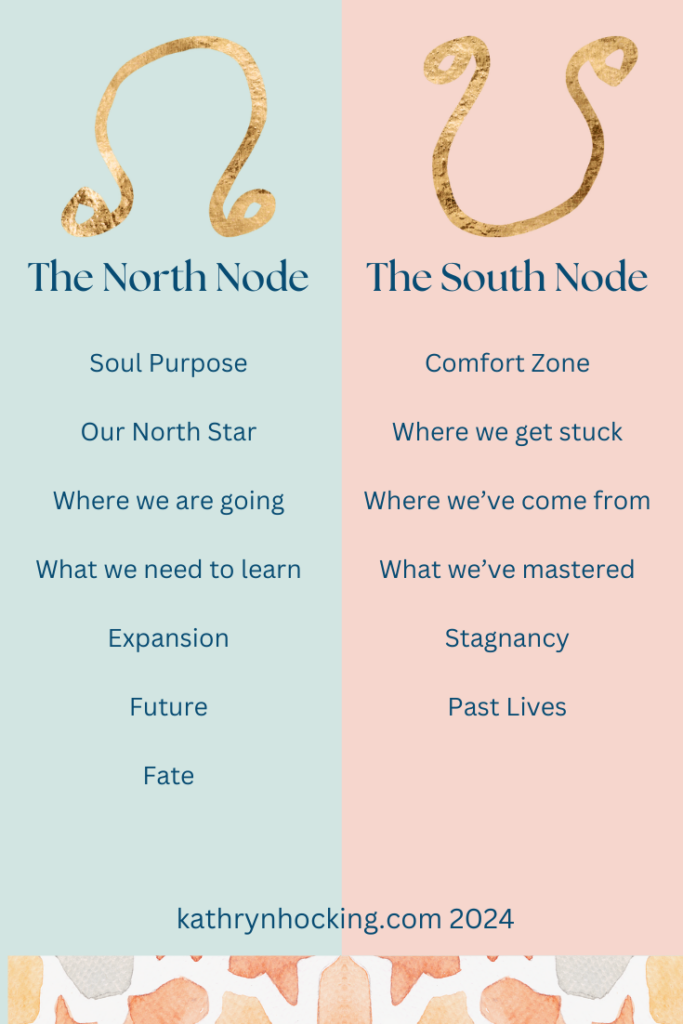
Open-Source vs. Proprietary Calculation Engines
The astrological software landscape features both open-source and proprietary calculation engines. Open-source projects (e.g., Astro.com’s Astrodienst, or libraries like Swiss Ephemeris) offer transparency in their algorithms, allowing developers and users to scrutinize the underlying code for accuracy and methodology. This fosters community-driven improvements and validation. Conversely, proprietary software (e.g., Solar Fire, Kepler, Astro Gold) often invests heavily in specialized interfaces, advanced analytical tools, and curated interpretive content, with their calculation engines being intellectual property. Both approaches aim for high precision in True Node calculation, but their development philosophies and economic models differ significantly. The ongoing debate often centers on whether an open-source model, with its collaborative vetting, or a proprietary model, with dedicated engineering teams, offers superior reliability and innovation in astrological computation.
Digital Tools for Node Analysis and Interpretation
The computational effort put into accurately determining the True Node culminates in digital tools that facilitate its analysis and interpretation. These tools range from basic chart generators to advanced analytical platforms, all leveraging technology to enhance the user’s understanding of this karmic point.
Visualization Techniques in Astrological Applications
Astrology software excels at visualizing complex celestial data. The True Node is typically displayed prominently on a natal chart wheel, often with a distinct glyph. Advanced applications employ interactive graphics, allowing users to zoom, rotate, and layer different astrological elements. Some digital tools offer animated charts to demonstrate the True Node’s progression over time, illustrating its slow retrograde movement and its transits through different signs and houses. Data visualization techniques, such as aspect grids highlighting connections between the True Node and other planets, provide immediate insights into its interrelationships within the chart. These visual aids are crucial for making an abstract mathematical point tangible and comprehensible for astrological study.
Predictive Analytics and Natal Chart Integration
Beyond static natal charts, digital tools integrate the True Node into predictive analytics. This involves calculating transits (current planetary positions relative to the natal chart), progressions (symbolic movement of the chart over time), and synastry (chart comparisons between two individuals). For instance, software can compute when a specific planet will conjunct or oppose a person’s natal True Node, flagging these periods as potentially significant for karmic lessons or evolutionary shifts. These predictive algorithms rely on constant recalculation of planetary positions against a static natal chart, a task that would be prohibitively time-consuming without computational assistance. For synastry, the software can quickly identify nodal connections between two charts, revealing karmic bonds or life path alignments between individuals.
User Experience in Exploring Nodal Themes
The design of the user interface (UI) and user experience (UX) in astrological applications plays a vital role in how users engage with nodal themes. Intuitive navigation, clear explanations, and interactive features are key. Many apps offer built-in encyclopedias or knowledge bases that contextualize the True Node’s meaning within various astrological traditions. Features like personalized reports, journaling capabilities linked to nodal transits, and community forums for discussion enhance the overall experience. The goal is to demystify complex astrological concepts like the True Node, making them accessible not just to professional astrologers but also to enthusiasts, facilitating deeper self-exploration through technology.
The Future of Nodal Astrology Through Emerging Technologies
As technology continues to advance, so too does its potential application in the realm of astrological studies, particularly concerning complex calculations like the True Node. Emerging technologies promise to refine accuracy, deepen interpretation, and broaden accessibility.
AI and Machine Learning in Astrological Pattern Recognition
Artificial intelligence (AI) and machine learning (ML) hold immense potential for enhancing the understanding of the True Node. Instead of relying solely on pre-programmed interpretations, AI algorithms could analyze vast datasets of astrological charts alongside corresponding biographical data (anonymized, of course). This could lead to the identification of novel patterns and correlations between specific True Node placements (sign, house, aspects) and life events, career paths, or personal challenges. Machine learning could potentially discern subtle influences that human astrologers might miss, offering more nuanced and personalized insights. Furthermore, natural language processing (NLP) could generate dynamic, context-aware interpretations of the True Node, adapting to the individual’s specific chart configuration and life circumstances, moving beyond static textual descriptions.
Blockchain for Data Integrity in Astrological Records
The integrity and immutability of astrological chart data, particularly for sensitive points like the True Node, could be significantly enhanced by blockchain technology. Recording birth data (date, time, location) and the calculated True Node position on a blockchain would create a tamper-proof, verifiable record. This could be particularly useful for establishing authenticity in astrological research, ensuring consistent data across different platforms, and perhaps even for individuals to securely own and control their own astrological data, preventing unauthorized alteration or misrepresentation. While its immediate application might seem niche, the foundational principles of decentralization and immutability offer compelling advantages for ensuring the accuracy and trustworthiness of astrological information over time.

Enhanced Accessibility Through Mobile and Web Platforms
The evolution of mobile and web technologies continues to push the boundaries of accessibility for astrological tools. Progressive Web Apps (PWAs), cross-platform mobile development frameworks, and cloud-based solutions ensure that sophisticated True Node calculations and interpretations are available on virtually any device, regardless of operating system. Enhanced user interfaces, voice-activated controls, and integration with other personal data streams (with user consent) could further personalize the astrological experience. Real-time updates for transiting nodes, augmented reality (AR) visualizations of celestial mechanics, and seamless integration with wellness apps could make the study of the True Node an even more dynamic and integrated part of daily life for individuals seeking self-understanding through astrology. The future will see these technologies not just calculating the True Node, but weaving its insights into the fabric of digital living.
aViewFromTheCave is a participant in the Amazon Services LLC Associates Program, an affiliate advertising program designed to provide a means for sites to earn advertising fees by advertising and linking to Amazon.com. Amazon, the Amazon logo, AmazonSupply, and the AmazonSupply logo are trademarks of Amazon.com, Inc. or its affiliates. As an Amazon Associate we earn affiliate commissions from qualifying purchases.