
The intersection of mental health and gender is one of the most complex areas of study in modern sociology and psychology, but from an economic and financial perspective, it presents a clear “Gender Paradox.” This paradox reveals a stark divide: while women are statistically more likely to experience suicidal ideation and attempt suicide, men are significantly more likely to die by suicide. For professionals in finance, insurance, and corporate leadership, understanding what is true about suicide and gender is not merely a matter of social awareness; it is a critical component of risk management, human capital valuation, and the development of sustainable corporate wellness strategies.
The Gender Paradox: Actuarial Data and Macro-Economic Implications
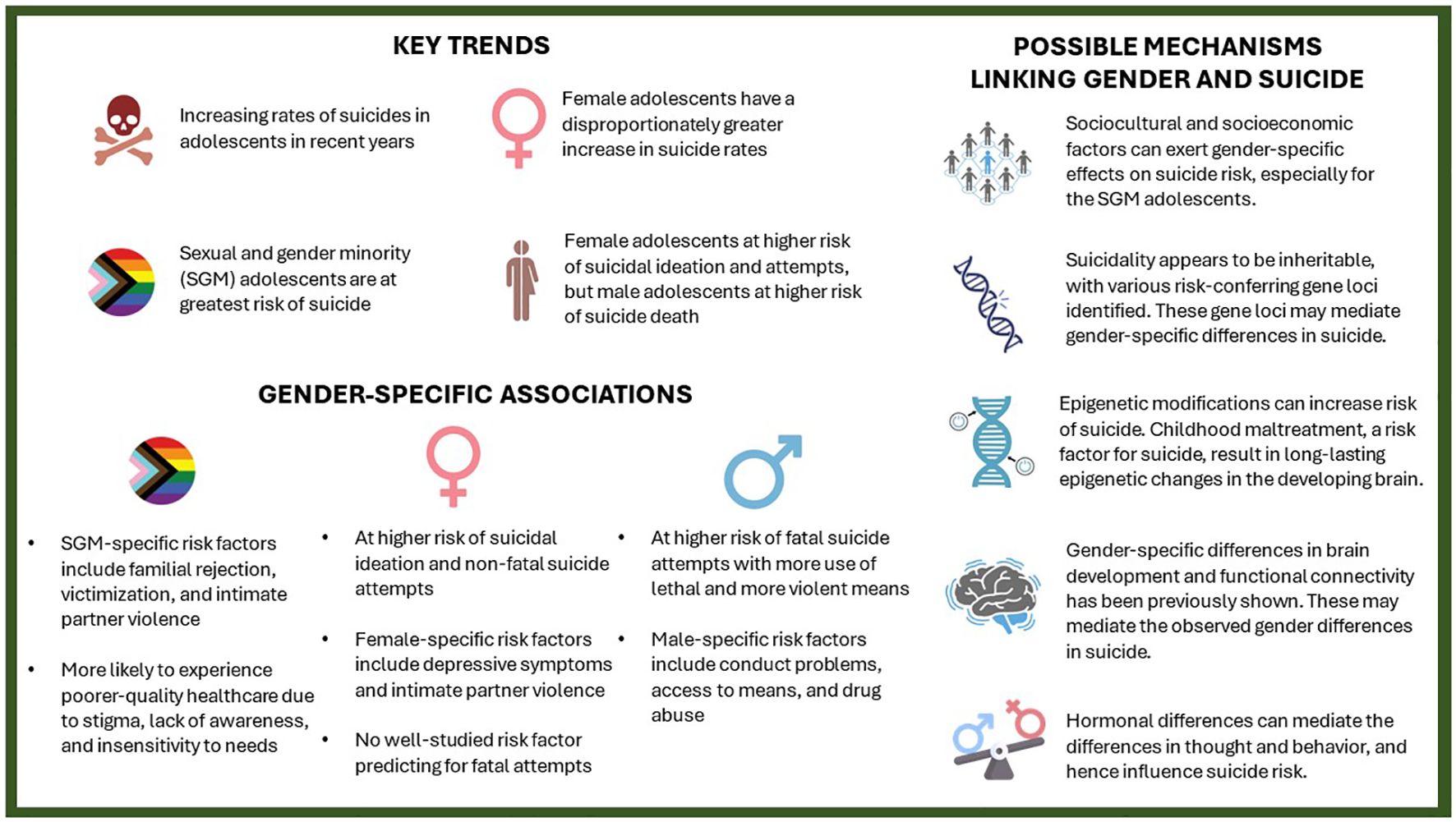
The “Gender Paradox” in suicide is a global phenomenon with profound economic consequences. To understand the financial impact, one must first look at the raw data. In high-income countries, men die by suicide at rates three to four times higher than women. Conversely, women are hospitalized for self-harm and suicide attempts at rates significantly higher than their male counterparts. This creates a dual-layered economic burden that impacts both the private and public sectors.
The Lost Productivity of Male Suicide
From a human capital perspective, the high rate of male suicide represents a catastrophic loss of productivity. Men are often at the peak of their earning potential and career trajectory when they are most at risk—typically between the ages of 35 and 55. When a professional in a high-impact role dies by suicide, the economic ripples are felt through the immediate loss of specialized skills, the cost of recruitment and training for a successor, and the potential destabilization of their department or firm.
Studies in labor economics suggest that the indirect costs of a single suicide—calculated through lost future earnings and social contributions—can exceed $1.3 million. When multiplied by the thousands of men lost annually, the aggregate impact on the Gross Domestic Product (GDP) is substantial. Furthermore, the “provider” narrative often placed on men creates a financial pressure cooker; when economic downturns occur, male suicide rates tend to spike in correlation with unemployment and insolvency, creating a cyclical drain on the economy.
The Healthcare Burden of Female Suicide Attempts
While the male statistics focus on “completion,” the female statistics highlight a significant “utilization” of healthcare resources. Because women are more likely to attempt suicide and survive, the economic impact is shifted toward the healthcare system and short-term disability insurance. The costs associated with emergency room visits, intensive care, long-term psychiatric rehabilitation, and pharmaceutical interventions represent a multi-billion dollar line item in national healthcare budgets.
For corporations, this manifests as increased healthcare premiums and higher rates of absenteeism. Women are also more likely to be the primary caregivers in a household. When a suicide attempt occurs, the domestic economy is disrupted, often leading to a secondary loss of productivity for other family members who must step into caregiving roles. Understanding these gendered patterns allows financial planners and healthcare providers to better allocate resources toward preventative care rather than reactive treatment.
Life Insurance, Risk Assessment, and Underwriting Realities
The financial industry, particularly the life insurance and disability sector, views suicide and gender through the lens of actuarial science. Actuaries are tasked with quantifying the risk of death to set premiums and ensure the solvency of the insurance pool. The gendered differences in suicide rates are a primary variable in these complex calculations.
Suicide Clauses and Financial Protection
Most life insurance policies contain a “suicide clause,” typically lasting two years from the policy’s inception. If a policyholder dies by suicide within this window, the insurer is generally only required to return the premiums paid, rather than paying out the full death benefit. This clause is a financial safeguard against “adverse selection,” where an individual might purchase insurance with the intent of providing a financial windfall for their family through suicide.
Because men are more likely to complete suicide, they often face different underwriting scrutiny than women, especially if there is a history of depression or substance abuse. For men, these factors are viewed as high-probability indicators of a “total loss” event for the insurer. Women, while having higher rates of diagnosed depression, may be viewed differently because their statistical likelihood of a fatal event is lower, though their likelihood of making a claim on a “Critical Illness” or “Disability” rider is higher.
Gender as a Variable in Risk Modeling
In recent years, the use of Big Data and AI in financial underwriting has allowed for more nuanced risk modeling. Insurers are now looking at “social determinants of health,” which include gender-specific stressors. For instance, a man in a high-stress, high-debt industry like finance or construction may be flagged as a higher risk than a woman in the same position, simply due to the statistical prevalence of “silent” mental health struggles in those demographics.
Conversely, the financial industry is beginning to recognize the “protection gap” for women. Because women often earn less over their lifetimes due to the gender pay gap and career interruptions, they are frequently underinsured. When a suicide attempt leads to long-term disability, the lack of adequate financial protection can lead to a total collapse of personal solvency, which further burdens the social safety net.
Socio-Economic Stressors: The Financial Roots of the Gender Gap
What is true about suicide and gender is often inextricably linked to financial stability and socio-economic expectations. Money is rarely the sole cause of suicide, but it is one of the most frequent catalysts for the mental health crises that lead to suicidal behavior.
Debt, Employment, and the Male “Provider” Identity
Economic theory posits that the male suicide rate is tied to the “breadwinner” model of masculinity. In many cultures, a man’s self-worth is tied to his ability to generate income and manage wealth. When a man faces bankruptcy, job loss, or a significant dip in investment value, the perceived loss of status can lead to “thwarted belongingness” and “perceived burdensomeness”—two key psychological drivers of suicide.
From a business finance perspective, this means that periods of market volatility are not just financial events; they are mental health events. Financial advisors are increasingly being trained to recognize signs of suicidal ideation in male clients who are facing extreme financial loss. The “financial suicide” (destroying one’s career or wealth) often precedes the physical act, making the financial sector a front-line defense in suicide prevention.
Domestic Inequality and the Economic Fragility of Women
For women, the financial stressors that contribute to suicidal ideation are often rooted in economic fragility and domestic inequality. Women are more likely to live in poverty, head single-parent households, and experience “time poverty” from balancing work and domestic duties. These pressures create a state of chronic stress that, while perhaps less likely to result in a sudden fatal act, leads to high rates of clinical depression and non-fatal self-harm.
In the world of personal finance, this highlights the need for gender-specific financial literacy and independence programs. When women have control over their financial assets and a clear path to solvency, their mental health outcomes improve. The “money” aspect of the gender paradox suggests that for women, financial empowerment is a literal lifesaver.
The ROI of Mental Health: A Corporate Finance Perspective
For the modern corporation, addressing the gendered realities of suicide is a matter of fiscal responsibility. Forward-thinking companies are no longer viewing mental health as a “soft” HR issue, but as a “hard” financial metric.
Cost-Benefit Analysis of Gender-Specific EAPs
Employee Assistance Programs (EAPs) that offer generic mental health support often fail to address the specific needs of men and women. A cost-benefit analysis reveals that gender-specific interventions yield a higher Return on Investment (ROI). For example, outreach programs for men that focus on “stress management” or “leadership resilience” rather than “therapy” tend to have higher engagement rates, preventing the high costs associated with male suicide.
For women, EAPs that provide support for childcare, eldercare, and flexible working arrangements address the root causes of the stress that leads to suicidal ideation. By reducing the “double burden,” companies can lower their healthcare spend and increase the retention of high-value female talent.
Wealth Management and the “Hidden” Risk of Mental Illness
In the high-net-worth (HNW) sector, mental illness and suicide represent a significant threat to wealth preservation and succession planning. A suicide within a family business can lead to legal battles, the forced liquidation of assets, and the collapse of a multi-generational legacy.
Wealth managers are beginning to incorporate “wellness audits” into their family office services. By acknowledging the truth about gender and suicide—that men may hide their struggles to protect their status and women may struggle under the weight of domestic expectations—financial professionals can facilitate the necessary conversations to protect both the people and the portfolios they manage.
In conclusion, the data surrounding suicide and gender provides a vital roadmap for the financial and corporate worlds. By acknowledging the economic costs of the gender paradox, optimizing insurance and risk models, and investing in targeted wellness strategies, we can mitigate the profound financial and human losses associated with this global crisis. Understanding the fiscal reality of mental health is the first step toward building a more resilient, and ultimately more profitable, society.
aViewFromTheCave is a participant in the Amazon Services LLC Associates Program, an affiliate advertising program designed to provide a means for sites to earn advertising fees by advertising and linking to Amazon.com. Amazon, the Amazon logo, AmazonSupply, and the AmazonSupply logo are trademarks of Amazon.com, Inc. or its affiliates. As an Amazon Associate we earn affiliate commissions from qualifying purchases.