
In an era dominated by digital interfaces, smart devices, and artificial intelligence, it’s easy to overlook the foundational technologies that underpin much of our scientific and industrial progress. Among these enduring instruments, the triple beam balance stands as a testament to precision, reliability, and mechanical ingenuity. Far from being a relic, this robust device remains an indispensable tool in countless laboratories, classrooms, and production facilities worldwide. Understanding its purpose, operation, and enduring relevance is key to appreciating its unique contribution to accurate measurement in a diverse array of fields.
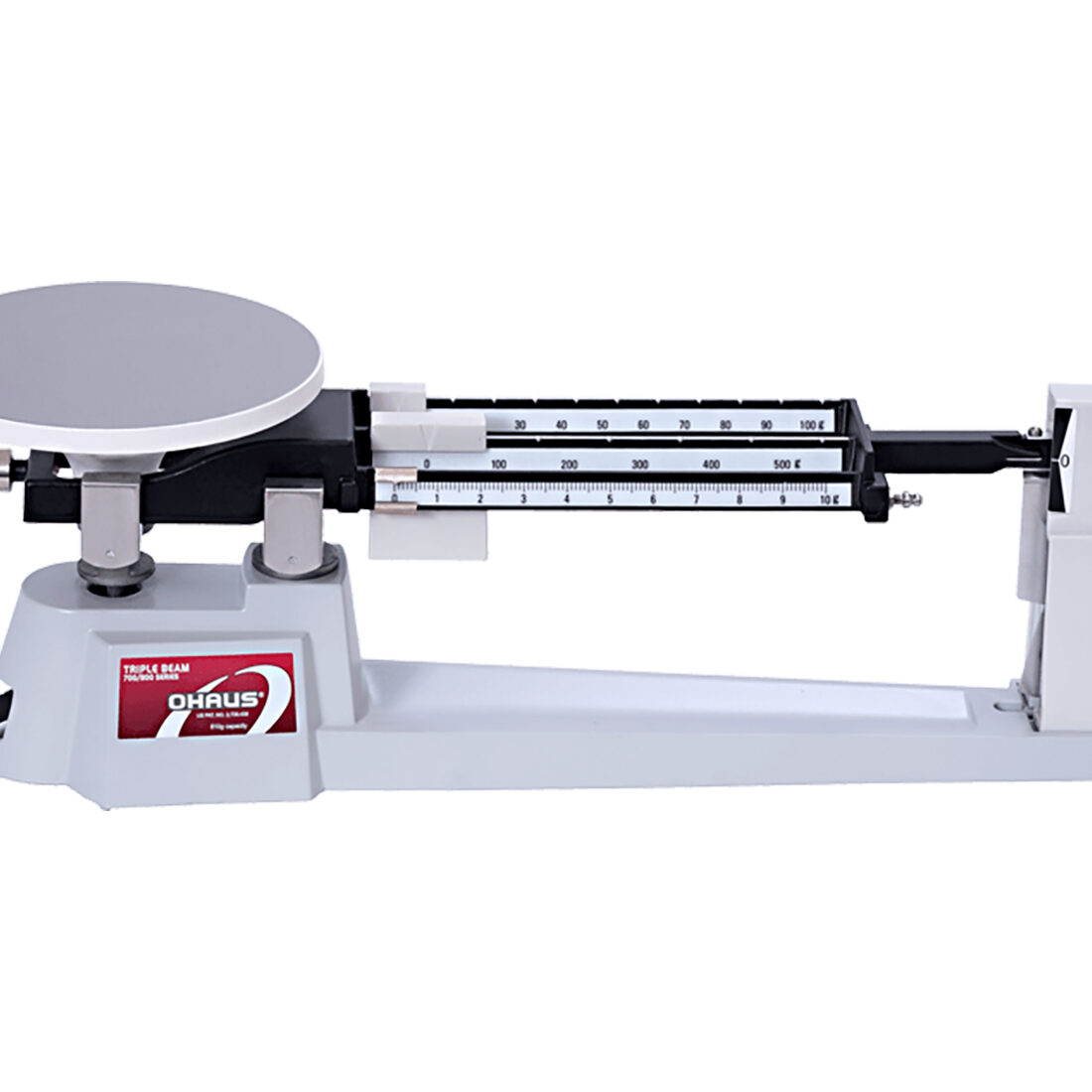
The triple beam balance is, at its core, a mechanical scale used to measure mass with high precision. Its name is derived from the three beams, each carrying a different weight, which are used to balance the unknown mass placed on the weighing pan. While seemingly simple, its design leverages fundamental principles of leverage and counterbalancing to deliver accurate results without the need for electricity or complex electronic components. This makes it a remarkably versatile and resilient piece of equipment, particularly valuable in environments where power might be unreliable or where a hands-on understanding of mass measurement is paramount.
The Enduring Legacy of an Essential Scientific Tool
The triple beam balance, a descendant of the ancient equal-arm balance, has evolved into a sophisticated yet straightforward instrument. Its design, perfected over decades, allows for precise mass determination using a system of sliding weights.
A Glimpse into its Mechanism and History
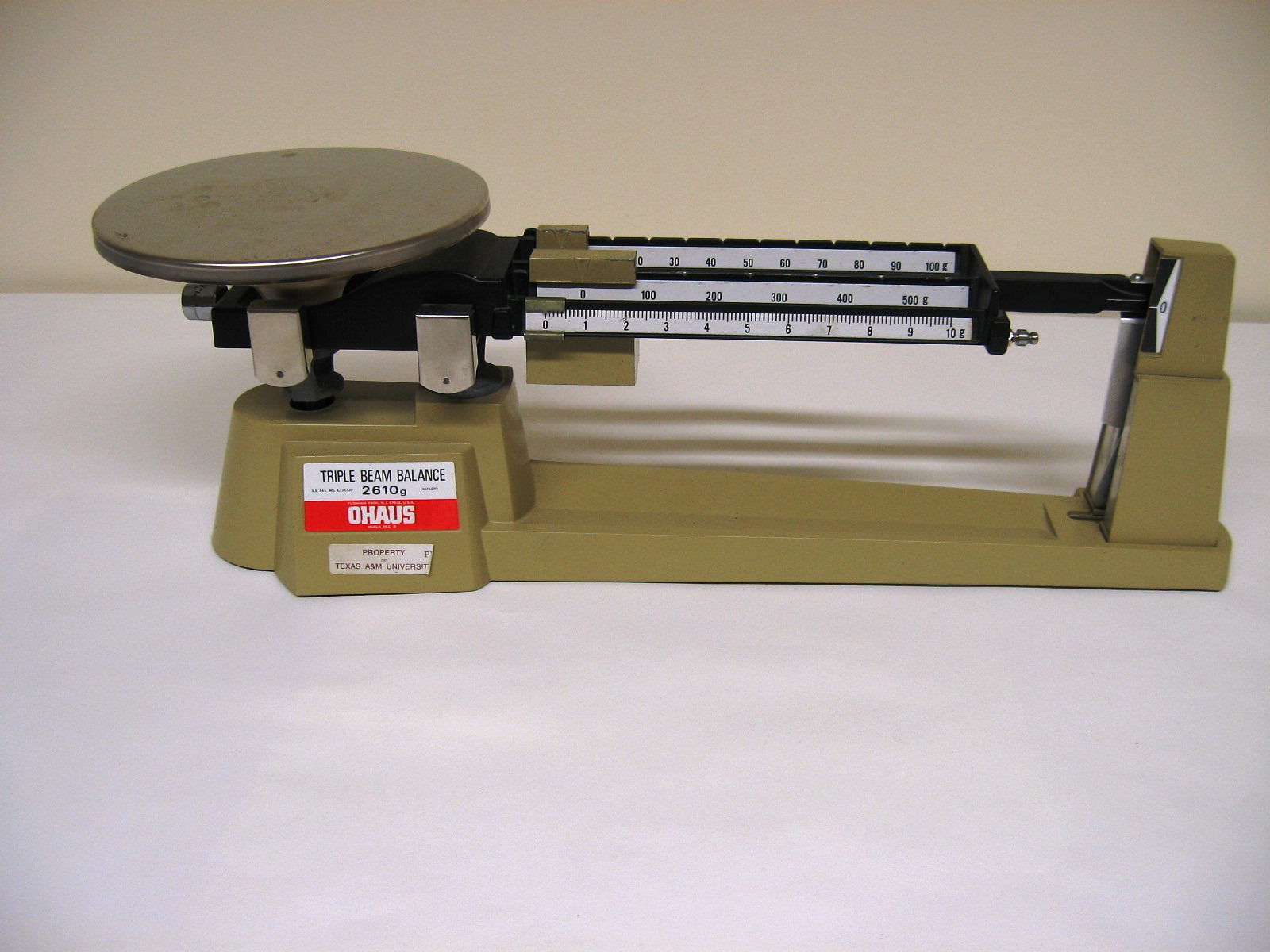
At its heart, the triple beam balance operates on the principle of a lever. A central fulcrum supports a beam, on one end of which is a weighing pan, and on the other, three graduated beams with sliding weights (riders). When an object of unknown mass is placed on the pan, the beam tilts. The user then slides the weights along their respective beams (typically 100-gram, 10-gram, and 1-gram increments, with the smallest beam often having subdivisions for tenths and hundredths of a gram) until the beam returns to a state of equilibrium, indicated by an aligned pointer. The sum of the values indicated by the positions of the three weights constitutes the mass of the object.
Historically, balances have been crucial since antiquity for trade, alchemy, and early scientific inquiry. The triple beam design, with its fixed weights and graduated beams, emerged as a more practical and standardized alternative to pan balances that required a collection of known masses. This innovation significantly streamlined the measurement process, making it more accessible and less prone to errors associated with handling multiple small weights. Its mechanical nature means it’s not susceptible to electromagnetic interference or battery drain, ensuring consistent performance in varied conditions.
Precision Through Simplicity: Why Analog Still Matters
In an age where digital scales can display mass with multiple decimal places at the touch of a button, one might wonder why a mechanical balance retains its prominence. The answer lies in its inherent precision, durability, and educational value. A well-maintained triple beam balance can offer accuracy comparable to many mid-range digital scales, often to within 0.01 grams. This level of precision is achieved through careful manufacturing tolerances and the direct application of physical principles, rather than electronic sensors and computational algorithms.
Moreover, the process of operating a triple beam balance is itself a valuable learning experience. It compels users to understand the concept of equilibrium, the systematic approach to measurement, and the importance of careful observation. This hands-on engagement fosters a deeper understanding of scientific principles, making it an irreplaceable tool in educational settings for teaching foundational concepts of mass and measurement. Its robust construction means it can withstand the rigors of frequent use in busy labs, making it a cost-effective and long-lasting investment.
Diverse Applications Across Disciplines
The versatility of the triple beam balance extends across a wide spectrum of scientific, industrial, and educational fields, proving its utility far beyond a simple classroom prop.
Educational Laboratories: The Foundation of Scientific Inquiry
Perhaps the most common environment for a triple beam balance is the school or university laboratory. In chemistry, physics, and biology classes, students learn fundamental concepts of mass, density, and stoichiometry by directly interacting with these balances. They use them to measure reagents for experiments, determine the mass of unknown substances, or track changes in mass during reactions. The manual process of balancing the weights helps reinforce mathematical skills and the scientific method, making abstract concepts tangible and engaging. It teaches patience, precision, and the critical thinking required to ensure accurate readings.
Industrial and Manufacturing Quality Control
Beyond academia, triple beam balances play a vital role in quality control across various industries. In manufacturing, they are used to weigh raw materials to ensure proper ratios in compounds, check the consistency of small components, or verify the mass of finished products. For instance, in a plastics factory, engineers might use it to check the mass of plastic pellets before molding, or to ensure that small parts meet specified weight tolerances. In jewelery making, while high-precision digital scales are common, triple beams might be used for initial screening or for larger components. Their reliability in environments where dust or vibrations might interfere with digital scales makes them an excellent backup or primary choice for certain tasks.
Pharmaceutical and Chemical Formulations
The pharmaceutical and chemical industries demand extreme precision, and while advanced analytical balances are primary, triple beam balances still find niche uses. They can be employed for initial approximate measurements of bulk ingredients or for preparing non-critical solutions where a high degree of precision (e.g., to 0.1g) is sufficient. In compounding pharmacies or small-scale chemical labs, the robust nature and relative affordability of a triple beam balance make it a practical tool for routine measurements, ensuring that formulas are prepared accurately and consistently, albeit for less critical or larger quantity preparations.
Culinary Arts and Food Science
Even the culinary world benefits from the precision of a triple beam balance. In professional kitchens, especially those focusing on molecular gastronomy or large-scale baking, accurate measurements are paramount for consistent results. Food scientists use these balances to measure ingredients for experimental recipes, analyze ingredient densities, or conduct quality control checks on food products. For example, a pastry chef might use it to ensure the exact consistency of a dough batch, where slight variations in flour or sugar can drastically alter the final product. Similarly, in beverage production, ensuring precise ratios of ingredients is crucial for taste and consistency.
Forensics and Research Laboratories
In forensic science, where even trace amounts of evidence can be critical, triple beam balances are sometimes used for initial measurements of larger samples or for determining the mass of bulk evidence before more intricate analysis. In general research laboratories, particularly in fields like environmental science or materials science, they can be utilized for weighing soil samples, geological specimens, or various materials where high precision without extreme sensitivity is required, or as a reliable backup when digital equipment is unavailable or impractical.
Operating a Triple Beam Balance: A Practical Tutorial
While conceptually simple, achieving accurate measurements with a triple beam balance requires careful attention to detail and a systematic approach.
Setting Up and Calibration
Before any measurement, proper setup is crucial. The balance must be placed on a stable, level surface, away from vibrations or drafts that could affect the reading. Many balances include leveling feet and a bubble level indicator to ensure horizontal alignment. Next, the balance must be “zeroed.” This involves ensuring that with nothing on the pan and all weights at their zero positions, the pointer aligns perfectly with the zero mark. If not, a tare knob (or zero adjustment screw) is used to bring it to equilibrium. This step is critical for accurate measurement as it establishes the baseline from which all masses are determined.
The Measurement Process: A Step-by-Step Guide
- Place the object: Gently place the object of unknown mass on the weighing pan. The beam will likely tilt upwards on the side with the pan.
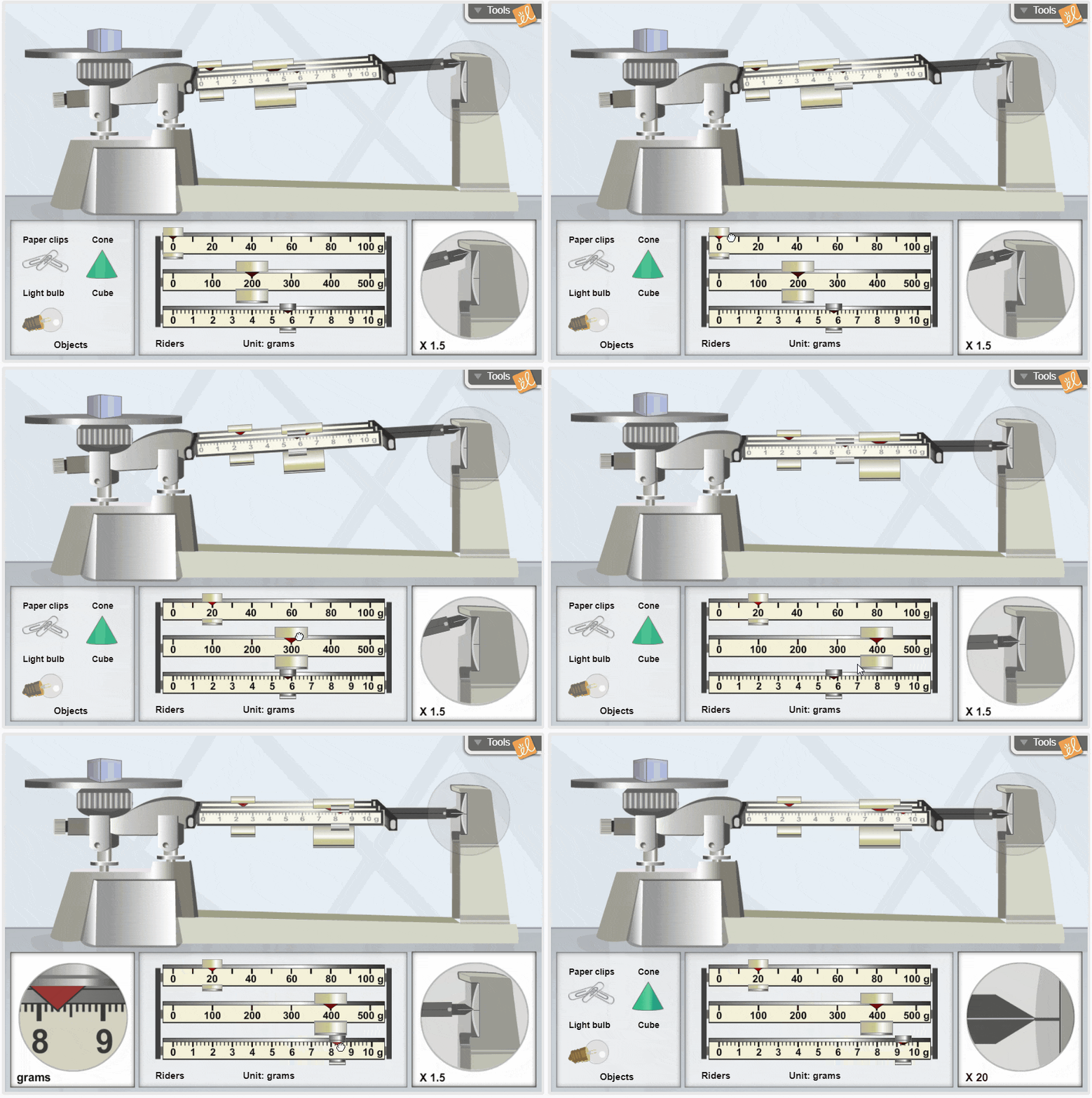
- Move the largest weight first: Start by sliding the heaviest rider (e.g., the 100-gram beam weight) along its beam from zero until the beam tips down. Then, slide it back one notch. This identifies the hundreds digit of the mass.
- Move the medium weight: Next, slide the medium-sized rider (e.g., the 10-gram beam weight) along its beam until the beam tips down. Slide it back one notch. This identifies the tens digit.
- Move the smallest weight: Finally, carefully slide the smallest rider (e.g., the 1-gram beam weight, often with decimal subdivisions) along its beam until the pointer aligns exactly with the zero mark. This is the most precise step, determining the units and decimal places.
- Read the total mass: Sum the values indicated by the positions of all three riders. For example, if the 100g weight is at 200g, the 10g weight is at 50g, and the 1g weight is at 3.75g, the total mass is 253.75g.
- Remove the object and return weights: Always return all weights to their zero positions and remove the object after measurement to prevent wear and maintain calibration.
Best Practices for Accurate Readings
Several factors can influence the accuracy of a triple beam balance. Environmental factors like strong air currents (drafts) can cause the pan to fluctuate, making it difficult to find true equilibrium. Always ensure a stable environment. Parallax error is another common issue; users should read the pointer’s position at eye level to avoid misinterpreting its alignment. Regular cleaning of the pan and beams is important to prevent build-up that could alter readings. Lastly, consistent calibration and occasional checks with known standard masses ensure the balance maintains its accuracy over time. Proper handling, avoiding dropping weights or overloading the pan, will significantly extend the life and accuracy of the instrument.
Advantages and Limitations in the Modern Era
Despite the proliferation of digital alternatives, the triple beam balance continues to hold a unique place, thanks to its distinct advantages and specific limitations.
Unmatched Durability and Reliability
One of the most significant benefits of a triple beam balance is its ruggedness. Without delicate electronic components, circuits, or batteries, it is far less prone to damage from drops, spills, or power fluctuations. This makes it ideal for harsh industrial environments, outdoor fieldwork, or educational settings where equipment might see heavy and sometimes less-than-gentle use. Its purely mechanical operation means it’s always ready to go, requiring no power source and minimal maintenance beyond cleaning and occasional recalibration. This inherent reliability ensures consistent operation over decades, making it a truly long-term investment.
Cost-Effectiveness and Accessibility
Compared to high-precision digital balances, triple beam balances are considerably more affordable, both in initial purchase price and long-term maintenance. Their simple design translates to lower manufacturing costs, and the absence of complex parts means repairs, if needed, are often straightforward. This cost-effectiveness makes them accessible to schools with limited budgets, small businesses, and hobbyists who require accurate mass measurement without a significant financial outlay. They are also widely available and easily serviced, contributing to their enduring popularity.
The Trade-Offs: Speed and Resolution
While robust and reliable, triple beam balances do come with certain trade-offs. The manual process of sliding weights and finding equilibrium is inherently slower than the instantaneous reading provided by a digital scale. For applications requiring rapid measurements of numerous samples, a digital balance is undeniably more efficient. Furthermore, the typical resolution of a triple beam balance is usually to 0.01 grams, sometimes 0.1 grams, which is sufficient for many tasks but falls short of the microgram or even nanogram precision offered by high-end analytical digital balances. For extremely minute masses or highly sensitive experiments, a digital analytical balance is indispensable.
Complementary Roles with Digital Scales
Rather than being in direct competition, triple beam and digital scales often serve complementary roles. In many modern laboratories, both types of balances are present. Digital scales are used for tasks requiring speed, very high precision, or direct data logging. Triple beam balances are deployed for educational purposes, for weighing bulk materials, or as a reliable backup when electricity is unavailable or when the environment might be detrimental to sensitive electronics. They represent different tools for different jobs, each excelling in its specific niche and contributing to a comprehensive set of measurement capabilities.
The Triple Beam Balance in a Digital World: A Forward Look
Despite the relentless march of digital technology, the triple beam balance maintains a surprising and vital presence, adapting to a world that increasingly values both technological advancement and foundational understanding.
Continued Relevance in STEM Education
Perhaps nowhere is the triple beam balance’s future more secure than in STEM education. As technology becomes more abstract, hands-on learning becomes even more critical for building fundamental understanding. Manipulating the weights, observing the beam’s movement, and manually calculating the mass provides an intuitive grasp of physical principles that simply pressing a button on a digital scale cannot replicate. It fosters critical thinking, problem-solving skills, and a deeper appreciation for the science of measurement. As such, it will continue to be a cornerstone of introductory science courses for generations to come, preparing students for more advanced scientific pursuits.
Niche Applications Where It Still Excels
Beyond education, the triple beam balance will continue to thrive in specific niche applications where its core strengths are paramount. In environments prone to power outages, such as remote field research stations or disaster relief operations, its independence from electricity is invaluable. Its robustness makes it suitable for industrial settings with dust, vibrations, or corrosive chemicals that could damage sensitive electronics. For simple quality checks or initial bulk weighings, where extreme precision isn’t necessary but reliability is key, it remains an economical and efficient choice. Its simplicity means less training is required, making it accessible to a broader user base for specific tasks.
Innovation in Analog Design?
While the fundamental design of the triple beam balance is unlikely to undergo radical changes, there could be incremental innovations in materials, ergonomics, or perhaps even integrations that enhance its utility without sacrificing its core analog appeal. For instance, balances made from lighter, more durable composites, or designs that incorporate clearer markings and more fluid weight movement could emerge. There might even be opportunities for hybrid designs that combine the best of both worlds – perhaps a mechanical balance with an integrated, simple digital display for quick verification of readings, powered by a small solar cell or kinetic energy. Such innovations would further solidify its place as a classic tool that continues to meet contemporary needs.
In conclusion, the triple beam balance is far more than an outdated piece of laboratory equipment. It is a powerful, reliable, and fundamentally educational tool that has withstood the test of time. Its mechanical elegance, precision, and durability ensure its continued relevance across educational, industrial, and scientific domains. In a world increasingly reliant on black-box technology, the triple beam balance serves as a vital reminder of the transparent and tangible principles that underpin accurate measurement, making it an indispensable asset for understanding and interacting with the physical world.
aViewFromTheCave is a participant in the Amazon Services LLC Associates Program, an affiliate advertising program designed to provide a means for sites to earn advertising fees by advertising and linking to Amazon.com. Amazon, the Amazon logo, AmazonSupply, and the AmazonSupply logo are trademarks of Amazon.com, Inc. or its affiliates. As an Amazon Associate we earn affiliate commissions from qualifying purchases.