
In the rapidly evolving landscape of MedTech and pharmaceutical engineering, Tresiba (insulin degludec) represents a pinnacle of biological software design. While the average consumer might view insulin as a simple medical commodity, the technology behind Tresiba is a sophisticated example of molecular engineering designed to solve one of the most persistent “bugs” in human physiology: the regulation of blood glucose over an extended time horizon. In the context of technology trends, Tresiba is not merely a medication; it is a high-performance biological tool integrated into a broader ecosystem of smart delivery devices, data-tracking apps, and predictive algorithms.
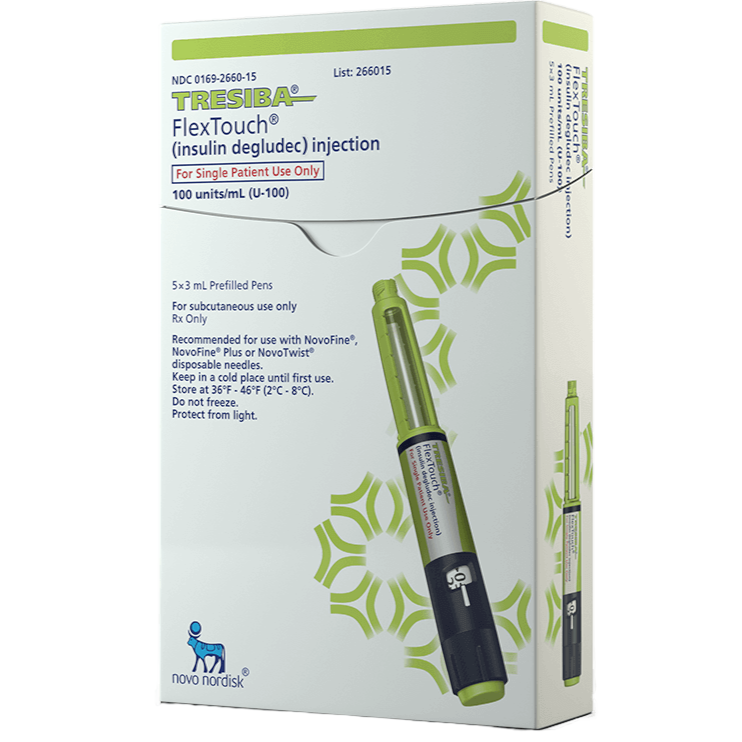
To understand what Tresiba is used for, one must look past the syringe and into the world of biotechnology, where molecular structures are programmed to behave with rhythmic precision.
The Engineering of Long-Acting Insulin: Tresiba’s Molecular Mechanism
At its core, Tresiba is a long-acting basal insulin. However, its “technology stack” is what differentiates it from older generations of insulin, such as glargine. In the realm of BioTech, the goal of basal insulin is to mimic the steady, background release of insulin from a healthy pancreas. Tresiba achieves this through a unique molecular configuration known as multi-hexamers.
From Molecules to Maintenance: How Insulin Degludec Works
When Tresiba is injected into the subcutaneous tissue, its molecular “code” takes over. Unlike standard insulin that may disperse rapidly, Tresiba’s molecules are engineered to form long, soluble chains called multi-hexamers. This is essentially a biological time-release mechanism. As the chains slowly break down, individual insulin monomers are released into the bloodstream at a remarkably consistent rate.
This technological breakthrough allows for a duration of action that exceeds 42 hours. For the user, this means a “flat” profile—meaning there are no sharp peaks or troughs in insulin activity. In tech terms, this is the equivalent of a stable power supply for a sensitive piece of hardware, preventing the “surges” (hyperglycemia) and “brownouts” (hypoglycemia) that can damage the system over time.
The Multi-Hexamer Revolution: Why It Outperforms Traditional Basal Insulin
Traditional insulin technologies often suffered from variability. Depending on blood flow or injection site temperature, the insulin might be absorbed too quickly. Tresiba’s multi-hexamer technology acts as a buffer against these environmental variables. By creating a stable “depot” in the skin, Tresiba provides a level of predictability that was previously unattainable. This predictability is the foundation upon which modern digital diabetes management is built, allowing for more accurate data modeling and fewer emergency interventions.
Integration with the MedTech Ecosystem: Smart Pens and Connectivity
The modern application of Tresiba is rarely a standalone process. It is increasingly part of an integrated hardware-software ecosystem. Novo Nordisk, the developer of Tresiba, has recognized that a biological tool is only as good as the interface used to deploy it. This has led to the rise of “Smart Insulin Pens” (SIPs) that transform a simple injection into a data point.
The NovoPen 6 and Echo Plus: Bringing Data to the Forefront
Tresiba is often delivered via the FlexTouch pen, but the technology has evolved into the NovoPen 6 and NovoPen Echo Plus. These devices are equipped with internal memory and Near Field Communication (NFC) technology. Every time a dose of Tresiba is administered, the pen logs the dose volume and the timestamp.
This hardware integration solves the “user error” variable in medical data. Patients no longer need to manually log their injections in a paper diary—a process prone to forgetfulness and inaccuracy. Instead, the “smart” hardware captures the data automatically, ensuring that the patient’s digital health record is an exact mirror of their biological reality.

Syncing with Health Apps: A Digital Record of Every Dose
The data captured by smart pens is designed to be uploaded to various health platforms and apps, such as Glooko, Dexcom, or Roche’s mySugr. This creates a comprehensive dashboard for both the patient and the healthcare provider. When Tresiba’s long-acting profile is overlaid with Continuous Glucose Monitor (CGM) data, the “Tech” aspect of diabetes management becomes clear. Users can see exactly how their basal insulin is holding their levels steady overnight, allowing for precise adjustments to their “biological settings.”
The Role of AI and Algorithmic Dosing in Optimizing Tresiba
As we move further into the era of Artificial Intelligence, the use of Tresiba is being optimized by machine learning algorithms. Diabetes management is essentially a massive data problem: how do food, exercise, stress, and insulin interact to produce a specific blood sugar level? Tresiba provides the stable baseline (the “OS”) upon which these variables act.
Predictive Analytics for Glycemic Control
New software tools are being developed that use AI to analyze weeks of Tresiba dosing data alongside lifestyle inputs. These algorithms can predict when a patient is likely to experience hypoglycemia (low blood sugar) up to 24 hours in advance. Because Tresiba has such a long half-life and a stable profile, it is the ideal candidate for these predictive models. The lack of “peaking” makes the math much simpler for an AI to solve, leading to more reliable recommendations for dose timing and adjustment.
Continuous Glucose Monitoring (CGM) and the Feedback Loop
The most significant trend in diabetes technology is the “closed-loop” or “semi-closed-loop” system. While Tresiba is a basal insulin and not typically used in fully automated insulin pumps (which use rapid-acting insulin), it plays a vital role in “Multiple Daily Injection” (MDI) therapy supported by CGM.
A CGM sensor provides a constant stream of data (every 5 minutes). When paired with a long-acting insulin like Tresiba, the user can observe the “tail” of the insulin’s effect. Tech-savvy patients use this data to perform “basal testing,” where they skip a meal to see if Tresiba alone keeps their blood sugar flat. This is a form of biological system debugging that was impossible before the advent of high-frequency data sensors.
Security and Accessibility in Digital Health Monitoring
With the integration of Tresiba into the digital world comes the necessity of digital security. Medical technology is a primary target for data privacy concerns, as health information is among the most sensitive data a person can own.
Protecting Patient Data in the Age of Connected Insulin
As Tresiba doses are tracked via NFC-enabled pens and uploaded to the cloud, the infrastructure supporting this data must be robust. Encrypted transmission and HIPAA-compliant cloud storage are now just as important to a diabetes patient as the insulin itself. The tech industry has stepped in to ensure that the handshake between the insulin pen and the smartphone app is secure, preventing unauthorized access to a patient’s dosing history—data that could theoretically be misused by insurance companies or malicious actors.
The Future of Remote Patient Monitoring (RPM)
The data-driven nature of Tresiba usage allows for Remote Patient Monitoring (RPM). Clinicians can now remotely access a patient’s Tresiba dosing logs and CGM graphs through secure portals. This “Tele-Health” integration reduces the need for in-person visits and allows for iterative improvements to the patient’s regimen. It transforms the healthcare model from a reactive one (treating high blood sugar after it happens) to a proactive, tech-enabled model (adjusting the basal rate based on historical data trends).
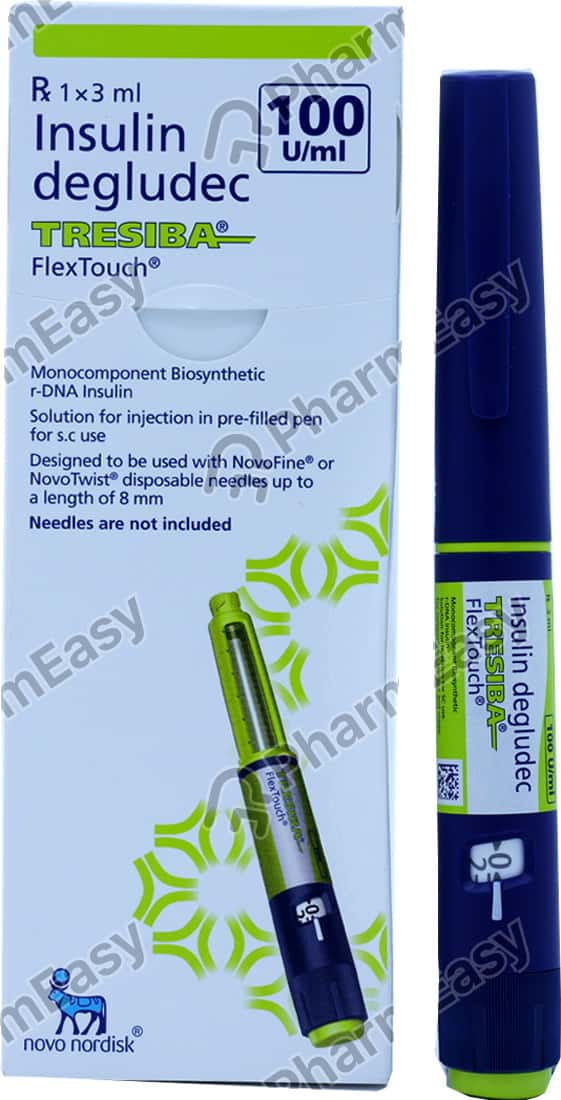
Conclusion: The Technological Future of Basal Insulin
What is Tresiba used for? In the modern era, it is used as the biological foundation for a high-tech approach to chronic disease management. It is a masterpiece of protein engineering that provides the stability required for digital health tools to function effectively.
By utilizing a multi-hexamer delivery system, Tresiba provides a 42-hour window of stability that minimizes the “noise” in glucose data. When combined with smart hardware, AI-driven predictive analytics, and secure cloud-based monitoring, Tresiba is more than just a medication—it is a critical component of a digital health revolution. As we look toward the future, the line between “medicine” and “technology” will continue to blur, with Tresiba standing as a prime example of how molecular biology and digital innovation can work in tandem to optimize human health. For the user, this means less time spent worrying about the “system” and more time living life, powered by a stable, reliable, and technologically advanced biological “operating system.”
aViewFromTheCave is a participant in the Amazon Services LLC Associates Program, an affiliate advertising program designed to provide a means for sites to earn advertising fees by advertising and linking to Amazon.com. Amazon, the Amazon logo, AmazonSupply, and the AmazonSupply logo are trademarks of Amazon.com, Inc. or its affiliates. As an Amazon Associate we earn affiliate commissions from qualifying purchases.