
In the rapidly evolving landscape of medical technology, terms that were once confined to textbooks and manual clinical examinations are being redefined by software, artificial intelligence, and sophisticated hardware. The “Trendelenburg” sign and position—historically significant clinical indicators in orthopedics and surgery—are currently undergoing a digital transformation. Understanding Trendelenburg today requires more than a medical definition; it requires an exploration of how computer vision, gait analysis software, and robotic engineering are automating the detection and management of this biomechanical phenomenon.
As healthcare merges with high-tech innovation, the Trendelenburg sign has moved from the doctor’s eyes to the lens of high-speed cameras and machine learning algorithms. This shift represents a broader trend in HealthTech: the quantification of human movement through digital security-compliant cloud platforms.
Understanding the Trendelenburg Sign in the Digital Age
Traditionally, the Trendelenburg sign refers to a physical examination finding that indicates weakness in the hip abductor muscles, primarily the gluteus medius. When a patient stands on one leg, a positive sign is observed if the pelvis drops on the side of the lifted leg. While this has been a staple of orthopedic diagnostics for over a century, the subjectivity of human observation is being replaced by precise digital metrics.
The Anatomical Basis: Gluteus Medius and Pelvic Stability
In the context of biomechanical engineering, the hip joint operates as a first-class lever. The gluteus medius acts as the stabilizer that prevents the pelvis from tilting when the contralateral limb is in the swing phase of walking. For developers creating physical therapy apps or diagnostic tools, modeling this stability is essential. Modern software utilizes 3D musculoskeletal modeling to simulate the forces at play, allowing clinicians to see beyond the skin and understand the torque and tension within the hip complex.
The Shift from Manual Observation to Sensor-Based Analysis
Manual testing is prone to inter-observer variability. To solve this, the tech industry has introduced inertial measurement units (IMUs) and wearable sensors. These gadgets, often integrated into smart clothing or strapped to the sacrum and thighs, provide real-time data on pelvic tilt angles. By using Bluetooth Low Energy (BLE) to transmit data to a mobile app, these tools allow for “Trendelenburg monitoring” during a patient’s daily life, rather than just in a controlled clinic setting. This transition from snapshots to continuous data streams is a hallmark of modern digital health.
Computer Vision and AI: Revolutionizing Trendelenburg Detection
The most significant tech advancement in identifying Trendelenburg gait is the application of computer vision (CV). Through the use of deep learning models, software can now identify gait abnormalities with a precision that exceeds the human eye. This has massive implications for remote diagnostics and telehealth.
Real-Time Gait Analysis via Machine Learning
Machine learning models, specifically Convolutional Neural Networks (CNNs), are trained on thousands of hours of gait footage to recognize the specific “hip drop” associated with Trendelenburg. Developers use frameworks like TensorFlow or PyTorch to build “pose estimation” tools. These tools identify key points on the human body—such as the anterior superior iliac spines (ASIS)—and calculate the horizontal alignment of the pelvis in every frame of a video.
If the software detects a tilt beyond a specific degree threshold, it flags a “Positive Trendelenburg Gait.” This automation allows for high-throughput screening in sports medicine and geriatric care, where early detection of muscle weakness can prevent falls and long-term joint degradation.
Integrating Wearables and Accelerometers
Beyond visual AI, the “Internet of Medical Things” (IoMT) plays a crucial role. Modern wearables equipped with high-precision accelerometers and gyroscopes can detect the micro-oscillations of a Trendelenburg gait that might be invisible to a therapist. This data is processed via edge computing—where the analysis happens on the device itself—to provide instant feedback to the user. For instance, a smart insole or a hip-worn tracker could vibrate to alert a patient when their gait becomes unstable, serving as a real-time biofeedback loop powered by sophisticated software logic.
The Role of Robotics and Smart Equipment
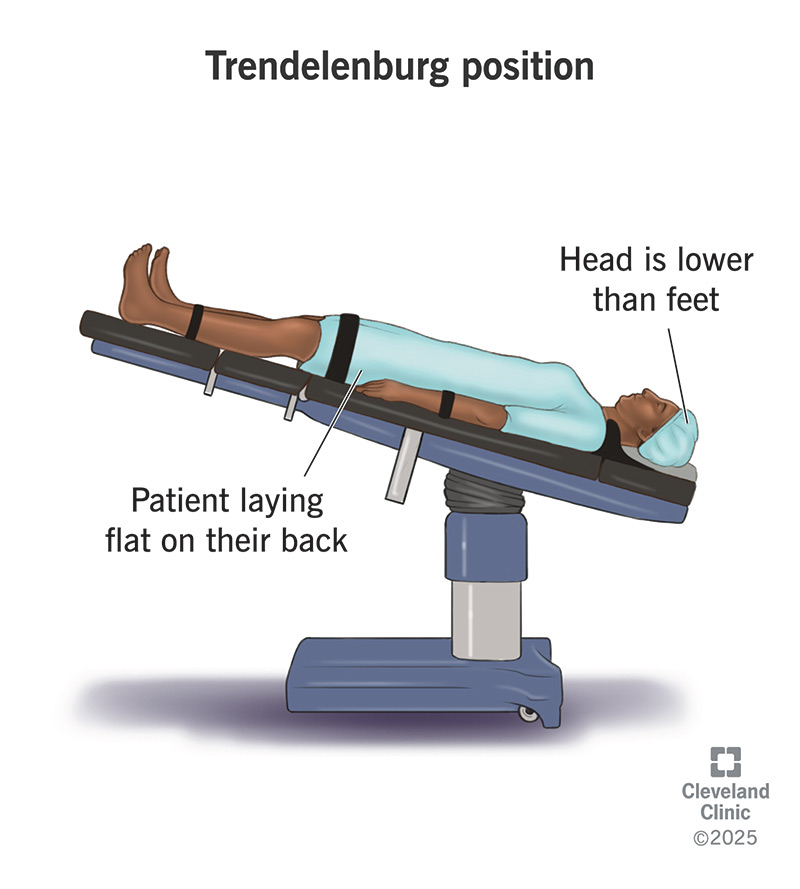
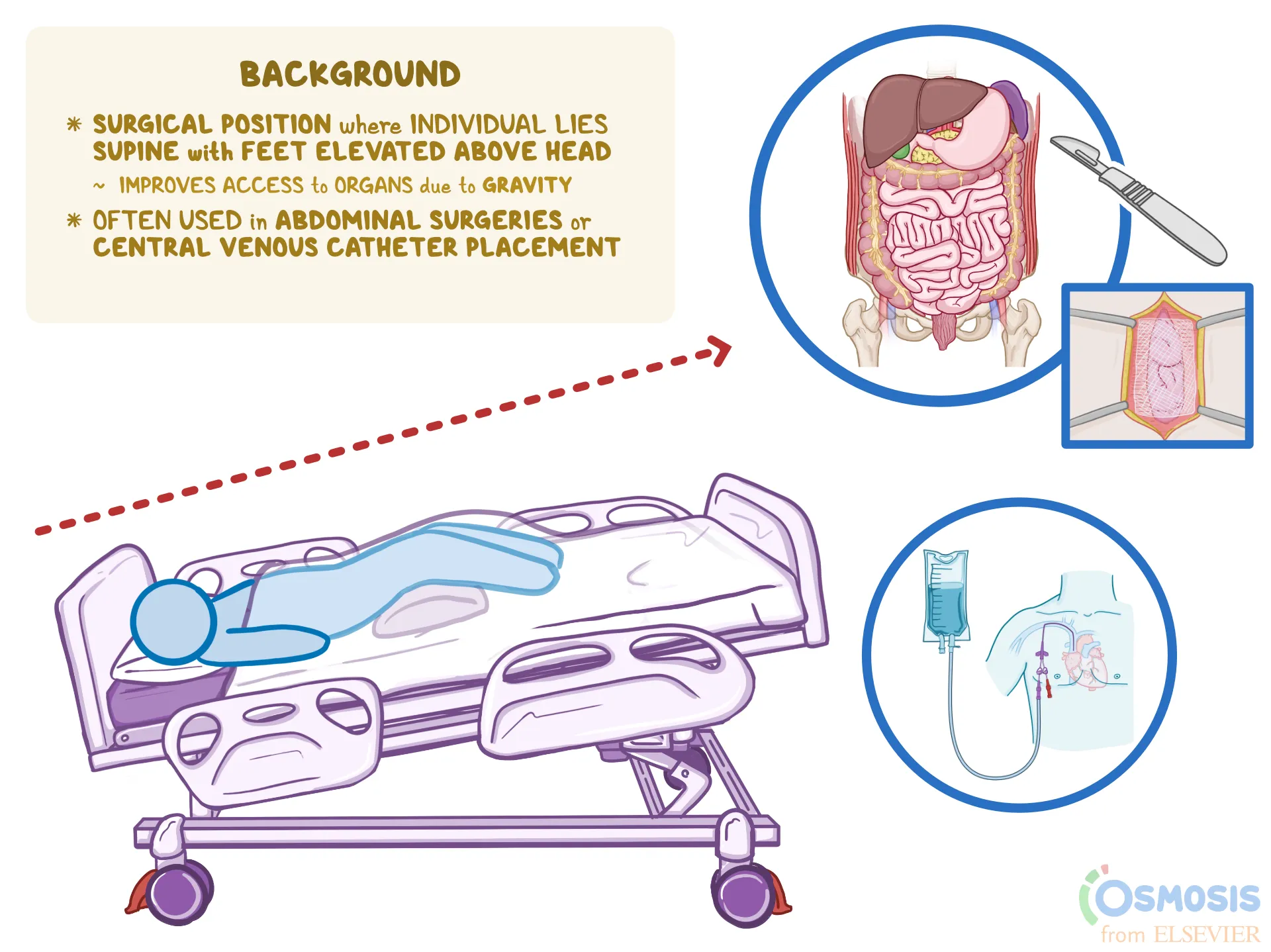
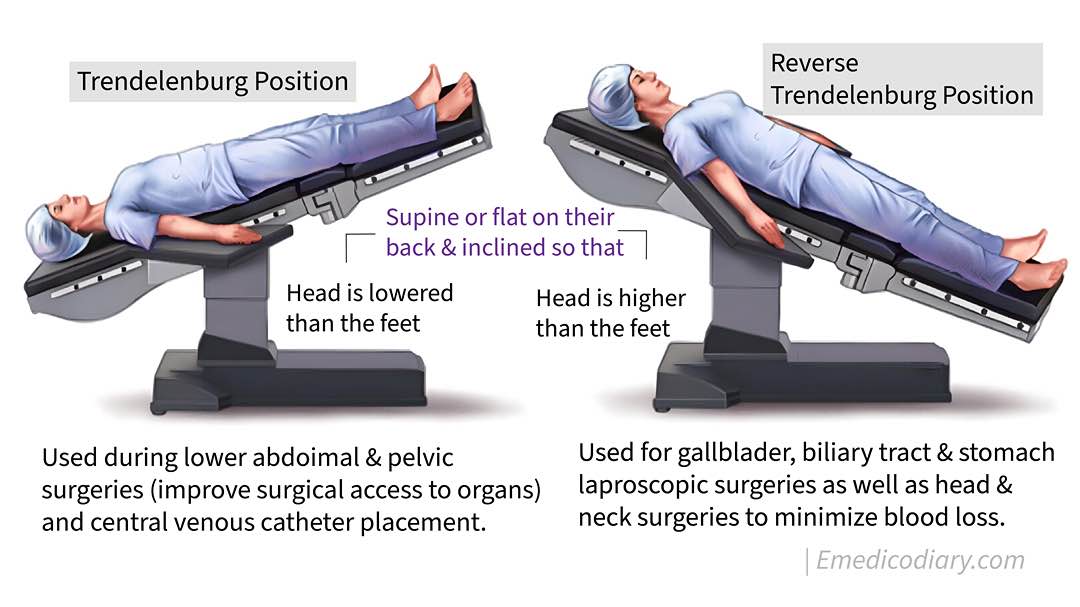
While “Trendelenburg” often refers to a gait abnormality, it also refers to a specific surgical position where the patient is tilted head-down. In the niche of surgical technology and robotics, the “Trendelenburg Position” is a critical variable that requires high-tech management to ensure patient safety.
Automated Surgical Tables and Trendelenburg Positioning
In minimally invasive surgery, particularly robotic-assisted laparoscopy, the Trendelenburg position is used to move abdominal organs away from the surgical site via gravity. Modern operating rooms utilize “smart” surgical tables that communicate directly with robotic systems like the Da Vinci robot. These tables use integrated sensors to maintain precise angles and can automatically adjust to redistribute pressure, reducing the risk of nerve injury or respiratory compromise. The software controlling these tables must be incredibly robust, often running on real-time operating systems (RTOS) to ensure zero-latency adjustments during critical procedures.
Exoskeletons and Biomechanical Correction
On the rehabilitation side, robotic exoskeletons are being programmed to “solve” Trendelenburg gait. For patients with permanent neurological deficits, software-driven exoskeletons can provide the necessary abduction force to stabilize the pelvis. These gadgets use “force-torque sensors” to anticipate the user’s movement intent and provide a motorized assist at exactly the right millisecond of the gait cycle. This represents a peak in the intersection of hardware and software, where code is literally supporting the human frame.
Digital Security and Data Privacy in Biometric Analysis
As we digitize the Trendelenburg sign through gait analysis and AI, we encounter the significant challenge of digital security. Gait is considered a biometric identifier—much like a fingerprint or a face scan. It is unique to the individual and can, in theory, be used to identify a person in a crowd.
Protecting Sensitive Patient Gait Data
Software platforms that analyze Trendelenburg gait must adhere to strict regulatory standards such as HIPAA in the US or GDPR in Europe. This involves end-to-end encryption of video files and the anonymization of skeletal mapping data. When a cloud-based AI processes a video of a patient walking, the software often “strips” the video of the person’s facial features, leaving only the mathematical coordinates of their joints. This “privacy-by-design” approach is essential for the adoption of AI tools in mainstream clinical practice.
The Future of Cloud-Based Orthopedic Diagnostics
The future of orthopedic tech lies in “Gait-as-a-Service.” In this model, clinicians upload raw sensor data or video to a secure cloud server. The server, powered by massive GPU clusters, runs complex biomechanical simulations to identify Trendelenburg signs, hip impingements, or scoliosis. The results are then pushed back to a digital dashboard. The security of this pipeline—ensuring that biometric movement data is not intercepted or misused—is a top priority for cybersecurity professionals working within the MedTech space.
Conclusion: The Technological Evolution of a Century-Old Sign
The Trendelenburg sign has come a long way from its 19th-century origins. What was once a simple observation of a dipping pelvis has been transformed into a data point in the vast ecosystem of Technology. Through the lens of AI, the Trendelenburg gait is now a pattern of pixels and coordinates analyzed by neural networks. In the operating room, the Trendelenburg position is a carefully calibrated state managed by robotic sensors and automated hardware.
As we look forward, the integration of these technologies will only deepen. We are moving toward a world where “what is Trendelenburg” is answered not by a physical exam, but by a comprehensive digital report generated by a smartphone or a wearable device. For tech professionals, developers, and engineers, this evolution presents a unique opportunity to build tools that enhance human mobility and surgical precision. The digitization of the Trendelenburg sign is a testament to the power of technology to refine our understanding of the human body, making healthcare more objective, accessible, and data-driven.
aViewFromTheCave is a participant in the Amazon Services LLC Associates Program, an affiliate advertising program designed to provide a means for sites to earn advertising fees by advertising and linking to Amazon.com. Amazon, the Amazon logo, AmazonSupply, and the AmazonSupply logo are trademarks of Amazon.com, Inc. or its affiliates. As an Amazon Associate we earn affiliate commissions from qualifying purchases.