
In the rapidly evolving landscape of audio technology, the term “treble” is often used but frequently misunderstood. For the casual listener, it represents the “sharpness” of a song; for the audiophile, it is the cornerstone of clarity and soundstage. However, from a technical perspective, treble music is a complex interplay of high-frequency digital signal processing, hardware engineering, and psychoacoustic modeling. Understanding what treble music is—and how modern technology reproduces it—requires an exploration into the physics of sound, the sophistication of modern Digital-to-Analog Converters (DACs), and the AI-driven software that defines our contemporary listening experience.
The Physics of High-Frequency Digital Audio
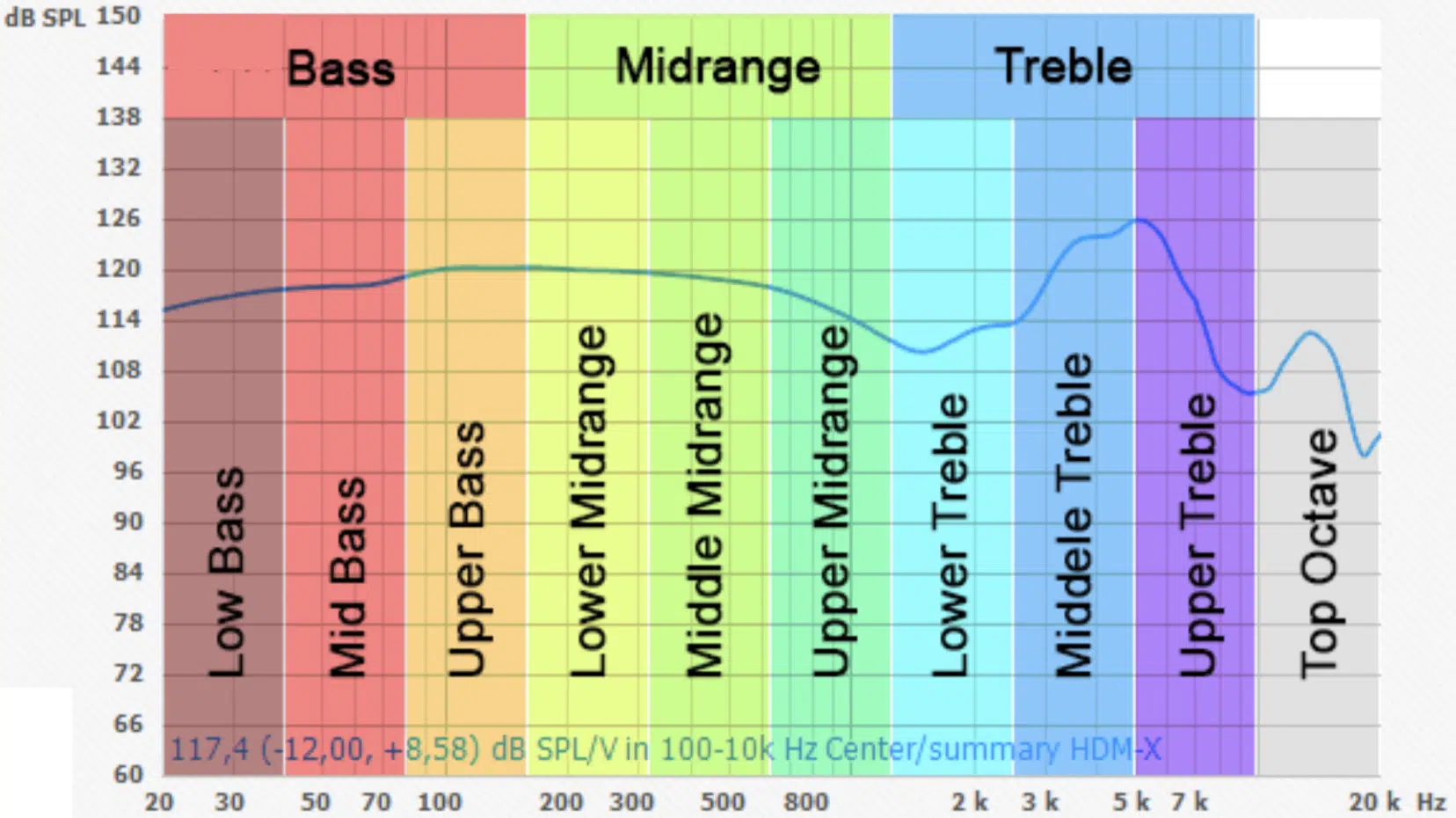
At its core, treble refers to the higher end of the human hearing range, typically spanning from 2,000 Hz (2 kHz) to 20,000 Hz (20 kHz). In the digital realm, capturing and reproducing these frequencies presents unique technological challenges that differ significantly from handling bass or mid-range tones.
The Nyquist-Shannon Sampling Theorem
To understand how treble is rendered in digital music, one must look at the Nyquist-Shannon sampling theorem. High-frequency sounds vibrate at an incredibly rapid pace. To capture a 20 kHz treble tone accurately, a digital recording must be sampled at least twice that frequency—hence the industry standard of 44.1 kHz for CDs. Technology has pushed this further with High-Resolution (Hi-Res) audio, utilizing sampling rates of 96 kHz or 192 kHz. This extra “headroom” allows for a more accurate reconstruction of the treble wave’s shape, reducing “aliasing” artifacts that can make high-pitched instruments like cymbals sound metallic or “crunchy.”
The Role of Bit Depth in Treble Clarity
While sampling rate dictates frequency, bit depth dictates the dynamic range and the “noise floor.” In treble music, where subtle nuances like the breath of a vocalist or the shimmer of a tambourine reside, 24-bit audio technology is transformative. By providing over 144 dB of dynamic range, 24-bit systems ensure that high-frequency details aren’t lost in the background hiss of the hardware, allowing for what engineers call “transparency.”
Harmonics and Overtones
Treble music is rarely just a single high note. Most musical instruments produce a fundamental frequency and a series of “overtones” or harmonics. A violin playing a mid-range note still produces significant treble energy through these harmonics. Modern audio software uses sophisticated algorithms to preserve these overtones, as they are what allow our brains to distinguish between a synthetic saw-tooth wave and a real Stradivarius.
Hardware Innovation: Reproducing the “Air”
Even the most perfect digital file requires specialized hardware to become audible. In the tech world, the “treble” component of a speaker system is known as the tweeter. Over the last decade, materials science has revolutionized how these components operate.
Tweeter Technology: From Silk to Diamond
The goal of a tweeter is to move back and forth tens of thousands of times per second without deforming. Standard tech uses silk or plastic domes, but high-end audio gadgets now utilize exotic materials like Beryllium, Ceramic, or even lab-grown Diamonds. These materials are incredibly rigid and lightweight, allowing them to vibrate at high frequencies with near-zero distortion. This technological precision is what creates the “airy” feel in high-quality treble music, where the sound feels like it exists in a three-dimensional space rather than coming from a box.
Electrostatic and Planar Magnetic Drivers
Beyond traditional dynamic drivers, the tech industry has seen a surge in Planar Magnetic and Electrostatic headphones. Unlike a cone that is pushed from the center, these use a thin film suspended in an electromagnetic field. Because the film is thinner than a human hair, it can react to high-frequency signals with lightning speed. For the user, this means “transient response”—the ability of the hardware to start and stop a sound instantly, which is vital for the crispness of treble-heavy genres.

The Impact of Modern DACs and Amps
The Digital-to-Analog Converter (DAC) is the unsung hero of treble reproduction. High-end DACs from companies like ESS Technology or AKM use “Oversampling” and “Digital Filtering” to remove high-frequency noise that occurs during the conversion process. Without these filters, treble music would sound harsh and fatiguing. Coupled with Class-A or high-quality Class-D amplifiers, these gadgets ensure that the delicate high-frequency signals have enough power to remain stable without clipping.
Software, AI, and the Future of Treble Optimization
We are currently moving away from static audio files toward “intelligent” audio. Software and Artificial Intelligence are now playing a massive role in how we perceive treble music, especially in the context of streaming and lossy compression.
AI-Driven Upscaling and Reconstruction
Lossy formats like MP3 and AAC often discard high-frequency data to save file size, as the human ear is less sensitive to treble than to the midrange. However, tech giants like Sony and Samsung have introduced AI-powered upscaling (such as DSEE Extreme). These algorithms analyze the music in real-time, identifying where treble information has been lost and using machine learning to “predict” and rebuild those high-frequency waves. The result is a richer, more detailed sound even from a low-bitrate stream.
Adaptive Equalization and Psychoacoustics
Modern True Wireless Stereo (TWS) earbuds, such as the Apple AirPods Pro or Sony WF-1000XM5, use internal microphones to perform “Adaptive EQ.” Because everyone’s ear canal is shaped differently, treble reflects differently for every person. These devices measure the sound bouncing off your eardrum and adjust the treble frequencies in real-time to ensure a flat, accurate response. This is a pinnacle of consumer audio tech, blending hardware sensors with software processing.
Spatial Audio and Treble Directionality
Treble is highly directional. While bass is omnidirectional (you can’t easily tell where it’s coming from), the human brain uses high-frequency cues to determine where a sound source is located in space. Technologies like Dolby Atmos and Sony 360 Reality Audio leverage this. By manipulating the timing and phase of treble frequencies, these software engines can trick the brain into thinking a sound is coming from above or behind the listener. This “Object-Based Audio” is the next frontier of treble music, turning a stereo experience into a holographic one.
Optimizing the Treble Experience: Calibration and Safety
As much as we chase the perfect high-frequency shimmer, technology also provides the tools to manage the inherent risks and limitations of treble music.
Digital Calibration Tools and Room Correction
For home theater enthusiasts and studio engineers, the “room” is often the enemy of treble. High frequencies reflect off hard surfaces like glass and wood, causing “phase cancellation” or harsh peaks. Tech solutions like Dirac Live or Sonarworks use calibrated microphones to “sweep” a room. The software then creates a custom EQ curve to neutralize these reflections, ensuring that the treble music remains clear and professional-grade regardless of the environment.
The “Treble Fatigue” Problem
One of the challenges in audio tech is “listener fatigue.” Excessive treble, or “bright” sound signatures, can cause physical discomfort over long periods. Modern DSP (Digital Signal Processing) now includes “De-esser” technology and “Soft-clipping” algorithms. These tools identify harsh sibilance (the ‘s’ and ‘t’ sounds in vocals) and intelligently round them off, allowing for high-detail listening without the strain.
Future Trends: Hearing Health Integration
As wearable tech becomes more integrated into our lives, we are seeing the rise of “Personalized Sound Profiles.” Apps can now perform a hearing test to see which frequencies the user is less sensitive to—often high-pitched treble lost due to age or noise exposure. The software then boosts only those specific frequencies. This tech-driven personalization ensures that “treble music” remains accessible and vibrant for a lifetime, bridging the gap between medical technology and consumer entertainment.
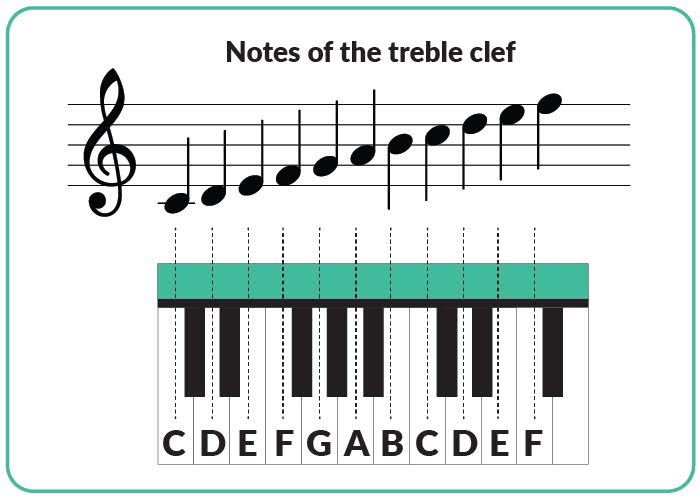
In conclusion, treble music is far more than just the high notes on a staff. It is the manifestation of cutting-edge technology, from the materials used in microscopic speaker membranes to the AI algorithms that reconstruct lost data. As we move further into the era of spatial computing and high-resolution streaming, our ability to capture, process, and reproduce these delicate high frequencies will continue to define the “gold standard” of the digital audio experience.
aViewFromTheCave is a participant in the Amazon Services LLC Associates Program, an affiliate advertising program designed to provide a means for sites to earn advertising fees by advertising and linking to Amazon.com. Amazon, the Amazon logo, AmazonSupply, and the AmazonSupply logo are trademarks of Amazon.com, Inc. or its affiliates. As an Amazon Associate we earn affiliate commissions from qualifying purchases.