
The tyre tread, often overlooked yet fundamentally critical, represents one of the most sophisticated feats of engineering in modern vehicle technology. Far more than just the patterned rubber on a tyre’s surface, the tread is a complex system designed to interact with the road, translating a vehicle’s power and steering inputs into tangible performance, safety, and efficiency. Understanding the intricacies of tyre tread involves delving into material science, aerodynamic principles, advanced computational design, and meticulous manufacturing processes. It is the primary interface between the vehicle and the road, dictating everything from grip in adverse conditions to braking distances and fuel economy.
The Fundamental Role of Tyre Tread
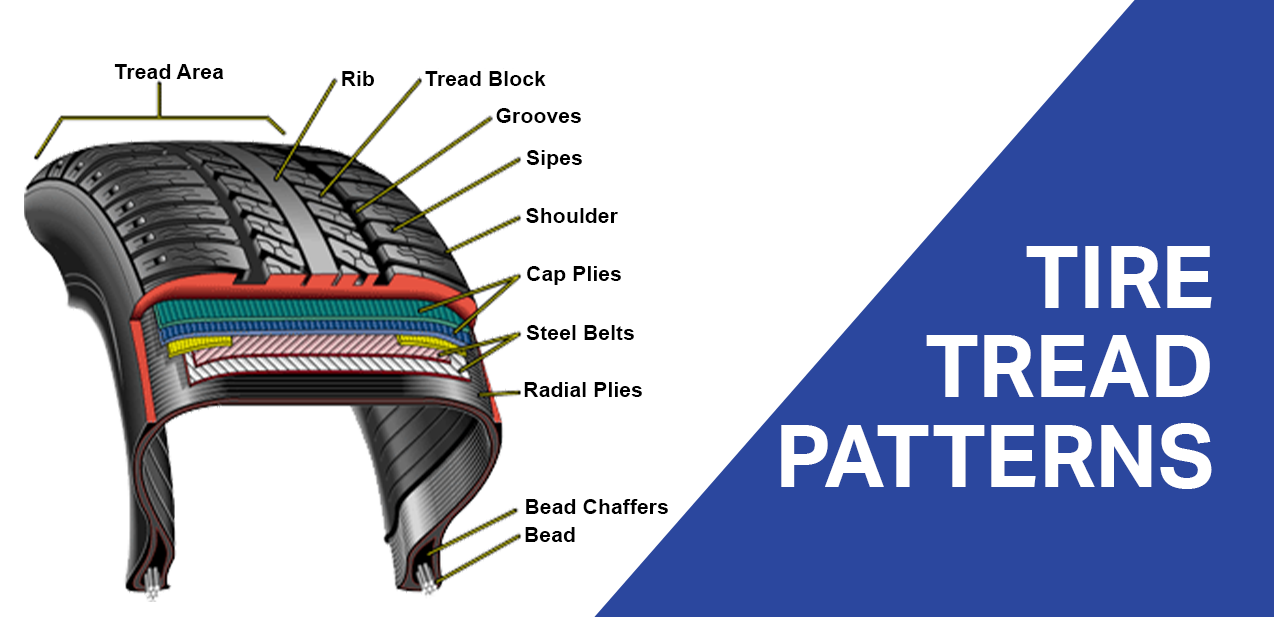
The patterned grooves and blocks that constitute a tyre’s tread are not arbitrary designs but carefully calculated elements, each serving a distinct purpose essential for vehicle dynamics and safety. Their collective function is to optimize the interaction between the tyre and the road surface under varying conditions.
Grip and Traction
The most immediate and intuitive function of tyre tread is to provide grip and traction. On dry surfaces, the rubber compound itself offers significant friction. However, the tread pattern enhances this by creating multiple biting edges and flexible blocks that conform to minor road irregularities, maximizing the contact patch. This mechanical interlock is crucial for acceleration, cornering, and maintaining control, especially when navigating complex turns or sudden maneuvers. Different tread patterns are engineered to optimize this grip for specific driving conditions, from the high-performance demands of sports cars to the rugged requirements of off-road vehicles.
Water Dispersion (Aquaplaning Prevention)
One of the tread’s most critical safety functions is to evacuate water from beneath the contact patch, preventing hydroplaning or aquaplaning. This phenomenon occurs when a layer of water builds up between the tyre and the road, causing the tyre to lose contact and the driver to lose steering control. The tread’s circumferential and lateral grooves act as channels, rapidly siphoning water away from the contact area. Wider, deeper grooves are typical in wet-weather tyres, while high-performance dry-weather tyres may have shallower grooves to maximize rubber-to-road contact. The precise geometry of these channels is often optimized using computational fluid dynamics (CFD) to ensure maximum water displacement at various speeds.
Braking Performance
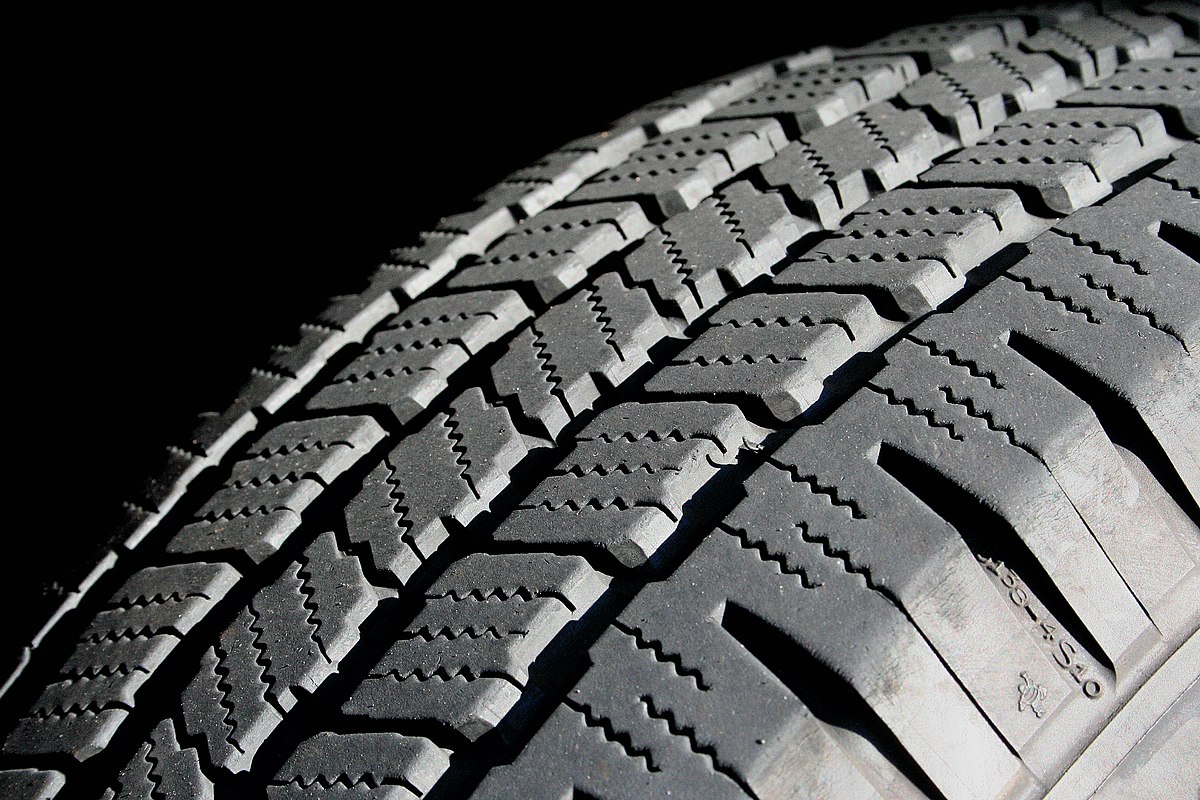
Effective braking relies heavily on the tyre’s ability to generate friction with the road surface. The tread pattern contributes significantly by providing stable contact and resisting deformation under the immense forces exerted during braking. The tread blocks are designed to maintain rigidity and grip, preventing squirming or excessive movement that could reduce the contact area. Sipes – small, thin slits within the tread blocks – further enhance braking performance by creating additional biting edges that grip the road surface, particularly on wet or icy roads, improving the vehicle’s ability to decelerate safely and quickly.
Handling and Stability
Beyond simple grip, the tread pattern profoundly influences a vehicle’s handling characteristics and overall stability. The stiffness and arrangement of the tread blocks, along with the flexibility of the tyre’s sidewall, determine how the tyre responds to steering inputs. A well-designed tread provides precise feedback to the driver, allows for predictable cornering, and minimizes unwanted flex or roll during aggressive maneuvers. This contributes to a sense of control and confidence, which is paramount for both everyday driving and high-performance applications.
Anatomy and Engineering of Tread Patterns
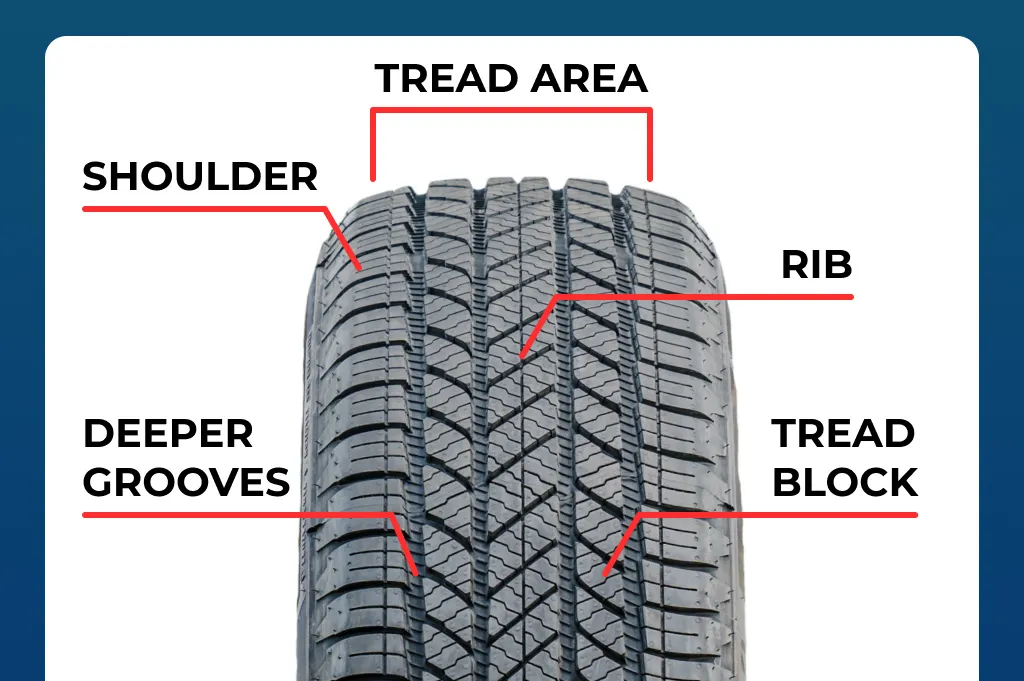
The visible patterns on a tyre’s surface are the result of extensive engineering, each design tailored to specific performance requirements and driving environments. These patterns are characterized by a combination of blocks, sipes, and grooves.
Ribbed Tread Patterns
Ribbed patterns feature continuous circumferential ribs around the tyre. These are excellent for straight-line stability, low rolling resistance, and effective water dispersal along the length of the tyre. Commonly found on truck tyres or economy passenger car tyres, they excel on highways, offering quiet operation and good fuel efficiency.
Lug Tread Patterns
In contrast to ribbed designs, lug patterns consist of independent blocks or lugs that extend across the tread face. These are designed to maximize traction in soft conditions like mud, snow, or gravel, as the distinct blocks bite into the loose surface. They are prevalent in off-road and winter tyres, though they tend to generate more road noise and higher rolling resistance on paved surfaces.
Block Tread Patterns
A hybrid of ribbed and lug, block patterns feature a series of independent blocks separated by grooves. This design offers a balance of grip on various surfaces and improved water evacuation compared to purely ribbed designs. Many all-season passenger car tyres utilize block patterns, often with varied block sizes and shapes to optimize performance across a range of conditions.
Asymmetric Tread Patterns
Asymmetric patterns feature different designs on the inner and outer halves of the tyre tread. The outer side is often designed for dry grip and cornering stability, featuring larger, stiffer blocks. The inner side focuses on water evacuation with more sipes and grooves. This allows the tyre to excel in both wet and dry conditions, making them popular for performance and touring vehicles. These tyres must be mounted correctly, ensuring the designated “outside” is indeed facing outwards.
Directional Tread Patterns
Directional patterns have a V-shaped or arrow-like design, meaning they are engineered to rotate in only one direction. This design is highly effective at channeling water away from the contact patch at speed, making them excellent for wet traction and hydroplaning resistance. They also often provide enhanced straight-line stability and braking performance. Commonly found on high-performance tyres and some winter tyres, they must be mounted with the correct rotational direction.
Sipes and Grooves: The Micro-Architecture
Beyond the macro-patterns, the micro-architecture of sipes and grooves is crucial. Grooves are the larger channels that define the main tread pattern and primarily evacuate water. Sipes are the smaller, razor-thin slits cut into the tread blocks. While they don’t channel large volumes of water, sipes provide thousands of additional biting edges, significantly enhancing grip on wet, icy, or snowy surfaces. They also allow tread blocks to flex and deform more easily, improving contact with uneven surfaces and aiding in heat dissipation. Advanced sipes can be 3D or interlocking, designed to provide stability to the tread block while still offering the biting edges.
Tread Compound Technology and Performance
The physical design of the tread pattern is only one half of the equation; the other, equally critical aspect, is the advanced material science behind the rubber compound itself. Modern tyre compounds are sophisticated blends engineered to meet a complex array of performance demands.
Rubber Compounds: A Blend of Science
Tyre treads are not made from simple natural rubber alone. They are intricate composites combining natural rubber, synthetic rubbers (such as styrene-butadiene rubber or polybutadiene), carbon black, silica, oils, resins, and various chemical additives. Each ingredient plays a vital role:
- Silica: Often replacing some carbon black, silica improves wet grip and reduces rolling resistance, leading to better fuel economy. Its interaction with specific polymers is a key area of research.
- Polymers: Different synthetic rubbers provide specific characteristics, such as resistance to abrasion, elasticity at low temperatures, or high-temperature stability.
- Carbon Black: Primarily used for strengthening the rubber and providing abrasion resistance, it also influences heat dissipation.
The precise formulation of these ingredients allows engineers to fine-tune properties like hardness, flexibility, heat generation, and resistance to wear, directly impacting a tyre’s performance envelope.
Optimizing for Conditions: Summer, Winter, All-Season
The compound’s properties are specifically tailored for different operating temperatures and conditions:
- Summer Tyres: Feature harder compounds designed for optimal performance in warmer temperatures. They offer excellent dry grip, precise handling, and often superior braking on dry and moderately wet roads, but their performance deteriorates rapidly in cold weather.
- Winter Tyres: Utilize softer, more flexible rubber compounds that remain pliable in freezing temperatures (below 7°C or 45°F). These compounds, often combined with aggressive siping, allow the tyre to grip snow, ice, and cold wet roads more effectively than summer or all-season tyres.
- All-Season Tyres: Aim to strike a balance, offering acceptable performance across a wider range of temperatures. Their compounds are designed to remain flexible in mild cold but are not as effective as dedicated winter tyres in severe snow and ice, nor as sharp as summer tyres in hot, dry conditions.
Rolling Resistance and Fuel Efficiency
Rolling resistance refers to the force required to keep a tyre moving. The tread compound plays a significant role in this. A compound that generates less internal friction and deforms less as it rolls will have lower rolling resistance. Tyres with lower rolling resistance contribute to better fuel efficiency and reduced CO2 emissions, a key focus for modern tyre development. The challenge lies in reducing rolling resistance without compromising critical safety aspects like wet grip and braking performance, often achieved through advanced silica compounds and optimized tread block geometries that minimize energy loss.
The Digital Evolution of Tread Design
The design and optimization of tyre treads have been revolutionized by digital technology, moving far beyond traditional prototyping and testing. Computer-aided tools now enable rapid iteration, precise simulation, and the exploration of design spaces previously unimaginable.
Computer-Aided Design (CAD) and Simulation
Modern tyre tread design begins in the digital realm with Computer-Aided Design (CAD) software. Engineers create intricate 3D models of tread patterns, allowing them to visualize and modify designs with unprecedented precision. These CAD models are then fed into sophisticated simulation software, including Finite Element Analysis (FEA) and Computational Fluid Dynamics (CFD). FEA allows engineers to predict how tread blocks will deform under various loads, temperatures, and speeds, assessing stress distribution, wear patterns, and noise generation. CFD, on the other hand, simulates water flow through the tread grooves, optimizing patterns for maximum water evacuation and aquaplaning resistance. This digital prototyping significantly reduces the need for expensive physical prototypes and accelerates the development cycle.
Predictive Analytics for Wear and Performance
Beyond initial design, predictive analytics plays an increasingly important role in understanding tread performance over its lifecycle. Data from real-world usage, track testing, and extensive simulations is fed into algorithms to predict wear rates, identify optimal rotation schedules, and even forecast performance degradation. This data-driven approach helps manufacturers refine future tread designs, extend tyre life, and enhance consistent performance across different driving styles and environments. Machine learning models can analyze vast datasets to identify subtle relationships between tread geometry, compound properties, and long-term performance metrics.
Smart Tyres and Integrated Sensors
The concept of “smart tyres” represents the cutting edge of tread technology. These tyres incorporate integrated sensors directly within the tread or sidewall. These sensors can continuously monitor critical parameters such as tyre pressure, temperature, and even tread depth in real-time. Data collected by these sensors can be transmitted wirelessly to the vehicle’s onboard systems or a smartphone app, providing drivers with vital information for safety and maintenance. Future iterations aim to provide even more granular data, such as real-time grip levels, road surface conditions, and precise wear indicators, allowing the vehicle’s control systems to dynamically adjust for optimal performance and preventing potential hazards before they occur. This level of integration transforms the tyre from a passive component into an active data-gathering and performance-optimizing system.
Maintaining Tread for Optimal Performance and Safety
Even the most technologically advanced tyre tread requires proper maintenance to deliver its intended performance and safety benefits throughout its lifespan. Neglecting tread care can lead to reduced grip, increased braking distances, poor handling, and premature tyre failure.
Tread Depth Measurement
Tread depth is a direct indicator of a tyre’s remaining life and its ability to perform, particularly in wet conditions. As the tread wears down, the grooves become shallower, significantly reducing the tyre’s capacity to evacuate water and increasing the risk of aquaplaning. Legal minimum tread depths vary by region, but typically range from 1.6mm to 2mm (2/32nds of an inch). Many tyres incorporate tread wear indicators (small bars within the main grooves) that become flush with the tread surface when the minimum depth is reached. Regular measurement with a dedicated tread depth gauge is crucial for safe operation.
Recognizing Uneven Wear
Uneven tread wear patterns can signal underlying issues with the vehicle or improper tyre maintenance.
- Centre Wear: Often indicates overinflation, where the centre of the tread bears most of the load.
- Shoulder Wear (Edge Wear): Typically results from underinflation, causing the tyre’s edges to bear excessive load and flex.
- Feathering/Sawtooth Wear: Can point to alignment issues or improper toe settings, where the tread blocks are scrubbed unevenly across the surface.
- Cupping/Scalloping: Often indicates worn suspension components or out-of-balance tyres, leading to irregular depressions around the tread.
Identifying and addressing these wear patterns not only extends tyre life but also rectifies mechanical problems that could compromise handling and safety.
The Impact of Proper Inflation
Maintaining correct tyre inflation pressure is perhaps the simplest yet most effective way to preserve tread life and ensure optimal performance. Incorrect pressure, either over- or under-inflation, distorts the tyre’s contact patch, leading to uneven wear as described above. Under-inflation also increases rolling resistance, generates excessive heat, and can lead to structural damage or even blowouts. Over-inflation reduces the contact patch, leading to less grip and a harsher ride, while also making the tyre more susceptible to impact damage. Adhering to the manufacturer’s recommended tyre pressures (usually found on a sticker inside the driver’s door jamb or in the owner’s manual) is fundamental to maximizing the engineering brilliance embedded within every tyre tread.
aViewFromTheCave is a participant in the Amazon Services LLC Associates Program, an affiliate advertising program designed to provide a means for sites to earn advertising fees by advertising and linking to Amazon.com. Amazon, the Amazon logo, AmazonSupply, and the AmazonSupply logo are trademarks of Amazon.com, Inc. or its affiliates. As an Amazon Associate we earn affiliate commissions from qualifying purchases.