
In the dynamic landscape of business and personal development, few concepts hold as much profound significance as the “trait.” Far from a mere dictionary definition, a trait, in the context of branding – be it corporate or personal – is the very bedrock of identity, differentiation, and perception. It is the distinguishing characteristic, the inherent quality, or the consistent pattern of behavior that defines who or what a brand is, how it behaves, and how it is ultimately perceived by its audience. For businesses, understanding and strategically cultivating traits is paramount to carving out a unique market position, fostering customer loyalty, and building enduring equity. For individuals, identifying and leveraging personal traits is the key to authentic self-expression, career advancement, and impactful leadership. This article delves into the essence of traits within the branding sphere, exploring their manifestation, strategic importance, and the methodologies for their identification and cultivation.
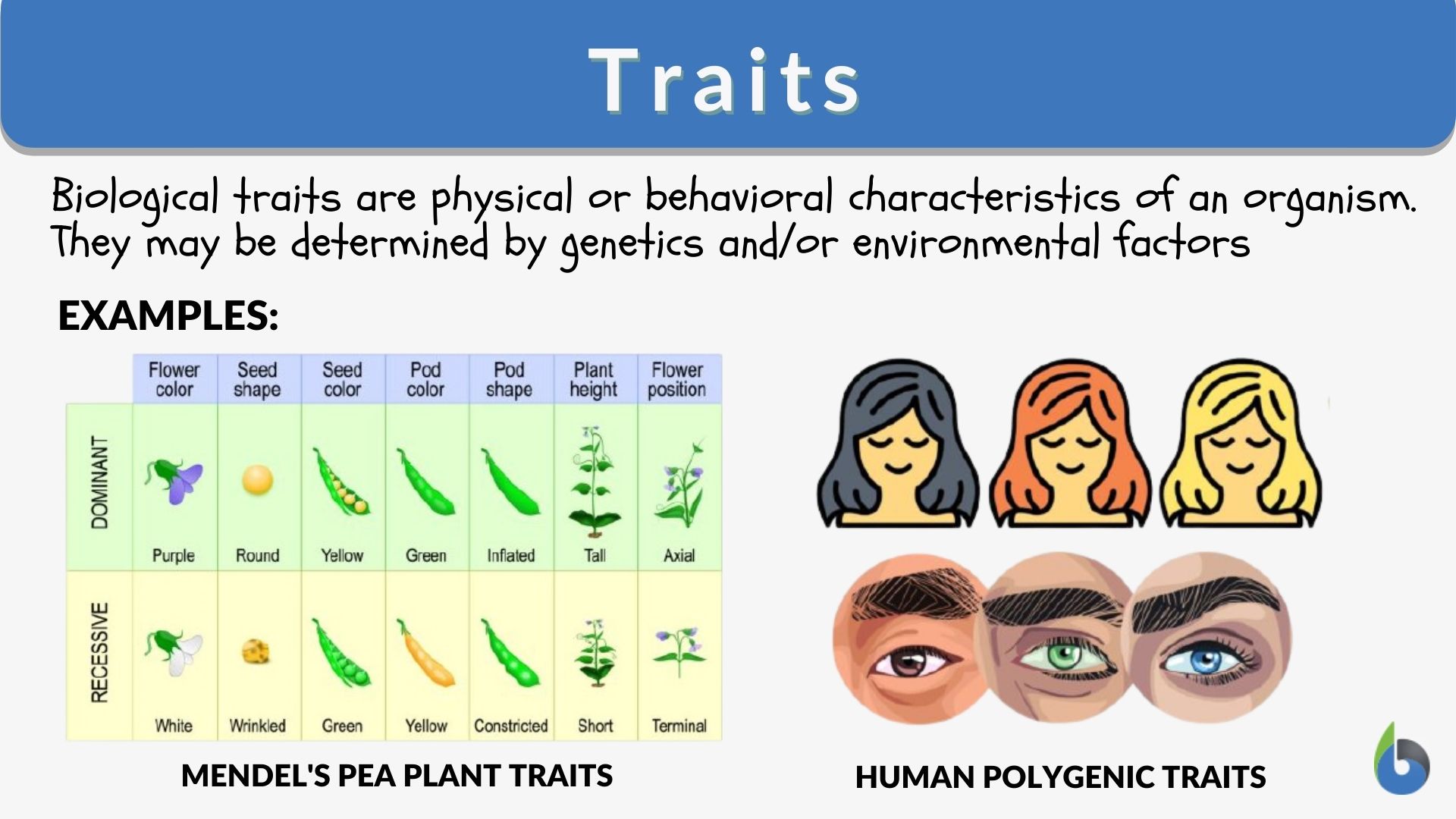
The Essence of ‘Trait’ in Branding
At its core, a trait in branding is more than just a descriptor; it’s a foundational element that shapes identity and influences perception. It’s what makes a brand recognizable, memorable, and relatable in a crowded marketplace.
Defining Traits Beyond the Dictionary
While a dictionary might define a trait as a distinguishing quality or characteristic, in branding, its meaning expands to encompass a blend of tangible and intangible attributes. Tangible traits might include a brand’s unique product features, its distinctive visual identity (logo, color palette), or its specific communication style (e.g., witty, authoritative, empathetic). Intangible traits, on the other hand, delve deeper into the brand’s personality, values, and emotional resonance. These could be trustworthiness, innovation, sustainability, luxury, or a sense of community. It’s the synthesis of these tangible and intangible elements that crafts a holistic brand experience and forms a cohesive perception in the minds of consumers. For instance, Apple’s traits aren’t just sleek design and intuitive user interfaces (tangible); they also embody innovation, premium quality, and a sense of creative empowerment (intangible). These combined traits create a powerful and distinct brand identity.
Traits as Differentiators
In today’s hyper-competitive global economy, differentiation is not just an advantage; it’s a survival imperative. Brands often operate in highly saturated markets where products or services can appear ostensibly similar. It is here that distinct traits emerge as critical differentiators. A brand’s unique combination of traits sets it apart from competitors, giving it a distinctive voice and a memorable identity. Consider two coffee brands: one might lean into traits of “artisanal craftsmanship” and “ethical sourcing,” while another emphasizes “convenience” and “energy boost.” Though both sell coffee, their underlying traits guide their marketing, product development, and customer engagement strategies, attracting different segments of the market. Without clearly defined and consistently communicated traits, a brand risks blending into the background, becoming just another option in a sea of choices. These unique traits become the competitive edge, the reason why a customer chooses one brand over another, even if the functional benefits appear similar.
The Dual Nature: Internal and External Traits
Understanding traits requires acknowledging their dual nature: internal and external. Internal traits are the intrinsic qualities that reside at the core of an organization or individual. For a company, these manifest as its mission statement, core values, company culture, leadership philosophy, and the ethos that drives its operations. A company committed to “innovation” as an internal trait will foster a culture of experimentation, invest in R&D, and empower employees to challenge the status quo. For an individual, internal traits are their core beliefs, moral compass, passions, and inherent personality attributes. These internal traits form the authentic foundation upon which external expressions are built.
External traits, conversely, are how these internal qualities are communicated and perceived by the outside world. These include a brand’s visual identity (logo, branding guidelines), its communication style and messaging, its customer service experience, its product design, and its overall public persona. The external traits are the touchpoints through which the audience experiences and interprets the brand. A brand with an internal trait of “reliability” must consistently deliver products that perform well, offer responsive customer support, and communicate in a trustworthy manner externally. The synergy between internal and external traits is crucial: a disconnect can lead to a perception of inauthenticity, eroding trust and damaging brand equity. An effective brand ensures that its external manifestation is a true reflection of its internal values and character.
Decoding Brand Personality: Traits in Action
Brand personality, often described as the human characteristics attributed to a brand, is directly shaped by its collection of traits. These traits, when strategically developed and consistently applied, give a brand a distinctive voice and a relatable persona that resonates with its target audience.
Archetypes and Brand Traits
To simplify the complex task of defining brand personality, many marketers turn to frameworks like Jungian archetypes. These universal, primal patterns of human experience (e.g., The Innocent, The Sage, The Hero, The Lover, The Explorer) provide a shorthand for understanding and communicating a brand’s core traits. For example, a brand aligning with The Hero archetype might exhibit traits of courage, determination, and advocacy, positioning itself as a challenger that helps customers overcome obstacles (e.g., Nike). A brand embodying The Sage might exhibit traits of wisdom, authority, and thoughtfulness, positioning itself as a reliable source of information and guidance (e.g., Google, academic institutions). By mapping brand traits to archetypes, brands can quickly establish a relatable personality that taps into universal human understanding, making it easier for audiences to connect and identify with them on an emotional level. This framework provides a strategic starting point for developing a consistent and compelling brand narrative built on identifiable traits.
From Attributes to Emotional Resonance
While functional attributes describe what a product or service does (e.g., “this car is fuel-efficient”), brand traits, particularly the intangible ones, create emotional resonance – what the brand feels like. The most successful brands skillfully bridge the gap between tangible attributes and emotional traits. A car brand might highlight its fuel efficiency (attribute) but couple it with traits of “environmental responsibility” or “smart living” (emotional resonance). This combination moves beyond mere utility to evoke deeper feelings and values in the consumer. When a brand’s traits tap into a consumer’s aspirations, values, or identity, it fosters a stronger, more lasting connection than purely functional benefits ever could. The product becomes a vessel for an experience, a statement, or a feeling. This emotional bond, forged through consistent manifestation of key traits, is what drives loyalty and advocacy.
Consistency: The Bedrock of Trait Perception
The power of brand traits lies in their consistency. Every interaction a customer has with a brand – from its advertisements and social media presence to its product packaging and customer service – must reinforce the same set of core traits. Inconsistency can lead to confusion, dilute the brand’s message, and ultimately erode trust. Imagine a luxury brand (trait: exclusivity, elegance) suddenly running a bargain-basement sale with aggressive, discount-oriented messaging; this abrupt shift would contradict its established traits and likely alienate its loyal customer base. Consistency in trait manifestation builds predictability and reliability, which are critical for establishing trust and forming strong brand associations. It ensures that the brand’s identity is solidified in the public consciousness, creating a clear and unwavering perception. This doesn’t mean a brand can’t evolve, but any evolution must be a logical extension or refinement of its existing core traits, not a sudden, contradictory pivot.
Personal Branding: Unearthing Your Unique Traits
Beyond corporate entities, the concept of traits is equally, if not more, critical in the realm of personal branding. In an increasingly connected world, individuals are constantly projecting an image, whether intentionally or not. Understanding and articulating one’s personal traits is foundational to building an authentic, impactful personal brand.
Self-Discovery: Identifying Core Personal Traits
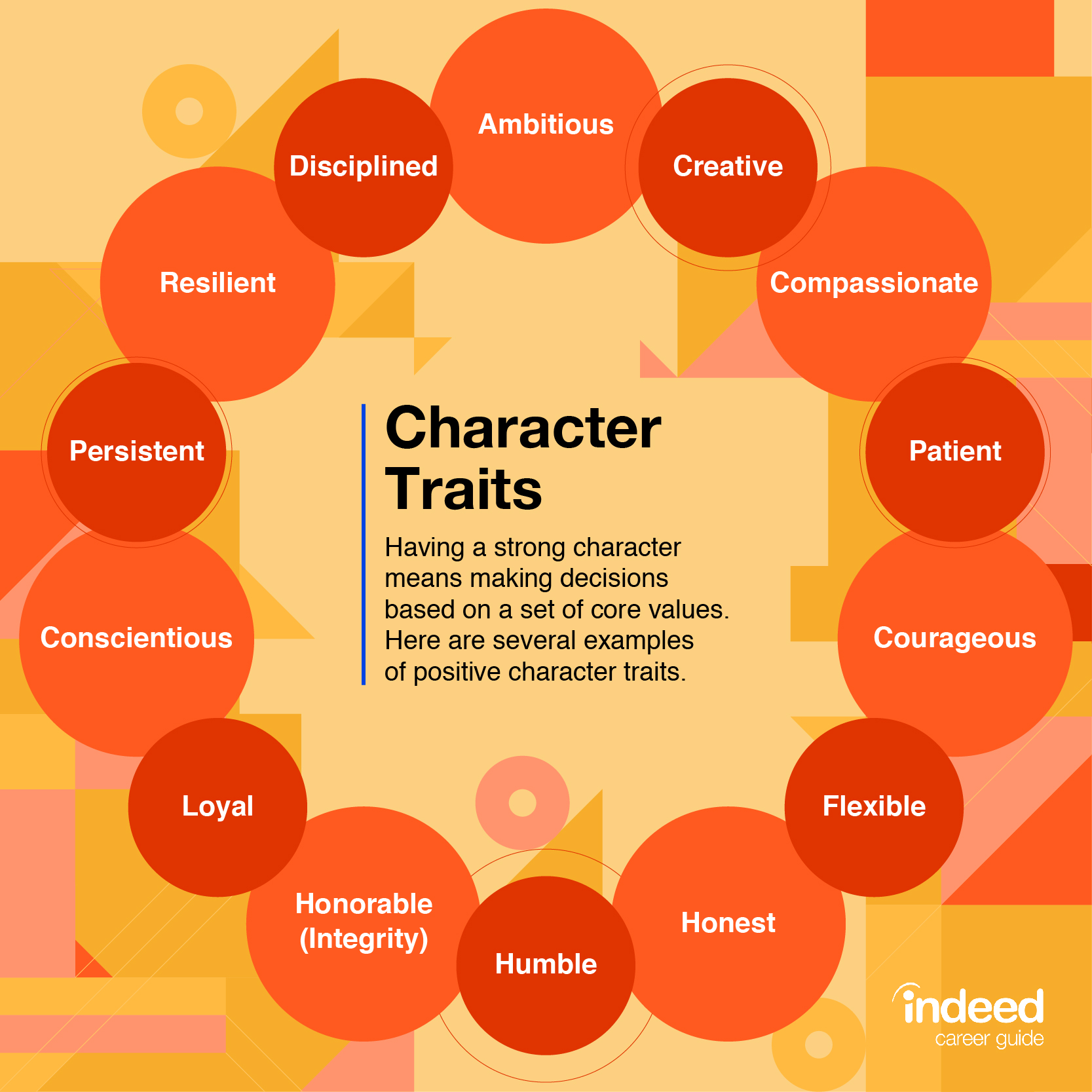
The journey of personal branding begins with profound self-discovery. Identifying core personal traits requires introspection, honest self-assessment, and often, external feedback. What are your inherent strengths? What values do you consistently uphold? How do you naturally approach challenges? What unique skills or perspectives do you bring to the table? Tools like personality assessments (e.g., Myers-Briggs, StrengthsFinder), journaling, and soliciting feedback from trusted colleagues, mentors, and friends can be invaluable. This process helps to unearth the recurring patterns of thought, emotion, and behavior that truly define you. Are you innovative, empathetic, analytical, resilient, charismatic, or detail-oriented? Identifying these core traits provides the raw material for crafting an authentic personal brand. It’s about understanding your genuine self before presenting it to the world.
Crafting Your Personal Brand Narrative
Once core traits are identified, the next step is to weave them into a compelling personal brand narrative. This narrative isn’t just a list of attributes; it’s a story that explains who you are, what you stand for, and what unique value you offer. It connects your traits to your experiences, aspirations, and professional goals. For example, if “problem-solving” and “empathy” are your key traits, your narrative might highlight instances where you successfully navigated complex challenges while prioritizing human-centric solutions. This narrative should be consistent across all your personal branding touchpoints: your LinkedIn profile, professional website, resume, cover letters, and even your elevator pitch. A well-crafted narrative makes your traits come alive, making you memorable and relatable to recruiters, clients, and networking contacts. It transforms abstract qualities into a tangible, engaging story of your professional identity.
Leveraging Traits for Career Advancement and Influence
Actively leveraging your identified traits is crucial for career advancement and establishing influence. In job interviews, don’t just state your traits; provide behavioral examples that demonstrate them. If “leadership” is a trait, describe a situation where you effectively led a team through a difficult project. In networking, let your authentic traits guide your interactions, fostering genuine connections rather than superficial exchanges. Online, curate your digital presence to consistently reflect your core traits; your social media posts, articles, and comments should align with the persona you wish to project. For leaders, embodying and communicating core traits (e.g., integrity, vision, decisiveness) inspires confidence and motivates teams. By consciously and consistently expressing your unique traits, you build a reputation, enhance your credibility, and position yourself as a valuable asset within your industry or field.
Strategic Trait Development for Corporate Identity
For businesses, strategic trait development is a deliberate, ongoing process that underpins the entire corporate identity. It’s about consciously shaping how the organization is perceived both internally and externally.
Aligning Traits with Business Objectives
The traits chosen for a corporate identity must be strategically aligned with overall business objectives and market positioning. If the objective is to be a disruptive innovator in a traditional industry, then traits like “boldness,” “forward-thinking,” and “agility” would be paramount. Conversely, if the goal is to be a trusted, stable provider of essential services, traits such as “reliability,” “security,” and “dependability” would take precedence. This alignment ensures that every branding effort, marketing campaign, and product development decision contributes to a coherent and purposeful corporate identity. Traits are not arbitrary; they are carefully selected to support the brand’s strategic direction and help it achieve its commercial goals by attracting the right customers and talent. A disconnect here can lead to wasted marketing efforts and a confused market perception.
The Role of Culture in Trait Manifestation
A brand’s internal culture is the fertile ground from which its external traits organically grow. It’s virtually impossible for a company to authentically project traits like “customer-centricity” or “innovation” if its internal culture does not genuinely embody these values. Employees are the primary ambassadors of a brand’s traits. If a company values “collaboration,” its internal culture should foster teamwork, open communication, and shared goals. If “excellence” is a key trait, the culture should promote continuous learning, high standards, and recognition for quality work. Therefore, trait development is not just a marketing exercise; it’s a deep dive into organizational behavior and values. Investing in culture-building initiatives that reinforce desired traits ensures that the brand’s promise is delivered consistently at every level, from employee interactions to customer service and product delivery. A strong, trait-aligned culture transforms employees into brand advocates, making the external projection of traits more authentic and powerful.
Measuring and Evolving Brand Traits
Developing traits is not a one-time activity; it’s an iterative process that requires continuous monitoring and occasional evolution. Brands must regularly assess if their intended traits are being perceived as desired by their target audience. This can involve market research, brand perception studies, sentiment analysis of social media, and customer feedback. Are customers associating the brand with the values and characteristics it aims to embody? Is the competition gaining ground on certain trait associations? Based on these insights, brands may need to refine their messaging, adjust their visual identity, or even pivot certain aspects of their business operations to better align with their desired traits. While core traits should remain relatively stable, secondary traits can evolve in response to market shifts, technological advancements, or changing consumer preferences. This dynamic approach ensures that the corporate identity remains relevant, resonant, and effective over time.
The Future of Trait-Based Branding
As the world continues to digitalize and consumer expectations evolve, the role of traits in branding is becoming even more pronounced, albeit with new dimensions and demands.
Authenticity and Transparency in a Digital Age
In an era of hyper-connectivity and pervasive social media, authenticity and transparency have transcended buzzwords to become non-negotiable brand traits. Consumers are more discerning and skeptical than ever before; they crave genuine connections and can quickly detect incongruence between a brand’s proclaimed traits and its actual behavior. Brands that genuinely embody traits like “integrity,” “social responsibility,” and “transparency” – and demonstrate them through actions, not just words – will build deeper trust and loyalty. Conversely, brands that feign these traits or fail to live up to their promises risk severe reputational damage in a world where information spreads instantaneously. The future demands that a brand’s traits are not just aspirational but deeply embedded in its DNA, openly accessible and verifiable by its audience.
AI and Data-Driven Trait Analysis
The advent of Artificial Intelligence and advanced data analytics is revolutionizing how brands understand and optimize their traits. AI tools can now analyze vast amounts of data – customer interactions, social media conversations, market trends, competitor analysis – to identify emerging trait preferences, track brand perception in real-time, and even predict the impact of certain trait associations. This data-driven approach allows brands to make more informed decisions about which traits to emphasize, how to refine their messaging, and where there are gaps between desired and perceived traits. While human intuition and creativity remain vital, AI provides powerful insights that can help brands build more resonant and effective trait-based identities with unprecedented precision and agility. It moves trait analysis from guesswork to a science.
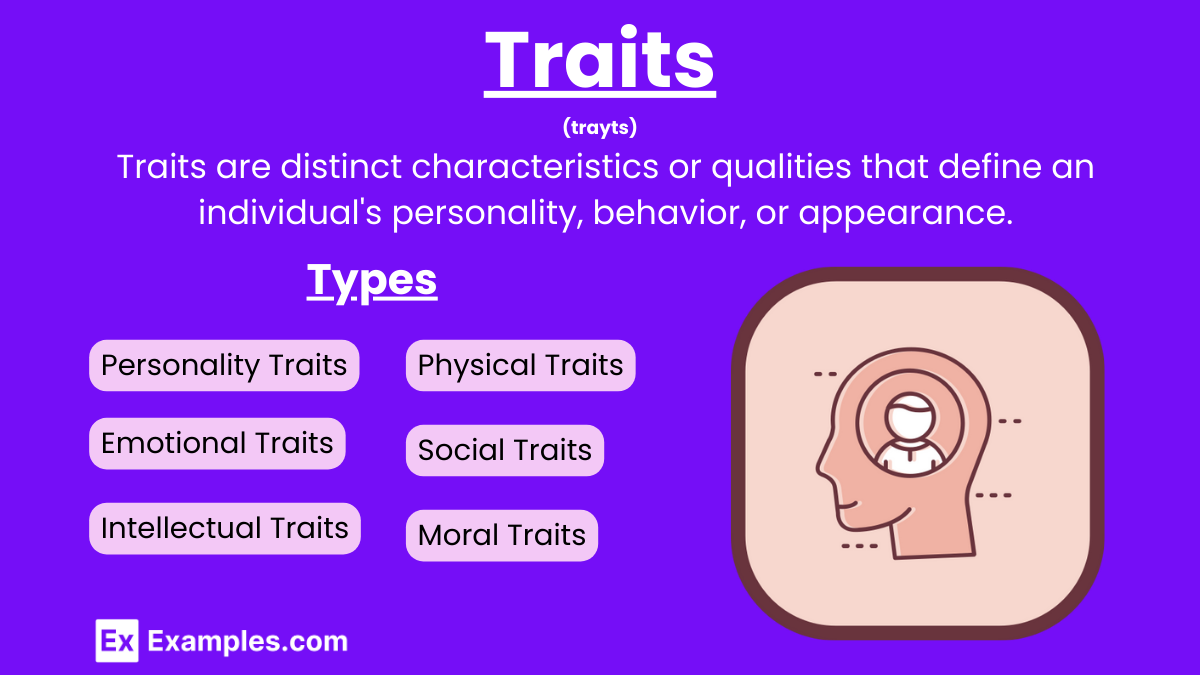
Building Brands for a Dynamic World
The modern marketplace is characterized by rapid change, technological disruption, and shifting cultural norms. In this dynamic environment, brands need to build identities that are both anchored by strong core traits and flexible enough to adapt. While core traits like “quality” or “innovation” might remain steadfast, the manifestation and emphasis of secondary traits might need to evolve. For example, a brand known for “exclusivity” might need to explore traits like “inclusivity” or “sustainability” to remain relevant to a new generation of consumers without diluting its core essence. The future of trait-based branding lies in cultivating a foundational set of timeless characteristics while maintaining the agility to selectively highlight and develop new traits that resonate with an ever-changing world, ensuring enduring relevance and impact.
In conclusion, a “trait” is far more than a simple characteristic; it is the fundamental building block of identity and perception in branding. Whether defining a corporate giant or an individual’s personal brand, understanding, articulating, and consistently manifesting core traits is paramount for establishing differentiation, fostering emotional connection, and driving sustained success. In a world clamoring for authenticity and meaning, the strategic cultivation of genuine and resonant traits will continue to be the most powerful tool for brands seeking to leave an indelible mark.
aViewFromTheCave is a participant in the Amazon Services LLC Associates Program, an affiliate advertising program designed to provide a means for sites to earn advertising fees by advertising and linking to Amazon.com. Amazon, the Amazon logo, AmazonSupply, and the AmazonSupply logo are trademarks of Amazon.com, Inc. or its affiliates. As an Amazon Associate we earn affiliate commissions from qualifying purchases.