
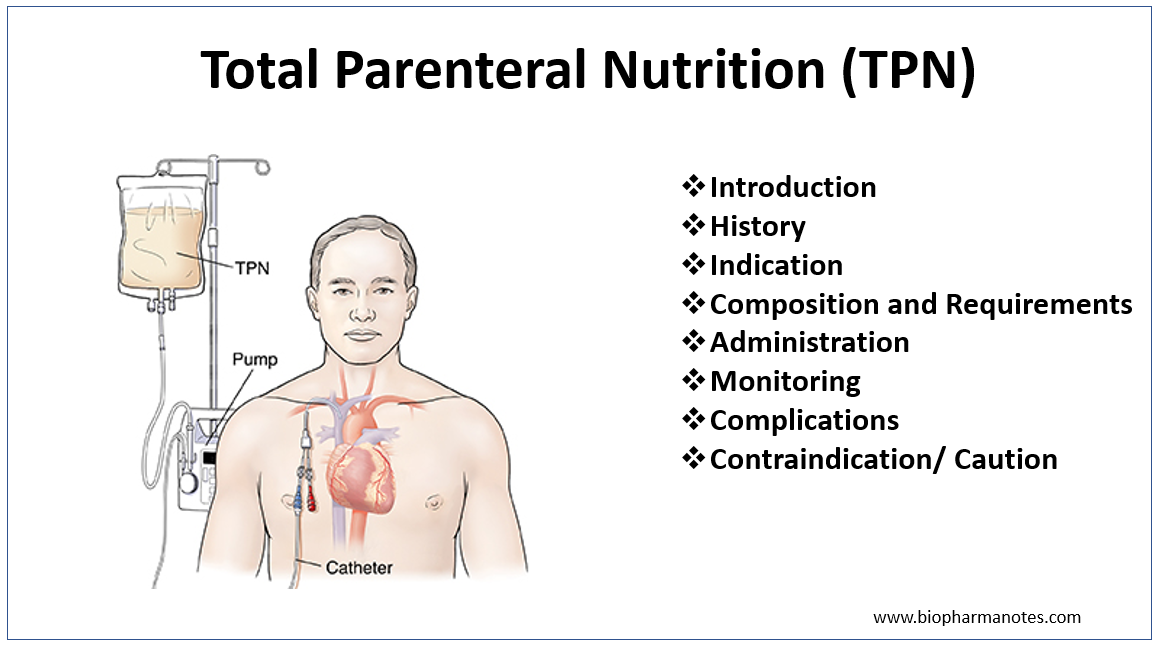
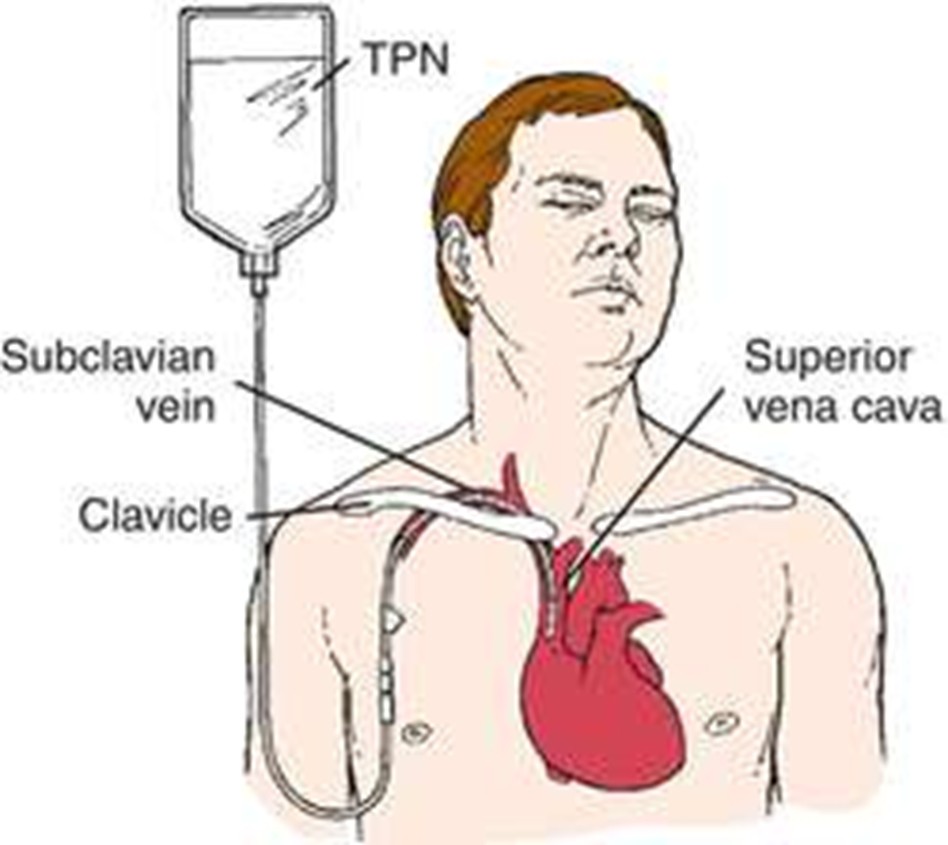
Total Parenteral Nutrition (TPN), in its simplest medical terms, refers to the intravenous administration of nutrients to patients who cannot adequately absorb or digest food via the gastrointestinal tract. This life-sustaining medical intervention delivers essential components like carbohydrates, proteins, fats, vitamins, and minerals directly into the bloodstream, bypassing the digestive system entirely. While the core concept of nutrient delivery is biological, the evolution and precision of TPN administration in modern healthcare are profoundly rooted in technological innovation. Without a sophisticated array of digital and mechanical tools, the safe, effective, and customized delivery of TPN to millions of patients globally would be virtually impossible. This article delves into the technological frameworks that enable and enhance TPN, transforming it from a mere medical concept into a highly precise, digitally managed therapy.
The Core Technology of TPN Administration: Precision and Personalization
The delivery of TPN is a delicate balancing act, requiring exact nutrient formulations tailored to individual patient needs and administered with unwavering accuracy. This complexity necessitates advanced technological solutions, which have become indispensable in contemporary clinical practice.
Smart Infusion Pumps: Guardians of Dosage Accuracy and Patient Safety
At the forefront of TPN administration technology are smart infusion pumps. These sophisticated devices are a far cry from their rudimentary predecessors, offering a confluence of precision, programmability, and critical safety features. Unlike basic pumps, smart pumps integrate Dose Error Reduction Systems (DERS), which contain a drug library with predefined concentration limits and common dosages for various medications, including TPN components. This library acts as an electronic guardian, alerting clinicians to potential programming errors that could lead to under- or over-infusion, a critical safeguard when dealing with highly concentrated nutrient solutions.
Beyond safety, modern smart pumps are often Wi-Fi enabled, allowing for seamless integration with hospital electronic health records (EHRs) and pharmacy systems. This connectivity facilitates automated programming of infusion parameters directly from physician orders, reducing manual transcription errors. They can also transmit real-time infusion data back to central monitoring stations, enabling clinicians to remotely track patient progress and quickly identify any deviations or alarms. The ability to program complex infusion profiles—such as variable rates over 24 hours to mimic natural diurnal metabolic rhythms—further underscores the technological prowess of these devices, optimizing nutrient assimilation and reducing metabolic stress.
Automated Compounding Systems: Manufacturing Personalized Nutrition
The personalized nature of TPN means that each patient’s nutritional solution is often unique, requiring precise mixtures of macronutrients and micronutrients. Manually compounding these solutions in a pharmacy cleanroom is not only labor-intensive and prone to human error but also carries a higher risk of microbial contamination. This challenge has been largely overcome by the advent of automated compounding systems, which represent a significant technological leap in sterile pharmaceutical preparation.
These robotic or semi-robotic systems are programmed to accurately measure and combine individual ingredients into a single TPN bag according to the precise formulation dictated by a physician’s order. They employ gravimetric or volumetric methods with high accuracy, ensuring that each dose of dextrose, amino acids, lipids, electrolytes, vitamins, and trace elements is exact. The entire process occurs within a closed, sterile environment, often a laminar airflow hood or isolator, drastically reducing the risk of contamination. Furthermore, these systems often include barcode scanning technology to verify ingredient identification, lot numbers, and expiry dates, adding another layer of safety. The audit trails generated by these systems also provide comprehensive documentation for quality control and regulatory compliance, ensuring traceability and accountability in the manufacturing of these critical personalized medications.
Digital Tools for TPN Management and Monitoring: Enhancing Clinical Oversight
Beyond the immediate mechanics of preparation and delivery, the effective management of TPN relies heavily on sophisticated digital tools that integrate patient data, support clinical decision-making, and facilitate ongoing monitoring.
Electronic Health Records (EHRs) and Clinical Decision Support: Integrated Intelligence
Electronic Health Records (EHRs) are the central nervous system of modern healthcare, and their role in TPN management is pivotal. Within an EHR system, TPN orders are entered digitally, immediately accessible to pharmacists for verification and to nurses for administration. The system integrates vital patient information, including current laboratory values (e.g., electrolytes, glucose, liver function tests), fluid balance, and underlying medical conditions. This holistic view is crucial for formulating appropriate TPN prescriptions and monitoring patient responses.
Crucially, EHRs are often augmented with Clinical Decision Support (CDS) systems. For TPN, CDS tools can provide automated alerts for abnormal lab values that might necessitate a TPN adjustment, flag potential drug-nutrient interactions, or recommend specific nutrient modifications based on a patient’s evolving clinical status (e.g., renal failure, sepsis). Some advanced CDS systems can even suggest initial TPN formulations based on patient demographics and clinical parameters, streamlining the ordering process while reducing variability and error. This integration of data and intelligent recommendations empowers clinicians to make more informed and timely decisions, optimizing patient care.
Remote Monitoring and Telemedicine in Home TPN: Extending Care Beyond the Hospital
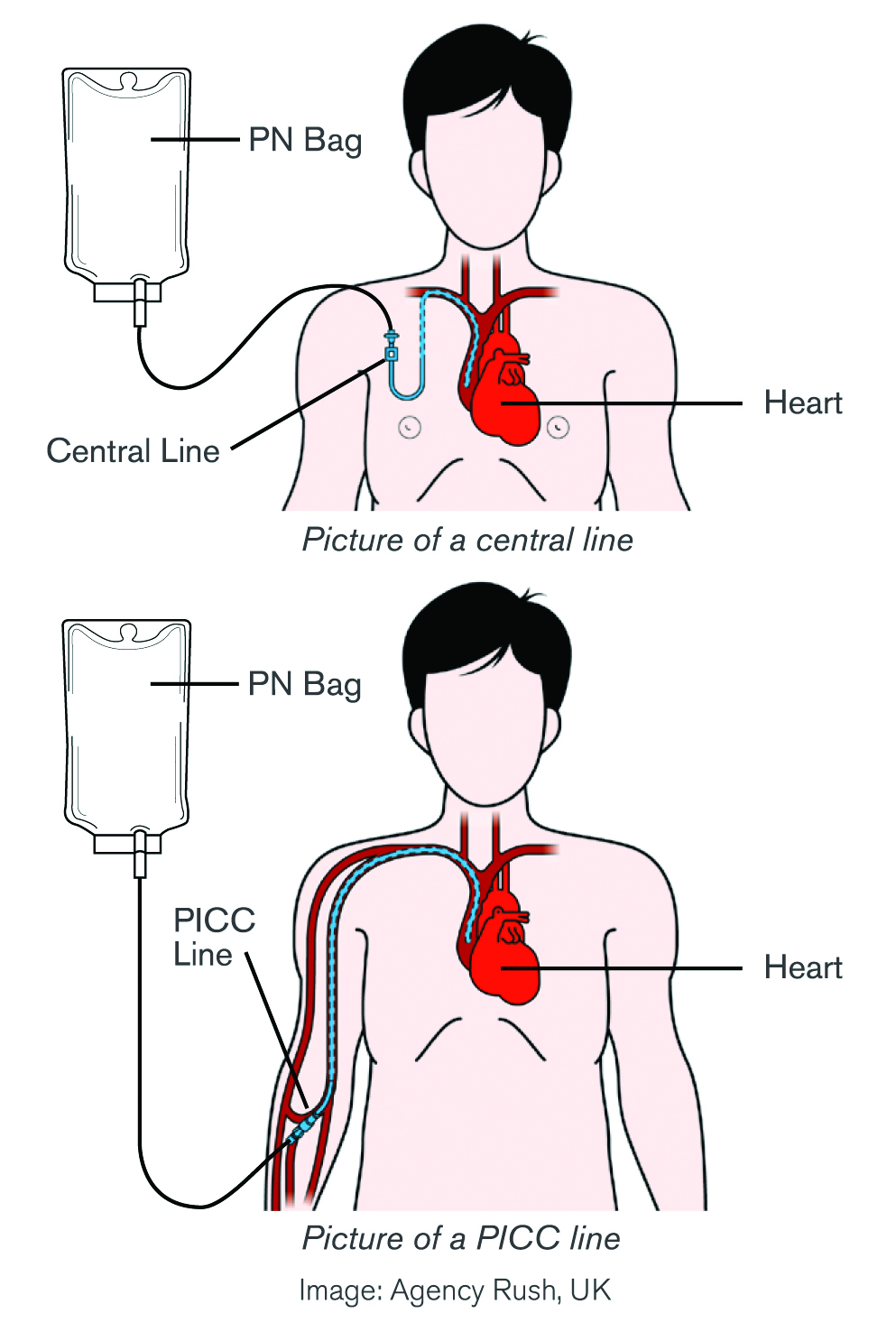
For patients requiring long-term TPN, administration often transitions from the acute hospital setting to the home. This shift is made possible and safe by advancements in remote monitoring and telemedicine technologies. Patients or their caregivers are trained to administer TPN using portable smart pumps, and their progress is often monitored remotely by specialized home care teams.
Remote monitoring involves the use of connected devices that can transmit infusion data, patient vital signs, and even images of access sites to healthcare providers. This allows the care team to proactively identify potential issues such as pump malfunctions, infusion errors, or signs of infection without requiring frequent in-person visits. Telemedicine platforms facilitate virtual consultations, enabling patients to discuss concerns, receive nutritional counseling, and have their TPN prescriptions adjusted by clinicians via secure video calls. This technology not only enhances convenience and reduces the burden of travel for patients but also ensures continuous oversight and timely intervention, significantly improving the quality of life and safety for individuals on home TPN therapy.
Data Security and Privacy in TPN Management: Safeguarding Sensitive Information
The digital nature of modern TPN management, involving patient-specific formulations, real-time physiological data, and remote access, introduces significant considerations regarding data security and privacy. Protecting this sensitive health information is paramount to maintaining patient trust and complying with stringent regulatory frameworks.
Protecting Sensitive Patient Information: The Imperative of Encryption and Access Control
TPN involves some of the most intimate patient data, including metabolic profiles, weight, underlying illnesses, and detailed nutritional requirements. All digital records associated with TPN, whether stored in EHRs, pharmacy systems, or transmitted via remote monitoring devices, must be rigorously protected. This involves robust encryption protocols for data at rest and in transit, ensuring that even if intercepted, the information remains unreadable to unauthorized parties.
Access control mechanisms are equally vital, limiting who can view, modify, or transmit TPN-related data. Role-based access ensures that only healthcare professionals directly involved in a patient’s care can access their specific information. Multi-factor authentication adds an extra layer of security, verifying user identities before granting access to sensitive systems. Regular security audits and employee training on data privacy regulations (like HIPAA in the United States or GDPR in Europe) are essential components of a comprehensive strategy to prevent unauthorized access, data breaches, and misuse of patient information.
Cybersecurity for Medical Devices: Fortifying the Digital Periphery
The smart infusion pumps, automated compounders, and remote monitoring devices used in TPN are increasingly connected to hospital networks and the internet. While this connectivity enhances functionality and efficiency, it also exposes these medical devices to potential cybersecurity threats. A compromised smart pump could lead to incorrect dosages, while a breach in a compounding system could affect medication integrity.
To mitigate these risks, manufacturers and healthcare providers must implement stringent cybersecurity measures. This includes regular software updates and patching to address known vulnerabilities, network segmentation to isolate medical devices from broader hospital networks, and the use of intrusion detection and prevention systems. Devices should be designed with security by default, incorporating features like secure boot, strong authentication, and tamper detection. Furthermore, hospitals must have robust incident response plans in place to quickly identify, contain, and remediate any cybersecurity incidents affecting TPN-related technologies, ensuring patient safety is never compromised.
The Future of TPN Technology: AI, IoT, and Personalized Nutrition
The trajectory of TPN technology points towards even greater personalization, predictive capabilities, and seamless integration, driven by advancements in artificial intelligence (AI) and the Internet of Medical Things (IoMT).
AI in Nutritional Assessment and Predictive Analytics: The Next Frontier in Optimization
Artificial intelligence is poised to revolutionize TPN management by offering unprecedented capabilities in data analysis and predictive modeling. AI algorithms can process vast amounts of patient data—including genetic profiles, real-time physiological metrics, medication history, and response to previous TPN formulations—to develop highly personalized nutritional plans. Rather than relying on static formulas, AI can continuously learn and adapt TPN prescriptions based on a patient’s evolving metabolic needs, optimizing nutrient delivery and minimizing complications.
Beyond formulation, AI can be used for predictive analytics. By analyzing patterns in patient data, AI models could predict which patients are at higher risk of TPN-related complications such as bloodstream infections, metabolic derangements, or liver dysfunction, allowing clinicians to intervene proactively. AI-powered image analysis could also assist in early detection of catheter-related complications. This shift from reactive to proactive care, driven by intelligent algorithms, promises to significantly improve TPN outcomes and resource utilization.
Internet of Medical Things (IoMT) for Seamless Integration: The Connected Ecosystem
The Internet of Medical Things (IoMT) represents the expansion of the Internet of Things (IoT) into healthcare, creating a network of connected medical devices, sensors, and systems. For TPN, IoMT envisions an ecosystem where smart infusion pumps, automated compounders, wearable biometric sensors, and even smart home devices (for home TPN patients) are all interconnected.
This seamless integration would allow for real-time data exchange across the entire TPN care pathway. For instance, a patient’s wearable device could transmit glucose levels directly to their physician’s dashboard, triggering an automatic adjustment in their TPN dextrose infusion via a connected pump, all within a secure and compliant framework. IoMT could also streamline supply chain management for TPN components, ensuring pharmacies have the right ingredients at the right time, minimizing waste, and preventing shortages. The goal is to create a fully integrated, intelligent system that supports dynamic, adaptive, and highly efficient TPN therapy, truly closing the loop between assessment, delivery, and monitoring.
Conclusion
In medical terms, TPN is a critical, life-sustaining therapy. However, its sophisticated execution in the 21st century is fundamentally a triumph of technology. From the precise control offered by smart infusion pumps and the sterile accuracy of automated compounding systems to the integrated intelligence of EHRs and the foresight of emerging AI and IoMT applications, technology underpins every facet of TPN. It ensures patient safety, enables personalization, extends care into the home, and continually pushes the boundaries of what is possible in nutritional support. As technology continues to evolve, the future of TPN promises even more precise, secure, and patient-centric care, highlighting the symbiotic relationship between advanced medical practice and innovative technological solutions.
aViewFromTheCave is a participant in the Amazon Services LLC Associates Program, an affiliate advertising program designed to provide a means for sites to earn advertising fees by advertising and linking to Amazon.com. Amazon, the Amazon logo, AmazonSupply, and the AmazonSupply logo are trademarks of Amazon.com, Inc. or its affiliates. As an Amazon Associate we earn affiliate commissions from qualifying purchases.