
In the intricate and often opaque world of global finance, certain names resonate with an enduring influence, shaping industries, fostering innovation, and generating significant wealth. Among these titans stands TPG, an acronym that, for those in the know, immediately conjures images of strategic investments, bold transformations, and a relentless pursuit of value. More than just a name, TPG represents a formidable force in the alternative asset management landscape, a firm that has consistently demonstrated its capacity to identify, acquire, and grow businesses across diverse sectors and geographies.
But what exactly is TPG, and how has it ascended to such a pivotal position within the financial ecosystem? At its core, TPG is a leading global alternative asset firm with approximately $224 billion in assets under management. Established with an entrepreneurial spirit, its journey has been characterized by a deep commitment to partnership, a keen eye for untapped potential, and a proactive, hands-on approach to building enduring companies. This article delves into the essence of TPG, exploring its origins, its multifaceted investment strategies, its profound impact on the global economy, and its vision for the future of capital deployment.

The Genesis and Evolution of TPG
The story of TPG is one rooted in an ambitious vision to redefine the boundaries of private equity and investment. From its humble beginnings, the firm rapidly expanded its footprint, adapting to evolving market dynamics and pioneering new approaches to capital allocation.
Founding Principles and Early Vision
TPG was founded in 1992 by David Bonderman, James Coulter, and William S. Price III, initially under the name Texas Pacific Group. Their vision was clear: to build an investment firm that went beyond mere financial engineering, focusing instead on deep operational engagement and strategic transformation of underperforming or undervalued assets. The founders believed in a hands-on approach, working closely with management teams to drive significant operational improvements, strategic redirection, and long-term value creation.
This early philosophy distinguished TPG from many of its contemporaries. Rather than solely chasing lucrative leveraged buyouts, TPG sought out complex situations, often involving distressed companies or industries ripe for disruption. Their inaugural flagship fund, TPG Partners, quickly gained notoriety for its audacious and successful investments, notably the acquisition and turnaround of Continental Airlines in 1993. This early success solidified TPG’s reputation as a firm capable of not just managing capital, but truly reshaping enterprises. The early emphasis on rigorous due diligence, contrarian thinking, and a willingness to tackle challenging situations laid the bedrock for TPG’s future growth and sustained success.
Strategic Growth and Diversification
As the financial landscape evolved through the late 20th and early 21st centuries, so too did TPG. The firm recognized the imperative to diversify its investment offerings beyond traditional leveraged buyouts to capture a broader spectrum of market opportunities. This strategic expansion led to the creation of distinct platforms and funds, each specializing in different asset classes and investment stages.
The 2000s marked a period of significant diversification. TPG expanded into growth equity with TPG Growth, focusing on investments in dynamic, high-growth companies typically in earlier stages of maturity but demonstrating substantial market potential. Subsequently, TPG launched dedicated platforms for real estate (TPG Real Estate Partners), credit (TPG Credit), and impact investing (TPG Rise Climate, TPG Rise Fund). This strategic breadth allowed TPG to cater to a wider array of capital needs, from mature companies seeking operational overhauls to nascent ventures poised for explosive growth, and even global challenges demanding innovative capital solutions. The firm’s ability to build specialized teams and cultivate expertise across these diverse areas has been a critical factor in its ability to maintain relevance and outperform in an increasingly competitive alternative asset market.
TPG’s Core Investment Strategies
TPG’s expansive portfolio is a testament to its multi-pronged investment approach, spanning various stages of company development and asset classes. Each strategy is underpinned by a consistent philosophy of active management, operational excellence, and long-term value creation.
Private Equity: Reshaping Industries
At the heart of TPG’s operations lies its traditional private equity business. This involves acquiring controlling stakes in established companies, often through leveraged buyouts, with the aim of fundamentally transforming them over a multi-year horizon. TPG’s private equity strategy is characterized by several key tenets:
- Sector Specialization: While opportunistic, TPG develops deep expertise in specific sectors, including technology, healthcare, financial services, retail and consumer, media and entertainment, and industrials. This allows their investment professionals to identify key trends, understand competitive landscapes, and spot unique opportunities that others might miss.
- Operational Enhancement: Unlike passive investors, TPG typically engages extensively with the management teams of its portfolio companies. This often involves bringing in seasoned operating partners, implementing best practices in governance, supply chain management, digital transformation, and human capital development. The goal is not just to cut costs, but to build more robust, efficient, and competitive businesses.
- Global Reach with Local Acumen: TPG operates globally, with offices in North America, Europe, and Asia. This international presence allows them to source deals across different markets and apply local insights, while leveraging their global network and operational expertise.
Notable historical investments, though too numerous to list comprehensively, include major players in the technology sector like Uber (through a growth equity vehicle but illustrating their tech focus), in retail such as J. Crew, and in healthcare providers, showcasing their transformative impact across diverse industries.
Growth Equity: Fueling Innovation
Recognizing the burgeoning opportunities presented by rapidly evolving industries and innovative business models, TPG established TPG Growth. This platform focuses on minority and control investments in high-growth companies, typically those that are past the early startup phase but still in a significant expansion mode.
- Investing in Disruptors: TPG Growth targets companies with proven products or services, strong market traction, and substantial potential for scaling. These are often companies at the forefront of technological innovation, digital transformation, or new consumer trends.
- Strategic Partnership: Rather than imposing a top-down operational overhaul, TPG Growth acts as a strategic partner, providing capital, strategic guidance, and access to TPG’s vast network of industry contacts, talent, and resources. This helps growth companies navigate the complexities of rapid scaling, market entry, and eventual public offerings or strategic exits.
- Agility and Speed: The growth equity model demands quicker decision-making and a more flexible approach compared to traditional private equity, allowing TPG Growth to capitalize on fast-moving market opportunities. This segment often serves as a feeder for larger private equity deals as companies mature.
Real Estate and Credit Platforms: Broadening the Horizon
Beyond direct equity investments, TPG has strategically expanded into other alternative asset classes, notably real estate and credit.
- TPG Real Estate Partners (TREP): This platform invests across a broad range of real estate sectors, including office, retail, industrial, hospitality, and residential. TREP employs a highly analytical and opportunistic approach, seeking to acquire, develop, and reposition real estate assets with significant value-add potential. Their expertise spans various stages of the real estate lifecycle, from ground-up development to distressed asset acquisitions.
- TPG Credit: TPG’s credit platforms provide flexible capital solutions across various credit strategies, including leveraged loans, high-yield bonds, direct lending, and distressed debt. These platforms cater to companies seeking financing beyond traditional bank lending and provide investors with exposure to private credit markets, which can offer attractive risk-adjusted returns. The credit funds often complement TPG’s equity investments, providing a holistic financing solution for portfolio companies and sourcing new investment opportunities.

Impact and Influence in the Financial Landscape
TPG’s long history and diverse investment activities have left an indelible mark on the global financial landscape, fostering economic growth, driving innovation, and generating substantial returns for its investors.
Notable Investments and Exits
While the specific details of TPG’s portfolio are extensive and constantly evolving, a few examples illustrate the breadth and impact of their investments:
- J. Crew: An iconic American retailer, J. Crew was acquired by TPG and Leonard Green & Partners in 2011. While the investment eventually saw challenges, it exemplified TPG’s willingness to engage in complex retail turnarounds, seeking to revitalize legacy brands.
- Univision: TPG, alongside other investors, acquired Univision Communications, a leading Spanish-language media company. This illustrated TPG’s focus on large-scale media assets and their ability to navigate dynamic industry shifts.
- Airbnb: TPG Growth was an early investor in Airbnb, demonstrating their foresight in identifying disruptive technology platforms with massive global potential. This investment yielded significant returns and underscored TPG’s ability to back transformative companies in the tech ecosystem.
- Värde Partners: TPG Credit recently led a significant investment in Värde Partners, a global alternative investment firm specializing in credit and distressed assets, showcasing TPG’s capacity to deploy capital into strategic partnerships within the financial services sector itself.
These examples, and countless others, highlight TPG’s role in providing crucial capital for growth, facilitating corporate restructuring, and often enabling the strategic evolution necessary for companies to thrive in competitive environments.
Value Creation Philosophy
TPG’s approach to value creation extends far beyond simply injecting capital. The firm adheres to a disciplined philosophy centered on active ownership and strategic partnership:
- Operational Excellence: TPG employs a robust team of operating partners and functional experts who work directly with portfolio companies to improve efficiency, streamline processes, and optimize performance across all business functions.
- Strategic Guidance: TPG leverages its extensive industry knowledge, global network, and deep analytical capabilities to help management teams develop and execute long-term strategic plans, including market expansion, product innovation, and M&A activities.
- Talent Development: Recognizing that people are a company’s greatest asset, TPG often assists portfolio companies in recruiting top-tier talent, enhancing executive leadership, and building strong organizational cultures.
- ESG Integration: Increasingly, TPG integrates Environmental, Social, and Governance (ESG) considerations into its investment and value creation processes. This focus on sustainable practices and responsible business conduct is seen not just as a moral imperative but as a driver of long-term financial performance and resilience.
Global Reach and Local Expertise
With a robust presence across North America, Europe, and Asia, TPG has cultivated a genuinely global perspective. This extensive geographic footprint is critical for sourcing diverse investment opportunities and understanding nuanced market dynamics. However, TPG’s strategy is not merely about global scale; it’s about combining that scale with localized expertise. Each regional office is staffed with professionals deeply ingrained in their respective markets, enabling TPG to navigate regulatory environments, cultural differences, and specific industry trends with precision. This combination of global reach and local acumen allows TPG to execute complex transactions and implement value creation initiatives effectively, regardless of where an asset is located.
Navigating Challenges and Embracing the Future
The alternative asset industry is perpetually in flux, subject to economic cycles, geopolitical shifts, and rapid technological advancements. TPG’s enduring success is partly attributable to its ability to adapt and innovate in this dynamic environment.
Adapting to Market Dynamics
TPG has weathered numerous economic downturns, market bubbles, and periods of intense regulatory scrutiny since its inception. Its strategy for resilience includes:
- Counter-cyclical Investing: TPG has often demonstrated a willingness to invest when others pull back, identifying value in distressed assets or industries out of favor, which can yield significant returns during market recoveries.
- Flexible Capital Structures: The firm employs diverse capital structures tailored to specific investment opportunities, allowing it to remain agile and deploy capital effectively across varying market conditions.
- Proactive Risk Management: Robust due diligence processes and continuous monitoring of portfolio companies are integral to TPG’s risk mitigation strategy, enabling them to anticipate challenges and implement corrective actions.
Focus on ESG and Sustainable Investing
In recent years, the emphasis on responsible investing has grown exponentially, moving from a niche concern to a mainstream imperative. TPG has been at the forefront of this shift, establishing dedicated platforms like The Rise Fund and TPG Rise Climate.
- The Rise Fund: Launched in partnership with U2’s Bono and Jeff Skoll, The Rise Fund is a leading global impact investing platform focused on achieving measurable social and environmental impact alongside competitive financial returns. It targets companies addressing critical global challenges in areas like education, healthcare, and sustainable development.
- TPG Rise Climate: Building on The Rise Fund’s success, TPG Rise Climate specifically focuses on climate solutions, investing in companies that are developing and scaling technologies and businesses aimed at decarbonization and mitigating climate change. This commitment reflects TPG’s belief that sustainability is not just an ethical responsibility but a significant long-term investment opportunity.
These initiatives demonstrate TPG’s strategic pivot towards integrating sustainability into its core investment thesis, recognizing that companies with strong ESG practices are often more resilient, innovative, and attractive to a new generation of investors and consumers.
The Future of Alternative Assets
As the global economy continues to evolve, TPG is positioned to remain a pivotal player in the alternative asset space. The firm is keenly focused on:
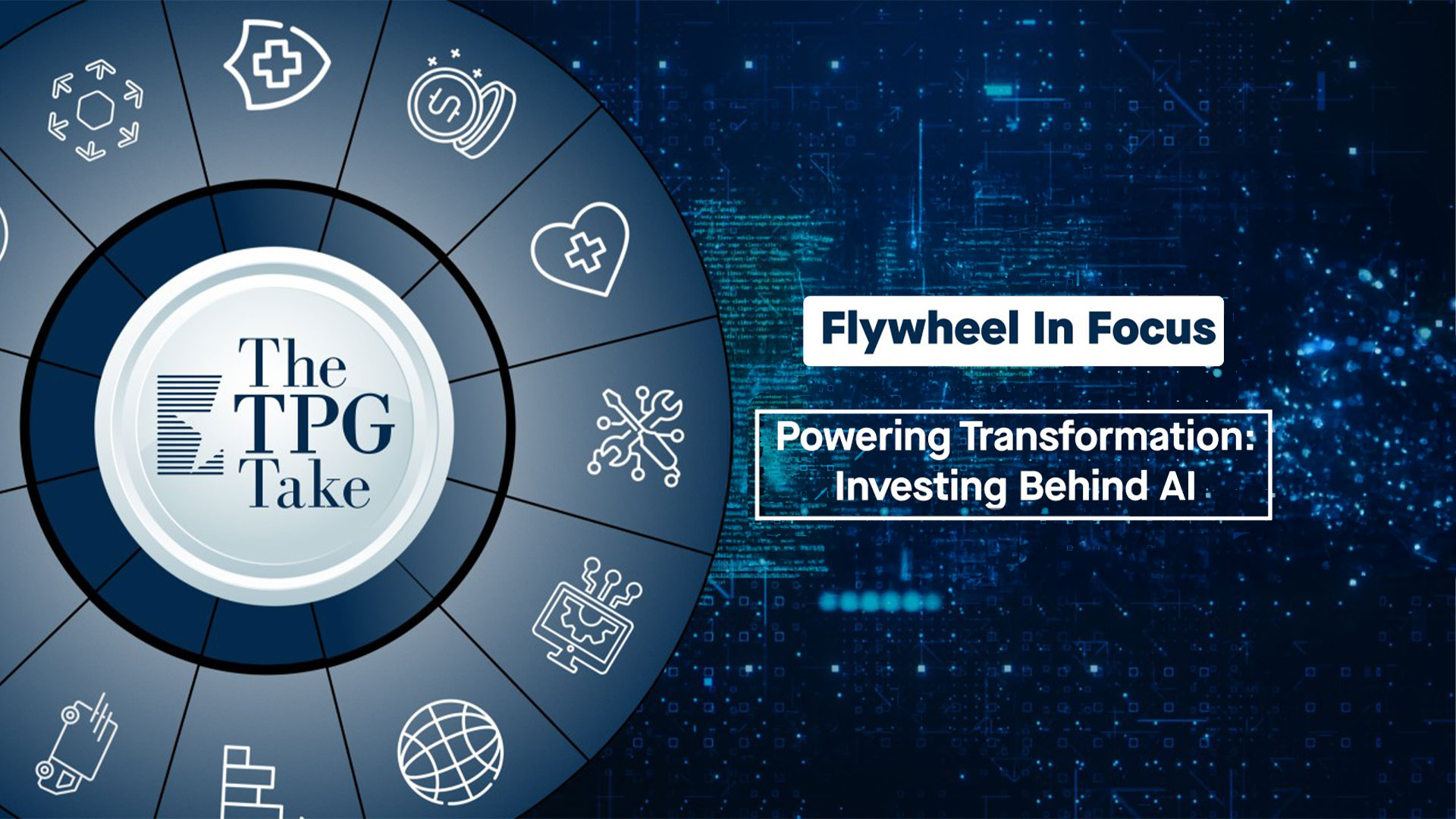
- Technological Integration: Leveraging artificial intelligence, data analytics, and digital transformation capabilities to enhance deal sourcing, due diligence, and portfolio company management.
- Emerging Markets: Continuing to explore opportunities in high-growth emerging economies, adapting its investment strategies to local market nuances.
- Tailored Solutions: Offering increasingly customized investment products and solutions to meet the evolving needs of its diverse investor base, from large institutional clients to family offices.
- Impact-Driven Capital: Further expanding its leadership in impact and climate investing, demonstrating that profit and purpose can indeed go hand-in-hand.
In conclusion, TPG is far more than just an investment firm; it is a dynamic ecosystem of capital, expertise, and vision. From its foundational principles of operational excellence and strategic partnership to its cutting-edge platforms in growth equity, real estate, credit, and impact investing, TPG has consistently demonstrated its capacity to adapt, innovate, and lead. Its story is a powerful illustration of how strategic finance can be a catalyst for corporate transformation, economic growth, and meaningful social and environmental progress, cementing its status as an enduring powerhouse in the global financial landscape.
aViewFromTheCave is a participant in the Amazon Services LLC Associates Program, an affiliate advertising program designed to provide a means for sites to earn advertising fees by advertising and linking to Amazon.com. Amazon, the Amazon logo, AmazonSupply, and the AmazonSupply logo are trademarks of Amazon.com, Inc. or its affiliates. As an Amazon Associate we earn affiliate commissions from qualifying purchases.