
In the rapidly evolving landscape of medical technology, the question “what is topical medication” no longer refers merely to the simple application of creams or ointments. Instead, it represents a sophisticated intersection of bio-engineering, material science, and digital connectivity. At its core, topical medication refers to a route of administration where a substance is applied to a particular place on or in the body—most commonly the skin or mucous membranes—to achieve a localized effect. However, in the modern tech sector, this definition has expanded to include high-tech delivery systems that utilize sensors, software, and advanced hardware to ensure precision, efficacy, and patient compliance.
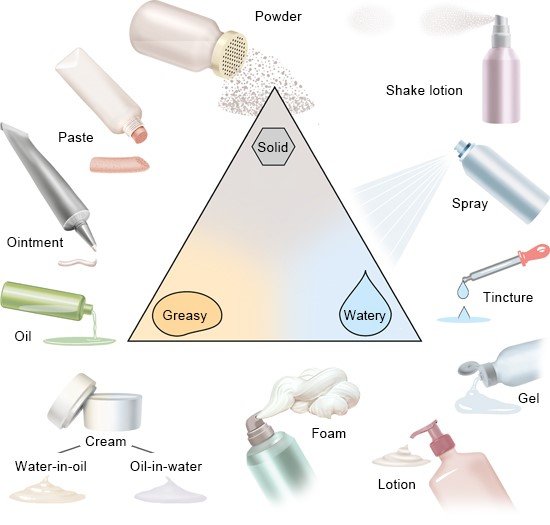
The shift from passive delivery (creams) to active delivery (electronic patches and smart devices) marks a significant trend in the MedTech industry. As we move toward a more personalized approach to healthcare, the technology behind topical medication is becoming a cornerstone of the “Internet of Medical Things” (IoMT). By leveraging advancements in micro-electronics and data analytics, developers are transforming how treatments are administered, monitored, and optimized.
The Digital Transformation of Targeted Drug Delivery
The evolution of topical medication is a testament to the power of technological convergence. Traditionally, topical delivery was limited by the skin’s natural barrier—the stratum corneum. To bypass this without invasive needles, tech firms have developed innovative software and hardware solutions that “force” or “facilitate” the transport of molecules across the skin.
From Ointments to Intelligent Delivery Systems
The primary goal of modern topical technology is to achieve controlled release. Unlike oral medications that undergo first-pass metabolism in the liver, topical applications can deliver active ingredients directly to the site of action. The tech industry has introduced “Intelligent Delivery Systems” that use programmed micro-processors to release medication at specific intervals. This move from analog to digital allows for a level of dosing precision that was previously impossible.
Why the Shift Toward Tech-Enabled Topicals?
The push toward technology-integrated topical medication is driven by the need for better data. When a patient uses a traditional tube of cream, there is no digital record of dosage, timing, or efficacy. By integrating topical delivery with software apps and cloud-based tracking, healthcare providers can receive real-time updates on patient adherence. This shift is part of the larger trend of “Software as a Medical Device” (SaMD), where the digital interface is as critical to the treatment as the chemical compound itself.
Smart Patches: The Convergence of Hardware and Healthcare
One of the most prominent hardware gadgets in the topical medication space is the “Smart Patch.” These are no longer just adhesive bandages; they are complex wearable devices equipped with circuitry, power sources, and communication modules.
Sensors and Bio-feedback Loops
Smart patches utilize sophisticated sensors to monitor physiological markers such as pH levels, temperature, and moisture. When these sensors detect a specific trigger—such as a spike in localized inflammation—the hardware can automatically initiate the release of the topical medication. This creates a closed-loop system where the device “senses” the need and “delivers” the cure without human intervention. This represents a major leap in wearable tech, moving from simple step-counters to active medical intervention tools.
Micro-needle Technology and Precision Engineering
Perhaps the most impressive mechanical advancement in topical medication is the development of microneedle arrays. These are microscopic structures, often engineered using silicon or polymer technology, that penetrate the outer layer of the skin painlessly. In the tech world, this is a feat of micro-electromechanical systems (MEMS) engineering. These needles can be integrated with micro-pumps and reservoirs that are controlled via Bluetooth-connected apps, allowing users to trigger a dose of topical medication with a tap on their smartphone.
Software and AI: Optimizing the Topical Interface
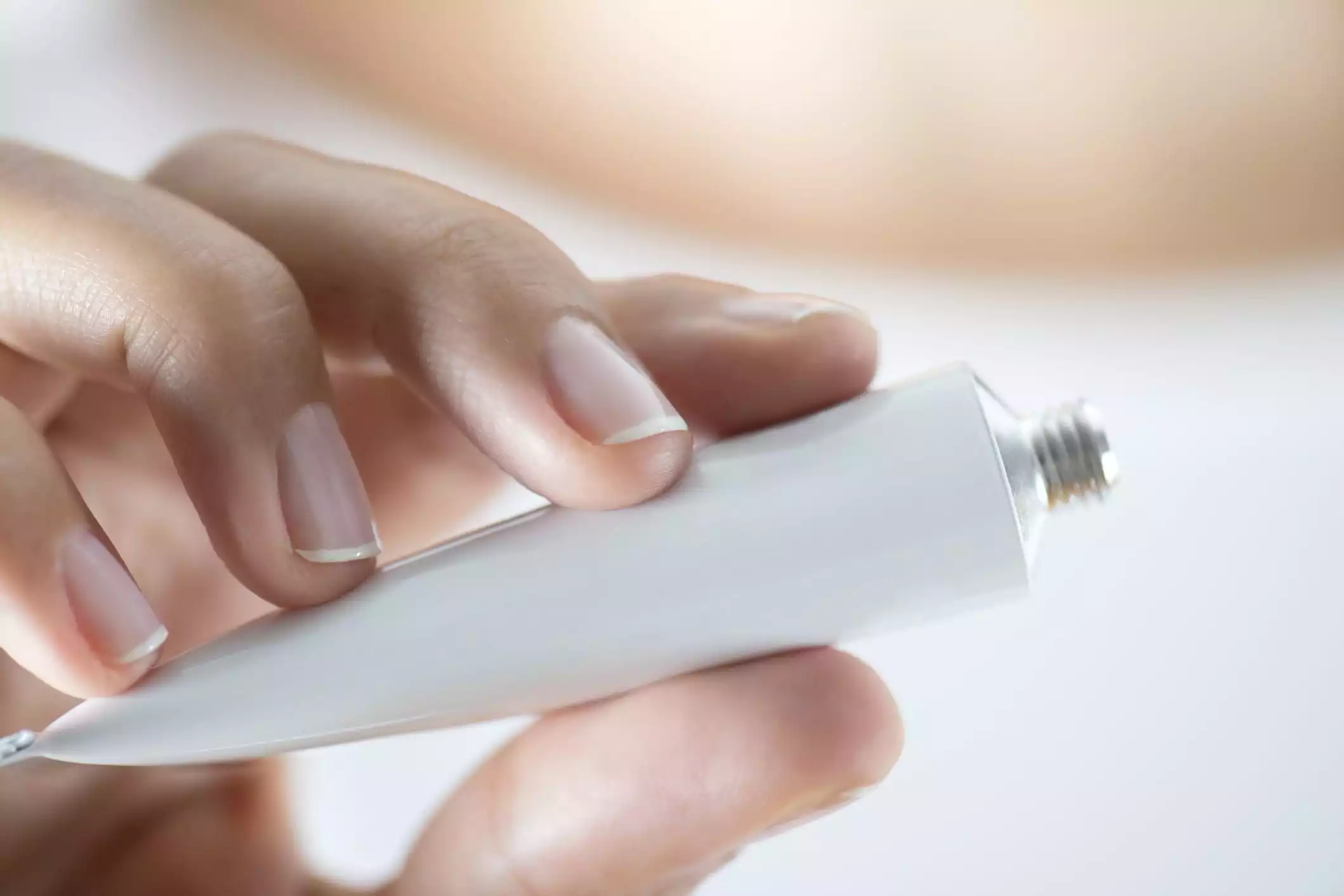
Beyond the hardware, the “intelligence” of modern topical medication resides in the software layer. Artificial Intelligence (AI) and Machine Learning (ML) are being used to solve one of the oldest problems in dermatology: individual variability.
Machine Learning for Skin Permeability Modeling
Every individual’s skin is different, influenced by age, genetics, and environment. AI tools are now being used to analyze vast datasets to predict how specific topical formulations will interact with different skin types. Developers use predictive modeling software to simulate drug diffusion, significantly reducing the time required for R&D. By inputting a patient’s specific biometric data into a mobile app, the software can calculate the exact amount of topical medication required to penetrate their unique skin barrier.
Mobile Integration and Patient Compliance Apps
The “App-ification” of topical medication has led to a surge in digital health platforms. These apps serve as the user interface for the medication. They provide reminders, track the area of application through image recognition (AI vision), and even use augmented reality (AR) to show patients exactly where to apply the treatment for maximum coverage. This digital ecosystem ensures that the topical medication is used correctly, which is often the biggest hurdle in treatment success.
Digital Security and Privacy in Connected Topical Devices
As topical medication becomes part of the Internet of Medical Things (IoMT), it faces the same challenges as any other connected technology: digital security and data privacy. A smart patch that transmits health data to the cloud is a potential target for cyberattacks.
Securing the Internet of Medical Things (IoMT)
The security of connected medical gadgets is paramount. If a topical delivery device is hacked, the dosage could be tampered with, or sensitive health data could be leaked. Tech companies are now implementing end-to-end encryption and multi-factor authentication for the apps that control these devices. The hardware itself must have secure boot capabilities and encrypted firmware to prevent unauthorized access to the medication delivery mechanics.
Data Encryption for Wearable Medical Gadgets
In the realm of personal finance and digital identity, we often talk about encryption. The same principles apply to tech-enabled topical medication. The transmission of data from a wearable patch to a mobile device must be shielded using protocols like AES-256. Furthermore, companies are exploring blockchain technology to create immutable logs of medication administration, ensuring that the history of the treatment cannot be altered or falsified, which is crucial for clinical trials and insurance verification.
The Future Horizon: Nanotechnology and 3D Bio-printing
Looking forward, the technology behind topical medication is moving toward the molecular and manufacturing frontiers. Trends in nanotechnology and 3D printing are set to redefine the niche entirely.
Molecular Engineering in Topical Formulations
Nanotechnology involves the manipulation of matter on an atomic or molecular scale. In the context of topical medication, tech firms are developing “nanocarriers”—microscopic vehicles that can encapsulate medication and navigate the lipid layers of the skin with extreme efficiency. These carriers are often designed with “logic gates” that only release their cargo when they encounter a specific biochemical signature, such as a particular enzyme or a specific heat range. This is essentially “programmable matter” applied to healthcare.
On-Demand Manufacturing of Personalized Treatments
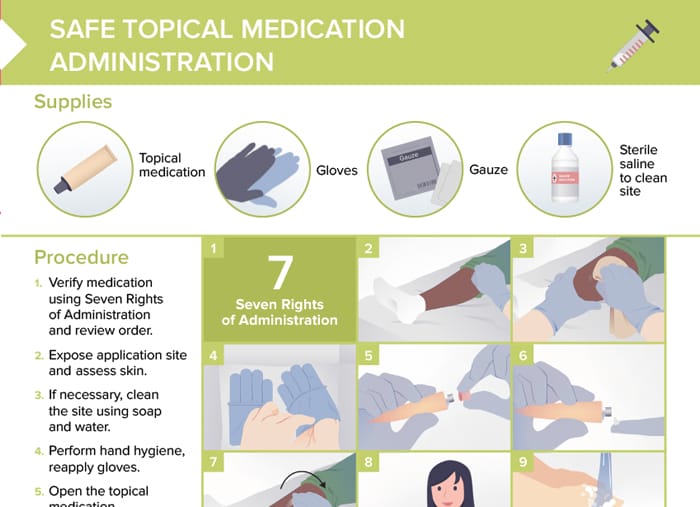
The rise of 3D bio-printing allows for the creation of customized topical patches on demand. Instead of mass-producing a single type of patch, pharmacies or clinics of the future may use specialized 3D printers to “print” a topical medication layer that perfectly matches the contours of a patient’s body and includes a precise cocktail of ingredients. This shift toward “on-device” or “on-demand” manufacturing represents a major disruption in the pharmaceutical supply chain, leaning heavily into the “Just-in-Time” (JIT) manufacturing philosophies of the high-tech industrial sector.
The answer to “what is topical medication” is no longer found in a medicine cabinet alone; it is found in the silicon chips, the lines of code, and the cloud servers that drive modern innovation. As technology continues to permeate every facet of our lives, the line between “medication” and “gadget” will continue to blur, leading to a future where healing is as localized, digital, and efficient as the devices we carry in our pockets. Through the integration of advanced hardware and intelligent software, topical medication is being reimagined as a high-tech solution for the 21st century.
aViewFromTheCave is a participant in the Amazon Services LLC Associates Program, an affiliate advertising program designed to provide a means for sites to earn advertising fees by advertising and linking to Amazon.com. Amazon, the Amazon logo, AmazonSupply, and the AmazonSupply logo are trademarks of Amazon.com, Inc. or its affiliates. As an Amazon Associate we earn affiliate commissions from qualifying purchases.