
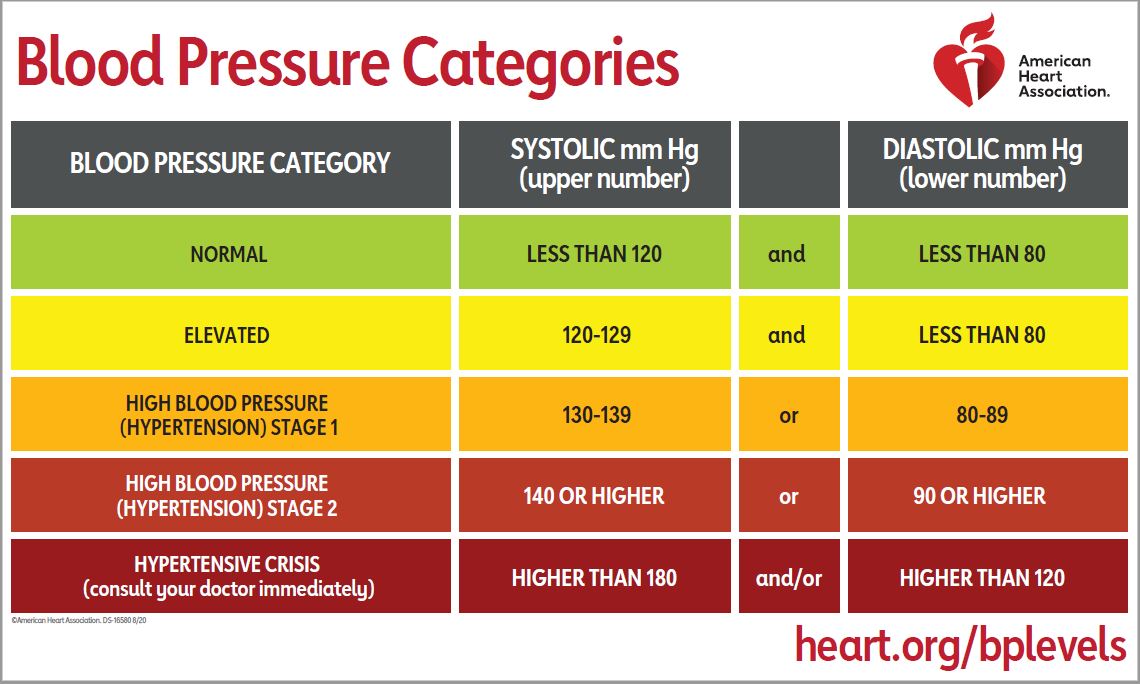
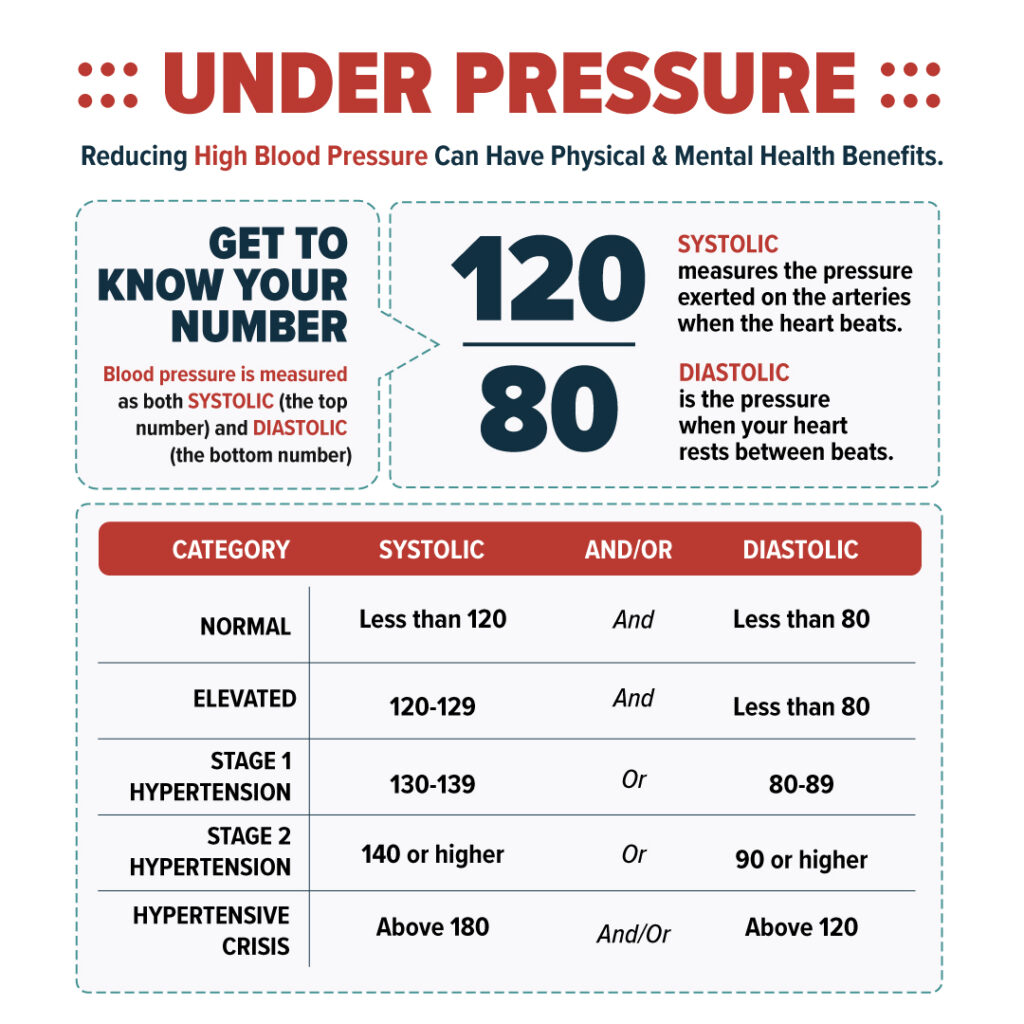
In the landscape of modern health technology, few metrics carry as much weight as the “top number” in a blood pressure reading. Known scientifically as systolic pressure, this figure represents the force your heart exerts on the walls of your arteries each time it beats. For decades, capturing this data required a visit to a clinical setting and the use of a manual sphygmomanometer. However, as we move deeper into the era of the Internet of Medical Things (IoMT), the way we measure, interpret, and act upon this specific data point is undergoing a radical technological transformation. The “top number” is no longer just a static figure on a chart; it has become a dynamic data stream fueled by advanced sensors, complex algorithms, and cloud-based analytics.
The Digital Evolution of the Sphygmomanometer
The traditional method of measuring the top number relied on the auscultatory method—a clinician listening for the internal sounds of blood flow through a stethoscope while manually inflating a cuff. Today, technology has replaced the human ear with high-precision oscillometric sensors. These digital components detect vibrations in the arterial wall, translating physical pressure into digital signals with a level of consistency that manual methods often struggle to replicate.
From Mercury Columns to Oscillometric Sensors
The shift from mercury-filled tubes to digital displays was the first major leap in making blood pressure monitoring accessible to the consumer market. Modern digital monitors utilize oscillometric technology to determine the systolic pressure by identifying the point where the magnitude of oscillations begins to increase as the cuff deflates. This transition allowed for the democratization of health data, enabling individuals to monitor their cardiovascular health outside the doctor’s office. The hardware involved has evolved from bulky tabletop units to streamlined, portable devices that synchronize wirelessly with mobile ecosystems.
The Miniaturization of Clinical Accuracy
Perhaps the most significant tech trend in this niche is the miniaturization of sensors. We are seeing a move away from the traditional arm cuff toward wrist-based wearables and even “cuffless” technology. Companies are now embedding optical sensors into smartwatches and rings that use photoplethysmography (PPG). PPG technology emits light into the skin and measures the changes in light absorption to track blood volume changes. By applying sophisticated signal processing to these optical readings, software can now estimate the systolic pressure—the top number—without the need for physical compression of the limb. This is a feat of engineering that requires high-performance microchips capable of filtering out “noise” created by movement or ambient light.
Understanding the Data: Software and AI in Systolic Measurement
Capturing a raw signal is only half the battle. The true power of modern blood pressure technology lies in the software layer. When a device displays a “top number,” it is the result of thousands of data points being processed through proprietary algorithms. As artificial intelligence becomes more integrated into health tech, the interpretation of these numbers is becoming more personalized and predictive.
Algorithms vs. Korotkoff Sounds
In a clinical setting, the top number is identified by the first Korotkoff sound. In the tech world, software must emulate this detection through peak-detection algorithms. These digital frameworks are trained on vast datasets of cardiovascular waveforms. By comparing a user’s current arterial pulse wave against a database of millions of clinical samples, the software can provide a highly accurate estimation of systolic pressure. Machine learning models are particularly effective here, as they can adjust for a user’s specific physiology over time, “learning” the nuances of an individual’s pulse wave to improve accuracy.
Real-time Data Visualization and Pattern Recognition
Modern health apps do more than just store numbers; they transform the top number into actionable insights through data visualization. Software interfaces now provide trend analysis, showing how systolic pressure fluctuates in response to variables like sleep quality, caffeine intake, or physical activity. High-resolution dashboards allow users to see “morning surges” or “nocturnal dipping” patterns that were previously invisible with occasional manual checks. This shift from discrete data points to continuous monitoring provides a much clearer picture of cardiovascular health, allowing the software to flag anomalies that might warrant medical attention before they become emergencies.
The Intersection of Health Metrics and Digital Security
As the measurement of the top number moves into the cloud, the intersection of health tech and digital security becomes paramount. Biometric data is among the most sensitive information an individual can generate. The technology stack responsible for transmitting a blood pressure reading from a wearable device to a smartphone, and ultimately to a healthcare provider’s server, must be fortified with enterprise-grade security protocols.
Protecting Sensitive Biometric Data
The transmission of blood pressure data relies on secure communication channels, typically utilizing Bluetooth Low Energy (BLE) for local transfers and end-to-end encryption for cloud syncing. Tech companies are increasingly adopting “Zero Trust” architectures and decentralized identity management to ensure that only the authorized user and their physician can access the systolic and diastolic history. For the user, the “top number” is a health metric; for a cyber-attacker, it is a piece of valuable PII (Personally Identifiable Information). Therefore, the hardware manufacturers are now also becoming security firms, implementing secure enclaves within their processors to encrypt data at the hardware level.
The Role of Cloud Computing in Long-term Health Analysis
Cloud computing has revolutionized what we can do with a simple blood pressure reading. Once the top number is uploaded to a secure server, it can be cross-referenced with other health datasets, such as electronic health records (EHRs) or genomic data. This “Big Data” approach allows researchers to identify broader trends in cardiovascular health across populations. For the individual user, the cloud enables “Digital Twins”—virtual models of their own cardiovascular system that can simulate how their top number might respond to different medications or lifestyle changes. This is where software moves from a passive recording tool to a proactive health consultant.
The Future of Remote Monitoring and Telehealth Integration
The ultimate goal of tracking the top number via technology is to bridge the gap between patients and providers. Remote Patient Monitoring (RPM) is a rapidly growing sector of the tech industry that focuses on integrating home-recorded data directly into clinical workflows.
Wearable Integration in Modern App Ecosystems
We are seeing a massive push toward “platformization” in the health tech space. Major operating systems now include dedicated health frameworks (such as Apple HealthKit or Google Fit) that act as a central repository for health data. When a smart blood pressure monitor records a top number, it can automatically share that data with a connected telehealth app. This ecosystem allows for seamless communication; a physician can receive an automated alert if a patient’s systolic pressure exceeds a certain threshold, enabling early intervention. The technology essentially turns the patient’s home into a continuous-care facility.

AI Diagnostics: Predictive Modeling Beyond a Single Reading
The future of the “top number” lies in predictive analytics. Future iterations of health software will likely move beyond reporting what your blood pressure is to predicting what it will be. By analyzing the rate of change in systolic readings alongside environmental data like local weather patterns (which can affect blood pressure) or work schedules, AI can warn users of an impending spike in pressure. This transition from reactive to preventive technology represents the pinnacle of the digital health revolution. The top number is no longer an isolated statistic; it is a vital component of a sophisticated, AI-driven health management system.
In conclusion, while the definition of the “top number” remains rooted in basic human physiology, the technology used to harness that number has entered a new frontier. From the sensors on our wrists to the AI in the cloud, the digital ecosystem surrounding blood pressure monitoring is making health management more precise, more secure, and more integrated than ever before. As software continues to evolve, our ability to understand and control this critical vital sign will only become more profound, ushering in a new age of personalized, tech-driven medicine.
aViewFromTheCave is a participant in the Amazon Services LLC Associates Program, an affiliate advertising program designed to provide a means for sites to earn advertising fees by advertising and linking to Amazon.com. Amazon, the Amazon logo, AmazonSupply, and the AmazonSupply logo are trademarks of Amazon.com, Inc. or its affiliates. As an Amazon Associate we earn affiliate commissions from qualifying purchases.