
In the world of automotive engineering and logistics, the concept of “tongue weight” has transitioned from a rudimentary calculation performed by seasoned truckers to a high-tech data point critical for vehicle safety systems. As we push toward a future of autonomous hauling and electric mobility, understanding tongue weight is no longer just about balancing a trailer; it is about the sophisticated integration of sensors, software algorithms, and hardware engineering that keeps vehicles stable on the road.
Tongue weight refers to the downward force that the tongue of a fully loaded trailer exerts on the hitch ball of the towing vehicle. In a traditional sense, this is a matter of physics—the leverage point between the trailer axles and the truck’s rear suspension. However, in the modern tech landscape, tongue weight has become a vital metric monitored by On-Board Diagnostics (OBD), integrated mobile applications, and Advanced Driver Assistance Systems (ADAS).
The Physics of Precision: Decoding Tongue Weight via Digital Logic
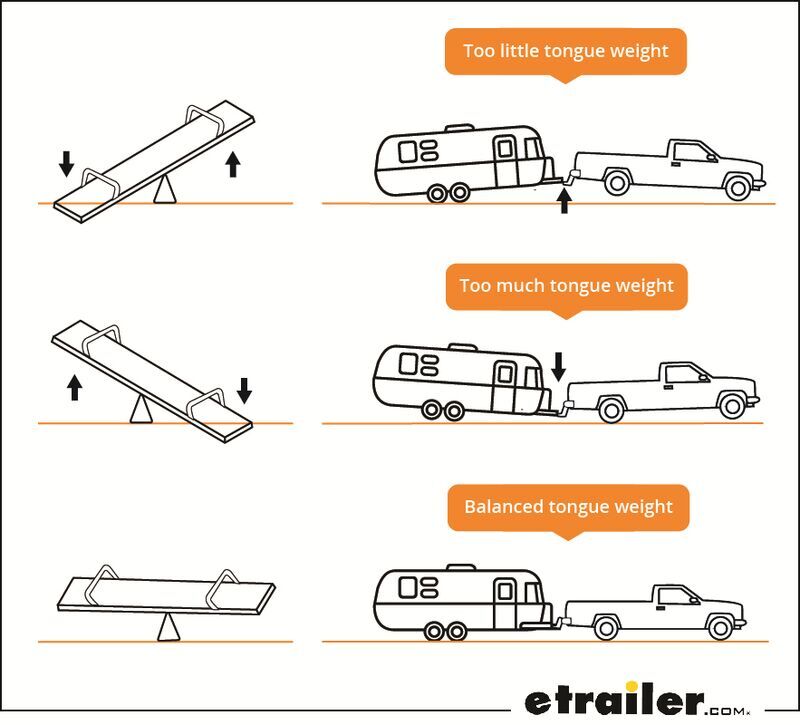
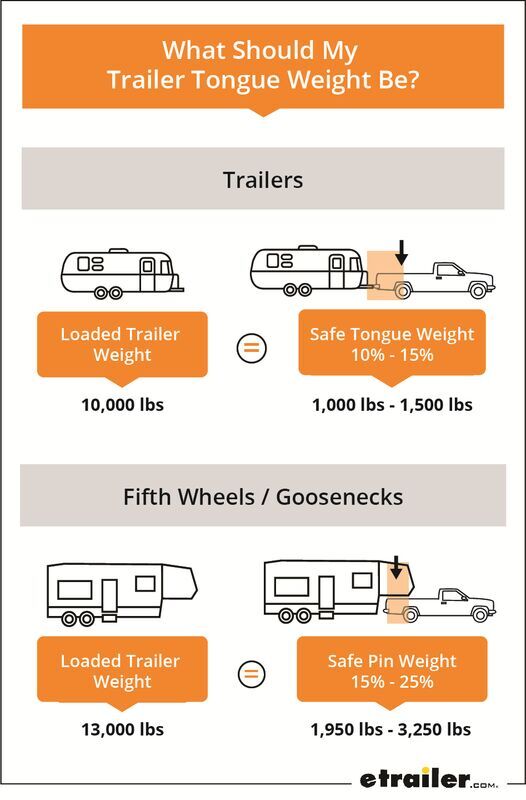
At its core, tongue weight is a variable in a complex equation of motion. For optimal safety, the tongue weight should generally be between 10% and 15% of the total Gross Trailer Weight (GTW). In the past, achieving this was a matter of trial and error. Today, precision engineering and digital logic have redefined this process.
Defining the Pivot Point through Sensor Fusion
The “pivot point” is where the physics of towing meets the technology of stability. When a trailer is hitched, the vehicle becomes a multi-articulated system. If the tongue weight is too low, the trailer is prone to “sway”—a rhythmic oscillation that can lead to catastrophic loss of control. If it is too high, the vehicle’s front wheels lose traction, compromising steering and braking.
Modern tech-heavy trucks utilize “sensor fusion”—combining data from suspension height sensors, strain gauges in the chassis, and accelerometers—to determine the exact downward pressure on the hitch. By digitizing this physical pressure, vehicles can now “understand” their center of gravity in real-time.
The Software Logic of Load Distribution
Software is the brain that interprets these physical forces. Manufacturers like Ford and Chevrolet have introduced integrated software suites that allow users to input trailer dimensions and load types. The software then uses predictive algorithms to tell the driver exactly how to redistribute the cargo to reach the “Goldilocks zone” of tongue weight. This transition from manual estimation to algorithmic precision reduces human error and maximizes the mechanical efficiency of the drivetrain.
Smart Sensors and IoT: Revolutionizing Load Measurement
The most significant technological leap in managing tongue weight is the emergence of Internet of Things (IoT) devices specifically designed for the towing industry. Gone are the days of visiting a commercial weigh station to ensure a load is safe. We are now in the era of “Smart Towing.”
Integrated Digital Hitch Scales
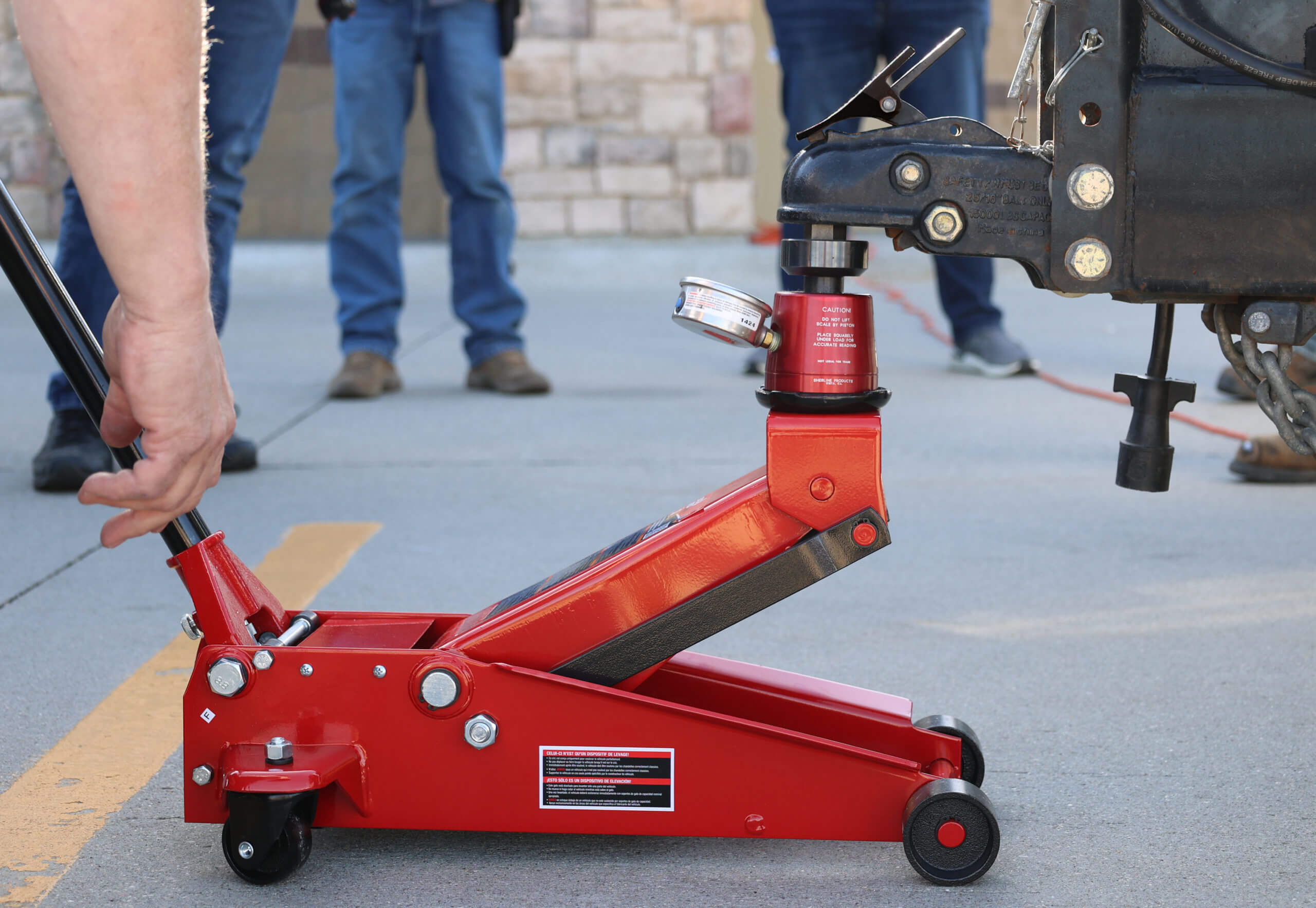
One of the most impressive hardware innovations in this space is the digital hitch scale. Companies like Weigh Safe have pioneered hitches that include built-in hydraulic or electronic pressure gauges. These devices measure the force exerted on the hitch ball and display it on a high-resolution LED screen or transmit it via Bluetooth to a smartphone.
This hardware utilizes high-sensitivity transducers that can detect weight shifts as small as five pounds. By providing a live data feed, these smart hitches allow operators to see the immediate impact of moving cargo a few inches forward or backward within the trailer. This real-time feedback loop is a hallmark of modern industrial tech, prioritizing preventative data over reactive correction.
Wireless Telemetry and Mobile App Integration
The integration of mobile apps has turned tongue weight management into a user-friendly digital experience. Modern towing ecosystems now feature dedicated apps that act as a central dashboard for all towing metrics. Through wireless telemetry, sensors on the trailer’s axles and the vehicle’s hitch communicate with the app to provide a comprehensive “Health Score” for the tow setup.
These apps don’t just show numbers; they offer actionable insights. For instance, if the tongue weight exceeds the vehicle’s “Maximum Tongue Weight Rating” (a hard-coded limit in the vehicle’s ECU), the app will trigger an alert, preventing the driver from even putting the vehicle into gear. This digital gatekeeping is a major step forward in heavy-equipment safety.
Advanced Driver Assistance Systems (ADAS) and Tongue Weight Management
Tongue weight isn’t a static number; it changes dynamically as a vehicle accelerates, brakes, and turns. This is where Advanced Driver Assistance Systems (ADAS) come into play, using the data from tongue weight sensors to adjust the vehicle’s performance on the fly.
Dynamic Stability Control Algorithms
Modern Stability Control (ESC) systems are now “trailer-aware.” When a vehicle detects that it is connected to a trailer (often through a smart 7-pin connector), it adjusts its braking and throttle algorithms. If the system detects the early signs of sway—often caused by improper tongue weight—it can apply individual brakes to specific wheels of the truck to pull the trailer back into line.
The sophistication of these algorithms relies on knowing the tongue weight. A heavier tongue weight requires more aggressive front-axle braking to maintain steering authority, while a lighter tongue weight requires the system to be hyper-vigilant about rear-end oscillation. This synergy between physical weight and digital response is a prime example of “Active Safety Tech.”
AI-Driven Trailer Sway Mitigation
Artificial Intelligence is beginning to find its way into the towing niche through predictive sway mitigation. By analyzing historical data from thousands of towing hours, AI models can predict when a gust of wind or a passing semi-truck will trigger a sway event based on the current tongue weight.
Instead of waiting for the sway to happen, the AI subtly adjusts the electronic power steering (EPS) and the active suspension to counteract the force before the driver even feels it. This level of automated intervention is only possible because the system has a precise, digital reading of the tongue weight.
The Future of Towing: EVs and Autonomous Weight Calibration
As we look toward the future, the transition to Electric Vehicles (EVs) and autonomous driving presents new challenges and opportunities for tongue weight technology.
Regenerative Braking and Load Sensitivity
In electric trucks like the Rivian R1T or the Ford F-150 Lightning, the way tongue weight interacts with the powertrain is fundamentally different. EVs use regenerative braking to capture energy. However, if a trailer has high tongue weight, it shifts the balance of the vehicle, potentially overloading the rear motor’s regenerative capacity or causing the rear tires to slip during energy recovery.
Tech developers are currently working on “Intelligent Regen” profiles that automatically adjust the strength of regenerative braking based on the tongue weight data. This ensures that the vehicle remains efficient without sacrificing the stability of the trailer, showcasing how software can bridge the gap between green energy and heavy-duty utility.
Self-Leveling Suspension and Autonomous Calibration
We are entering an era where vehicles can calibrate their own tongue weight. High-end trucks equipped with air suspension systems can already “self-level” by pumping air into the rear struts to compensate for a heavy tongue. The next step is autonomous calibration, where the vehicle works in tandem with an electric-actuated trailer jack to find the optimal hitching point.
In an autonomous future, the “driver” may not be involved in the hitching process at all. Sensors will guide the vehicle to the trailer, calculate the tongue weight during the coupling process, and then provide a digital “Go/No-Go” signal based on the calculated safety margins. This represents the pinnacle of tongue weight technology: a system so integrated and intelligent that it removes human error from the equation entirely.
Conclusion: The Digital Necessity of Weight Management
What was once a simple matter of loading a trailer has become a sophisticated discipline at the intersection of mechanical engineering and digital innovation. Tongue weight is no longer a hidden variable; it is a visible, trackable, and manageable data point that defines the safety profile of modern transportation.
As technology continues to evolve, the tools we use to measure and manage this force will become even more seamless. From IoT-enabled hitches to AI-driven stability protocols, the focus remains the same: using data to ensure that every load is balanced, every journey is stable, and every driver is informed. In the high-tech landscape of 21st-century hauling, understanding tongue weight is the key to unlocking the full potential of our most advanced vehicles.
aViewFromTheCave is a participant in the Amazon Services LLC Associates Program, an affiliate advertising program designed to provide a means for sites to earn advertising fees by advertising and linking to Amazon.com. Amazon, the Amazon logo, AmazonSupply, and the AmazonSupply logo are trademarks of Amazon.com, Inc. or its affiliates. As an Amazon Associate we earn affiliate commissions from qualifying purchases.