
A toll-free number is more than just a string of digits; it’s a powerful communication tool that has revolutionized how businesses interact with their customers. In essence, it’s a telephone number that allows a caller to reach a business or individual without being charged for the call. The cost of the call is instead borne by the called party, typically a business, which pays a fee to the telecommunications provider for this service. This fundamental characteristic makes toll-free numbers a cornerstone of customer service, sales, and general business accessibility.
The concept originated from a desire to remove financial barriers for customers wishing to contact businesses, particularly for support or inquiries. Before toll-free numbers, long-distance calls could be prohibitively expensive, discouraging potential customers or causing existing ones to hesitate before seeking assistance. The introduction of toll-free numbers, often referred to by their familiar prefixes like 800, 888, 877, 866, 855, 844, and 833 in North America, democratized access and fostered a more responsive and customer-centric business environment.
From a technical standpoint, toll-free numbers operate within the Public Switched Telephone Network (PSTN) but are routed and managed differently. They are not tied to a specific physical location in the same way traditional phone lines are. Instead, they are virtual numbers that can be programmed to forward calls to any designated landline or mobile number, anywhere in the world. This flexibility is a key technological advantage, allowing businesses to manage incoming calls centrally, even if their operations are geographically dispersed. The infrastructure behind toll-free services involves specialized routing and billing systems managed by telecommunication carriers and service providers.
The Technical Foundation of Toll-Free Communication
The seemingly simple act of dialing a toll-free number involves a sophisticated underlying technical architecture. Understanding these mechanisms reveals why toll-free numbers are such a reliable and scalable communication solution for businesses.
Routing and Call Forwarding Mechanisms
When a customer dials a toll-free number, the call doesn’t simply go to a single, fixed line. Instead, it enters a system that interprets the number and applies predefined rules to direct the call. This routing is typically managed by a service provider that hosts the toll-free number.
- Intelligent Network (IN) Architecture: Toll-free services are often built upon the Intelligent Network (IN) architecture, a set of telecommunications standards that allow for advanced call processing and routing. When a toll-free number is dialed, the switch queries a Service Control Point (SCP) database. This database contains information about the toll-free number and instructions on how to route the call.
- Call Distribution: The SCP instructs the switch on where to send the call. This can be a single business line, or more commonly, it can be programmed for various call distribution methods. These include:
- Round Robin: Distributes calls evenly among agents or departments.
- Least Occupied: Sends calls to the agent who has been idle the longest.
- Simultaneous Ring: Rings multiple lines at once, and the call is answered by the first available agent.
- Percentage Allocation: Directs a specific percentage of calls to different destinations (e.g., customer support, sales).
- Dynamic Routing: Modern toll-free services allow for dynamic routing, meaning calls can be directed based on factors like the caller’s location (if known), the time of day, or even specific campaigns being run by the business. This allows for optimized call handling and resource allocation.
- Interconnection with PSTN: While toll-free numbers are managed by service providers, they ultimately connect to the Public Switched Telephone Network (PSTN) to reach the intended recipient. The service provider manages the translation of the toll-free number to a standard telephone number (or a series of numbers) that the PSTN can process.
The Role of Service Providers and Platforms
The technology behind toll-free numbers is facilitated by specialized telecommunications service providers. These companies offer the infrastructure, software, and support necessary for businesses to acquire, manage, and utilize toll-free numbers effectively.
- Number Portability: A crucial technical aspect is number portability, which allows businesses to switch service providers without losing their existing toll-free number. This is governed by regulations and requires technical coordination between the old and new providers.
- Virtualization and Cloud-Based Services: Many modern toll-free services are delivered through cloud-based platforms. This means the hardware and software for managing calls, routing, and analytics are hosted remotely. This offers significant advantages in terms of scalability, accessibility, and cost-effectiveness for businesses.
- Advanced Features: Beyond basic call forwarding, these platforms offer a suite of advanced features:
- Interactive Voice Response (IVR): Automated systems that guide callers through menus, collect information, and route them to the appropriate department. This is a direct technological application for managing high call volumes.
- Voicemail-to-Email Transcription: Converts voicemails into text and sends them via email, improving response times and accessibility.
- Call Recording and Analytics: Essential for quality assurance, training, and understanding customer interaction patterns. This data is crucial for improving customer service and operational efficiency.
- Integration with CRM Systems: Connecting toll-free call data with Customer Relationship Management (CRM) systems provides a holistic view of customer interactions, enabling more personalized service.
- Fax-to-Email and Text-to-Speech: Further communication functionalities integrated into the same system.
Security and Reliability in Toll-Free Networks
Ensuring the security and reliability of toll-free communication is paramount, especially for businesses that depend on these lines for their operations.
- Redundancy and Disaster Recovery: Telecommunications providers build redundancy into their networks to ensure that if one component fails, another can take over. This minimizes downtime and ensures calls continue to be routed. Disaster recovery plans are also in place to restore services quickly in the event of major disruptions.
- Fraud Prevention: Like any telecommunications service, toll-free numbers can be targets for fraud. Service providers implement measures to detect and prevent fraudulent activity, such as unusual calling patterns or unauthorized use of the number.
- Caller ID and Authentication: While toll-free numbers themselves facilitate incoming calls, advanced systems can incorporate Caller ID screening and other authentication methods to verify the identity of the caller, enhancing security for sensitive transactions.
- Network Monitoring: Continuous monitoring of the network infrastructure allows providers to identify and address potential issues before they impact service quality. This proactive approach is critical for maintaining the high availability expected of toll-free services.
The Strategic Advantages of Toll-Free Numbers for Businesses
While the technical underpinnings are complex, the benefits of toll-free numbers for businesses are remarkably straightforward and impactful, particularly within the realm of technology adoption and operational efficiency.
Enhancing Customer Accessibility and Engagement
The primary advantage of a toll-free number is the removal of cost barriers for customers. This simple yet profound change directly impacts customer behavior and perception.
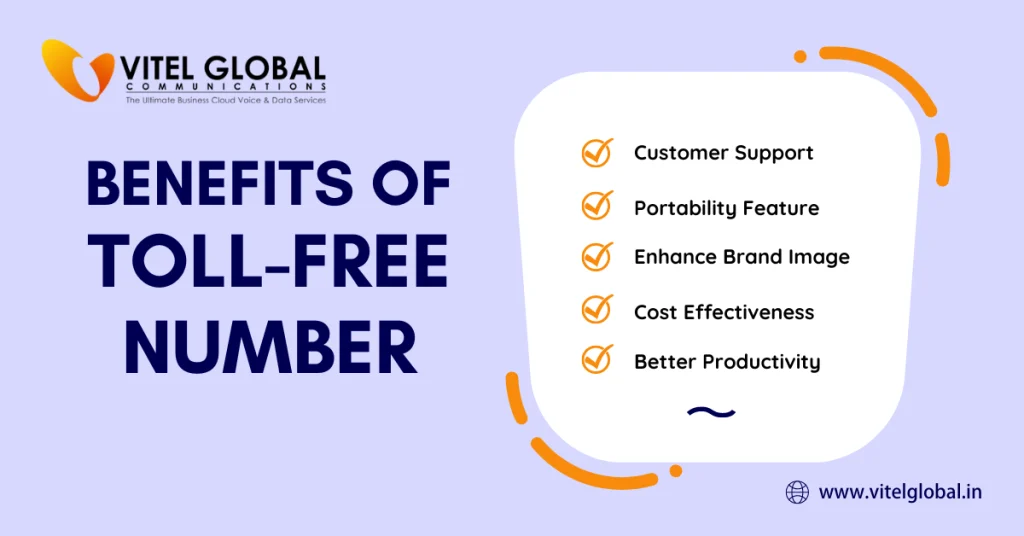
- Increased Call Volume: When customers don’t have to worry about long-distance charges or per-minute fees, they are more likely to initiate contact. This is crucial for businesses aiming to maximize customer engagement, gather feedback, and provide support.
- Improved Customer Satisfaction: The ease of access fosters a sense of customer appreciation. Customers feel valued when a company invests in making it easy for them to reach out. This can translate into higher satisfaction scores and increased loyalty.
- Broader Reach: For businesses operating nationally or internationally, toll-free numbers are indispensable. They allow customers from different regions to connect without incurring significant costs, effectively expanding the business’s accessible market.
- Professional Image and Credibility: A toll-free number often signals a more established and professional business operation. It reassures potential customers that the company is serious about customer service and readily available.
Operational Efficiency and Cost Management
Beyond customer-facing benefits, toll-free numbers offer significant operational advantages that can streamline business processes and manage costs effectively.
- Centralized Communication Hubs: Businesses can route all incoming toll-free calls to a central call center or a specific department, regardless of the company’s physical locations. This simplifies call management, training, and oversight.
- Call Routing and Distribution: As discussed in the technical section, intelligent routing allows calls to be directed to the most appropriate agent or department based on availability, skill set, or call type. This minimizes wait times and ensures callers are handled by knowledgeable personnel.
- Scalability: Toll-free services are highly scalable. As a business grows and call volumes increase, the toll-free system can be easily expanded to accommodate the demand without significant infrastructure changes. This is a key benefit of modern, cloud-based solutions.
- Data Collection and Analytics: Many toll-free providers offer robust analytics dashboards. Businesses can track call volumes, peak hours, caller locations, call durations, and abandonment rates. This data is invaluable for forecasting staffing needs, identifying service bottlenecks, and optimizing marketing campaigns.
- Cost Control: While businesses pay for the toll-free service, it often proves more cost-effective than managing multiple direct-dial lines for customer inquiries, especially when considering the efficiency gains and the cost of lost business due to poor accessibility.
Marketing and Brand Building
Toll-free numbers are not merely functional; they are also powerful marketing and branding assets.
- Memorable Numbers: Many businesses choose vanity toll-free numbers (e.g., 1-800-FLOWERS) that are easy to remember and directly related to their brand or product. These “vanity numbers” act as a constant advertisement and reinforce brand recall.
- Campaign Tracking: Businesses can use different toll-free numbers for different marketing campaigns. By tracking which numbers receive the most calls, they can determine the effectiveness of various advertising channels (e.g., print ads, online ads, radio spots). This provides concrete ROI data for marketing spend.
- Enhanced Brand Perception: A toll-free number contributes to a perception of a well-established, reliable, and customer-focused brand. It signals that the company is investing in its customer relationships.
- Competitive Differentiation: In industries where customer service is a key differentiator, offering a toll-free number can give a business a competitive edge over those who do not.
Implementing and Managing Toll-Free Numbers Effectively
Acquiring and utilizing a toll-free number involves more than just getting a number; it requires a strategic approach to integration within a business’s communication infrastructure and customer service strategy.
Acquiring a Toll-Free Number
The process of obtaining a toll-free number is generally straightforward, but businesses should consider their specific needs.
- Service Provider Selection: The first step is to choose a reputable telecommunications service provider that offers toll-free numbers. Key factors to consider include pricing (setup fees, monthly charges, per-minute rates), available features (IVR, analytics, call recording), customer support quality, and contract terms.
- Number Availability: Businesses can search for available toll-free numbers, including vanity numbers. Availability of vanity numbers can be competitive, so having a few options in mind is advisable. Providers often have online tools to check availability.
- Number Portability Considerations: If a business already has a toll-free number, they should confirm the provider’s number portability policy and the process for transferring the number. This ensures continuity of service and avoids the need to advertise a new number.
- Regulatory Compliance: Businesses should be aware of any relevant regulations regarding toll-free numbers in their operating regions, particularly concerning data privacy and call handling.
Integrating Toll-Free Numbers into Business Operations
Once acquired, a toll-free number needs to be seamlessly integrated into a business’s existing systems and workflows.
- Call Routing Configuration: This is a critical step. Businesses must decide how incoming calls will be handled. This involves configuring the call flow, setting up IVR menus, defining ring groups, and determining how calls will be routed to different agents or departments.
- Agent Training: Customer service agents need to be trained on how to handle calls coming from the toll-free number, including using any associated software or CRM tools, understanding call scripts, and responding to the specific needs of callers who have free access.
- System Integration: For businesses using VoIP systems, CRM software, or other communication platforms, integrating the toll-free number service is essential. This often involves API integrations or specific configuration settings provided by the service provider.
- Website and Marketing Material Updates: Once the number is active, it needs to be prominently displayed on the company website, business cards, advertisements, and all other customer-facing materials. If a vanity number was chosen, ensure it’s used consistently.
Leveraging Advanced Features for Enhanced Performance
The true power of a toll-free number often lies in the advanced features offered by modern service providers. Strategic use of these features can significantly boost efficiency and customer experience.
- IVR Optimization: A well-designed IVR system can efficiently triage calls, provide instant answers to frequently asked questions, and route callers to the correct department, reducing agent workload and improving customer satisfaction. Regularly reviewing IVR performance and making adjustments based on caller feedback is crucial.
- Call Analytics for Business Intelligence: Regularly analyzing call data provides invaluable insights into customer behavior and operational performance. Businesses can identify peak calling times to optimize staffing, pinpoint common customer issues for product or service improvements, and measure the effectiveness of marketing campaigns by tracking call origins.
- Voicemail Management: Implementing features like voicemail-to-email transcription ensures that no customer inquiry is missed, even outside of business hours. This improves response times and demonstrates attentiveness.
- Omnichannel Integration: For a truly modern customer experience, toll-free numbers can be part of an omnichannel strategy. This means integrating them with other communication channels like live chat, email, and social media, providing a unified view of customer interactions across all touchpoints.
- Disaster Preparedness: By programming the toll-free number to forward to alternative numbers or locations, businesses can ensure continuity of service even in the event of local disruptions, such as power outages or office closures.
By understanding the technical capabilities, strategic benefits, and implementation considerations, businesses can harness the full potential of toll-free numbers to foster stronger customer relationships, improve operational efficiency, and drive growth. It’s a foundational element of modern business communication, leveraging technology to create accessible, professional, and responsive customer interactions.
aViewFromTheCave is a participant in the Amazon Services LLC Associates Program, an affiliate advertising program designed to provide a means for sites to earn advertising fees by advertising and linking to Amazon.com. Amazon, the Amazon logo, AmazonSupply, and the AmazonSupply logo are trademarks of Amazon.com, Inc. or its affiliates. As an Amazon Associate we earn affiliate commissions from qualifying purchases.