
In the world of consumer goods, few products manage to transcend their functional purpose to become synonymous with a specific geographical location. While France has its macarons and Switzerland its chocolate, Japan—specifically its capital—has the Tokyo Banana. Launched in 1991 by Grapestone Co., this banana-shaped sponge cake filled with strained banana custard has become the undisputed “omiyage” (souvenir) king of Tokyo.
However, looking at Tokyo Banana through a brand strategy lens reveals that its success is not merely a result of its flavor profile. It is a masterclass in visual identity, psychological positioning, and scarcity marketing. This article examines how Tokyo Banana transitioned from a simple snack to a billion-yen brand that serves as a blueprint for regional corporate identity and marketing excellence.
1. The Anatomy of a Visual Identity: Design and Aesthetic Appeal
A brand’s visual identity is its first point of contact with the consumer. For Tokyo Banana, the design was never accidental; it was a calculated move to evoke specific emotions and cultural associations.
The Iconic Shape and Color Palette
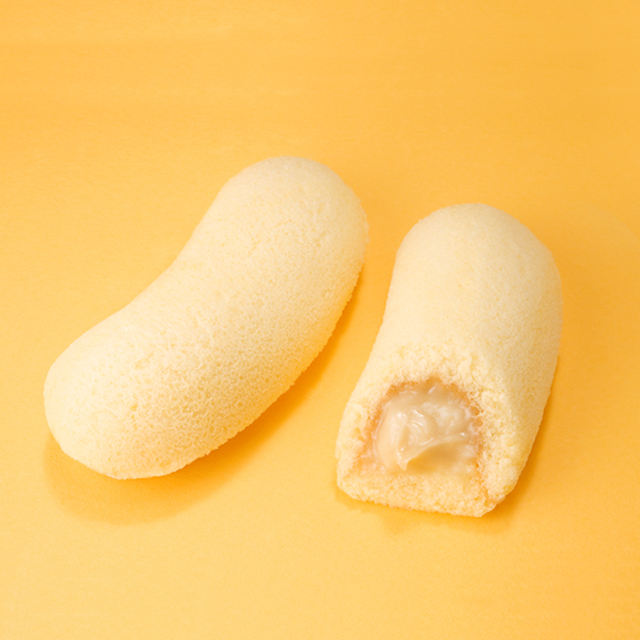
The choice of the banana—a fruit that was once a luxury item in post-war Japan—evokes a sense of nostalgia and treat-like status. From a design perspective, the soft, curved silhouette of the sponge cake is inherently “kawaii” (cute), a central pillar of Japanese aesthetic culture. The brand utilizes a specific shade of pastel yellow that conveys freshness, cheerfulness, and warmth. In a crowded marketplace like Tokyo Station, where thousands of products vie for attention, the consistent use of this soft yellow creates instant brand recognition (brand salience).
Packaging as a Storytelling Tool
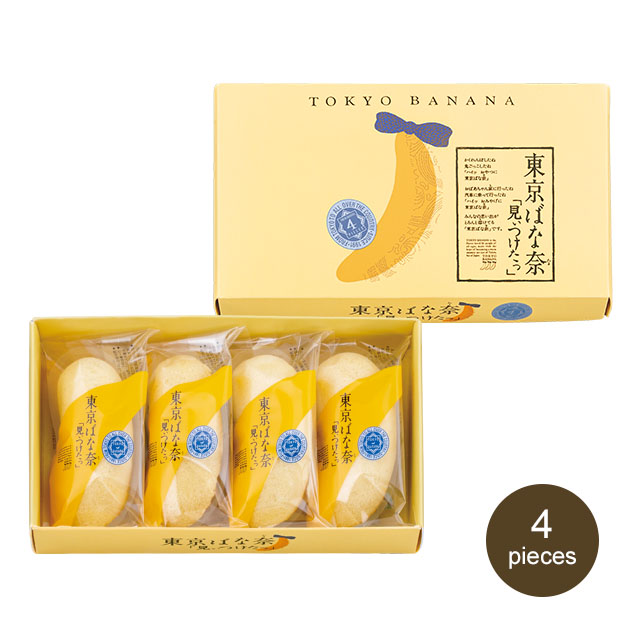
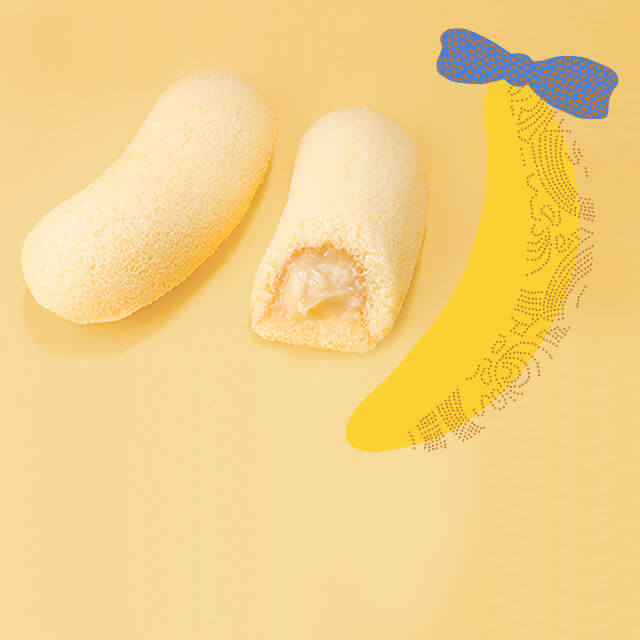
Tokyo Banana’s packaging is a lesson in “The Art of the Gift.” In Japanese culture, the presentation of a gift is often as important as the gift itself. Each cake is individually wrapped, ensuring hygiene and portion control, but more importantly, creating a ritualistic opening experience. The outer box features a minimalist yet sophisticated illustration of a banana adorned with a feminine ribbon. This bow is a crucial brand asset; it signals that the product is a “gift” (omiyage) rather than a mere “snack” (oyatsu). This subtle distinction allows the brand to command a premium price point.
2. Strategic Positioning: Navigating the “Omiyage” Culture
To understand the brand power of Tokyo Banana, one must understand the Japanese concept of Omiyage. Unlike a western “souvenir” which is often a trinket for oneself, omiyage is a social obligation—a gift brought back for colleagues, friends, and family to share the experience of a trip.
Creating the “Must-Buy” Status
Tokyo Banana positioned itself as the definitive “Taste of Tokyo.” By naming the product after the city, Grapestone Co. inextricably linked the brand’s identity to the capital’s identity. When travelers ask, “What should I bring back from Tokyo?” the brand name itself provides the answer. This is a classic example of “Top of Mind Awareness” (TOMA). The brand doesn’t just sell cake; it sells a solution to a social requirement.
Targeted Distribution Channels
The brand’s distribution strategy is a surgical exercise in reaching the target demographic. Instead of saturating every supermarket in Japan, Tokyo Banana focused on high-traffic transit hubs: Haneda Airport, Narita Airport, and Tokyo Station. By limiting physical availability to the points of departure from the city, the brand reinforces its status as a “traveler’s exclusive.” This strategic placement ensures that the brand remains a symbol of movement and travel, preventing it from becoming a mundane, everyday grocery item.
3. Product Line Extension and Scarcity Marketing
One of the greatest risks to an established brand is stagnation. Tokyo Banana has avoided this through a rigorous strategy of product line extensions and “Limited Edition” marketing, which keeps the brand relevant to both new and returning customers.
Limited Editions and Collaborative Branding
The brand has mastered the art of the “Collaboration Strategy.” By partnering with global icons like Disney, Pokémon, and Hello Kitty, Tokyo Banana taps into existing fanbases and elevates its “collectibility.” For example, the “Pikachu Tokyo Banana” features the character’s face printed on the sponge. This doesn’t just attract children; it attracts the massive “kidult” market and social media influencers. From a brand perspective, these collaborations keep the core product fresh without requiring a fundamental change to the manufacturing process.
Regional and Seasonal Variations
Scarcity is a powerful driver of consumer behavior. Tokyo Banana utilizes “Seasonal Exclusives”—such as maple-flavored versions for autumn or cherry blossom themes for spring. Furthermore, they have created site-specific variations, such as the “Tokyo Banana Honey” flavor exclusive to Haneda Airport. This creates a “treasure hunt” mentality among consumers. If a customer knows they can only get a specific flavor at a specific gate in the airport, the perceived value of that product skyrockets.
4. Brand Resilience and Modern Marketing Lessons
In the digital age, a brand must survive beyond the physical shelf. Tokyo Banana has transitioned into the digital era by focusing on “Instagrammability” and consistent brand messaging.
Leveraging Visual Social Media
The aesthetic of Tokyo Banana—the patterns (leopard prints, hearts, stars) on the sponge and the pristine packaging—is perfectly suited for social media. The brand encourages user-generated content by creating products that are inherently photogenic. This provides the company with free organic marketing, as tourists post their “haul” from Tokyo on platforms like Instagram and TikTok, further cementing the brand’s status as a cultural landmark for international visitors.
Consistency vs. Innovation: The Balancing Act
The genius of Tokyo Banana’s brand management lies in its ability to innovate while remaining consistent. While the flavors and patterns change, the core brand promise—a soft, high-quality, cream-filled sponge cake that represents Tokyo—never wavers. This consistency builds brand trust. Consumers know that whether they buy a standard box or a limited-edition collaboration, the quality and “gift-worthiness” will remain the same.
Lessons for Modern Brand Strategists
The success of Tokyo Banana offers three key takeaways for any brand strategist:
- Identity is Destination: If you can link your brand to a specific place or feeling, you create a unique moat that competitors cannot easily cross.
- The Package is the Product: In luxury or gift markets, the container and the “unboxing” experience are primary drivers of value.
- Controlled Scarcity Drives Demand: By limiting where and when certain products can be purchased, you transform a commodity into a collectible.
Conclusion
Tokyo Banana is far more than a confectionery success story; it is a sophisticated brand entity that has successfully navigated the complexities of Japanese social customs and modern retail psychology. Through disciplined visual identity, strategic placement in transit hubs, and a brilliant use of collaborations and scarcity, it has secured its place as a permanent fixture of Tokyo’s corporate and cultural landscape. For businesses looking to build a brand that lasts decades, Tokyo Banana serves as a reminder that when you sell a story and a tradition, you create a product that people will travel across the world to buy.
aViewFromTheCave is a participant in the Amazon Services LLC Associates Program, an affiliate advertising program designed to provide a means for sites to earn advertising fees by advertising and linking to Amazon.com. Amazon, the Amazon logo, AmazonSupply, and the AmazonSupply logo are trademarks of Amazon.com, Inc. or its affiliates. As an Amazon Associate we earn affiliate commissions from qualifying purchases.