
In the modern economic ecosystem, few figures carry as much weight as the interest rate. Whether you are a first-time homebuyer, a seasoned stock market investor, or someone simply trying to grow a modest savings account, the prevailing interest rate dictates the “cost of money.” When people ask, “What is today’s interest rate?” they are rarely looking for a single number. Instead, they are inquiring about a multifaceted web of percentages that influence everything from monthly mortgage payments to the annual percentage yield (APY) on a certificate of deposit.
Understanding today’s interest rates requires looking beyond the headlines. We are currently navigating a pivotal era in monetary history, transitioning from a decade of “easy money” and near-zero rates into a more restrictive environment designed to combat global inflation. This shift has profound implications for personal finance, business operations, and long-term wealth accumulation.
Understanding the Drivers of Today’s Interest Rates
To understand why your local bank offers a specific rate on a car loan or a savings account, one must first look at the institutional “architects” of the financial world. Interest rates do not exist in a vacuum; they are the result of deliberate policy, market sentiment, and macroeconomic indicators.
The Role of the Federal Reserve and the Federal Funds Rate
The most significant influencer of interest rates in the United States is the Federal Reserve, specifically the Federal Open Market Committee (FOMC). The “base” rate that sets the tone for all others is the Federal Funds Rate—the interest rate at which commercial banks borrow and lend their excess reserves to each other overnight.
When the Fed raises this rate, it becomes more expensive for banks to move money. Consequently, banks pass these costs on to consumers by raising rates on credit cards, mortgages, and business loans. Conversely, in a cooling economy, the Fed may lower rates to encourage borrowing and spending.
Inflation and Economic Indicators
The primary catalyst for the recent volatility in interest rates is inflation. Central banks have a “dual mandate”: to promote maximum employment and maintain stable prices. When the Consumer Price Index (CPI) rises too quickly, indicating that the purchasing power of the dollar is eroding, the Fed raises interest rates to “cool” the economy. Higher borrowing costs reduce consumer spending and business investment, which eventually slows down price increases. Today’s interest rate is, in many ways, a direct reflection of the government’s confidence—or concern—regarding the current rate of inflation.
Global Market Sentiment and Treasury Yields
While the Fed sets short-term policy, the bond market influences long-term rates. The yield on the 10-year Treasury note is a critical benchmark. It reflects the market’s long-term outlook on the economy. If investors are nervous about the future, they may flock to the safety of government bonds, driving prices up and yields down. Mortgage lenders often peg their 30-year fixed rates to the movement of these Treasury yields, making the bond market an essential “watch list” for anyone tracking today’s interest rates.
The Impact on Borrowing: Mortgages, Auto Loans, and Credit
For the average consumer, the most tangible manifestation of interest rates is found in the cost of borrowing. In a high-rate environment, the “purchasing power” of a monthly budget shrinks significantly.
Navigating the Current Mortgage Landscape
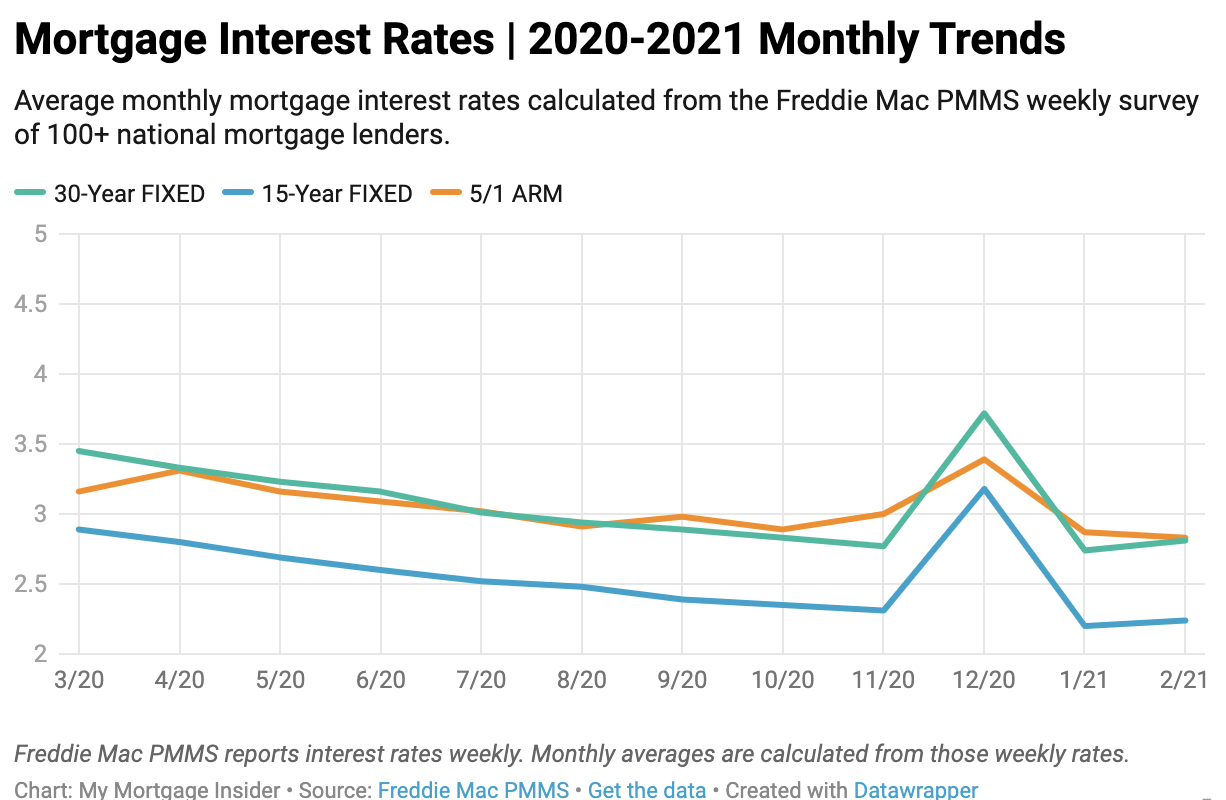
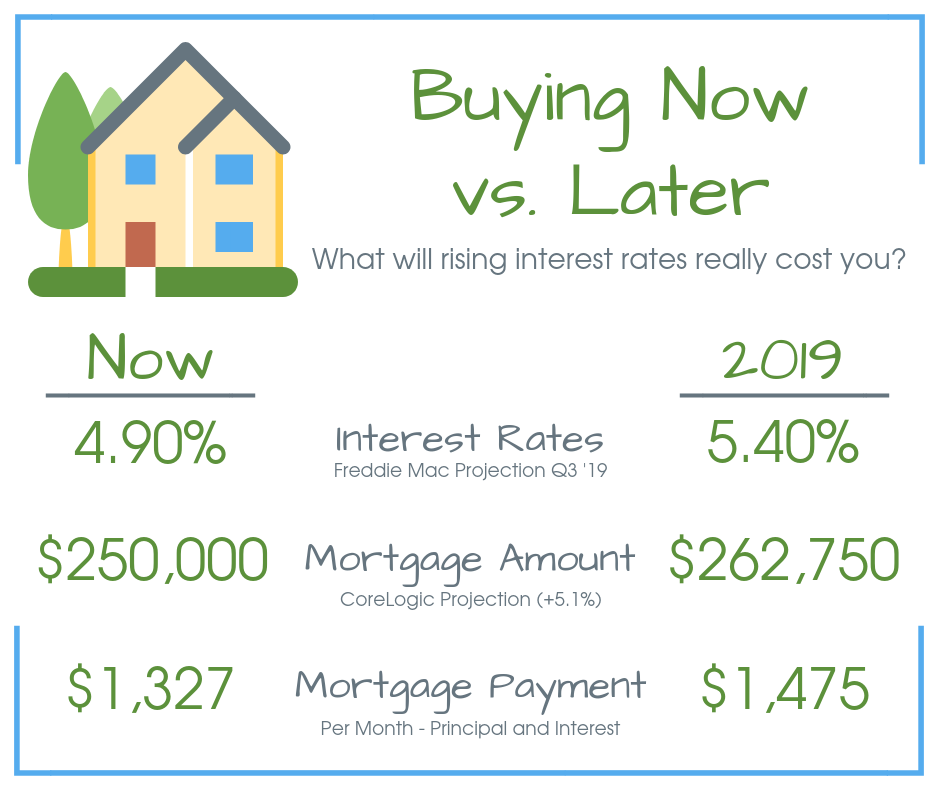
The housing market is perhaps the most sensitive sector to interest rate fluctuations. A move from a 3% mortgage rate to a 7% rate can add hundreds, if not thousands, of dollars to a monthly payment for the exact same house.
Today’s mortgage rates are influenced by a combination of the Fed’s stance and the secondary mortgage market. Prospective buyers must now decide between the stability of a 30-year fixed-rate mortgage and the initial lower costs of an Adjustable-Rate Mortgage (ARM). In today’s climate, the “wait and see” approach has become common, though many experts suggest that “marrying the house and dating the rate”—buying now and refinancing later—is a viable strategy if rates are expected to drop in the coming years.
Auto Loans and Personal Credit in a High-Rate Environment
It isn’t just housing that has become more expensive. Auto loans, which were once routinely offered at 0% to 2% APR for qualified buyers, have climbed significantly. This shift has forced consumers to reconsider their vehicle choices or extend loan terms to 72 or 84 months just to keep payments manageable—a risky move that can lead to “negative equity,” where the borrower owes more than the car is worth.
Furthermore, credit card APRs are often tied to the Prime Rate, which moves in lockstep with the Federal Reserve. For those carrying a balance, today’s interest rates represent a significant financial headwind, as a larger portion of every payment goes toward interest rather than principal.
Strategies for Refinancing and Debt Management
In a fluctuating rate environment, timing is everything. For those who locked in low rates years ago, the current “today’s rate” serves as a deterrent to moving or refinancing. However, for those with high-interest debt, seeking a debt consolidation loan might still be beneficial if the consolidated rate is lower than the weighted average of their current credit card interest. Understanding the trajectory of rates allows borrowers to make informed decisions about when to pull the trigger on a new loan.
The Upside for Savers: Maximizing Returns in the Current Climate
While high interest rates are a burden for borrowers, they are a boon for savers. For nearly a decade following the 2008 financial crisis, “savers were punished” with interest rates on bank accounts that failed to keep up with even modest inflation. That dynamic has shifted dramatically.
High-Yield Savings Accounts (HYSAs) vs. Traditional Banking
Today, the disparity between a traditional “big bank” savings account and a High-Yield Savings Account (HYSA) from an online-first institution is staggering. While a traditional brick-and-mortar bank might offer a measly 0.01% APY, many HYSAs are currently offering 4.00% to 5.00% or more. For a consumer with $10,000 in emergency savings, this is the difference between earning $1 a year and earning $500 a year. Staying informed about today’s rates allows individuals to move their liquid cash to where it works hardest.
Certificates of Deposit (CDs) and Treasury Bills
For those who do not need immediate access to their funds, Certificates of Deposit (CDs) and U.S. Treasury Bills (T-Bills) offer a way to “lock in” today’s high rates for the future. If you suspect that interest rates will fall in the next twelve months, opening a 1-year CD today ensures you continue to earn today’s high yield even if the market rates drop. CD “ladders”—staggering the maturity dates of multiple CDs—remain a popular strategy for maintaining liquidity while capturing high returns.
The Psychology of Saving When Rates Are High
High interest rates encourage a “delayed gratification” mindset. When the return on cash is high, the opportunity cost of spending money on luxury items increases. Investors and families are more likely to bolster their emergency funds and retirement accounts when they can see tangible, monthly growth from interest payments. This shift in behavior is exactly what central banks hope to achieve to bring inflation under control.
Investment Strategies in a Fluctuating Interest Rate Market
Beyond simple bank accounts, interest rates are the “gravity” of the investment world. As rates rise, they pull down the valuations of other assets; as they fall, assets tend to rise.
Bond Market Dynamics and the Inverse Relationship
One of the fundamental rules of finance is that bond prices and interest rates move in opposite directions. When today’s interest rates rise, existing bonds with lower rates become less attractive, and their market price drops. For investors holding individual bonds or bond funds, this can lead to temporary paper losses. However, for new investors, today’s environment offers the highest “yield to maturity” seen in years, making fixed-income a viable alternative to the volatility of the stock market.
Equity Market Volatility and Sector Performance
The stock market views interest rates through the lens of profitability. Higher rates mean higher borrowing costs for corporations, which can eat into profit margins. Growth stocks—particularly in the tech sector—are often hit hardest because their valuations are based on projected future earnings. When rates are high, those future dollars are discounted more heavily. Conversely, value sectors like insurance and banking often perform well when rates are higher, as they can generate more income from their lending activities.
Real Estate Investment Trusts (REITs) and Tangible Assets
For those looking at “Money” through the lens of passive income, interest rates heavily impact REITs. Since REITs often rely on debt to acquire properties, higher rates can increase their expenses. However, they also offer a hedge against inflation. Understanding the nuances of how today’s rates impact different asset classes is essential for maintaining a diversified and resilient portfolio.

Conclusion: Staying Proactive in an Evolving Economy
Asking “What is today’s interest rate?” is the first step toward financial literacy in a complex world. Whether you are looking at the 5.25%—5.50% range of the Federal Funds Rate or the specific 7.5% APR on a personal loan, these numbers are the heartbeat of your financial life.
To thrive in the current climate, one must remain proactive. For borrowers, this means improving credit scores to qualify for the best possible “today’s rate” and avoiding unnecessary high-interest debt. For savers and investors, it means shopping around for the best yields and understanding how rate cycles affect asset allocation. While we cannot control the decisions of the Federal Reserve or the fluctuations of the global bond market, we can control how we position our finances in response to them. In the world of money, knowledge of the current rate isn’t just a statistic—it is a tool for building long-term security.
aViewFromTheCave is a participant in the Amazon Services LLC Associates Program, an affiliate advertising program designed to provide a means for sites to earn advertising fees by advertising and linking to Amazon.com. Amazon, the Amazon logo, AmazonSupply, and the AmazonSupply logo are trademarks of Amazon.com, Inc. or its affiliates. As an Amazon Associate we earn affiliate commissions from qualifying purchases.