
The question “What is today’s interest rate on a home loan?” is arguably one of the most critical inquiries for anyone considering purchasing a home or refinancing an existing mortgage. It’s a question that doesn’t have a single, static answer, much like asking “What is today’s stock price?” without specifying a company. Interest rates on home loans are a dynamic entity, shifting not just daily, but sometimes hourly, influenced by a complex web of economic indicators, market forces, lender policies, and individual borrower characteristics. Understanding these nuances is paramount for making informed financial decisions in the realm of real estate.
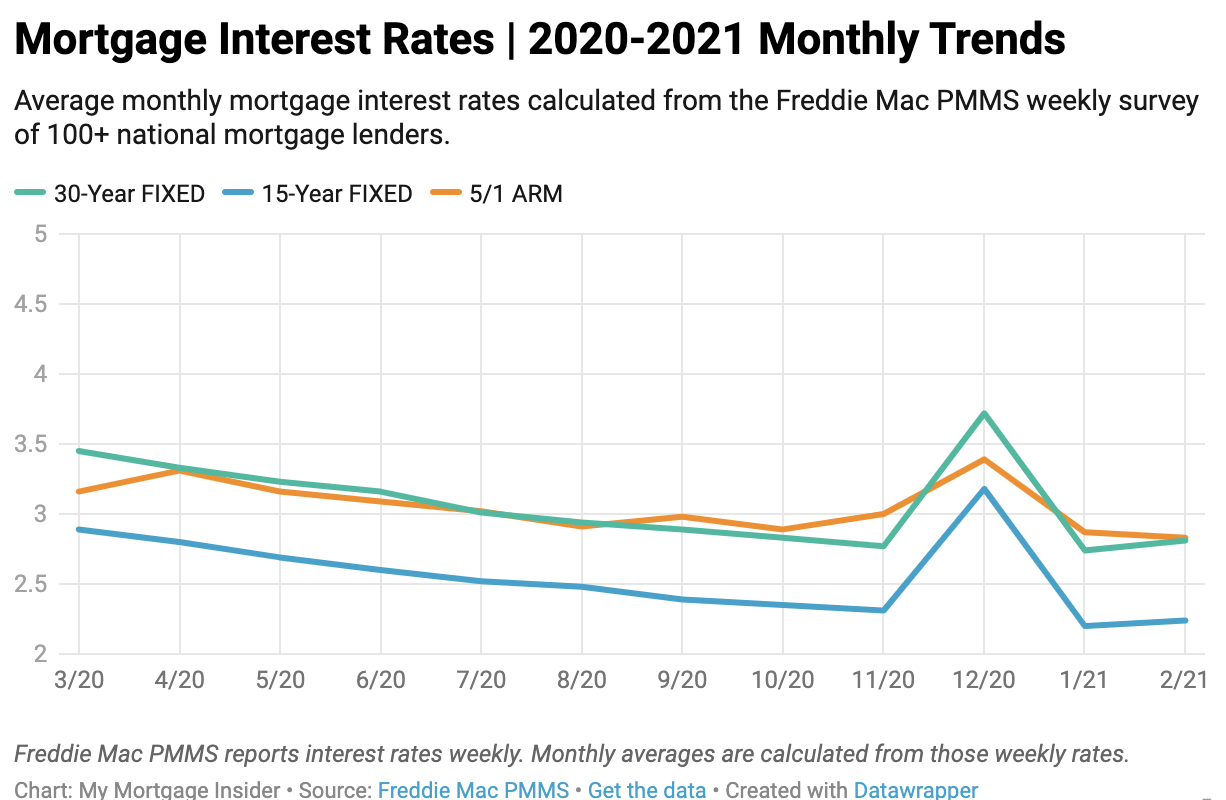
This article will demystify the intricacies of home loan interest rates, exploring the factors that drive their fluctuations, the different types of loans available, and practical strategies borrowers can employ to secure the most favorable terms. For anyone navigating the significant financial commitment of a home loan, grasping these concepts is not just helpful—it’s essential for long-term financial health.
Understanding the Dynamic Nature of Home Loan Interest Rates
The phrase “today’s interest rate” suggests a singular, universal figure, but the reality is far more intricate. Mortgage rates are a moving target, influenced by an interplay of global, national, and individual factors. Lenders don’t simply pull a number out of thin air; their rates are a carefully calculated reflection of current market conditions and their risk assessment.
The Concept of “Today’s Rate”
“Today’s rate” is less about a universal standard and more about a snapshot in time, specific to a particular lender, a particular borrower, and a particular loan product. When you inquire about rates, you’re often given an initial quote, which is indicative but subject to change until your rate is locked. This lock protects you from market fluctuations for a specific period (e.g., 30, 45, or 60 days) while your loan processes. Without a lock, rates can and will change, potentially altering your monthly payment.
Key Market Indicators and Their Impact
Several key market indicators play a significant role in shaping daily mortgage rates. The bond market, particularly the yield on the 10-year Treasury note, is a primary driver. Mortgage-backed securities (MBS), which are essentially bundles of home loans sold to investors, also heavily influence rates. When MBS prices fall, yields rise, and mortgage rates typically follow suit. Conversely, when MBS prices rise, yields fall, pushing mortgage rates down.
Economic reports released daily or weekly also sway investor sentiment and, consequently, rates. These include inflation data (Consumer Price Index, Producer Price Index), employment figures (jobs reports), manufacturing data, and consumer confidence surveys. Positive economic news that suggests growth and potential inflation can lead to higher rates as investors demand greater returns to offset future purchasing power erosion. Conversely, signs of a slowing economy or deflationary pressures can cause rates to dip.
How Lenders Set Their Daily Rates
Lenders don’t just pass on the bond market yield directly. They add a “spread” or margin to cover their operational costs, profit, and the risk associated with lending money. This spread can vary significantly between lenders based on their business model, overhead, desired profit margins, and competitive landscape. Some lenders might offer slightly lower rates but charge higher fees (points), while others might have higher rates but fewer upfront costs.
Furthermore, lenders categorize borrowers based on creditworthiness and risk. A borrower with an excellent credit score, a low debt-to-income (DTI) ratio, and a substantial down payment is perceived as less risky and will generally be offered a more favorable interest rate than a borrower with a lower credit score or higher DTI. This individualized assessment is a critical component of how “today’s rate” is ultimately determined for you.
Core Factors That Shape Your Home Loan Rate
Beyond the immediate market fluctuations, several fundamental factors exert a profound influence on the interest rate you’ll ultimately pay for a home loan. These can be broadly categorized into macroeconomic forces that affect everyone and borrower-specific details that are unique to your financial profile.
Macroeconomic Influences: Inflation, Federal Reserve Policy, Bond Market
-
Inflation: This is perhaps the most significant long-term driver of interest rates. When inflation is high, the purchasing power of money erodes over time. Lenders, to protect the real value of the money they lend, demand higher interest rates to compensate for this anticipated loss. Conversely, low inflation or deflationary environments tend to push rates down.
-
Federal Reserve Policy: While the Federal Reserve doesn’t directly set mortgage rates, its actions have an undeniable ripple effect. The Fed primarily influences short-term interest rates through the federal funds rate. When the Fed raises this rate, it signals a tightening of monetary policy, which typically leads to higher rates across the economy, including mortgage rates. Conversely, rate cuts aim to stimulate borrowing and spending, often resulting in lower mortgage rates. The Fed’s quantitative easing or tightening programs, which involve buying or selling government bonds and mortgage-backed securities, also directly impact the supply and demand for these instruments, thereby influencing their yields and, consequently, mortgage rates.
-
Bond Market: As mentioned earlier, the yield on the 10-year Treasury note is a strong indicator for long-term mortgage rates. This is because mortgage-backed securities (MBS) are often benchmarked against these Treasury yields. When investors buy more Treasuries, their yield drops, often pulling mortgage rates down. When investors sell Treasuries, the yield rises, and mortgage rates tend to follow suit.
Borrower-Specific Factors: Credit Score, Debt-to-Income, Down Payment
-
Credit Score: Your credit score is a numerical representation of your creditworthiness. A higher score (typically FICO scores above 740) indicates a lower risk to lenders, translating into access to the best available interest rates. Borrowers with lower scores are considered higher risk and will be charged higher rates to compensate the lender for that increased risk.
-
Debt-to-Income (DTI) Ratio: This ratio compares your total monthly debt payments (including the new mortgage payment) to your gross monthly income. Lenders use DTI to assess your ability to manage monthly payments. A lower DTI (generally below 43-45%) signals that you have more disposable income to cover your mortgage, making you a more attractive borrower and potentially qualifying you for lower rates.
-
Down Payment: A larger down payment reduces the loan amount, which lowers the lender’s risk. This is because the borrower has more equity in the property from the outset. Borrowers who put down 20% or more often avoid private mortgage insurance (PMI) and can secure more favorable interest rates. While a smaller down payment is possible, it typically comes with higher interest rates or additional costs like PMI.
Loan Program and Term: Fixed vs. Adjustable, Loan Term Length, Loan Type
-
Fixed vs. Adjustable Rates: Fixed-rate mortgages offer a constant interest rate for the life of the loan, providing predictability. Adjustable-rate mortgages (ARMs) typically start with a lower fixed rate for an initial period (e.g., 3, 5, 7, or 10 years) and then adjust periodically based on a market index. While ARMs can offer lower initial rates, they carry the risk of rate increases in the future.
-
Loan Term Length: The most common mortgage terms are 15-year and 30-year. Shorter terms (e.g., 15-year) typically come with lower interest rates because the lender’s money is tied up for a shorter period, reducing their long-term risk. However, they also result in higher monthly payments. Longer terms (e.g., 30-year) have higher interest rates but lower monthly payments, offering greater affordability for many.
-
Loan Type: Different loan programs cater to various needs and often come with distinct rate structures:
-
Conventional Loans: The most common type, not insured by the government. Rates vary widely based on borrower qualifications.
-
FHA Loans: Insured by the Federal Housing Administration, designed for borrowers with lower credit scores or smaller down payments. They often have competitive rates but require mortgage insurance premiums (MIP).
-
VA Loans: Guaranteed by the Department of Veterans Affairs for eligible service members, veterans, and surviving spouses. They often offer very competitive rates, no down payment, and no private mortgage insurance.
-
USDA Loans: Backed by the U.S. Department of Agriculture for rural homebuyers. They offer competitive rates and require no down payment for eligible properties and borrowers within income limits.
-
Navigating Different Home Loan Options and Their Rate Implications
The choice of home loan product significantly impacts the interest rate you’ll receive, as well as the predictability and overall cost of your mortgage. Understanding the fundamental differences between fixed-rate, adjustable-rate, and government-backed loans is crucial for selecting the option that best aligns with your financial goals and risk tolerance.
Fixed-Rate Mortgages: Stability and Predictability
Fixed-rate mortgages are the most popular choice, primarily because they offer unparalleled stability. The interest rate remains constant for the entire duration of the loan, whether it’s 15, 20, or 30 years. This means your principal and interest payment will never change, providing predictable monthly housing costs.
-
Pros: Budget stability, protection from rising interest rates, easier long-term financial planning.
-
Cons: You won’t benefit if market rates fall (unless you refinance), initial rates might be slightly higher than initial ARM rates.
-
Rate Implications: Rates on fixed mortgages are heavily influenced by the 10-year Treasury yield and inflation expectations. Lenders price in the risk of inflation over the long term, so if inflation is expected to rise, fixed rates will be higher.
Adjustable-Rate Mortgages (ARMs): Initial Savings, Future Risks
Adjustable-rate mortgages typically offer a lower initial interest rate than fixed-rate mortgages for a set period (e.g., 3, 5, 7, or 10 years). After this initial fixed period, the interest rate adjusts periodically (e.g., annually) based on a specified market index (like the Secured Overnight Financing Rate – SOFR) plus a lender’s margin. ARMs come with caps that limit how much the rate can change per adjustment period and over the life of the loan.
-
Pros: Lower initial payments, potentially significant savings if you plan to sell or refinance before the fixed period ends, or if rates fall after the adjustment period.
-
Cons: Payment uncertainty after the initial fixed period, risk of significantly higher payments if market rates rise, more complex structure.
-
Rate Implications: The initial fixed period rates are often more responsive to short-term market conditions. After adjustment, their rates directly track an index, meaning they are highly sensitive to Federal Reserve policy and overall short-term interest rate movements.
Government-Backed Loans: FHA, VA, and USDA Benefits

These loan programs are designed to make homeownership more accessible to specific demographics or in certain geographic areas, often by offering more lenient qualifying criteria and competitive rates.
-
FHA Loans: Insured by the Federal Housing Administration, these loans are ideal for borrowers with less-than-perfect credit or limited funds for a down payment (as low as 3.5%).
- Rate Implications: FHA rates are often competitive with conventional loans, sometimes even slightly lower due to the government insurance. However, they require both upfront and annual mortgage insurance premiums (MIP), which add to the overall cost.
-
VA Loans: Guaranteed by the U.S. Department of Veterans Affairs, available to eligible service members, veterans, and surviving spouses. VA loans are renowned for requiring no down payment and no private mortgage insurance.
- Rate Implications: VA loans typically offer some of the lowest interest rates on the market because the government guarantee significantly reduces the risk for lenders. Borrowers usually pay a one-time funding fee, which can often be rolled into the loan.
-
USDA Loans: Backed by the U.S. Department of Agriculture, these loans are for low-to-moderate-income individuals purchasing homes in eligible rural areas. They also offer no down payment.
- Rate Implications: USDA loan rates are generally very competitive, similar to FHA rates, and often lower than conventional loans, primarily because of the government backing. They also require an upfront and annual guarantee fee, similar to FHA’s MIP.
Choosing the right loan type involves weighing the stability of a fixed rate against the potential initial savings of an ARM, or leveraging the unique benefits of government-backed programs if you qualify. Each choice has distinct implications for your interest rate and long-term financial commitment.
Strategies for Securing the Most Favorable Interest Rate
While many factors influencing home loan interest rates are beyond an individual’s control, prospective borrowers are not entirely at the mercy of the market. There are several proactive strategies one can employ to improve their chances of securing a more favorable interest rate. These involve enhancing your financial profile, diligent comparison shopping, and understanding how to leverage specific loan features.
Improving Your Financial Profile
Lenders assess risk, and a stronger financial profile translates directly into lower perceived risk, which often means a lower interest rate.
-
Boost Your Credit Score: This is paramount. Pay all bills on time, keep credit card balances low, avoid opening new lines of credit before applying for a mortgage, and dispute any errors on your credit report. A higher FICO score (generally 740+) signals to lenders that you are a reliable borrower.
-
Reduce Your Debt-to-Income (DTI) Ratio: Pay down existing debts, especially high-interest credit card debt or personal loans, before applying for a mortgage. A lower DTI (ideally under 36%, and certainly below 43-45%) demonstrates you can comfortably manage your new mortgage payments.
-
Increase Your Down Payment: The more money you put down, the less you need to borrow, and the less risk the lender assumes. A 20% down payment is often the benchmark to avoid private mortgage insurance (PMI) on conventional loans and can sometimes unlock slightly better rates. Even a slightly larger down payment than originally planned can make a difference.
-
Build Your Savings/Reserves: Lenders like to see that you have a cushion of liquid assets (e.g., three to six months of mortgage payments) after your down payment and closing costs. This indicates financial stability and an ability to weather unexpected expenses.
Shopping Around and Comparing Offers
This is one of the most impactful steps you can take. Don’t simply accept the first offer you receive.
-
Contact Multiple Lenders: Get quotes from at least three to five different lenders, including traditional banks, credit unions, and online mortgage brokers. Each lender has different pricing models, risk appetites, and fees.
-
Compare Loan Estimates: Once you apply, lenders are required to provide a standardized “Loan Estimate” form. This document clearly outlines the interest rate, closing costs, monthly payment, and other terms. Compare these forms side-by-side to identify the best overall deal, not just the lowest advertised rate. Pay close attention to the Annual Percentage Rate (APR), which reflects the total cost of the loan over its term, including some fees.
-
Ask for Rate Matches: If you receive a better offer from one lender, don’t hesitate to ask another lender if they can match or beat it. Competition is fierce in the mortgage industry, and lenders want your business.
-
Consider a Mortgage Broker: A mortgage broker works with multiple lenders and can shop for rates on your behalf, potentially saving you time and effort in finding the best deal.
Understanding and Utilizing Mortgage Points
Mortgage points (also known as discount points) are an upfront fee paid to the lender in exchange for a lower interest rate. One point typically equals 1% of the loan amount.
-
“Buying Down” Your Rate: If you plan to stay in your home for a long time, paying points to lower your interest rate can result in significant savings over the life of the loan. You’ll need to calculate the “break-even point” – how long it takes for the savings from the lower monthly payment to recoup the cost of the points.
-
Lender Credits: Conversely, some lenders offer “lender credits” where they cover some or all of your closing costs in exchange for a slightly higher interest rate. This can be beneficial if you have limited cash for closing costs, but it means a higher total cost over the loan’s term.
Timing the Market (or Not)
While it’s impossible to perfectly time the market, staying informed about economic trends can help.
-
Monitor Economic News: Keep an eye on reports about inflation, Federal Reserve policy, and bond market performance. These indicators can provide clues about the likely direction of interest rates.
-
Be Ready to Act: If rates dip, and you’re prepared with all your documentation, you can move quickly to lock in a favorable rate. However, don’t let the pursuit of the absolute lowest rate delay your home purchase if you find the right home and a rate that is affordable for your budget. A “good enough” rate that allows you to buy the right home is often better than waiting indefinitely for a theoretical perfect rate.
By proactively managing your financial health, diligently comparing offers, and understanding the strategic use of mortgage points, you can significantly influence the interest rate you secure, ultimately leading to a more affordable and manageable home loan.
Beyond the Interest Rate: A Holistic View of Home Loan Costs
While the interest rate is undeniably a critical component of a home loan, focusing solely on it can lead to an incomplete and potentially misleading understanding of the true cost of borrowing. A truly insightful assessment requires looking at the broader financial picture, encompassing the Annual Percentage Rate (APR), closing costs, and ongoing expenses.
The Importance of Annual Percentage Rate (APR)
The Annual Percentage Rate (APR) is a crucial metric that provides a more comprehensive measure of the cost of borrowing compared to the nominal interest rate alone. It represents the total cost of the loan over its term, expressed as a yearly percentage.
-
What APR Includes: Unlike the interest rate, which only reflects the cost of borrowing the principal, the APR incorporates certain upfront fees associated with obtaining the loan. These can include points, origination fees, mortgage broker fees, and some other charges.
-
Why It’s a Better Comparison Tool: When comparing loan offers from different lenders, the APR often provides a more accurate apples-to-apples comparison than just the interest rate. A loan with a slightly higher interest rate but lower fees might have a lower APR than a loan with a seemingly attractive interest rate but high upfront costs. Always check the APR on your Loan Estimate to understand the true overall cost.
Closing Costs and Fees
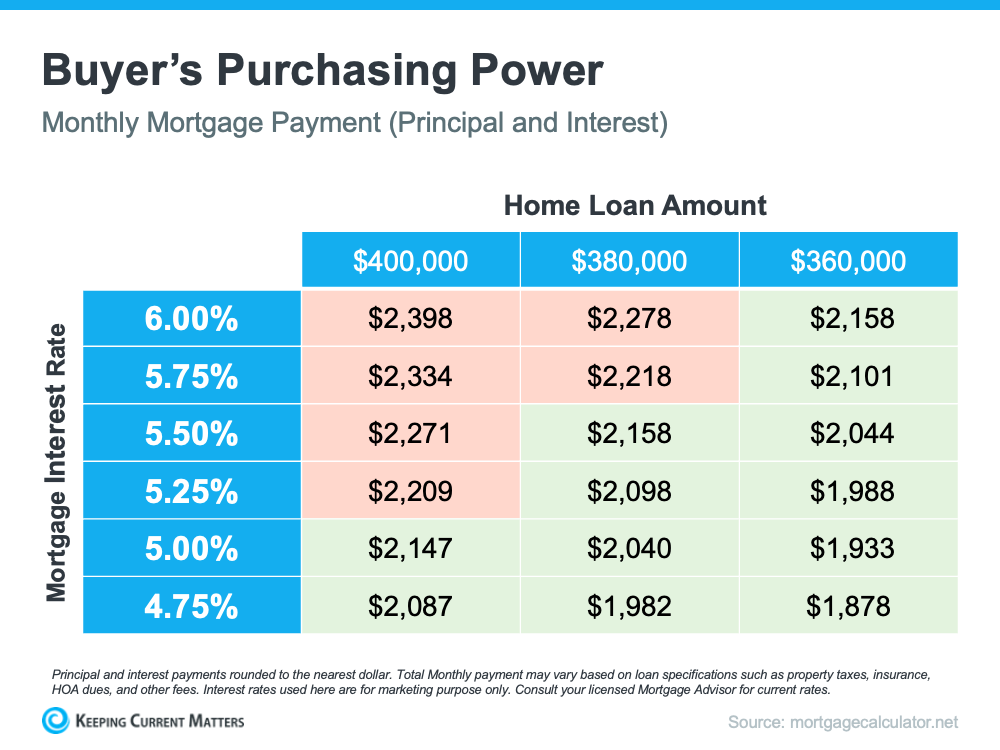
Closing costs are an array of expenses incurred at the time you close on your home loan, typically ranging from 2% to 5% of the loan amount. These costs are separate from your down payment and can significantly impact the amount of cash you need to bring to the closing table.
-
Common Closing Costs:
-
Lender Fees: Origination fees, underwriting fees, application fees, discount points (if paying to lower the rate).
-
Third-Party Fees: Appraisal fees, credit report fees, title search fees, title insurance, attorney fees, recording fees, survey fees.
-
Prepaid Items: Escrow deposits for property taxes and homeowner’s insurance, per diem interest (interest accrued from closing date to the end of the month).
-
-
Negotiating Closing Costs: Some closing costs, particularly lender fees, may be negotiable. You can also explore options like lender credits (in exchange for a higher interest rate), seller concessions (where the seller pays a portion of your closing costs), or rolling certain fees into the loan amount (though this increases your loan balance and interest paid over time). Understanding and budgeting for these costs upfront is essential to avoid surprises.
Escrow Accounts and Ongoing Expenses
Beyond the initial down payment and closing costs, homeowners face ongoing expenses that are often managed through an escrow account, which adds to your monthly mortgage payment.
-
Property Taxes: These are levied by local government entities and are typically paid annually or semi-annually. Lenders usually require you to pay a portion of your property taxes into an escrow account each month, alongside your principal and interest payment.
-
Homeowner’s Insurance: This protects your home and belongings from damage or loss due to events like fire, theft, or natural disasters. Lenders require homeowner’s insurance, and premiums are often collected monthly via escrow.
-
Private Mortgage Insurance (PMI): If you make a down payment of less than 20% on a conventional loan, lenders typically require PMI. This protects the lender if you default on your loan. PMI premiums are added to your monthly payment and continue until you reach a certain equity threshold (usually 20-22%).
-
Homeowner’s Association (HOA) Fees: If your property is part of a homeowner’s association, you will owe regular HOA fees, which cover the maintenance of common areas and amenities. These are typically paid directly by the homeowner and are not usually included in the mortgage escrow account.
By taking a holistic view of the interest rate, APR, closing costs, and ongoing expenses, prospective homeowners can gain a much clearer picture of the true financial commitment involved in a home loan. This comprehensive understanding empowers individuals to make sound financial decisions that extend well beyond the immediate appeal of a low interest rate.
aViewFromTheCave is a participant in the Amazon Services LLC Associates Program, an affiliate advertising program designed to provide a means for sites to earn advertising fees by advertising and linking to Amazon.com. Amazon, the Amazon logo, AmazonSupply, and the AmazonSupply logo are trademarks of Amazon.com, Inc. or its affiliates. As an Amazon Associate we earn affiliate commissions from qualifying purchases.