
In the landscape of personal finance, few numbers carry as much weight as the current mortgage rate. For the prospective homeowner, it determines monthly affordability; for the real estate investor, it dictates the capitalization rate and potential cash flow; and for the broader economy, it acts as a primary lever for consumer spending. Understanding today’s mortgage rate requires looking beyond a single percentage point found on a bank’s landing page. It necessitates a deep dive into the macroeconomic drivers, the internal metrics of the lending industry, and the individual financial profiles that determine the final offer a borrower receives.
The Macroeconomic Forces Shaping Current Interest Rates
The question of what constitutes “today’s rate” is perpetually in flux because mortgage rates are tied to a complex web of global and domestic economic indicators. While many consumers believe the Federal Reserve sets mortgage rates directly, the reality is more nuanced. The Fed sets the federal funds rate—the rate at which commercial banks borrow from each other overnight. While this influences the “prime rate” for credit cards and auto loans, mortgage rates more closely track the yield on the 10-year Treasury note.
The Role of Inflation and the Federal Reserve
Inflation is the primary enemy of fixed-income investments like mortgage-backed securities (MBS). When inflation rises, the purchasing power of the future interest payments on a mortgage decreases. To compensate for this risk, investors demand higher yields, which pushes mortgage rates upward. Consequently, when the Federal Reserve signals a “hawkish” stance—raising interest rates to combat inflation—mortgage rates typically climb in anticipation of tightened monetary policy. Conversely, when the economy shows signs of cooling or a recession looms, the Fed may pivot to a “dovish” stance, potentially leading to a decline in rates as investors seek the safety of bonds.
The Spread and Market Volatility
Another critical factor in today’s rate is the “spread.” This is the difference between the 10-year Treasury yield and the 30-year fixed mortgage rate. Historically, this spread averages around 170 to 200 basis points. However, during periods of economic uncertainty or high market volatility, lenders increase this spread to buffer against risk. This explains why mortgage rates can sometimes remain stubbornly high even when Treasury yields are falling. Understanding the spread is essential for financial planning, as it provides insight into how much “extra” borrowers are paying due to current market conditions.
Decoding Loan Types and Their Respective Rate Structures
When a borrower asks what the rate is today, they must first define the product they are seeking. A single “market rate” does not exist; instead, there is a spectrum of rates based on loan duration, backing, and structure. Choosing the right vehicle is a fundamental exercise in personal finance that can save a borrower tens of thousands of dollars over the life of the loan.
Fixed-Rate Mortgages: The 30-Year vs. 15-Year Dilemma
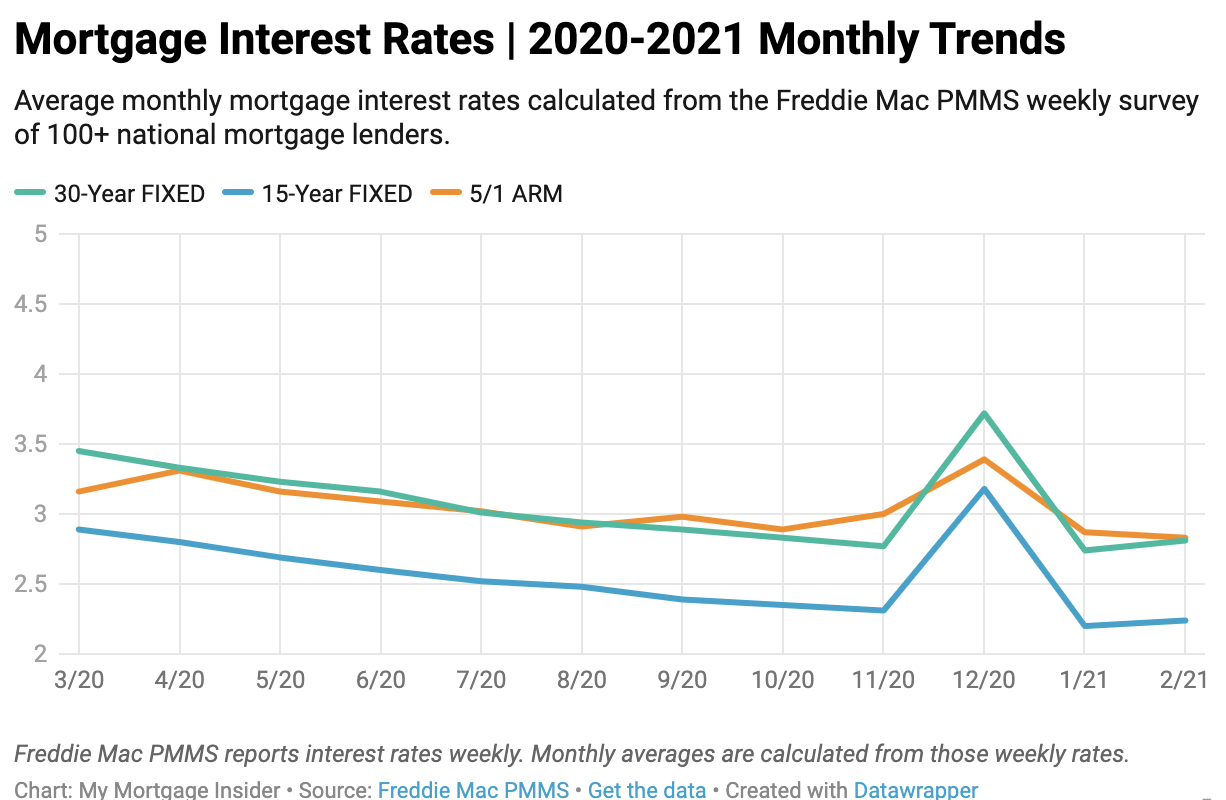
The 30-year fixed-rate mortgage remains the gold standard for American homeowners due to its stability and lower monthly payments. However, it carries a higher interest rate compared to its 15-year counterpart. The 15-year fixed-rate mortgage typically offers a rate that is 0.50% to 1.00% lower. While the monthly payment is significantly higher due to the aggressive amortization schedule, the total interest paid over the life of the loan is drastically reduced. For those focused on long-term wealth building and debt elimination, the 15-year rate is often the superior financial tool.
Adjustable-Rate Mortgages (ARMs)
In high-rate environments, Adjustable-Rate Mortgages often gain popularity. An ARM typically starts with a “teaser” rate that is lower than the prevailing 30-year fixed rate for a set period—usually five, seven, or ten years. After this initial period, the rate adjusts annually based on a specific index, such as the Secured Overnight Financing Rate (SOFR). While ARMs offer lower initial payments, they carry significant interest rate risk. They are best suited for individuals who plan to sell the property or refinance before the first adjustment period occurs.
Government-Backed Loans: FHA, VA, and USDA
For many borrowers, government-backed loans provide a more accessible entry point into the housing market. FHA loans, backed by the Federal Housing Administration, often feature lower interest rates than conventional loans for borrowers with lower credit scores. Similarly, VA loans for veterans and USDA loans for rural buyers often provide competitive rates with zero down payment requirements. However, these loans frequently come with mandatory mortgage insurance premiums (MIP or PMI) that must be factored into the overall “effective” interest rate of the loan.
Strategic Tactics to Lower Your Personal Interest Rate
The “headline” mortgage rate published in the news is an average for “prime” borrowers—those with impeccable credit and significant equity. Your personal rate is a reflection of your perceived risk as a borrower. By understanding the components of loan pricing, you can take proactive steps to secure a rate below the national average.
The Power of the Credit Score
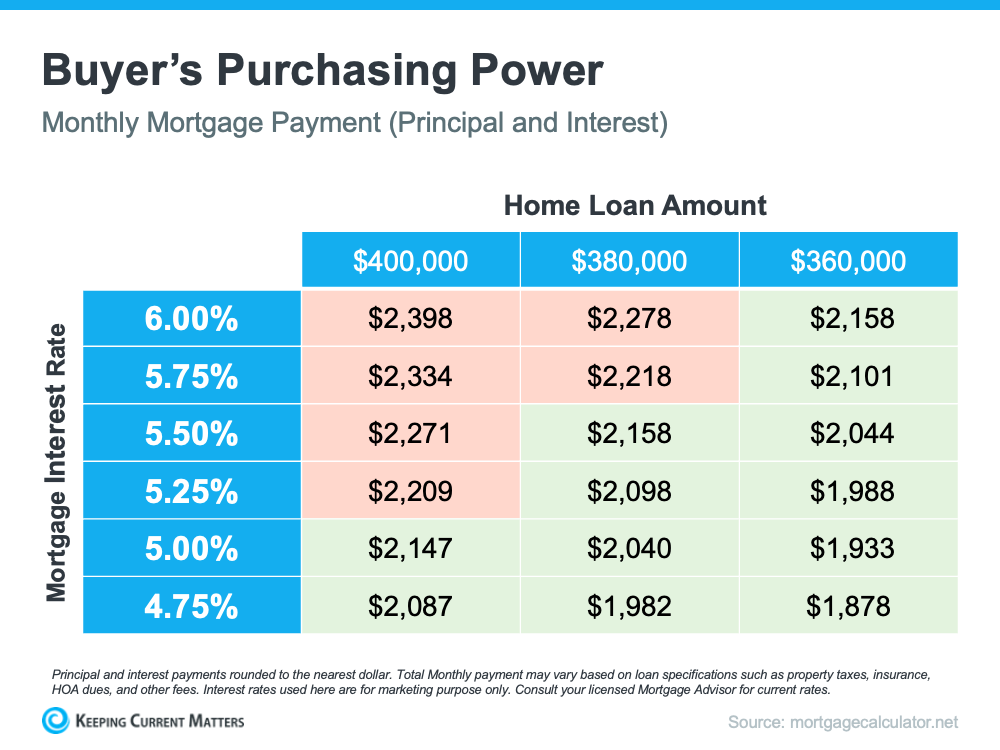
In the world of mortgage lending, your FICO score is the most significant determinant of your interest rate. Lenders use “Loan-Level Price Adjustments” (LLPAs), which are essentially surcharges based on credit risk. A borrower with a score of 780 will almost always receive a better rate than a borrower with a 680. Improving your credit score by even 20 points can transition you into a higher tier, potentially lowering your rate by 0.25% or more. This seemingly small difference can result in massive savings over a 30-year amortization period.
Debt-to-Income (DTI) and Down Payments
Lenders look at your Debt-to-Income ratio to ensure you aren’t over-leveraged. While a high DTI might not always raise your interest rate, it can limit your choice of lenders, preventing you from shopping for the most competitive offers. Furthermore, the “Loan-to-Value” (LTV) ratio—determined by your down payment—directly impacts your rate. Putting 20% down not only eliminates the need for private mortgage insurance (PMI) but also signals to the lender that you have “skin in the game,” often resulting in a more favorable rate offer.
Buying Down the Rate with Points
Borrowers also have the option to “buy down” their interest rate by paying discount points at closing. One point is equal to 1% of the loan amount and typically lowers the interest rate by 0.25%. This is essentially pre-paying interest. To determine if this is a wise financial move, you must calculate the “break-even point”—how many months of lower payments it will take to recoup the upfront cost of the points. If you plan to stay in the home for a decade or more, buying points can be a highly effective long-term investment.
The Ripple Effect: How Rates Influence the Broader Market
The prevailing mortgage rate does more than just dictate individual payments; it shapes the entire real estate ecosystem. When rates are low, purchasing power increases, allowing buyers to bid up home prices. When rates rise, the dynamic shifts, often leading to a slowdown in price appreciation and a change in market inventory.
The Lock-In Effect
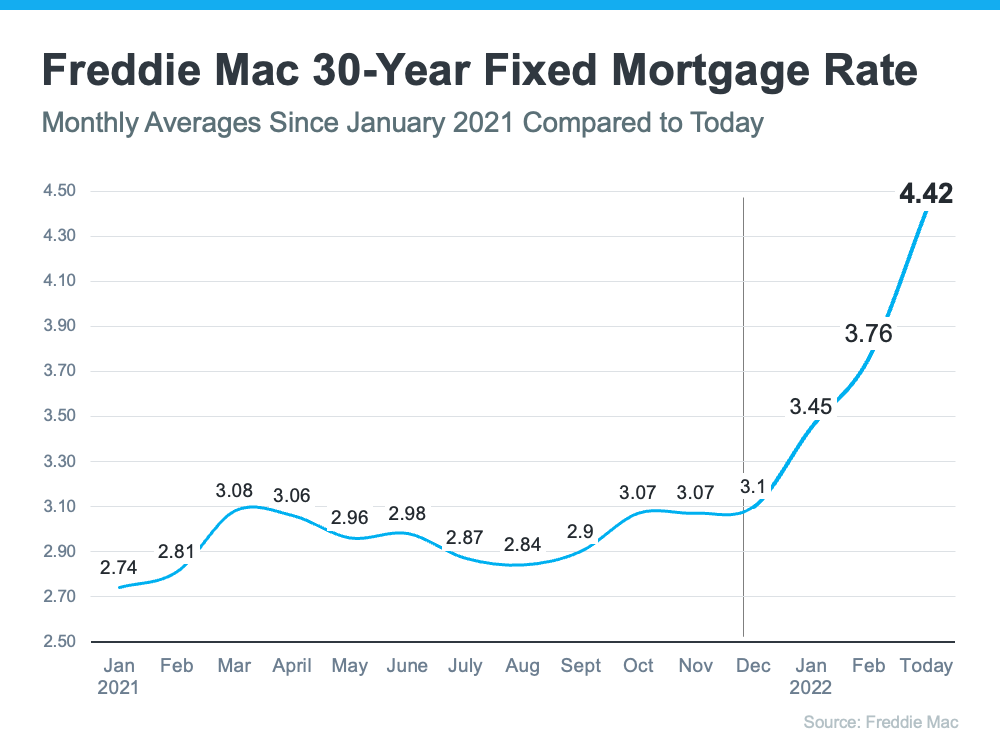
One of the most significant phenomena in the current market is the “lock-in effect.” During the low-rate environment of 2020 and 2021, millions of homeowners refinanced into rates between 2.5% and 3.5%. As today’s rates have climbed significantly higher, these homeowners are reluctant to sell, as doing so would mean trading a low-cost mortgage for a much more expensive one. This has led to a historic shortage of existing homes for sale, keeping prices elevated even as rates rise.
Refinancing Cycles and Investment Strategy
For real estate investors, today’s mortgage rate is the hurdle rate for any new acquisition. When rates are high, the “cost of capital” increases, requiring properties to generate higher rents to remain profitable. Conversely, high-rate environments often present opportunities for “rate-term” refinances in the future. Savvy investors often follow the mantra “date the rate, marry the house,” purchasing properties when competition is lower due to high rates, with the intention of refinancing when the market cycle eventually turns and rates drop.
Timing the Market vs. Long-Term Financial Planning
The quest to find “today’s mortgage rate” often leads to the temptation of trying to time the market perfectly. However, interest rate movements are notoriously difficult to predict, even for professional economists. Strategic financial planning requires a balance between monitoring market trends and making decisions based on personal financial readiness.
The Risk of Waiting
Waiting for rates to drop can be a double-edged sword. If rates decrease, buyer demand typically surges, which can lead to increased competition and higher home prices. In many cases, the increase in the home’s purchase price can outweigh the savings gained from a slightly lower interest rate. Therefore, the decision to enter the market should be based on your “all-in” monthly budget and your long-term housing needs rather than a gamble on next month’s Federal Reserve meeting.
Conclusion: Staying Informed in a Dynamic Environment
Today’s mortgage rate is a snapshot in time, influenced by a global economy and refined by your personal financial health. By understanding the relationship between inflation, bond yields, and loan products, you can move beyond being a passive consumer of financial news. Instead, you can become a proactive participant in your own wealth creation, using the tools of credit optimization, down payment strategies, and product selection to navigate the complexities of the mortgage market. Whether rates are at historic lows or relative highs, the fundamental principles of personal finance—maintaining strong credit, managing debt, and understanding the long-term cost of capital—remain the most reliable guides to making a successful home investment.
aViewFromTheCave is a participant in the Amazon Services LLC Associates Program, an affiliate advertising program designed to provide a means for sites to earn advertising fees by advertising and linking to Amazon.com. Amazon, the Amazon logo, AmazonSupply, and the AmazonSupply logo are trademarks of Amazon.com, Inc. or its affiliates. As an Amazon Associate we earn affiliate commissions from qualifying purchases.